Cyber & Future War
The character of war is changing faster than doctrine can keep up, and this shelf is the honest map of where it's going: cyber conflict that never declares itself, autonomous weapons, information warfare, and the great-power competition playing out in code and orbit. Read it to understand the war the next generation will actually fight, not the one the last one trained for.
Buy links go to Bookshop.org (which supports independent bookstores) and Amazon. Some are affiliate links — if you buy, we earn a small commission at no extra cost to you. As an Amazon Associate we earn from qualifying purchases. It never affects which books are on this list or how we describe them. How this works.
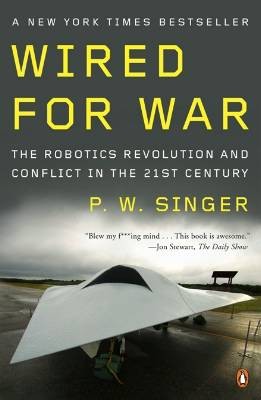
Singer examined the robotics and autonomous systems revolution in warfare — drones, ground robots, autonomous weapons — and the ethical, legal, and strategic questions those systems raise that military institutions were not prepared to answer. Published in 2009, the trends he identified have accelerated beyond his predictions: autonomous systems now operate across all domains, and the questions he raised about accountability, escalation risk, and the changing psychology of remote combat have become operational rather than theoretical. On the Space Force reading list because the domain warfare Space Force is responsible for is increasingly autonomous, and the doctrine to govern it barely exists.

Singer and Brooking's analysis of how social media has become a weapon of war — how state and non-state actors weaponize information networks to shape narratives, recruit fighters, coordinate action, and manipulate adversary populations. The case studies span ISIS's social media strategy, Russian information operations in Ukraine and the 2016 U.S. election, Chinese influence campaigns, and the ways that the viral dynamics of social platforms amplify extremist content. On the CMSAF reading list because information operations are now conducted by every level of the military, and understanding the environment those operations occur in is prerequisite to conducting them effectively or defending against them.

An Australian general's field guide to how drones, AI, and information warfare are rewriting the rules faster than doctrine can keep up. Short, current, and mercifully free of buzzword fog — read it before someone quotes it at you in a briefing.
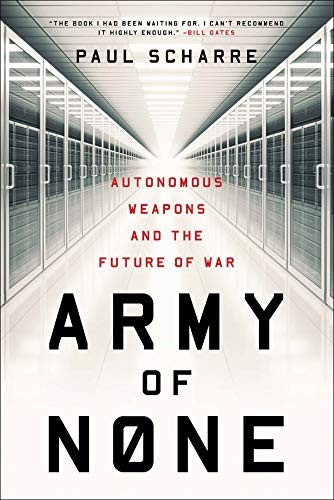
A former Ranger who helped write the Pentagon's autonomous-weapons policy on where killer robots actually stand. Neither doom-mongering nor cheerleading — just the hardest questions about letting machines pull the trigger, asked by someone who's been downrange.
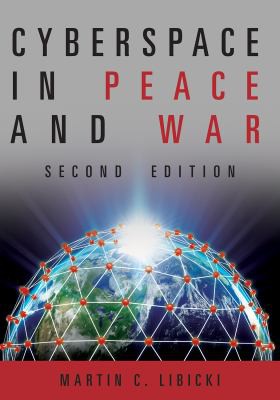
The closest thing to a real textbook on cyber conflict, from the RAND analyst who actually thinks about deterrence in a domain with no front line. Dense and not a beach read, but if you want to sound less clueless than the average cyber briefing, this is the source.
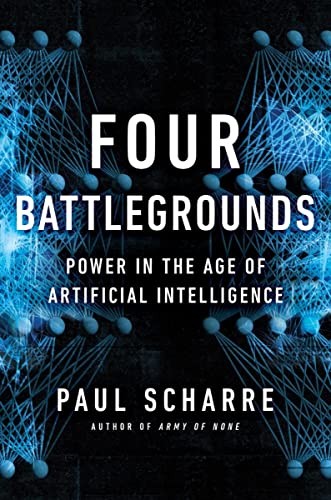
Scharre's map of the AI competition, i.e. data, compute, talent, and institutions, and why it's the fight that decides the next century of military power. Current, clear-eyed, and free of both doomer panic and Silicon Valley hype. If one book on this list is about your actual future, it's this one.

McCain's former staff director explains why America's gold-plated ships and jets could lose to a country that just builds cheaper things that shoot first — the war is won by whoever closes the sensor-to-shooter loop faster, and we've been buying the wrong stuff. A gut-punch about a Pentagon acquisitions system optimized for everything except winning. Not the Cockburn book of the same name — this one's the strategy argument.
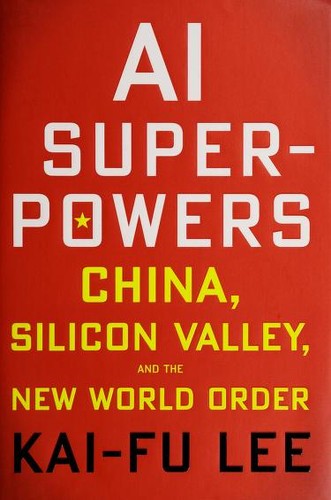
A guy who ran Google China and now funds Chinese startups explains why China's messy, data-drenched, copy-then-crush tech scene may out-execute Silicon Valley on applied AI. Lee is a booster, not a neutral, so weigh the optimism — but nobody explains the two ecosystems side by side better. The chip war has a software half, and this is it.
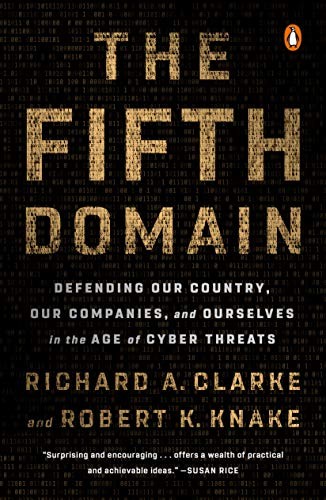
Clarke and Knake's follow-up, and the more useful book: less doom, more about how you actually defend a company, a grid, a country. The argument that defense can win if we bother to fund it.
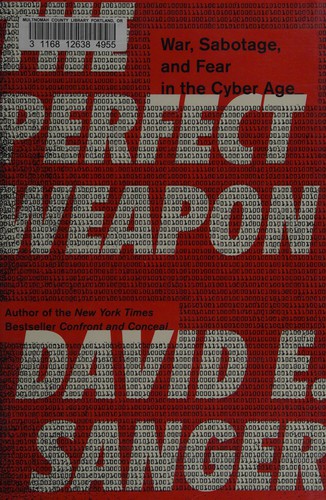
Sanger's field guide to how cyber became every nation's weapon of choice: cheap, deniable, and just below the line that triggers a real shooting war. If you want to know what "great power competition" actually looks like day to day, it looks like this.
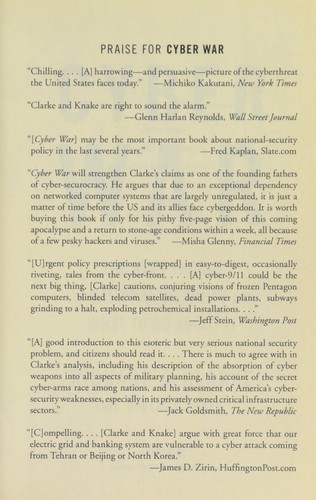
The early alarm bell from the counterterrorism czar who watched Washington sleep through the last threat. Dated in spots, but it framed the whole debate about critical infrastructure being wide open, and most of it still hasn't been fixed.

Segal argues the internet stopped being borderless the day states realized they could use it for power. A clear map of how governments now fight, spy, and censor across the network, and why the open web you grew up on is already gone.
Schneier's point is blunt: once everything is a computer with a network connection, every hack becomes a physical safety problem. Your car, your pacemaker, the grid. Sober, technical, and hard to unsee.
One of the great strategists takes apart 150 years of people confidently predicting the next war and getting it wrong. Read it before you believe anyone selling you a clean vision of how the next one goes.

A former paratrooper turned mercenary turned professor argues conventional war is dead and the West keeps buying expensive weapons for a fight nobody's having. Contrarian, sharp, and worth the argument even where he overreaches.
How social media rewired warfare, told through the people fighting it, a 19-year-old in Gaza, a Russian troll, a Ukrainian fact-checker. The narrative now matters as much as the ordnance, and this shows you why.

A statesman, a tech CEO, and a computer scientist on what happens to war, security, and human judgment when machines start making decisions we can't fully explain. High-altitude, but the questions about weapons and deterrence are the ones your generation inherits.
The sharpest academic account of how states really use cyber, not as a doomsday button but as constant, grinding espionage and sabotage below the threshold of war. If you found the hype books thin, this is the one with the rigor.
Zuboff's heavy, landmark case that the tech giants built an economy out of predicting and steering your behavior. Long and dense, but it names the machine that harvests you, and once you see it you can't unsee it.
Microsoft's president on the fights he's had over cyberattacks, government surveillance, and AI, from inside the company sitting on the front line. A rare view of how the tech-versus-state battles look from the room where they happen.
Miller's history of the semiconductor industry and the geopolitical competition over chip manufacturing that has become the central economic and military contest of the twenty-first century. The argument: whoever controls advanced chip production controls the foundation of all modern military and commercial technology, and the U.S.-Taiwan-South Korea manufacturing ecosystem is both the critical chokepoint of the current world order and its most vulnerable point. The Chinese military's dependence on advanced chips it cannot manufacture is the central vulnerability that explains both Beijing's urgency and its strategy in the Indo-Pacific. The most important single book for understanding why Taiwan matters beyond the abstract principle of democratic solidarity. Pulitzer Prize finalist.
Greenberg traced the Russian military hacking unit GRU Sandworm from their first intrusions into Ukrainian power grids in 2015 through their deployment of the NotPetya malware in 2017 — the most destructive cyberattack in history, which caused ten billion dollars in damage and shut down shipping, logistics, and financial systems across the globe. The book is the most complete available account of what large-scale offensive cyber operations look like in practice: the target selection, the tools, the operational security failures that revealed the unit, and the absence of any effective response from the countries attacked. On the CMSAF reading list because cyber is the Air Force's fourth domain and most Airmen don't understand what operations in it actually look like.
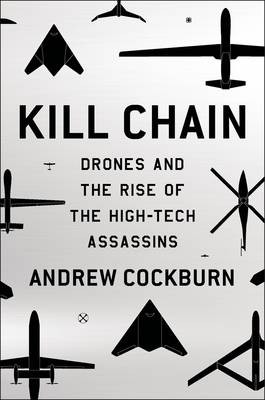
The history of precision killing — from the targeting systems of WWII through Vietnam's electronic battlefield through the drone strikes of the post-9/11 wars. Cockburn's argument: that the repeated American faith in technology as a substitute for strategy — the belief that the right weapon accurately enough applied will win the war — has been repeatedly disproven and repeatedly reaffirmed because it is institutionally convenient to believe it. The book is an institutional critique of how the military-industrial complex shapes doctrine. Essential reading for anyone involved in targeting, acquisition, or special operations planning.
The NYT cybersecurity reporter walks you through the black market where governments buy the software flaws they use to break into everything. Read it and you'll understand why the next war might open with your power grid going dark instead of a shot fired.
The rise of the military-internet complex, told straight. Harris shows you how the Pentagon, the NSA, and Silicon Valley quietly merged into one war machine while nobody was looking.

The definitive account of Stuxnet, the worm the US and Israel built to wreck Iran's centrifuges. It reads like a thriller and it's the moment code became a physical weapon that broke things in the real world.
The secret history of cyber war, from a 1983 movie that spooked Reagan to the fights inside the NSA. Kaplan traces how the US spent decades getting good at breaking in without figuring out how to defend, and we're all living in that gap now.
A century of disinformation, from Soviet forgeries to 2016, from the historian who actually knows the archives. Rid cuts through the hype and shows you the long, patient craft of getting a target to believe a lie, and to spread it themselves.
Koppel asks a simple question, what happens if a cyberattack takes down the power grid for weeks, and finds nobody in charge has a real answer. The reporting on how unready we are is the part that'll keep you up.
The reporter who scares cybercriminals goes inside the Russian spam and malware economy that turned your inbox into a war zone. Krebs names names, and shows you cybercrime as an industry with payroll, competition, and org charts.
The story of the hacker collective that basically invented hacktivism and pushed the whole industry toward taking security seriously. A reminder that a lot of what protects you now started as a few weird kids poking at systems for fun.

A communications scholar makes the careful, evidence-based case that Russian interference plausibly moved votes in 2016. Not a hot take, a methodical one, and a case study in how information operations actually try to work.
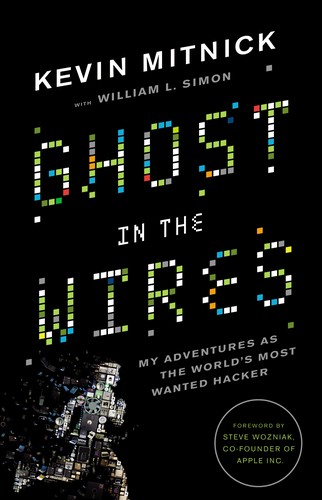
The most wanted hacker in America tells you how he did it, and the punchline is that most of it was talking people into handing over the keys. The best education in social engineering you'll get, from the guy the FBI chased across the country.
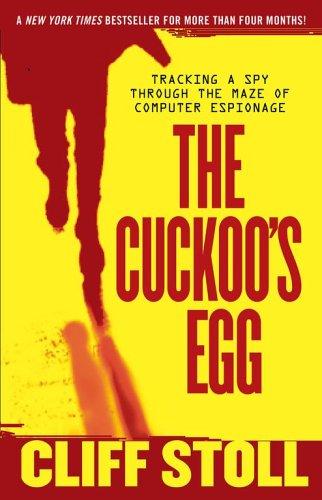
An astronomer chases a 75-cent accounting error and pulls the thread until it ends at a KGB-backed hacker ring. The first true cyber-espionage story, written in 1989 and still the most fun way to learn how intrusions actually get caught.

Singer is the Pentagon's most-cited defense researcher; Cole is a former Navy intelligence officer. Their novel about a near-future U.S.-China war over Hawaii — fought with autonomous weapons, satellite-blinded aircraft, microchip-compromised weapons systems, and cyber-enabled insurgency — is explicitly designed as a policy argument in narrative form. Every technology in the book either exists or is in development; the footnotes at the back cite the actual defense programs. The Indo-Pacific Command reads it as a planning document disguised as fiction: the scenarios Singer and Cole describe — a surprise attack on INDOPACOM, the U.S. forced to fight with degraded networks and compromised supply chains — are the scenarios INDOPACOM wargames. The most operationally useful work of military fiction published since Red Storm Rising.
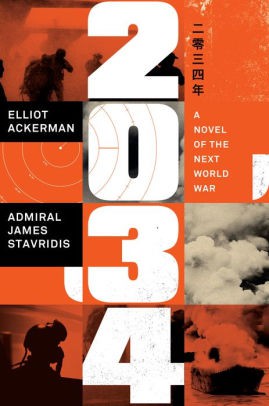
Ackerman is a Marine veteran and novelist; Stavridis is a retired four-star admiral and former NATO Supreme Allied Commander. Their near-future novel about a U.S.-China naval war that begins with a confrontation in the South China Sea and escalates to nuclear use is written with the operational specificity that only actual commanders can bring to the scenario — the chain of decisions, the command breakdown, the escalation that becomes uncontrollable not from intent but from the institutional logic of conflict. Unlike Ghost Fleet, which focuses on tactical innovation, 2034 focuses on strategic failure: how a war that neither side wants begins and cannot be stopped once it starts. On the CMSAF reading list as the fiction that policy analysis cannot fully replace.
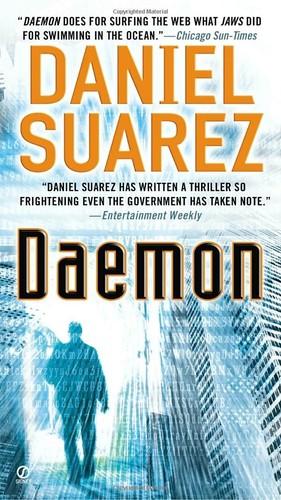
A dead game designer's software goes live after his death and starts running the world. It's a thriller, but Suarez writes tech that actually works, and the questions about autonomous systems taking orders from no one land harder every year.
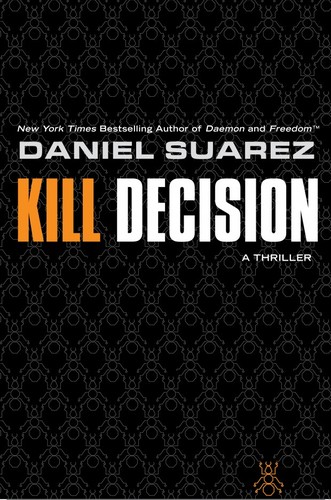
Autonomous drones that pick their own targets, swarming with no human in the loop. Fiction, but Suarez did the homework, and it's the most vivid way to feel the argument over lethal autonomy that the real militaries are having right now.
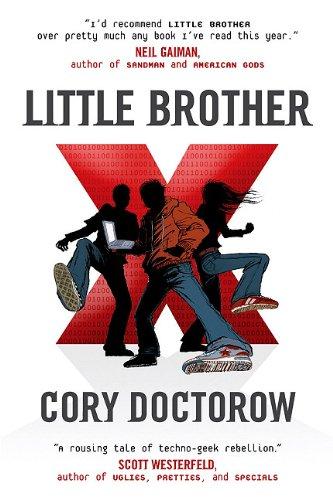
A teenager fights back against a surveillance state after a terror attack, and the crypto and OPSEC in it are real enough to use. Written for younger readers, but it's a better civics lesson on privacy and power than most adult books.
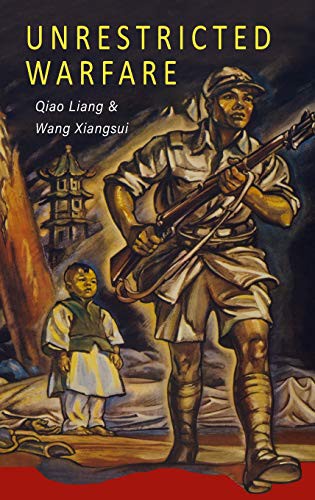
Two PLA colonels sat down in 1999 and asked what war looks like when you can't beat America gun-for-gun: trade, hacking, lawfare, finance, terror — everything is a weapon and nothing is off the table. Read it not as prophecy but as a window into how Beijing frames the fight. The lurid US subtitle oversells it; the thinking underneath does not.
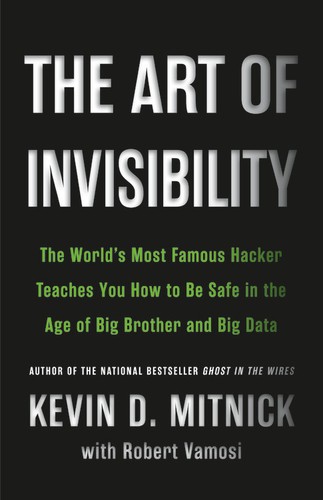
Mitnick's practical manual for not getting tracked, hacked, or profiled, from the guy who knows every trick. Half of it is OPSEC you should already be running, the other half will change how you carry your phone.