Professional Reading Program
The Chief of Naval Operations Professional Reading Program develops naval officers through history, biography, strategy, and doctrine. The list reflects the Navy's institutional emphasis on sea power theory, command at sea, and the traditions that distinguish naval service. From Mahan's foundational theory to the tactical accounts of WWII Pacific battles, the CNO list builds the intellectual foundation that connects individual sailors to the strategic purpose of the fleet they serve in.
Buy links go to Bookshop.org (which supports independent bookstores) and Amazon. Some are affiliate links — if you buy, we earn a small commission at no extra cost to you. As an Amazon Associate we earn from qualifying purchases. It never affects which books are on this list or how we describe them. How this works.
McChrystal commanded JSOC in Iraq and discovered that his organization — optimized for industrial-era warfare — was losing to a network. Al-Qaeda in Iraq was distributed, adaptable, and self-organizing. JSOC was a hierarchical machine built for efficiency. McChrystal had to break his own organization and rebuild it as a network: shared consciousness, distributed authority, persistent information flow. The result is both a memoir of that transformation and a theory of leadership in complex environments. The most practically useful leadership book written by a senior military commander since Slim's Defeat into Victory. The framework transfers.
Stavridis and Watkins updated this classic Naval Institute guide to naval command — originally written by Admiral Fiske in 1905, revised through multiple editions — into the standard reference for what commanding officers of U.S. Navy ships are expected to know about the professional, legal, administrative, and leadership dimensions of command. The book covers the full scope of what a commanding officer is responsible for: tactical readiness, crew welfare, legal authority, administrative systems, and the human leadership that determines whether a ship functions as a team or a collection of departments. On the CNO reading list as the reference manual for what command actually requires.

A case for actually reading and thinking, aimed at sailors who'd rather just check the box. Meta — but the CNO put it on the list for a reason. It's the argument for the whole rest of this shelf.
Published in 1890 and read simultaneously by Theodore Roosevelt, Kaiser Wilhelm II, and the Japanese Naval Staff — then used to justify naval buildups across four continents. Mahan's argument is that national greatness follows from sea power, sea power follows from merchant marine and forward bases, and both require naval protection. He was right enough that every great power restructured its fleet around his ideas, contributing to the naval arms race before World War I. Required reading to understand why the Navy exists and what it is supposed to accomplish at the strategic level.

An Australian general's field guide to how drones, AI, and information warfare are rewriting the rules faster than doctrine can keep up. Short, current, and mercifully free of buzzword fog — read it before someone quotes it at you in a briefing.
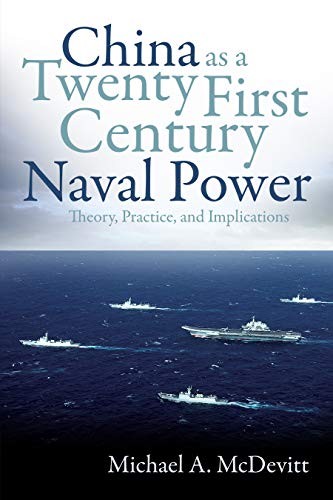
A retired admiral lays out exactly how and why the PLA Navy went from coastal afterthought to blue-water competitor. Dry in spots, but it's the clearest map of the pacing threat you'll find without a clearance.
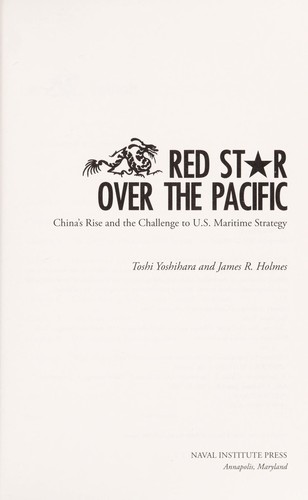
The book that made the Navy take Chinese sea power seriously. Mahan, but read in Beijing — it explains China's maritime strategy in China's own terms, which is more than most talking heads bother to do.
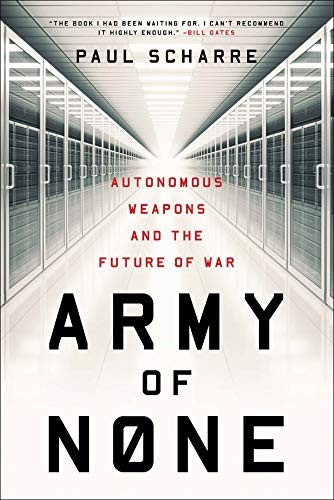
A former Ranger who helped write the Pentagon's autonomous-weapons policy on where killer robots actually stand. Neither doom-mongering nor cheerleading — just the hardest questions about letting machines pull the trigger, asked by someone who's been downrange.
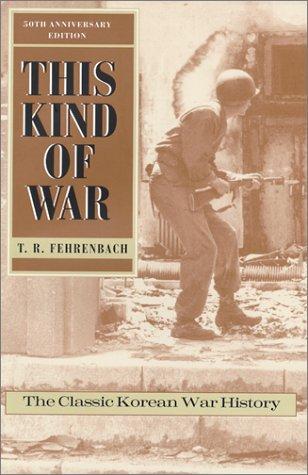
Korea. The forgotten war, unforgotten lessons. When light infantry trained for WWII conventional combat ran headlong into Chinese regulars who had been fighting since 1937, the results were instructive. Fehrenbach's analysis of why the Army was unprepared and what it cost them is still more relevant than most current doctrine. Still on the CGSC reading list. Still largely ignored until the next time it is relevant.
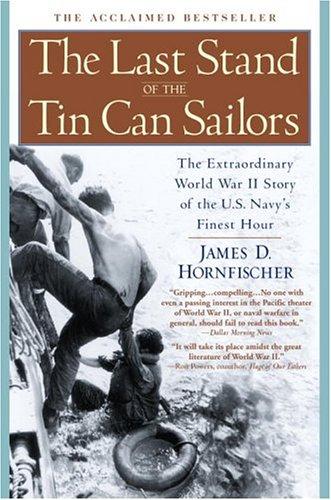
Leyte Gulf, October 1944. A formation of destroyers and destroyer escorts—antisubmarine ships—charged a Japanese fleet of battleships, heavy cruisers, and destroyers to protect the escort carriers of Taffy 3. The math was impossible. They knew the math was impossible. They did it anyway. The highest award for valor given to a ship in U.S. Navy history went to USS Johnston's commander that day. Every surface warfare officer should read this book twice.

How the interwar Navy built the command culture that won at Midway — by tolerating failure in peacetime wargames. If your command punishes every honest mistake, leave this one on the XO's desk.
The Naval War College's interwar wargames that quietly pre-fought the entire Pacific campaign. Proof that time spent thinking hard in a classroom beats time spent looking busy.
WWII wasn't won by generals giving speeches — it was won by the problem-solvers who figured out how to actually cross the Atlantic, own the sky, and get onto a beach alive. A love letter to the tinkerers who make strategy work.
How American industry out-built the Axis, told through the executives who pulled it off. The unglamorous truth that production and logistics win wars — and a quiet rebuke to anyone who thinks the shooting is the hard part.
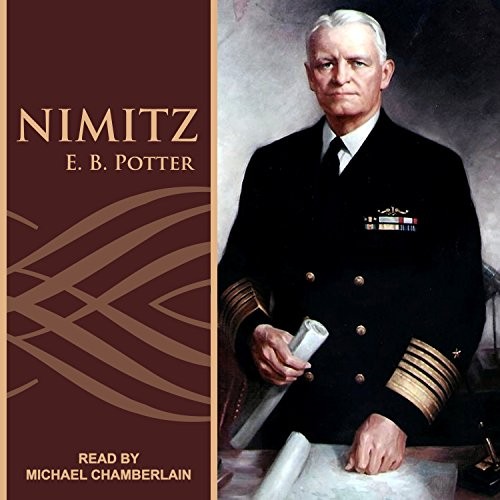
The definitive biography of Fleet Admiral Chester Nimitz — the man who rebuilt the Pacific Fleet after Pearl Harbor and commanded it to victory. Potter had access to Nimitz's papers and to Nimitz himself. The result is the best study available of how quiet, methodical competence under sustained pressure operates at the highest level of naval command. Nimitz never dramatized anything. Neither does Potter.

Symonds, the Navy's premier WWII historian, wrote this account of Chester Nimitz's command of the Pacific Fleet from Pearl Harbor through the Japanese surrender — focused specifically on Nimitz as a commander rather than on the battles he directed. His argument: that Nimitz's greatest contribution was not tactical brilliance but the command climate he created — the willingness to give subordinates authority, to accept risk, and to protect capable officers from institutional politics while relieving commanders who couldn't deliver. The contrast with MacArthur runs through every chapter. On the CMC and CNO reading lists as the model of what theater-level command leadership looks like.
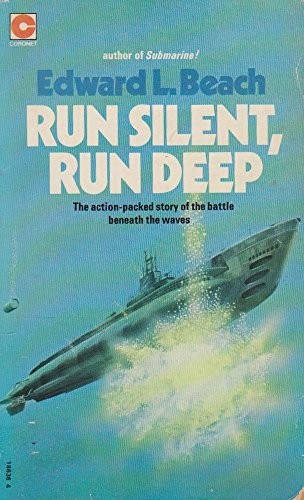
A Pacific War submarine novel written by a submarine officer who commanded USS Trigger and USS Piper and spent most of WWII on patrol. Beach knew what a submerged approach in enemy waters actually felt like — the sonar pings, the depth charges, the mathematics of a torpedo attack computed manually under pressure. The result is the gold standard of submarine fiction: technically rigorous, narratively compelling, and built around a command conflict that has no clean resolution. The Navy has used it as recommended reading for decades because it is the most accurate account available of what submarine warfare looked like from inside the boat.

Corbett published this analysis of maritime strategy in 1911 — the theoretical complement to Mahan's sea-power history and, arguably, the more practically useful of the two. Where Mahan argued for concentrated battle fleets seeking decisive engagement, Corbett argued that control of maritime communications — sea lanes — is the actual objective of naval strategy, and that this control can be achieved through operations short of decisive fleet engagement. His analysis of the relationship between limited war, maritime blockade, and land power is more applicable to the current strategic environment than Mahan's fleet-concentration doctrine. On the CNO reading list as the second foundational text of naval theory.
The mess's own manual — what the anchors actually mean and what the Navy expects of a Chief. If you're making Chief, read it. If you work for one, it explains a great deal.
A reference, not a beach read — but a fast way to make sure you and the person you're arguing with actually mean the same thing by 'operational.' Keep it near the desk.
Because the Navy has never met a phrase it wouldn't rather turn into four capital letters. The decoder ring for every message that assumes you already know.
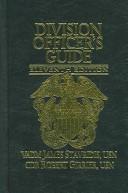
The classic first-tour survival manual for the brand-new division officer who's suddenly responsible for a division and has no idea what he's doing yet. Old but load-bearing — leadership at the deckplate hasn't changed that much.
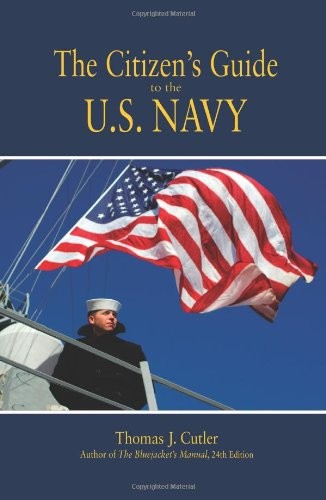
The plain-English orientation to how the Navy is built and why it does things the way it does. Hand it to your parents, your spouse, or the Congressional staffer who keeps getting it wrong.
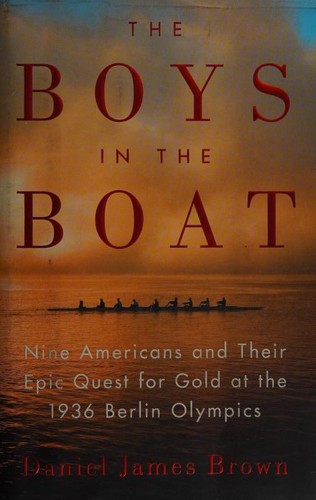
Nine working-class kids row their way to the 1936 Berlin Olympics, and somehow it's the best book on teamwork and trusting the man next to you that you'll read all year. It's on the list because 'swing' — when a crew moves as one — is exactly what the Navy is chasing.