Command & the Generals
Generalship is the rarest and most consequential military skill, and its literature is where the profession studies its own summit. This shelf gathers the command biographies and studies of high leadership — the great captains and the flawed ones — for anyone trying to understand how the biggest decisions get made, and unmade.
Buy links go to Bookshop.org (which supports independent bookstores) and Amazon. Some are affiliate links — if you buy, we earn a small commission at no extra cost to you. As an Amazon Associate we earn from qualifying purchases. It never affects which books are on this list or how we describe them. How this works.
McChrystal commanded JSOC in Iraq and discovered that his organization — optimized for industrial-era warfare — was losing to a network. Al-Qaeda in Iraq was distributed, adaptable, and self-organizing. JSOC was a hierarchical machine built for efficiency. McChrystal had to break his own organization and rebuild it as a network: shared consciousness, distributed authority, persistent information flow. The result is both a memoir of that transformation and a theory of leadership in complex environments. The most practically useful leadership book written by a senior military commander since Slim's Defeat into Victory. The framework transfers.
Keegan examines four commanders — Alexander, Wellington, Grant, and Hitler — to ask what heroic leadership actually requires and how the model has changed as armies have changed. His central argument: that the Homeric model of the leader who leads from the front, shares danger with his men, and makes himself visible in the decisive moment became impossible in industrial-age war, and that Grant's model — the commander who accepts invisibility, manages information, and leads through institutional will rather than personal display — is the model that works in modern war. Keegan's final chapter on the anti-hero, the democratic commander who cannot rely on divine right or personal charisma, is the best analysis available of what military leadership looks like in a society that does not celebrate martial values.
Stavridis and Watkins updated this classic Naval Institute guide to naval command — originally written by Admiral Fiske in 1905, revised through multiple editions — into the standard reference for what commanding officers of U.S. Navy ships are expected to know about the professional, legal, administrative, and leadership dimensions of command. The book covers the full scope of what a commanding officer is responsible for: tactical readiness, crew welfare, legal authority, administrative systems, and the human leadership that determines whether a ship functions as a team or a collection of departments. On the CNO reading list as the reference manual for what command actually requires.

A catalog of senior military leaders who abused their rank -- the fraud, the affairs, the cover-ups -- and what their organizations let them get away with. It's the anti-hagiography the promotion boards won't hand you. Read it to learn exactly what toxic leadership looks like from the inside before you're tempted to excuse it.
Blumenson spent a career in the Patton papers, and here he dissects command decisions the way an AAR should — what the general knew, when, and why he chose as he did. Less hagiography, more autopsy of the calls that win and lose battles.
Gaddis runs the Grand Strategy program at Yale and wrote this book from the same curriculum he teaches to both undergraduates and the professional military officers who attend as fellows. His argument, built from Thucydides through the Cold War: that grand strategy is the alignment of unlimited aspirations with limited capabilities, and that the great strategists throughout history are distinguished not by intelligence or resources but by the capacity to maintain that alignment under the pressure of events that constantly demand its abandonment. The most readable available introduction to the theory of strategy, and the one assigned most widely at senior military and civilian education programs. Required reading before you pick up anything else on this list.
Four case studies in how democratic leaders have controlled — or failed to control — their military commanders in wartime: Lincoln, Clemenceau, Churchill, Ben-Gurion. Cohen's argument is that the successful ones did not stay in their lane. They interfered, questioned, argued with their generals, and demanded answers when the answers were not forthcoming. The unequal dialogue between civilian authority and military expertise is not a dysfunction of civil-military relations — it is its healthiest form. Every officer who has thought "the politicians should just let us fight" needs to read this before saying it again.

Freedman walks through how commanders from Korea to Ukraine actually made decisions under political pressure -- where the general ends and the politician begins. It's a heavyweight scholar being genuinely readable, which is rare. The book for understanding why the 'purely military' decision is a myth.
Tuchman won a Pulitzer for The Guns of August and wrote this history of Joseph Stilwell's experience as commander of American forces in the China-Burma-India theater — and as the American officer assigned to reform a Nationalist Chinese army that refused to be reformed. Her account of the gap between what American advisors were trying to accomplish and what the Chinese military and political leadership was actually doing is, seventy-five years later, one of the most useful frameworks available for understanding the structural obstacles in U.S.-China military engagement. The frustrations Stilwell documented in 1944 reappear in every subsequent account of American-Chinese military interaction. On the SecAF China list because the history rhymes.
Ricks spent years studying the American military's record of senior leadership from WWII through the wars in Iraq and Afghanistan and asked one question: why did the Army stop relieving generals who failed? In WWII, Eisenhower and Marshall fired generals routinely — not for personal failure but for operational failure. By Vietnam the practice had effectively ended. By Iraq it had become nearly inconceivable. Ricks documents what this cultural shift cost in blood and strategic outcome. The book that CGSC assigned and that many of the generals it was about did not appreciate. Which is precisely the point.
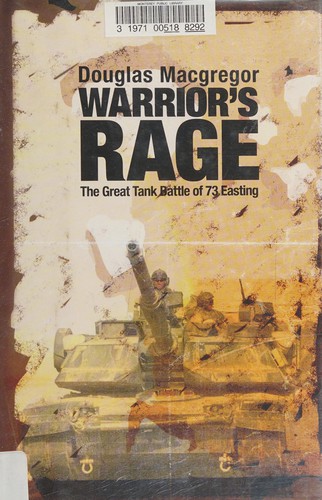
Colonel Douglas Macgregor commanded the cavalry squadron that destroyed a Republican Guard brigade in seventy-three minutes during the Gulf War — the most tactically decisive engagement of the 1991 campaign and the one that, in Macgregor's analysis, could have ended the war in two days if the Army had been organized differently. The book is simultaneously a combat memoir and a structural critique of Army division and corps organization. The argument about maneuver warfare versus attrition doctrine, and about the institutional resistance to the former, is the same argument that Boyd made in different language. Still unresolved.
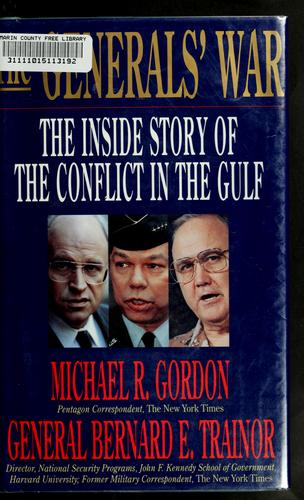
The inside account of how the 1991 Gulf War was actually run at the top -- the ego clashes and bad calls behind the clean-looking victory. Gordon and Trainor had the access, and they use it to puncture the highlight reel. The corrective to remembering Desert Storm as flawless.
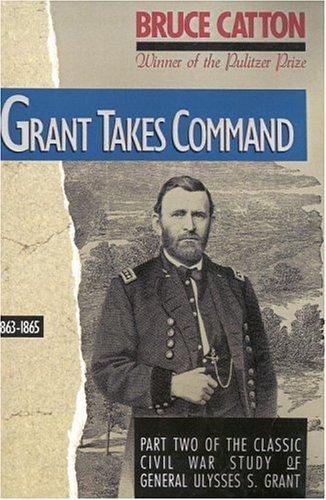
Catton on Grant from Vicksburg to victory — the making of the general who finally understood the whole war at once. Watch a quiet man learn to run everything and win. Pairs with Grant's own memoirs like a good AAR.
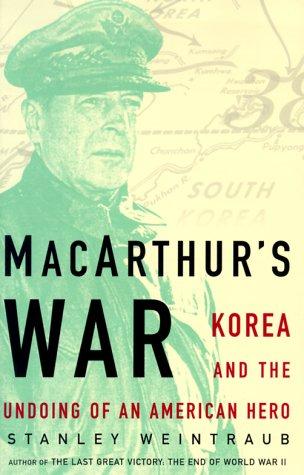
How the general's genius at Inchon curdled into the hubris that marched the Army into China. Weintraub tracks MacArthur from triumph to relief without turning it into a hit piece or a hagiography. A study in how command goes wrong.
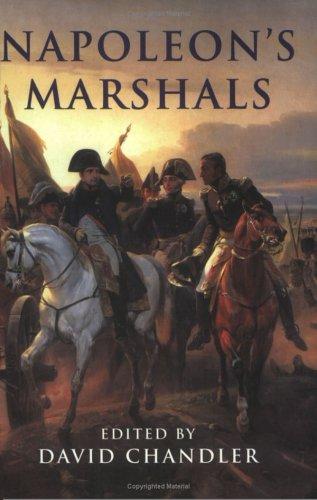
Twenty-six men made marshal, and they ranged from genius to disaster. Chandler edits a who's-who of the marshalate — Ney, Davout, Murat, the whole cast — with a hard eye on who could actually command and who just looked good on a horse. A masterclass in senior leadership, the good and the catastrophic.
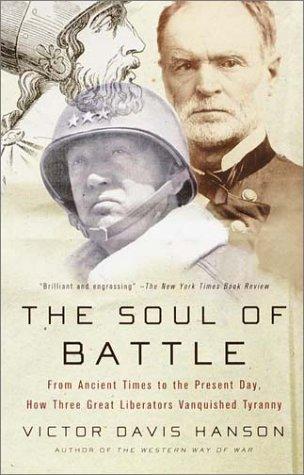
Hanson's argument: free men in arms, briefly and ferociously unleashed, wreck tyrannies — from Epaminondas to Sherman to Patton. Contentious, muscular, and impossible to read without arguing back. That's the point.
Six commanders — Genghis, Gustavus, Wallenstein, Saxe, Wolfe, Sherman — stripped down to the ideas that made them dangerous. Liddell Hart mining the past for the maneuver-and-indirect-approach lessons he'd spend a lifetime preaching.
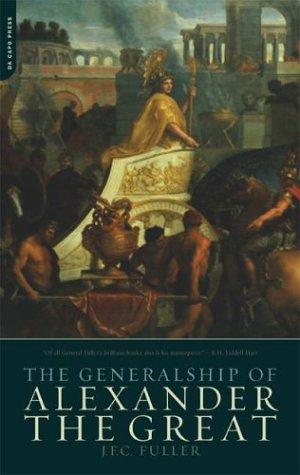
A soldier's autopsy of antiquity's most successful commander, written by a man who helped invent tank warfare. Fuller cares less about the legend than the logistics, the security, and the battlefield handling that never once lost. Generalship as engineering.
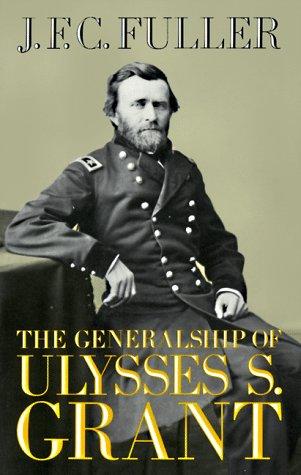
Fuller's technical verdict, delivered when Grant's stock was near its lowest ebb: the best general of the Civil War, maybe the best America ever produced. A study of grand strategy and relentlessness, not personality.
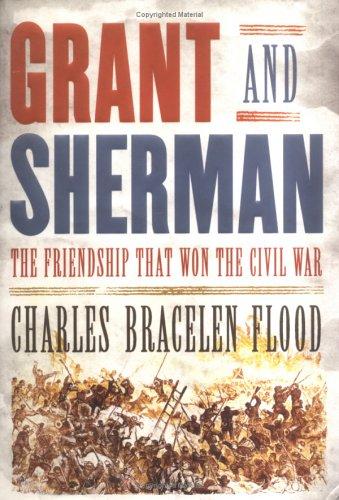
The partnership that won the war — two failures-turned-warlords who trusted each other completely and cut the Confederacy in half. Flood shows how much of victory ran through one friendship most histories treat as a footnote.

How did the German Army keep punching two weight classes above itself through two world wars? Dupuy's answer is the General Staff — an institution that manufactured competence on purpose. The uncomfortable book about why the losers were so often the better soldiers.
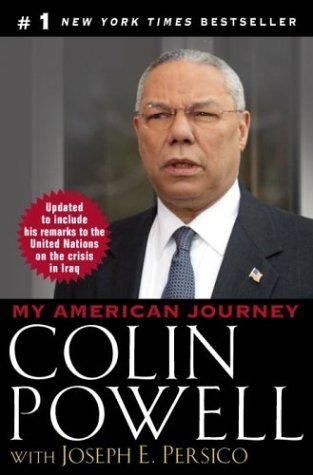
The autobiography of the Chairman of the Joint Chiefs who served in Vietnam twice before most of his contemporaries were paying attention, and built a career entirely on performance at a time when the Army was not structured to recognize it. Powell's account of what Vietnam looked like from the inside as an advisor is among the most honest in the literature. His chapter on the gap between official reporting and tactical reality — and what he learned about institutional honesty from watching the Army destroy itself in Southeast Asia — is essential reading for any officer who has ever written a situation report that optimized for what higher wanted to hear.
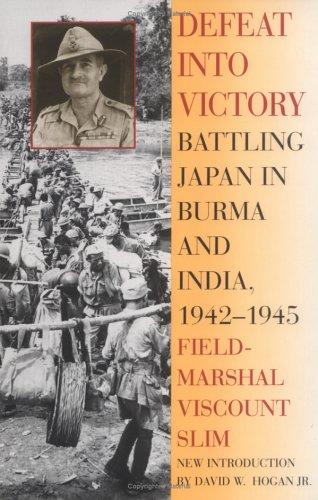
The best general's memoir most Americans have never read. Slim inherited the worst theater of WWII — a beaten army, a forgotten front, jungle, and disease — and wrote the honest account of how he clawed it back, mistakes included. If you want to know what real command feels like without the swagger, start here.
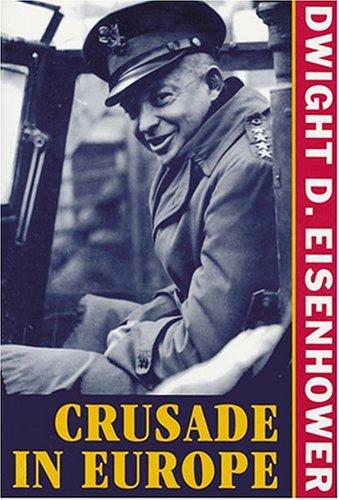
The Supreme Allied Commander's own account of running the Western Front, written in 1948 before he was president and while the details were still sharp. Eisenhower's gift was managing a coalition of enormous egos — Montgomery, Patton, de Gaulle, Churchill — without the whole thing flying apart, and the book is a quiet clinic in coalition command. Less blood than the grunt memoirs, more insight into why the war was run the way it was.
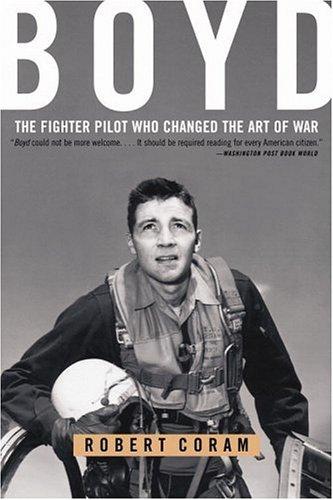
John Boyd was the most important military thinker of the twentieth century and an Air Force colonel nobody above his rank liked and everyone below it feared and followed. He invented energy-maneuverability theory, which changed how fighter aircraft are designed. He developed the OODA loop, which is now misunderstood by virtually everyone who cites it but still shapes military and business thinking globally. He wrote the maneuver warfare doctrine the Marine Corps uses. He did all of it while chain-smoking, borrowing Air Force computer time without authorization, and refusing every promotion that would have taken him off the flight line. The system never broke him because he never needed the system.
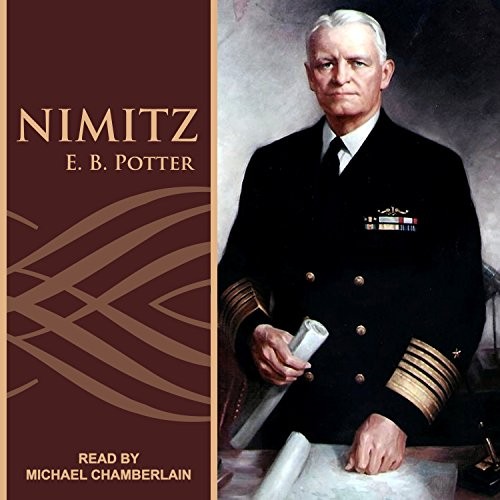
The definitive biography of Fleet Admiral Chester Nimitz — the man who rebuilt the Pacific Fleet after Pearl Harbor and commanded it to victory. Potter had access to Nimitz's papers and to Nimitz himself. The result is the best study available of how quiet, methodical competence under sustained pressure operates at the highest level of naval command. Nimitz never dramatized anything. Neither does Potter.
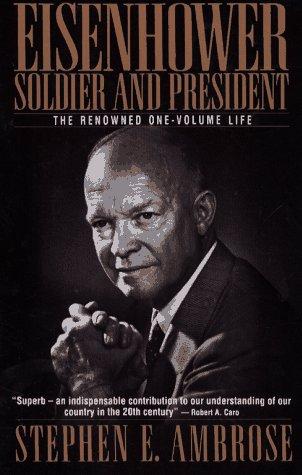
The one-volume condensation of Ambrose's two-volume biography of Eisenhower — the Supreme Allied Commander who managed the most complex coalition in history and then became the President who managed the most dangerous peace. Ambrose had access to Eisenhower's papers and to Eisenhower himself. What emerges is the portrait of a man of extraordinary administrative and diplomatic ability who could integrate the competing demands of Churchill, Montgomery, de Gaulle, Patton, and Marshall while maintaining strategic clarity. The WWII chapters on coalition command are the best case study available of what joint operations actually require.
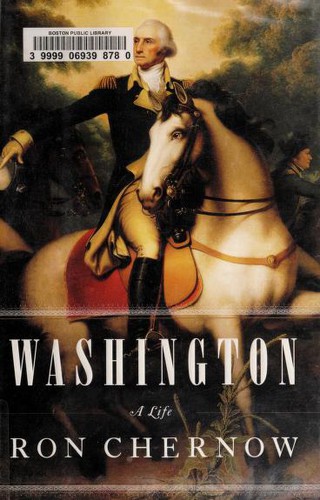
Chernow's biography of Washington — the full life, from surveyor through the French and Indian War through Valley Forge through the Presidency. The military chapters cover what Washington was actually like as a commander: his strategic patience, his management of the Continental Congress, the near-mutiny at Newburgh, and what it looked like to hold together an army that had no legal right to exist and was losing for most of the war. The model of civil-military relations in a nation that had not yet decided what civilian authority over the military should look like. Pulitzer Prize winner.

Symonds, the Navy's premier WWII historian, wrote this account of Chester Nimitz's command of the Pacific Fleet from Pearl Harbor through the Japanese surrender — focused specifically on Nimitz as a commander rather than on the battles he directed. His argument: that Nimitz's greatest contribution was not tactical brilliance but the command climate he created — the willingness to give subordinates authority, to accept risk, and to protect capable officers from institutional politics while relieving commanders who couldn't deliver. The contrast with MacArthur runs through every chapter. On the CMC and CNO reading lists as the model of what theater-level command leadership looks like.
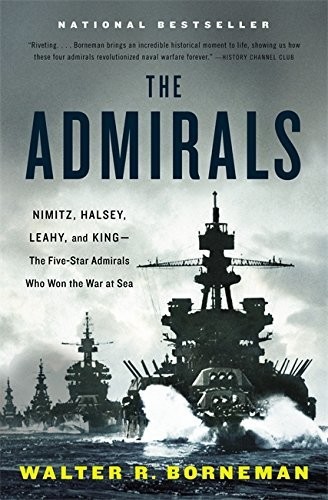
Four Fleet Admirals — Leahy, King, Nimitz, and Halsey — the only men ever to hold the five-star rank in the U.S. Navy, and the four very different approaches to command they represent. Leahy was the political advisor who managed the relationship between the military and the White House. King was the brilliant, difficult, feared architect of the global naval strategy. Nimitz was the methodical, steady commander who rebuilt a destroyed fleet. Halsey was the aggressive, charismatic leader whose errors at Leyte Gulf were as spectacular as his earlier victories. Borneman shows how a complex coalition command works when four powerful, competing personalities have to function as a system.
The definitive biography of Douglas MacArthur — the most brilliant, the most vain, the most maddening general the United States Army has ever produced. Manchester had full access to the primary sources and the literary skill to render a man who defies simple characterization: a genuine military genius who won campaigns that could not have been won, a political general who undermined civilian authority with a consistency that verged on insubordination, a commander who inspired worship and generated contempt in equal measure. The chapters on the Pacific campaign and on the Inchon landing are the best accounts of MacArthur's operational art available anywhere.
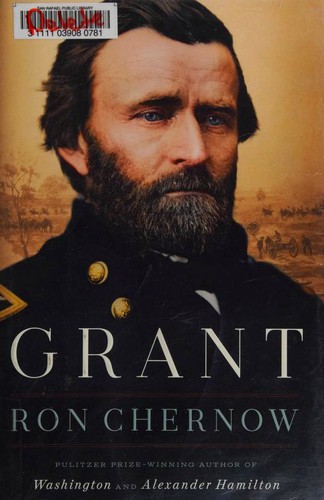
The most thorough biography ever written of Ulysses S. Grant — the most underrated commander in American military history and the most misunderstood president. Chernow spent a decade on the source materials. What emerges is the portrait of a man with an extraordinary military mind: methodical, aggressive at the right moments, comfortable with operational ambiguity, capable of sustaining will through catastrophic losses. The Civil War chapters are essential reading for any officer studying large-scale operational command under sustained political pressure and incomplete information.
The most thorough biography of George Patton — the Army's most aggressive, most controversial, and most effective operational commander of WWII. D'Este spent years on the primary sources and produced a portrait that is neither the myth of popular culture nor the caricature of his critics: a man of genuine military genius whose emotional volatility and political recklessness repeatedly threatened his career, and whose career survived because the Army needed what he could do and could not find anyone else who could do it. The campaign chapters on Sicily, France, and the Bulge are the best operational analysis of Patton's command available.
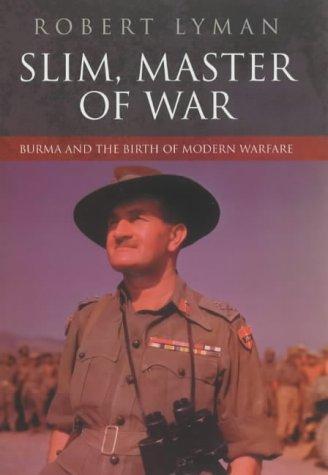
Field Marshal William Slim commanded the Fourteenth Army in Burma — the most isolated, logistically challenged, and longest-running Allied campaign of WWII. He took a defeated army, rebuilt its morale and doctrine, and won. Slim's Defeat into Victory is the standard reference from his own pen; Lyman's biography provides the external perspective on how he did it. The leadership framework Slim applied — direct, honest, focused on what his soldiers needed to succeed — is the model that McChrystal acknowledges in Team of Teams. Read them together.
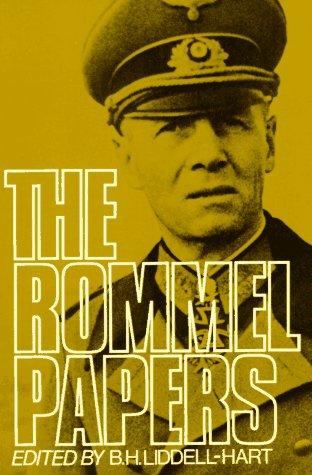
Rommel's diaries, letters, and operational notes, assembled and edited after the war. The tactical thinking is immediate and specific: how he read the ground, how he kept the initiative, why he drove forward when doctrine said to consolidate, and what his assessment of his own army's strengths and limitations actually was. Liddell Hart's commentary provides the strategic context that Rommel's documents lack — Rommel was the greatest operational commander of WWII and had almost no strategic insight. Reading the documents alongside the commentary is a case study in the difference between operational and strategic skill.
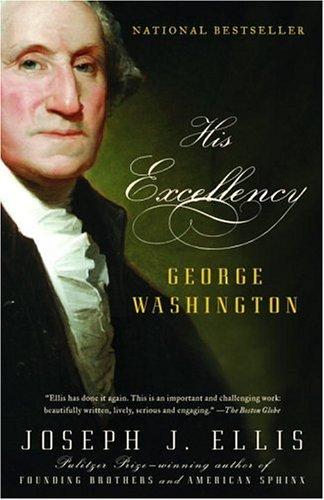
Washington the man, not the monument — ambitious, guarded, and smarter about power than anyone gave him credit for. Ellis fits a whole life into one tight volume. The best single-book Washington if Chernow's brick scares you.
The narrative biography that Oliver Stone's film leaned on — Lane Fox on the young king who never lost a battle and never stopped marching. Vivid on the man, honest about the wreckage he left. Still the popular standard 50 years on.
A full-length life of Caesar as soldier and politician, by a historian who actually understands how the army worked. The definitive modern biography — the ambition, the campaigns, and the coup that ended the Republic.
Roberts read 33,000 of Napoleon's letters so you don't have to, and the result is the modern one-volume life. He gives you the general and the administrator without the hero-worship or the cheap psychoanalysis. If you only read one Napoleon biography, this is it.
The definitive account of Wellington's fighting years, from India to Waterloo, by the biographer who got the access. Longford gives you the cold, competent professional who beat Napoleon's marshals one at a time in Spain. The soldiering half of a two-volume life — this is the half you want.

Muir's modern, exhaustively sourced life of Wellington through 1814 — the scholar's answer to Longford. He rebuilds the soldier's career decision by decision, sparing you the legend and giving you the man who did the work. The current gold standard on how Wellington won.
The general who never commanded a battle in WWII and mattered more than anyone who did. Marshall built the Army that won the war, then built the plan that rebuilt Europe. Mosley's portrait is the case study in what plain integrity at the top actually buys you.
Before Chernow made it fashionable, Smith rescued Grant from the drunk-and-corrupt caricature and showed the methodical general underneath. The soldier who grasped that war is arithmetic and refused to flinch from the math.
Ike's real job was never tactics — it was holding a coalition of prima donnas together long enough to cross a continent. Smith tracks the political general who then spent eight years in the White House keeping the peace he'd fought for. One of the century's most underrated command performances.
The definitive scholarly Lee — neither marble saint nor cartoon villain, just a gifted, conflicted man who chose his state over his country and bled an army white doing it. Thomas gives you the general and the human, and makes you sit with the cost.

Guelzo takes the myth apart brick by brick: the tactical genius who won battles he couldn't afford and never had a strategy to actually end the war. A harder, more honest Lee than the one on the courthouse statues.
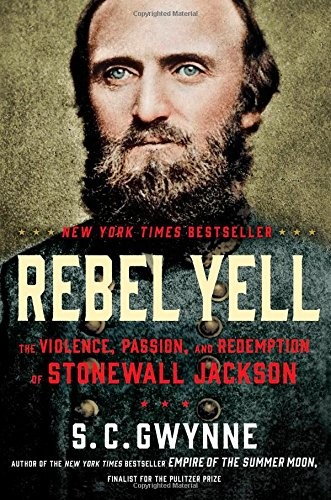
How a hypochondriac professor nobody respected became the most feared field commander of the Civil War in eighteen months. Gwynne writes Jackson's campaigns like a thriller because they were — right up to the friendly-fire volley that killed him at Chancellorsville.
Liddell Hart's case that the man who beat Hannibal at Zama was the greater captain — bolder, more original, and never once defeated. Written to needle every reader who thinks generalship began and ended with Napoleon.
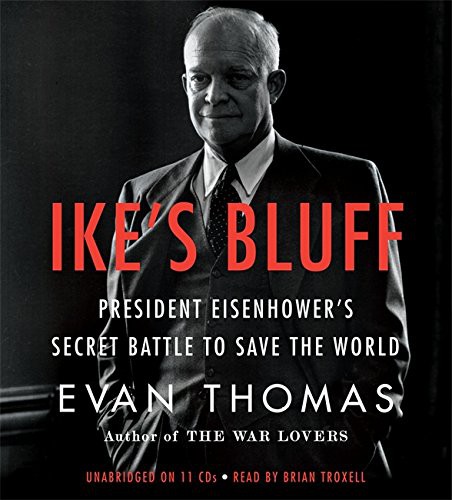
The general-president's secret weapon was that nobody — not the Soviets, not his own staff — could read whether he'd actually pull the nuclear trigger. Thomas shows Eisenhower playing the highest-stakes poker in history and keeping the world intact by never once showing his hand.
MacArthur was brilliant, insufferable, brave, vain, and usually right at the worst possible moment. Perret refuses to pick a lane, handing you the full five-star contradiction — from the Bonus Army to Inchon to getting fired by Truman.
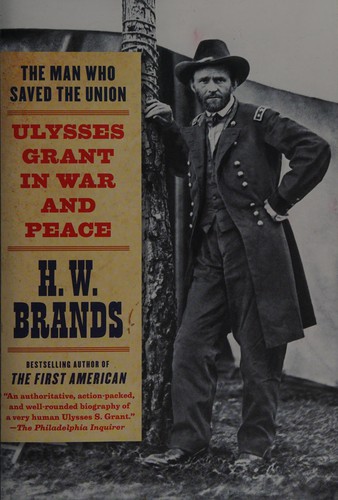
Brands argues Grant won the peace as hard as he won the war — the general who broke the Confederacy and then, as president, spent his term trying to make Reconstruction mean something. The second act nobody teaches.
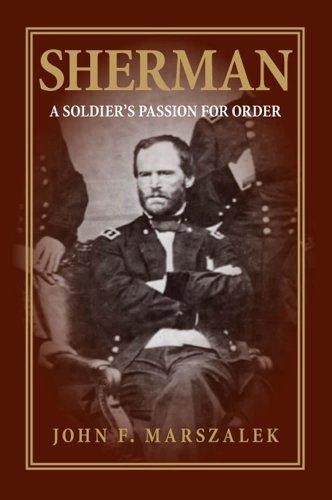
The man who invented modern total war was, underneath, terrified of chaos his whole life. Marszalek reads Sherman through that lens and it clicks — the March to the Sea as one anxious genius imposing order on a country coming apart.
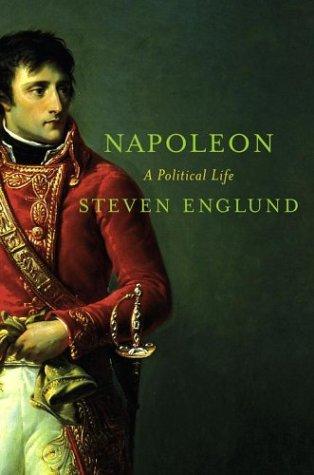
Englund's Napoleon is first a politician and only then a general — the artillery officer who understood that battles are just the loud part of taking and keeping power. A corrective for anyone who thinks the man was only a soldier.

White's Grant is the fullest yet — soldier, president, and the moral spine of Reconstruction, dictating his memoirs against the clock as cancer killed him. The general who kept fighting for the freedmen long after the shooting stopped.

Liddell Hart adopting Sherman as the patron saint of the indirect approach — the general who saw that breaking an enemy's will beats breaking his line. Written by a theorist who found his own doctrine, a century early, in Sherman's marches.
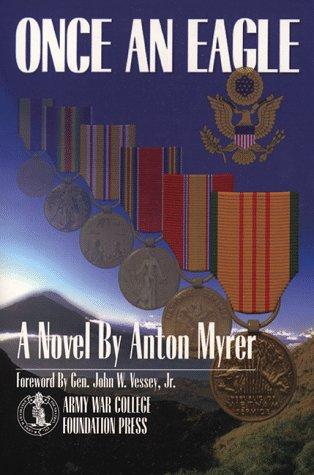
The Army's unofficial scripture, though every branch recognizes the type. Two officers, two wars, two completely different answers to the question of what kind of officer you want to be. The fact that Courtney Massengale keeps getting promoted should tell you everything you need to know about how institutions work. Sam Damon is who you want to be. Massengale is who gets the star.
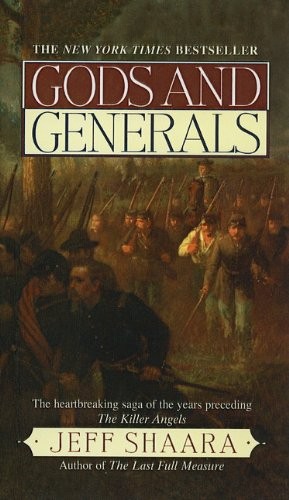
The prequel to his father's Killer Angels, running up to Gettysburg through the eyes of the men who'd be legends or corpses. Shaara humanizes Jackson and Chamberlain without turning them into statues. Solid historical fiction that sends you back to the real books.
Huntington's 1957 study of civil-military relations — the theoretical framework that American civil-military relations has operated within (and argued against) for seventy years. His argument: that the military is a profession with its own ethic, that this professional ethic is fundamentally conservative, and that the proper relationship between the military and its civilian masters requires both sides to understand and respect this. The book is the reference point for every subsequent debate about military professionalism, civilian control, and the role of military advice in democratic governance. Required context for the Dereliction of Duty and Supreme Command arguments.