The Operator Shelf
No corner of military publishing moves more units or produces more mythology than the operator memoir. This shelf is the honest cut: the SEAL, Delta, Ranger, Special Forces, and pararescue accounts that hold up — because the writing is real, the self-assessment is honest, or the events are corroborated — with a hard pass on the ones that read like an audition for a podcast. The genre's best books aren't about being dangerous. They're about selection, teams, failure, and the cost of a job where the margin is zero. Those are worth your time whether or not you ever tape a swim buddy's name to your wall.
Buy links go to Bookshop.org (which supports independent bookstores) and Amazon. Some are affiliate links — if you buy, we earn a small commission at no extra cost to you. As an Amazon Associate we earn from qualifying purchases. It never affects which books are on this list or how we describe them. How this works.
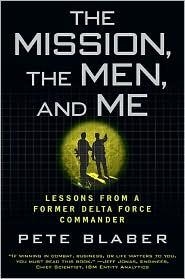
Blaber commanded Delta Force during the early years of the Afghanistan campaign and wrote the leadership philosophy that emerged from those operations. The framework is deceptively simple: understand the mission; understand the men executing it; understand the environment they are operating in; and in that order. What is unusual is the rigor with which Blaber applies this framework to specific operations, including the catastrophic planning failure at Takur Ghar that killed seven Americans. He does not protect the institution at the expense of the analysis. The lessons are transferable well beyond the special operations context.
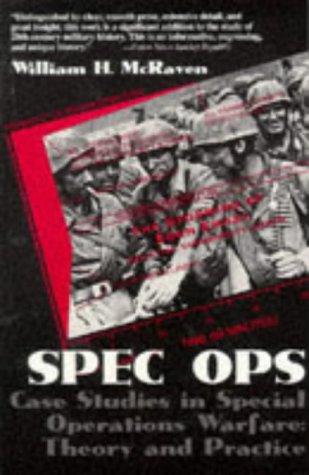
Before he ran JSOC and commanded the bin Laden raid, McRaven wrote a graduate thesis asking a simple question: why do small forces sometimes beat much larger ones? His answer — relative superiority, won through six principles and lost the moment surprise and speed run out — is worked through eight real raids, from Eben Emael to Entebbe. This is the closest thing to a public theory of special operations, written by the man who later got to test it at the highest possible stakes. Dry in places, because it's a thesis. Read it anyway. It's the skeleton key to every other book on this shelf.
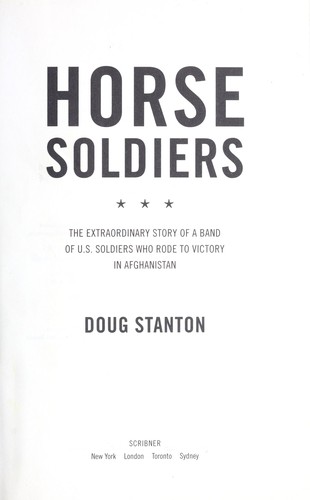
Twelve Special Forces soldiers in Afghanistan in October 2001, embedded with Northern Alliance forces and riding horses into Taliban positions while calling precision air strikes from B-52s overhead. ODA 595 was doing something that had not been done in American combat since the Indian Wars. Stanton embedded with survivors and reconstructed the campaign. The book is the definitive account of how a small unconventional force leveraged fifty years of SF doctrine — population engagement, by-with-and-through, direct action — to help collapse a government in weeks. Everything the Army had been told SOF could not do.
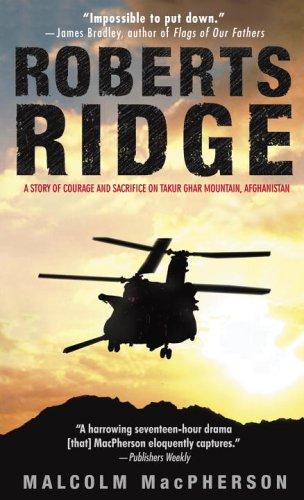
Takur Ghar, March 2002: a SEAL falls from a Chinook onto a mountaintop held by dug-in fighters, and the machine built to get him back grinds itself apart trying — a second helicopter shot up, a Ranger quick-reaction force inserted into the same guns, seven Americans dead by the end. MacPherson reconstructs the whole cascade: the comms failures, the compressed timelines, the decisions that looked reasonable in the dark at altitude. Read it alongside Alone at Dawn, which follows John Chapman through the same fight, and Not a Good Day to Die, which covers the operation around it. This is the honest anatomy of a rescue that cost more than it saved.
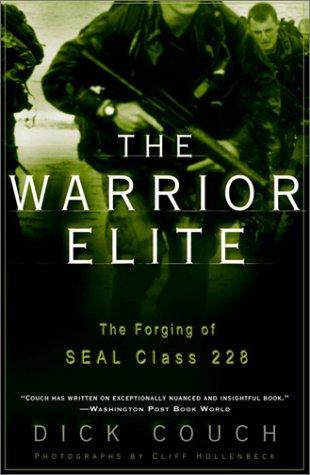
Couch — a SEAL who led a platoon in Vietnam — went back to Coronado and followed BUD/S Class 228 from day one through Hell Week and beyond, with access no journalist gets. The result is the sober, unglamorous answer to every YouTube montage: what the training actually selects for, who quits and when, and why the instructors are colder-blooded about attrition than any recruiter will ever admit to you. If you're thinking about the pipeline, read this before you talk to anyone wearing a Trident on a brochure. It's twenty years old now and the details have shifted; the selection logic hasn't moved an inch.
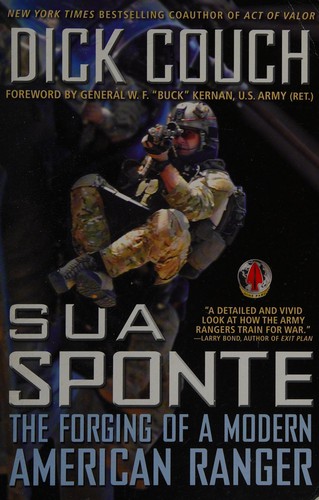
Couch did for the 75th Ranger Regiment what The Warrior Elite did for BUD/S: embedded with the assessment and selection pipeline and wrote down what it actually takes, minus the mythology. The useful part is how clearly the Regiment's culture comes through — a unit that treats standards as non-negotiable and seniority as irrelevant, where a tabbed E-5 will smoke anyone who coasts. If you're weighing an Option 40 contract against what your recruiter said about it, this is the closest you'll get to seeing the far end of the pipeline before you sign. Couch is respectful without being a cheerleader, which is the whole trick of writing well about elite units.
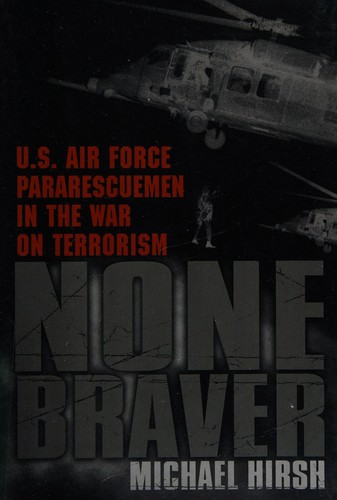
Pararescue is the special operations career field nobody makes movies about, because the job is jumping into the worst moment of someone else's mission to drag them out alive. Hirsh embedded with PJs in Afghanistan in the early GWOT years and wrote the field's definitive outside account: the training pipeline that washes out damn near everyone, the helicopter rides into fire that other units are actively fleeing, the motto — That Others May Live — that the rest of the military quotes and the PJs actually bill against. Pair it with Alone at Dawn for the combat controller side of AFSOC. The Air Force's quiet professionals, finally written down.
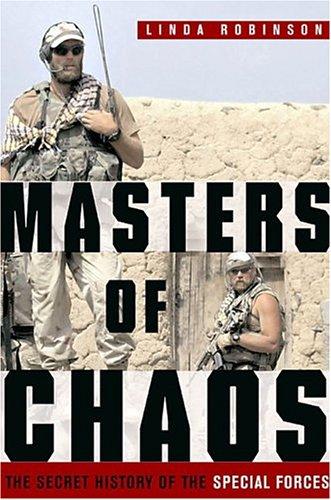
The most readable straight history of Army Special Forces you'll find — Robinson actually embedded with the ODAs instead of rewriting press releases. If you want to understand what Green Berets do between the Rambo scenes, start here.
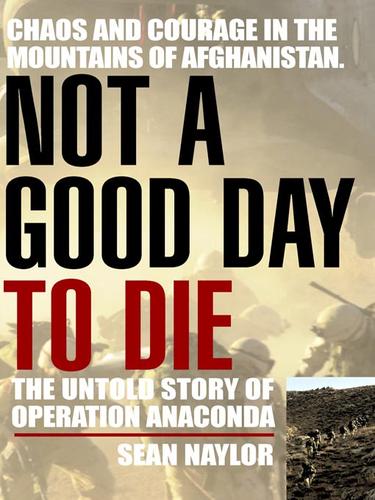
Operation Anaconda without the varnish — how the plan for the first big battle in Afghanistan fell apart on contact and good troops paid for it. A case study in what happens when intel, coordination, and altitude all fight you at once.
The unauthorized biography of JSOC the command absolutely did not want written. Naylor names names and connects operations most books won't touch — dense, sourced, and the closest thing to a real history of the tier-one units.
Plaster's inside history of MACV-SOG, the classified cross-border recon war in Laos and Cambodia. The direct ancestor of modern SOF, written by a man who ran the missions — indispensable and occasionally jaw-dropping.
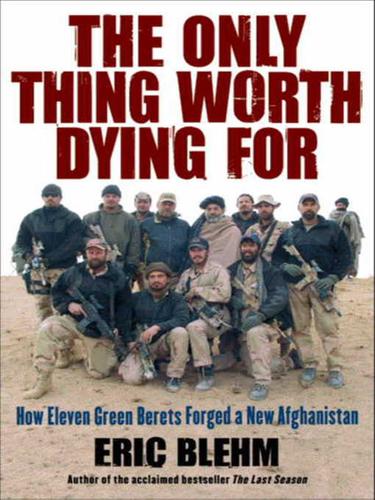
ODA 574's ride with Hamid Karzai in the opening weeks of the Afghan war — a dozen Green Berets and a satellite phone helping flip a country. The best look at what unconventional warfare actually is when it works, and how thin the margin was.
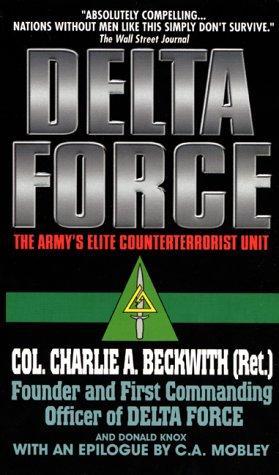
The founding document. Beckwith spent a year on exchange with the British SAS, came home convinced the Army needed its own version, and then spent the better part of two decades fighting the institution to build it — the bureaucratic knife-fighting takes up as many pages as anything tactical, and it's the best part. The book ends at Desert One, the burning wreckage of the Iran hostage rescue, which Beckwith commanded and never stopped owning. He was by most accounts a difficult, abrasive man, and the memoir doesn't hide it. Every Delta book that came after is standing on this one.

Bradley was a Special Forces captain leading an ODA into Operation Medusa in 2006, when NATO threw everything it had at the Taliban massing outside Kandahar City. What makes this one earn its slot is that it's actually about the job: working by, with, and through Afghan soldiers Bradley clearly respected, in a battle the coalition nearly lost. No superhero framing, no score-settling — just a company-grade officer's view of a genuinely desperate fight and the Afghans who stood in it with him. If you want to understand what Special Forces is for, as opposed to what the movies think it's for, start here.

O'Neill says he fired the shots that killed bin Laden. Parts of the community dispute how that night gets told, the command was furious anyone talked at all, and No Easy Day tells the same raid differently — read both and notice what that teaches you about eyewitness accounts of thirty chaotic seconds. Credit where due: O'Neill can actually write, the career that precedes Abbottabad — Mosul, the Maersk Alabama rescue window, four hundred-odd missions — is the better half of the book, and he's franker than most about what that operational tempo costs a family. A key document of the era, controversy included.
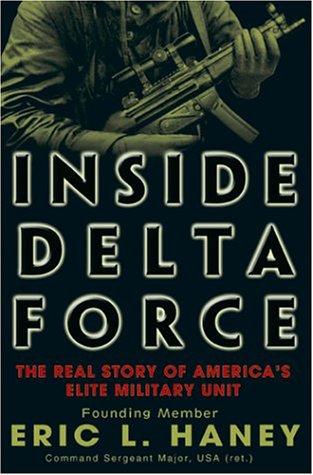
Haney was one of the original selection candidates for 1st SFOD-D and later a founding member of the unit. His memoir covers the selection philosophy, the training, and deployments including Desert One — the failed Iran hostage rescue in 1980. It is the most authoritative public account of Delta Force's early years: the culture that distinguished it from conventional units, the relationship between the operators and the command structure, and what happens when special operations fails at the strategic level because of decisions made nowhere near the target. The selection chapter alone is worth the book.
In April 1972, SEAL Tom Norris went behind enemy lines repeatedly to bring out two downed American airmen — the Bat 21 rescue. Six months later, Mike Thornton carried a shot-in-the-head Norris into the sea and swam him to safety under fire. Both got the Medal of Honor; Thornton's is the rare one awarded for saving another recipient's life. Couch, a SEAL himself, keeps the telling plain and lets the events do the work — which is exactly right, because events like these need no seasoning. On a shelf full of books about shooting people, this is the one about refusing to leave anyone behind. Dead serious, and worth it.
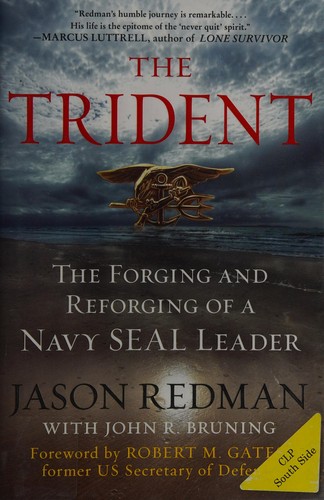
The first half of this book is something the genre almost never gives you: a SEAL officer honestly documenting his own failure of judgment in combat and the professional exile that followed. The second half is what happened after he clawed his way back — machine-gun rounds through the face and arm in Iraq in 2007, and the sign he hung on his hospital door at Bethesda telling visitors that pity was not welcome. That sign made him famous. The self-audit that precedes it is why the book matters. Most operator memoirs are about being right. This one is about being wrong, and what you do about it.
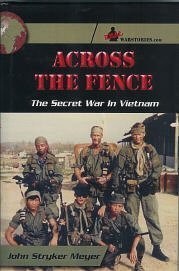
MACV-SOG ran recon teams into Laos and Cambodia during a war that officially never crossed the border — tiny elements, denied territory, casualty rates that units today would refuse to believe. Meyer ran those missions and writes about them the way the men who survived them talk: flat, specific, and without a gram of glamour, because there wasn't any. Helicopters that might not come back, indigenous teammates who died namelessly, missions the government wouldn't acknowledge for decades. Plaster's SOG gives you the program's history; this gives you the view from inside one recon team. The GWOT generation's secret wars had a grandfather. This was it.
The SEAL who was on the UBL raid wrote this under a pseudonym and was identified within forty-eight hours. Written before the lawyers could close in, in the flat professional tone of a man who found the death of Osama bin Laden to be, in the moment, somewhat anticlimactic. What it is actually like inside Naval Special Warfare Development Group, told without mythology, is worth the read regardless of your feelings about the legal controversy.
Webb's combat chapters are standard-issue for the genre. The reason this book is on the shelf is what he did afterward: helped rebuild the SEAL sniper course into the program that trained the generation of shooters everyone else on this shelf writes about. The sections on instruction — how you take a good shooter and build a sniper's mind, why the mental curriculum matters more than the ballistics — are genuinely rare territory, because instructors almost never write books. Read it as a document about teaching excellence rather than performing it. Webb went on to co-found a media company mining this genre, which you can weigh as you see fit.
Couch embedded with Army Special Forces Q-course candidates and documented the year-long training pipeline that produces Special Forces soldiers. From SFAS selection through the MOS qualification course and Robin Sage. The result is the most accurate account available of what Special Forces training is, why it is structured the way it is, and what kind of person survives it. The emphasis on language, culture, and unconventional warfare doctrine — the things that distinguish Special Forces from other SOF — is documented with the precision of someone who spent a year watching it happen.
Operation Red Wings, Afghanistan, June 2005. Four SEALs on a reconnaissance mission were compromised by goatherds. They made a vote on what to do. They chose wrong, or right, depending on how you measure. Three SEALs died. Luttrell survived with the help of a Pashtun village that applied the Pashtunwali code at considerable risk to themselves. The book is raw, angry, and does not attempt objectivity. Read it for what it is.
Chesney was Cairo's handler — the Belgian Malinois that went through the door on the bin Laden raid. The raid gets its chapter, but the book's real subject is quieter and harder: what a working dog actually does downrange, what it costs to send one ahead of you into a room, and what happened to Chesney afterward, when traumatic brain injury and grief hollowed him out and the dog that had cleared houses with him became the thing that kept him alive. The most honest pages any Team guy has written about the after — and he needed a dog to get there. Dead serious underneath the fur.
The founder of SEAL Team Six is also the most court-martialed officer in Navy history. He founded DEVGRU, was convicted of fraud related to a government contract, served a year in prison, and wrote this memoir without apparent remorse or retrospective editing. May not be entirely accurate — Marcinko's relationship with literal truth is creative. Absolutely worth reading, if only to understand the particular archetype of the warrior who is indispensable during war and catastrophic during peace.
The CIA team leader who went into Afghanistan first — weeks ahead of the SOF teams, with cash and a mission to link up with the Northern Alliance. The origin story of the whole campaign, straight from the man carrying the money.
The Delta ground commander's account of Tora Bora and the shot at bin Laden in 2001 that got away. Written under a pseudonym by someone who was there — take the self-justification with salt, but the tactical detail is the real thing.
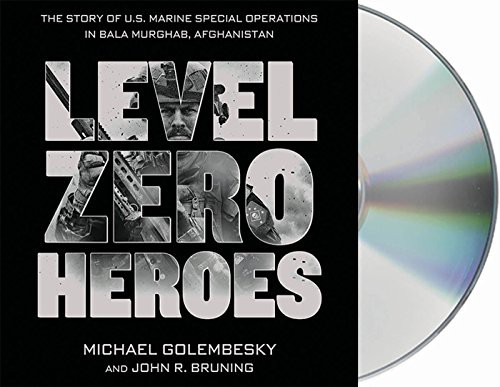
Marine Special Operations and the Air Force JTACs who called the fire in Bala Murghab, one of the ugliest fights nobody back home heard about. Golembesky writes the close-air-support war from the guy on the radio's seat. Technical, brutal, and loyal to the men who didn't come back.
Adam Brown's file should not exist. A drug addiction that put him in jail, a shattered dominant hand, a destroyed eye — any one of those ends a SEAL career, and he stacked all three on the way to SEAL Team SIX, teaching himself to shoot left-handed along the way. Blehm wrote this with Brown's family and teammates after he was killed in Afghanistan in 2010, and it shows: this is the rare operator book that spends more pages on the wife, the kids, and the wreckage of recovery than on the door-kicking. The genre sells supermen. This one is about a badly broken man who refused to stay that way, which is harder and worth more.
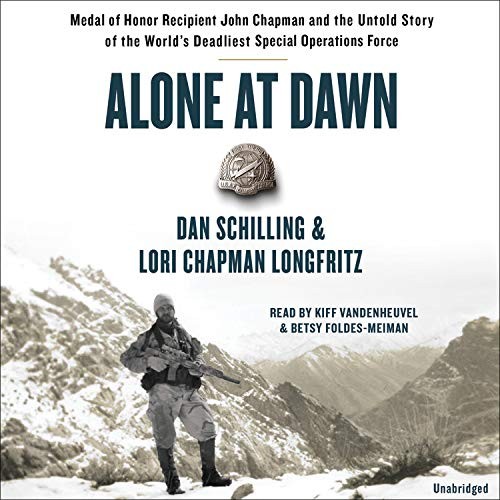
The story of Combat Controller John Chapman, who fought alone against an enemy assault on Takur Ghar and earned a posthumous Medal of Honor — the reconstruction from surveillance footage is harrowing. This is the AFSOC ethos on the page, no gloss required. If you wear the beret or want to understand the people who do, read it.