Recommended Reading
The USSOCOM recommended reading list develops the intellectual foundation of the special operations professional: unconventional warfare theory, small-team leadership, the history of special operations from the OSS through JSOC, and the strategic thinking required to operate in complex, ambiguous environments with limited resources and no margin for institutional error. Special operations forces are the military's most expensive per-capita investment. The reading list reflects what it takes to justify that investment.
Buy links go to Bookshop.org (which supports independent bookstores) and Amazon. Some are affiliate links — if you buy, we earn a small commission at no extra cost to you. As an Amazon Associate we earn from qualifying purchases. It never affects which books are on this list or how we describe them. How this works.
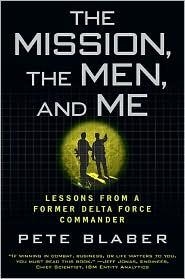
Blaber commanded Delta Force during the early years of the Afghanistan campaign and wrote the leadership philosophy that emerged from those operations. The framework is deceptively simple: understand the mission; understand the men executing it; understand the environment they are operating in; and in that order. What is unusual is the rigor with which Blaber applies this framework to specific operations, including the catastrophic planning failure at Takur Ghar that killed seven Americans. He does not protect the institution at the expense of the analysis. The lessons are transferable well beyond the special operations context.
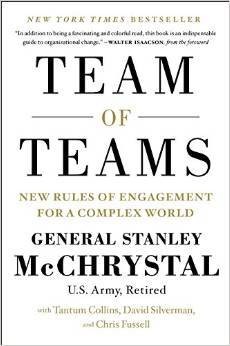
McChrystal commanded JSOC in Iraq and discovered that his organization — optimized for industrial-era warfare — was losing to a network. Al-Qaeda in Iraq was distributed, adaptable, and self-organizing. JSOC was a hierarchical machine built for efficiency. McChrystal had to break his own organization and rebuild it as a network: shared consciousness, distributed authority, persistent information flow. The result is both a memoir of that transformation and a theory of leadership in complex environments. The most practically useful leadership book written by a senior military commander since Slim's Defeat into Victory. The framework transfers.
Kilcullen served as a senior advisor in Iraq and Afghanistan and wrote the most operationally grounded critique of counterinsurgency strategy available. His argument: that most people who take up arms against coalition forces are not ideological enemies — they are local people responding to the presence of foreign soldiers in their communities, recruited by a core of committed insurgents who exploit the accidental guerrilla syndrome. The prescription: distinguish between the core insurgents and the accidental guerrillas and fight them differently. The framework that shaped the surge in Iraq.
Taleb's argument that systems are not simply robust (unchanged by stress) or fragile (broken by stress) but can be antifragile (strengthened by stress) is the theoretical framework for thinking about how special operations forces should be organized and employed. The operational implication: small, decentralized units that adapt faster than the environment changes are antifragile; large, hierarchical organizations that require predictable conditions to function are fragile. Taleb's analysis of why fragile systems always underestimate tail risk — the events that seem unlikely but are actually certain over long enough timescales — is directly applicable to strategic surprise. On the SOCOM reading list.
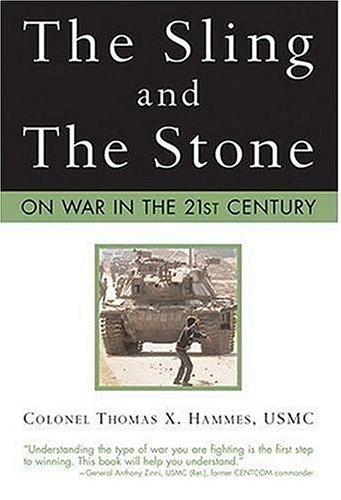
Hammes's fourth-generation-warfare argument: your enemy doesn't need to beat your military, just your will. Wonky and repetitive in spots, but it reframed how a generation of SOF thought about insurgency.
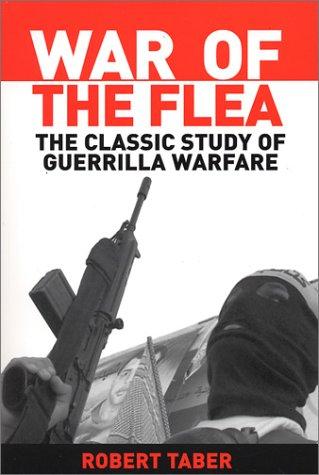
The 1965 classic on guerrilla war told from the guerrilla's side — the flea that bleeds the dog to death. Old, but it explains why the strongest army keeps losing to the weakest enemy better than most things written since.
Twelve Special Forces soldiers in Afghanistan in October 2001, embedded with Northern Alliance forces and riding horses into Taliban positions while calling precision air strikes from B-52s overhead. ODA 595 was doing something that had not been done in American combat since the Indian Wars. Stanton embedded with survivors and reconstructed the campaign. The book is the definitive account of how a small unconventional force leveraged fifty years of SF doctrine — population engagement, by-with-and-through, direct action — to help collapse a government in weeks. Everything the Army had been told SOF could not do.
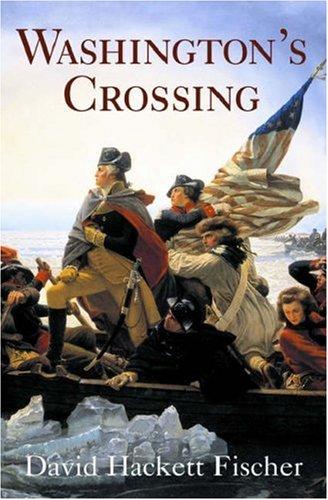
Fischer reconstructed the Trenton-Princeton campaign of December 1776 through January 1777 — the two weeks that kept the American Revolution alive — from diaries, letters, and Hessian military records. His account of Washington's decision to cross the Delaware on Christmas night and attack Trenton is the original American case study in operational audacity under conditions of strategic collapse. Fischer won the Pulitzer Prize and wrote a book that is simultaneously rigorous military history and a study of how moral authority, organizational competence, and calculated risk interact in decisive military action. On the SOCOM reading list.
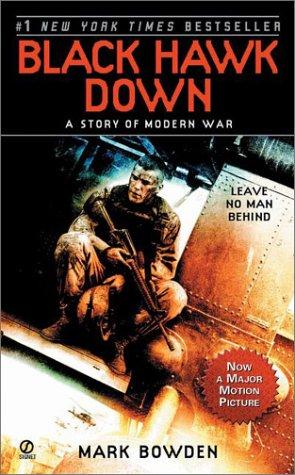
Eighteen Americans killed in Mogadishu in October 1993. Bowden reconstructed the battle from hundreds of interviews and showed what happens when the squad-level execution is perfect and the strategic logic is absent. Everything the Rangers and Delta did was tactically correct. Everything above battalion was a mess. Read it to understand how those two things can be simultaneously true.
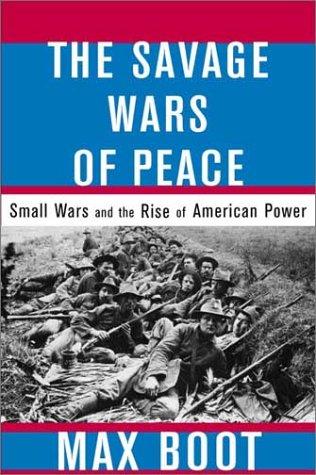
Boot's history of American small wars — from the Barbary pirates through the Philippines insurrection through Nicaragua and Haiti — makes the argument that unconventional conflict is not a modern aberration but America's default mode of military engagement. The United States has fought one major conventional war against a peer competitor and dozens of small wars, expeditions, and counterinsurgencies, most of which are forgotten except by military historians. The book is essential background for understanding why FM 3-24 was not a new idea in 2006, and why the institutional tendency to treat counterinsurgency as a temporary detour from real war is both historically illiterate and operationally dangerous. On the CGSC core reading list because Leavenworth has been trying to teach this lesson for decades.
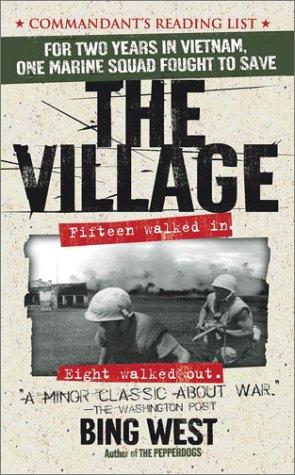
Combined Action Platoons in Vietnam. Marines embedded in Vietnamese villages to live, eat, sleep, and fight alongside the people they were protecting. It worked tactically and by most measures strategically. The MACV command never wanted to scale it because it threatened the conventional force structure's dominance. West watched an idea that worked get deliberately abandoned. He has not forgotten it. This book is why.
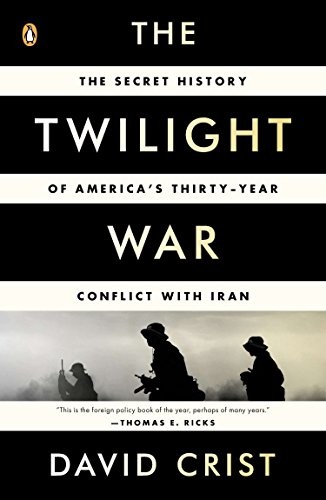
Crist is a Marine officer and historian who spent years in the Joint History Office documenting the thirty-year covert conflict between the United States and Iran from 1979 through the Obama administration. His account — drawn from classified documents, hundreds of interviews, and operational records — covers the tanker war, the destruction of the Iranian navy in 1988, the hostage crises, and the proxy conflicts through Lebanon, Iraq, and Afghanistan. The book is the most complete available account of what sustained gray-zone competition with a regional power looks like over decades. On the SOCOM reading list because most of that competition was conducted by special operations forces.
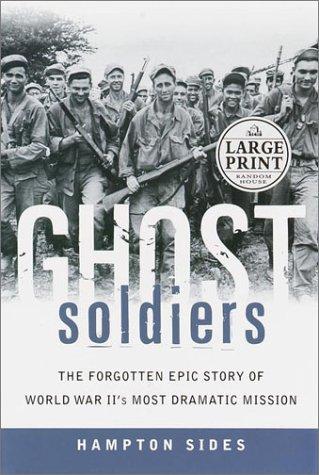
The Bataan Death March survivors, Cabanatuan prison camp, and the Army Ranger raid that rescued them in January 1945. One hundred and twenty-one Rangers, Alamo Scouts, and Filipino guerrillas executed a thirty-mile infiltration behind Japanese lines to rescue 513 POWs in the last stages of starvation. The planning, the execution, and the reception of the rescued men are all equally compelling. Nobody talked about it for forty years.
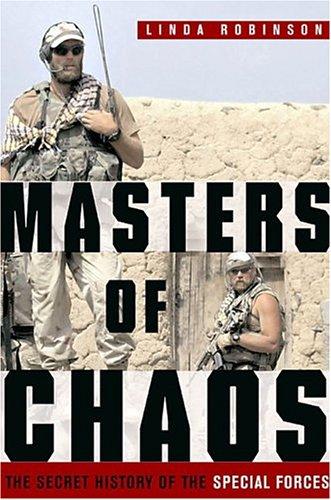
The most readable straight history of Army Special Forces you'll find — Robinson actually embedded with the ODAs instead of rewriting press releases. If you want to understand what Green Berets do between the Rambo scenes, start here.
The unauthorized biography of JSOC the command absolutely did not want written. Naylor names names and connects operations most books won't touch — dense, sourced, and the closest thing to a real history of the tier-one units.
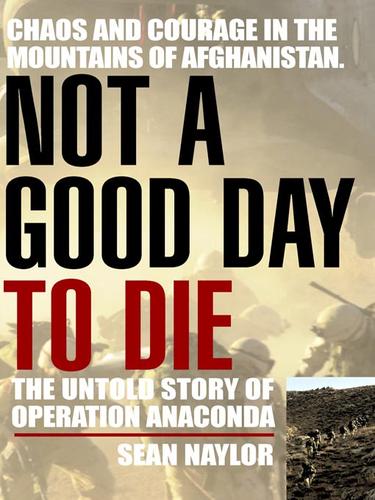
Operation Anaconda without the varnish — how the plan for the first big battle in Afghanistan fell apart on contact and good troops paid for it. A case study in what happens when intel, coordination, and altitude all fight you at once.
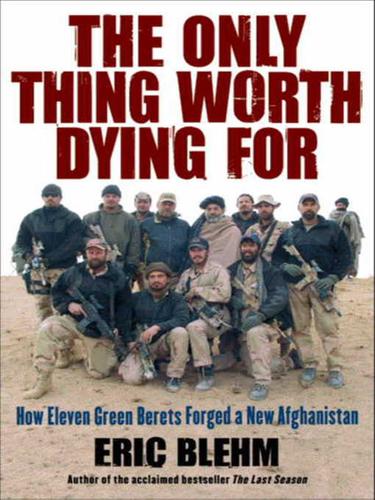
ODA 574's ride with Hamid Karzai in the opening weeks of the Afghan war — a dozen Green Berets and a satellite phone helping flip a country. The best look at what unconventional warfare actually is when it works, and how thin the margin was.
Fall watched France lose Indochina and wrote the book America should have read before Vietnam and didn't. The definitive study of how a Western army gets ground down in a war it doesn't understand — still assigned for a reason.

Jim Gant's "one tribe at a time" COIN doctrine and the career it burned down. A cautionary tale about going fully native — it worked tactically and it ended him professionally. Read it alongside the official version, not instead of it.
Plaster's inside history of MACV-SOG, the classified cross-border recon war in Laos and Cambodia. The direct ancestor of modern SOF, written by a man who ran the missions — indispensable and occasionally jaw-dropping.
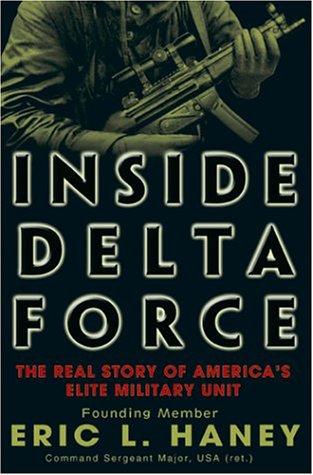
Haney was one of the original selection candidates for 1st SFOD-D and later a founding member of the unit. His memoir covers the selection philosophy, the training, and deployments including Desert One — the failed Iran hostage rescue in 1980. It is the most authoritative public account of Delta Force's early years: the culture that distinguished it from conventional units, the relationship between the operators and the command structure, and what happens when special operations fails at the strategic level because of decisions made nowhere near the target. The selection chapter alone is worth the book.
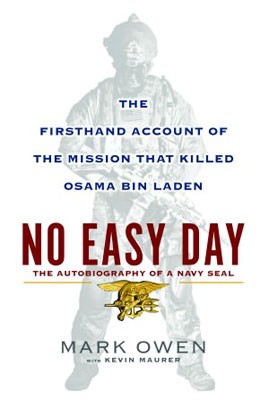
The SEAL who was on the UBL raid wrote this under a pseudonym and was identified within forty-eight hours. Written before the lawyers could close in, in the flat professional tone of a man who found the death of Osama bin Laden to be, in the moment, somewhat anticlimactic. What it is actually like inside Naval Special Warfare Development Group, told without mythology, is worth the read regardless of your feelings about the legal controversy.
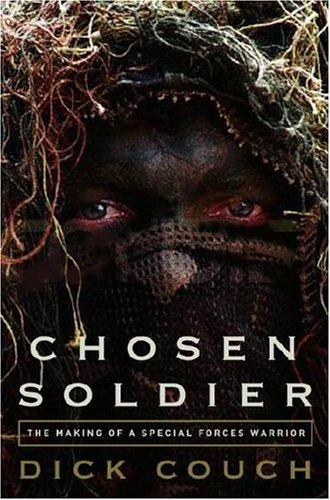
Couch embedded with Army Special Forces Q-course candidates and documented the year-long training pipeline that produces Special Forces soldiers. From SFAS selection through the MOS qualification course and Robin Sage. The result is the most accurate account available of what Special Forces training is, why it is structured the way it is, and what kind of person survives it. The emphasis on language, culture, and unconventional warfare doctrine — the things that distinguish Special Forces from other SOF — is documented with the precision of someone who spent a year watching it happen.
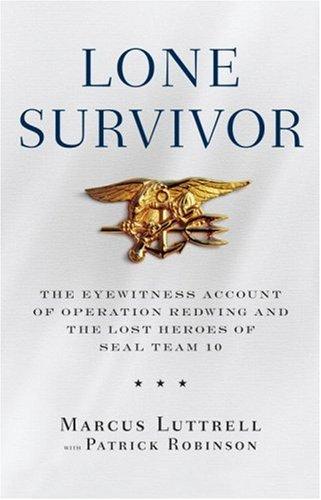
Operation Red Wings, Afghanistan, June 2005. Four SEALs on a reconnaissance mission were compromised by goatherds. They made a vote on what to do. They chose wrong, or right, depending on how you measure. Three SEALs died. Luttrell survived with the help of a Pashtun village that applied the Pashtunwali code at considerable risk to themselves. The book is raw, angry, and does not attempt objectivity. Read it for what it is.
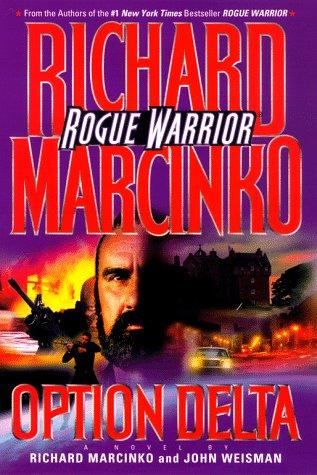
The founder of SEAL Team Six is also the most court-martialed officer in Navy history. He founded DEVGRU, was convicted of fraud related to a government contract, served a year in prison, and wrote this memoir without apparent remorse or retrospective editing. May not be entirely accurate — Marcinko's relationship with literal truth is creative. Absolutely worth reading, if only to understand the particular archetype of the warrior who is indispensable during war and catastrophic during peace.
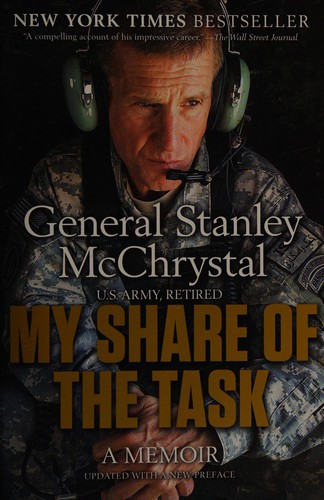
McChrystal's own account of building the JSOC machine that took apart AQI in Iraq. Read it for the network-hunting doctrine that became Team of Teams, and take the parts where he manages his own reputation with a little salt.
The Delta ground commander's account of Tora Bora and the shot at bin Laden in 2001 that got away. Written under a pseudonym by someone who was there — take the self-justification with salt, but the tactical detail is the real thing.
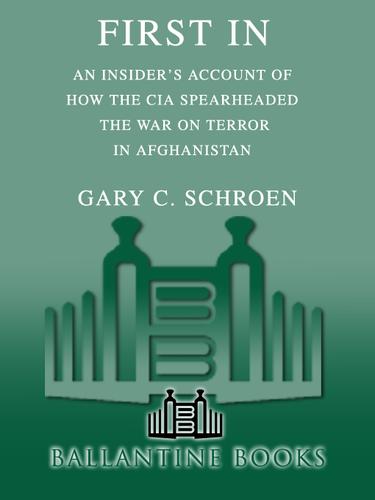
The CIA team leader who went into Afghanistan first — weeks ahead of the SOF teams, with cash and a mission to link up with the Northern Alliance. The origin story of the whole campaign, straight from the man carrying the money.
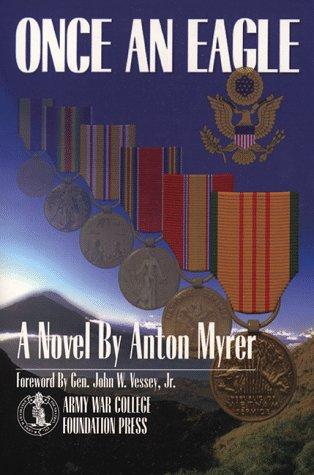
The Army's unofficial scripture, though every branch recognizes the type. Two officers, two wars, two completely different answers to the question of what kind of officer you want to be. The fact that Courtney Massengale keeps getting promoted should tell you everything you need to know about how institutions work. Sam Damon is who you want to be. Massengale is who gets the star.
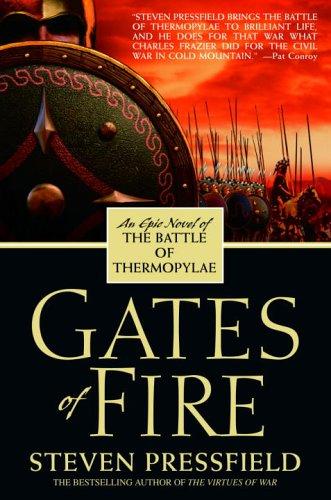
Three hundred Spartans at Thermopylae, told from the perspective of the sole survivor — a body servant, not a warrior, which turns out to be the better vantage point. Pressfield researched the Spartan military culture to uncomfortable depth and then wrote a novel that makes you feel the weight of their shields. Assigned reading at West Point, Annapolis, and every leadership course that wants to look like it takes things seriously. There is a reason.
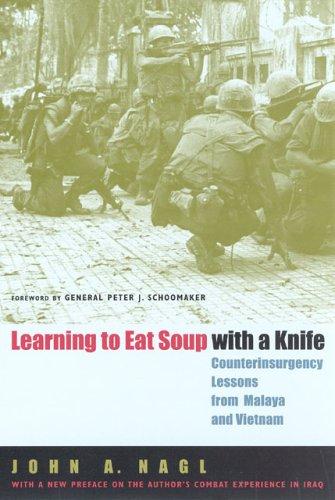
Nagl's doctoral dissertation compared the British Army's adaptation to insurgency in Malaya with the U.S. Army's failure to adapt in Vietnam, and published it in 2002 — one year before the Iraq War. His central argument: that military organizations are or are not institutional learning organizations, and that the difference determines whether they can adapt to insurgencies that their doctrine was not designed to fight. The Malaya counterinsurgency and Vietnam counterinsurgency are studied in parallel throughout. The book shaped the doctrine and the authors of FM 3-24 which the Army published four years later.
Galula served as a French Army officer during the Algerian War and wrote this analysis in 1964. His framework — insurgency is a competition for the support of the population, which is won or lost at the local level through security, governance, and development, in that order — became the theoretical backbone of FM 3-24 and the doctrine that governed American strategy in Iraq and Afghanistan. Galula is the Clausewitz of counterinsurgency: the theorist who derived principles from experience rather than imposing principles on it. Still the essential text for anyone involved in irregular warfare.
The French colonel's cold, systematic manual on counterinsurgency, torture chapter and all. Uncomfortable and dated, but it's a primary source in the COIN canon and worth reading precisely because it doesn't flinch from the ugly logic.
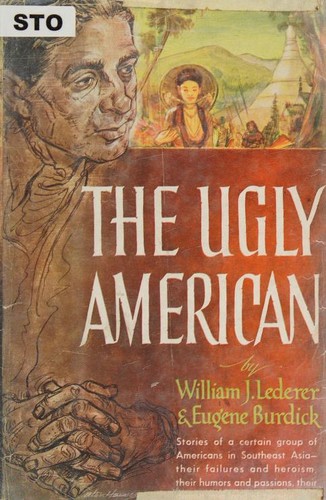
A novel published in 1958 that shredded American foreign policy in Southeast Asia before Vietnam made the critique self-evident. The contrast between the ugly American who lives in the embassy compound and the quiet engineer who actually understands the culture he is working in is the heart of the book. It went onto the CJCS list because the critique remains accurate across every generation that has tried to export American values through institutions that do not understand the societies they are operating in. Short. Devastating. Perpetually relevant.