Military Sci-Fi
Military science fiction is the genre where the profession argues with itself in disguise — about conscription, about what technology does to the infantry, about whether war changes when the enemy isn't human. This shelf runs the canon from the foundational arguments (Heinlein said one thing, Haldeman spent a whole book telling him he was wrong) through the fleet epics and drop-pod grinders that fill barracks bookshelves today. The test for making the shelf: the author has to get soldiers right, even when the soldiers are on a starship. Plenty of sci-fi has lasers; the good stuff has NCOs.
Buy links go to Bookshop.org (which supports independent bookstores) and Amazon. Some are affiliate links — if you buy, we earn a small commission at no extra cost to you. As an Amazon Associate we earn from qualifying purchases. It never affects which books are on this list or how we describe them. How this works.
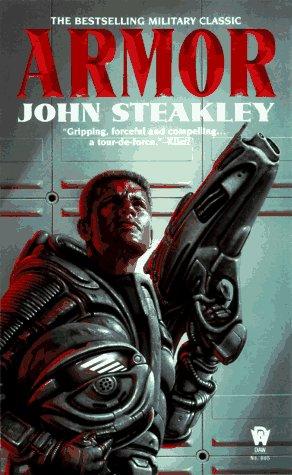
Felix wears the best powered armor humanity can build, and it does absolutely nothing for the part of him that keeps getting dropped onto a planet full of things that want him dead. Steakley's one great war novel is about the trick every grunt learns eventually: the person who fights isn't quite you. Felix calls his 'the Engine.' The middle section wanders off with a different protagonist and you'll wonder why — stay with it. The drop sequences are still the standard everyone else's powered-armor scenes get graded against. Heinlein built the suit; Steakley told you what it costs to live in one.

Drake rode with the 11th Armored Cavalry in Vietnam and Cambodia, came home, and wrote about a future tank regiment the way a man writes about things he actually saw. The Slammers stories are not adventures. They're about what armored warfare does to the people inside the vehicles and the civilians outside them, told with zero editorializing — Drake trusts you to notice the horror without a narrator pointing at it. Some readers mistake that restraint for endorsement. It isn't. This is the coldest, most honest mercenary fiction in the genre, and every author writing 'gritty' military SF since owes him royalties.
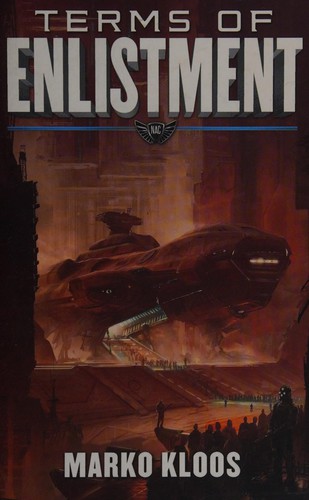
Andrew Grayson enlists to get out of a welfare tenement, which is the most honest recruiting motivation in all of military SF — nobody in this book joins for the brochure. Kloos served in the German Bundeswehr, and it shows in the details everybody else skips: the boredom, the paperwork, the way your first duty station is never the one you wanted. Then the aliens show up and the series shifts gears without losing the grunt's-eye view. Frontlines is the rare indie-to-bestseller story that earned it on craft. Start here; the series stays good longer than most.
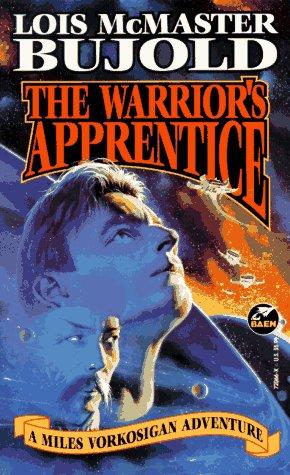
Miles Vorkosigan washes out of the academy on day one — brittle bones, failed the physical — and then accidentally acquires a mercenary fleet through what can only be described as weaponized confidence and escalating fraud. Bujold understands something most military SF authors don't: leadership is a con you run on yourself first. Miles bluffs, improvises, and outruns the consequences of his own promises, and underneath the comedy is a dead-serious study of what command actually is. The Vorkosigan saga goes on to win a shelf of Hugos. This is where the military thread starts, and it's still the most fun.
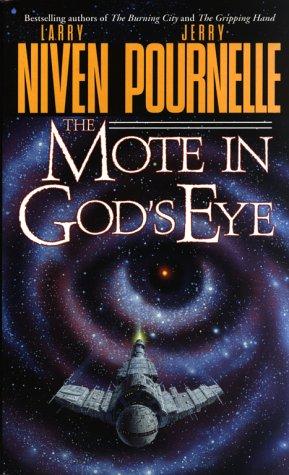
First contact, run by a navy — which changes everything, because navies have rules of engagement and chains of command and officers who have to make calls with incomplete information while their government second-guesses them from thirty light-years away. The Moties are still one of the best-constructed alien species in the genre, and the horror of what they're hiding lands harder because the humans discovering it are professionals operating under orders, not plucky adventurers. The shipboard culture aboard INSS MacArthur reads like the Royal Navy went interstellar, which is exactly what Pournelle intended. Long, talky in places, and worth every page.
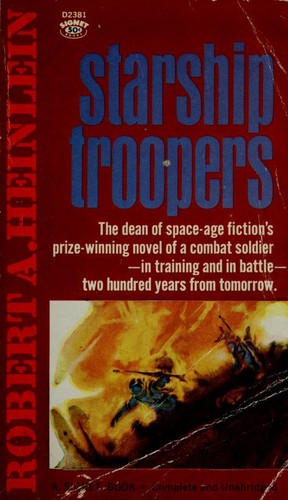
The novel that invented powered infantry combat armor and launched a thousand arguments about civic virtue, military service, and who earns the right to vote. Heinlein was a Naval Academy graduate and wrote his politics directly into a science fiction novel that reads, at times, like a philosophical treatise on the relationship between service and citizenship. You do not have to agree with his conclusions to profit from the argument. The film is something else entirely. Read the book.
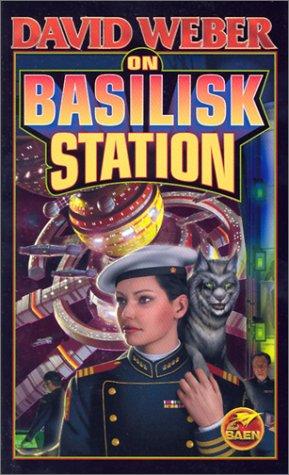
Honor Harrington gets handed a garbage assignment on a backwater picket station because she embarrassed the wrong senior officer in a wargame — a career event every O-3 who ever briefed truthfully will recognize instantly. Weber's pitch is Horatio Hornblower in space, and he delivers: broadside naval tactics translated to missile duels, a crew that has to be rebuilt from a morale crater, and an enemy probing exactly where the coverage is thinnest. Yes, Weber will explain the physics of his missiles at length. Skim if you must. The command decisions, and the prices paid for them, are the real cargo.
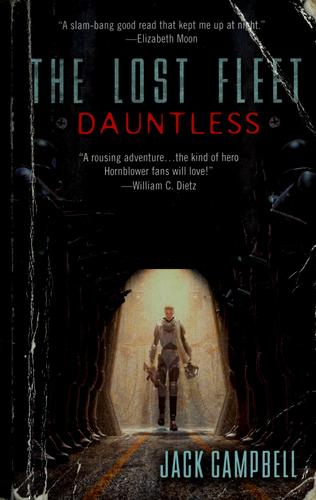
Jack Campbell is the pen name of John G. Hemry, a retired U.S. Navy officer, and The Lost Fleet is what happens when someone who actually stood watch writes a fleet-action series. Captain 'Black Jack' Geary wakes from a century in survival hibernation to find he's become a legend — and that a hundred years of attrition warfare has burned all the professionalism out of the fleet he has to lead home. The series' quiet thesis is that discipline, formation tactics, and not throwing your ships away are what separate a navy from an armed mob. Relativistic combat that actually respects light-lag. Compulsively readable.
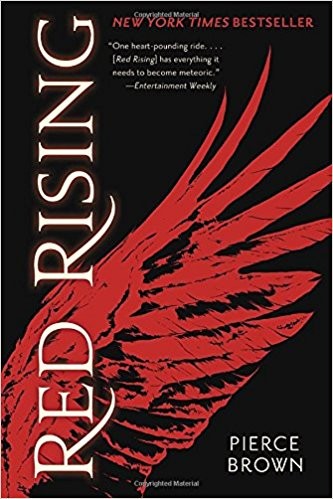
Darrow is a helldiver — a miner beneath the surface of Mars, told his labor is terraforming humanity's future. It's a lie, and what he does about it involves infiltrating the ruling caste through their war academy, where the curriculum is a live-fire siege campaign with no safety officer. The first book is The Count of Monte Cristo wearing Ender's Game's uniform; the sequels grow into genuine large-scale military fiction, with fleet actions and the logistics of revolution. Brown writes momentum better than almost anyone working. The prose occasionally flexes too hard. You will not care at two in the morning.
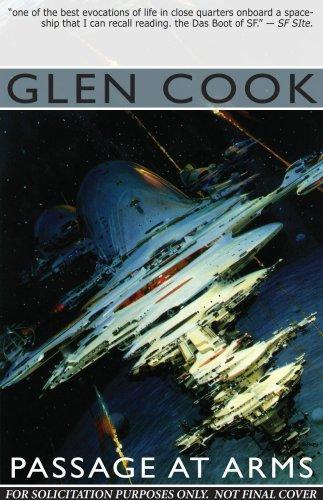
Das Boot in space, and that description undersells it. Cook — a Navy veteran better known for The Black Company — puts you aboard a Climber, a claustrophobic little warship that hides in an alternate space where the crew slowly cooks in their own heat and fear while an enemy navy hunts them. No heroics, no clean victories: just patrol after patrol, the math of survival getting worse, and a crew holding itself together with routine and gallows humor. It's the best submarine novel the genre ever produced, and it happens to be set in space. Criminally under-read.
Corporate states run the war, and troops deploy by being converted to light and beamed to the drop zone. Dietz starts coming back from drops out of order — experiencing the war shuffled, which means knowing how battles end before anyone fights them. Hurley writes the grunt experience with real venom: the propaganda briefings, the casualty math nobody says out loud, the way the people who own the war never bleed in it. It's the angriest book on this shelf, a direct descendant of The Forever War with the anti-corporate dial turned to eleven. The time-loop structure demands attention. It pays out.
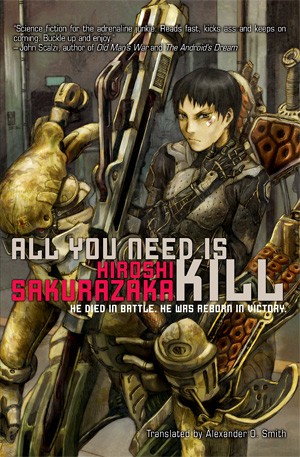
Keiji Kiriya dies in his first battle. Then he wakes up the morning before it and dies again. The loop is the training program from hell: the only way out is to get good, one death at a time, which makes this the purest distillation of 'sets and reps' ever put in a war novel. Sakurazaka's Japanese light novel became the Tom Cruise film Edge of Tomorrow, and the book is leaner and meaner than the movie — the ending in particular doesn't flinch where Hollywood did. Short, brutal, and smarter about what repetition does to a soldier than books three times its length.

Singer is the Pentagon's most-cited defense researcher; Cole is a former Navy intelligence officer. Their novel about a near-future U.S.-China war over Hawaii — fought with autonomous weapons, satellite-blinded aircraft, microchip-compromised weapons systems, and cyber-enabled insurgency — is explicitly designed as a policy argument in narrative form. Every technology in the book either exists or is in development; the footnotes at the back cite the actual defense programs. The Indo-Pacific Command reads it as a planning document disguised as fiction: the scenarios Singer and Cole describe — a surprise attack on INDOPACOM, the U.S. forced to fight with degraded networks and compromised supply chains — are the scenarios INDOPACOM wargames. The most operationally useful work of military fiction published since Red Storm Rising.
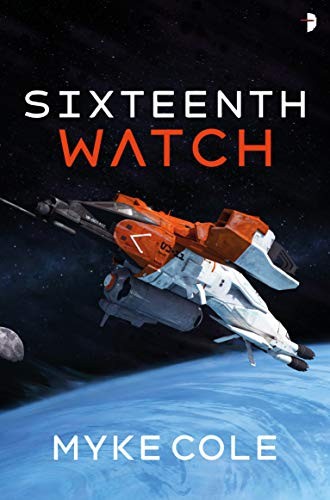
The only military SF novel about the Coast Guard, written by an author who served in it. Jane Oliveira commands search-and-rescue on the moon, where US and Chinese helium-3 miners keep colliding and every incident is one bad boarding away from starting the first lunar war. Cole's argument is one the Coast Guard has been making for two centuries: sometimes the most important military skill is de-escalation, and the service that polices, rescues, and interdicts is doing harder work than the one that shoots. Boarding actions in vacuum, inter-service politics, and a middle-aged professional protagonist with a family — a rarity the genre needed.
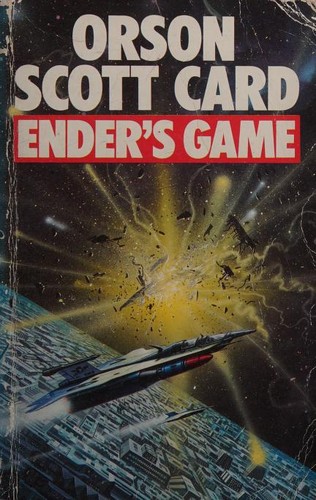
On the official Air Force reading list and with good reason. A child prodigy trained in a military school in orbit to command a war he does not fully understand. The twist still lands on readers who know it is coming. The questions about leadership, simulation versus reality, and the moral weight of orders given without full information do not resolve — they deepen. The last chapter has caused more thoughtful discomfort among officers than most required reading combined.
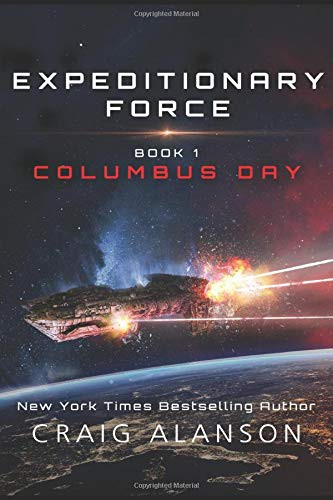
Aliens hit Earth on Columbus Day, humanity gets 'rescued' by a different set of aliens, and Sergeant Joe Bishop ships out to fight in someone else's war — which is when he finds an ancient AI in the shape of a beer can, with godlike power and the personality of the worst barracks lawyer you ever met. Expeditionary Force became an enormous audiobook franchise for a reason: the Joe-and-Skippy banter is genuinely funny, and underneath it is a surprisingly clear-eyed take on being the expendable infantry of a patron species that doesn't rate you. Nineteen-plus books deep. This is the on-ramp.
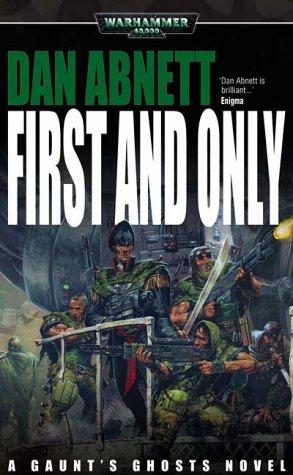
Warhammer 40,000 tie-in fiction has a reputation. Abnett is the reason to ignore it. The Tanith First-and-Only are light infantry whose homeworld burned the day they mustered — a regiment with no home to rotate back to, led by a commissar who actually earns his men's loyalty instead of shooting his way to it. Abnett writes the Imperial Guard as WWI-meets-WWII infantry in a nightmare future: trench assaults, incompetent generals spending other people's regiments, and small-unit loyalty as the only thing that holds. Gaunt's Ghosts runs long as a series, and stays remarkably good. Sharpe's Rifles in space, played straight.
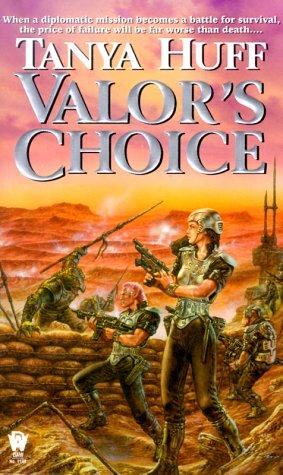
Staff Sergeant Torin Kerr is the best senior NCO in military science fiction, full stop. Her platoon gets pulled off a well-earned leave for a 'ceremonial' escort mission — honor guard duty for a diplomatic contact — and any Marine reading those words already knows the mission is about to go sideways in the worst available way. The climax is a thinly veiled retelling of a famous colonial last stand, and Huff paces it beautifully. What makes the book, though, is the texture in between: Kerr managing officers, managing troops, and doing the invisible NCO work that actually keeps a unit alive.
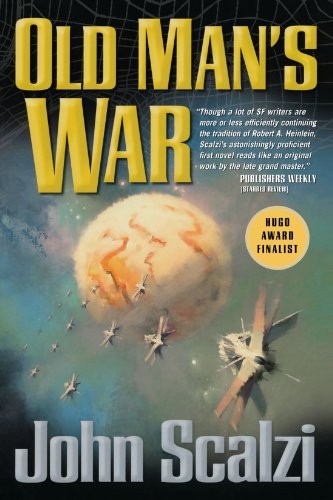
Scalzi's novel about a future military that recruits seventy-five-year-olds — people who have lived full civilian lives — and puts them in young cloned bodies to fight alien species in deep space. The military structure, the training, the unit cohesion, and the moral questions about what societies ask of their soldiers are treated with the seriousness that the best military fiction brings to them. The Space Force reading list has included science fiction as a way of developing the imaginative capacity to think about a domain that current doctrine has barely begun to address. Scalzi's novel is the best modern example of science fiction thinking seriously about military service.
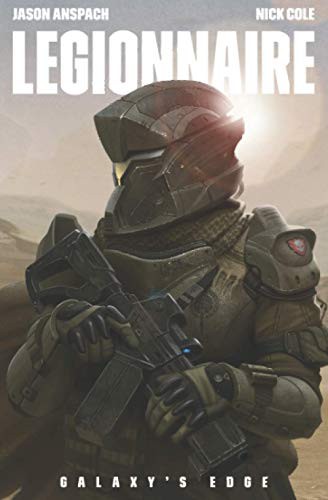
Galaxy's Edge started as two guys asking what Star Wars would look like if the stormtroopers could shoot and somebody wrote the infantry honestly. Legionnaire is a single extended engagement: a leej detachment on a nowhere planet, a diplomatic mission gone wrong, and points appointed over them — political officers with rank they didn't earn — making tactical decisions that get troops killed. Cole is an Army veteran, and the book's rage at careerist leadership is the authentic article. The series sprawls into full space opera later; this first entry is tight, violent, and about competence versus connections. KTF, as the leejes say.
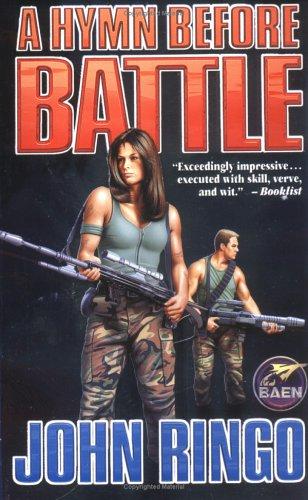
Galactic patrons show up with advanced tech and a job offer: an implacable alien horde is eating its way toward Earth, and humanity's militaries are the only ones for the fight. Ringo, a former paratrooper, opens the Posleen War series with the scramble every mobilization actually is — recalled reservists, gear that doesn't work as briefed, allied 'assistance' with its own agenda, and lieutenants learning on the job at scale. The combat, when it lands, is relentless. Ringo's politics run hot and his later books wear it louder; this one keeps the focus on soldiers coping with a war nobody's doctrine anticipated. Baen's bread and butter, done well.
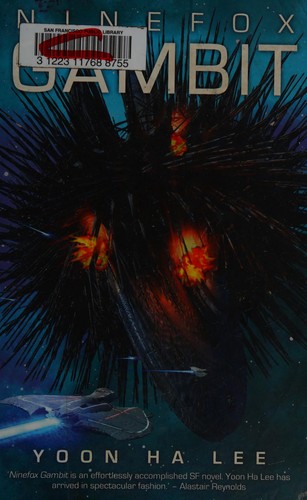
Captain Kel Cheris is assigned to retake an impregnable fortress, and her issued weapon is a dead general — the ghost of the hexarchate's greatest tactician, who won every battle he ever fought and massacred his own troops at one of them. Nobody knows why, including him, and he lives in her head now. Lee's setting runs on 'calendrical' warfare, where consensus belief literally powers weapons, which sounds like fantasy math until you notice it's a sharpened metaphor for ideology and doctrine. The siege is meticulous, the trust problem at the center is the real battlefield, and the ending recontextualizes everything. Dense. Rewards the effort.
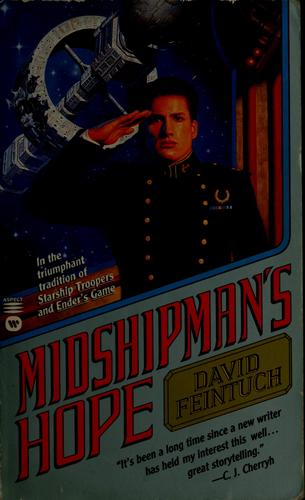
A chain-of-command story taken to its logical extreme: a cascade of deaths leaves seventeen-year-old Midshipman Nicholas Seafort the senior line officer of a colonial transport, years from home, bound by a naval code he believes in with religious literalism. Feintuch ports Age of Sail discipline — the real kind, hangings included — into interstellar space, then asks what command does to a conscientious kid who can never forgive himself for the calls the job forces. Seafort's self-loathing grates on some readers; it's also the point. The Seafort Saga is Hornblower's guilt-ridden younger brother, and this first book is its strongest.
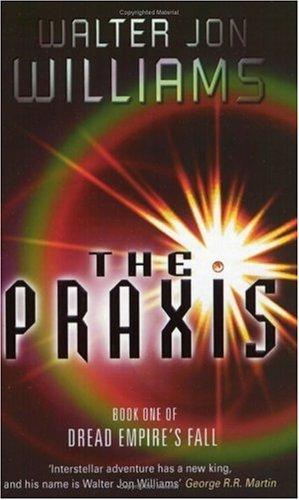
The alien empire that conquered humanity is dying of old age, and its fleet — a ceremonial institution that hasn't fought a real war in millennia — is about to discover the difference between parade-ground seamanship and combat. Williams follows two junior officers, Martinez and Sula, who are good at war in a service that promotes for birth and connections, which makes this the rare space opera that's really about institutional rot. The physics is honest: engagements are decided by vectors committed to hours earlier, and courage means burning hard at the right moment. Dread Empire's Fall is criminally underrated. Start here.
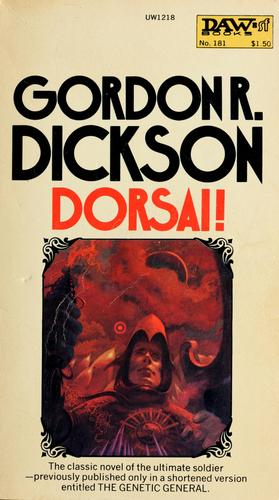
One of the founding documents of military science fiction. The Dorsai are a poor world whose export is soldiers — the best mercenaries in human space, hired out to fight the wars of richer planets. Donal Graeme is their strangest son, a tactical intuition wearing a uniform, and the book follows his climb from junior officer to something the interstellar order has no category for. Dickson planned it as part of a sprawling philosophical cycle about human evolution; the ambition shows. Read it for the campaigns and the template: Hammer's Slammers, the Vorkosigans, and half of Baen's catalog descend from this book. A product of 1959, and it reads like one — but the DNA is everywhere.
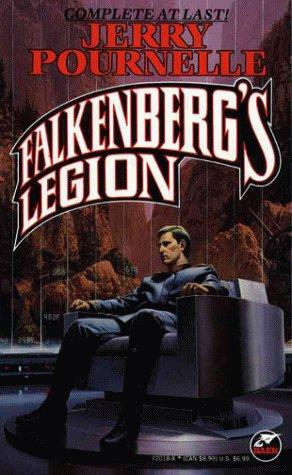
The CoDominium is pulling out of its colonies, and Colonel John Christian Falkenberg's mercenary regiment works the collapsing frontier — hired to hold together planets the great powers are abandoning. Pournelle, a Korean War-era Army veteran turned defense analyst, writes counterinsurgency, garrison politics, and the ugly arithmetic of intervention with a wonk's precision; these are less battle stories than studies in what military force can and cannot fix. His politics are load-bearing and you'll notice them — Falkenberg's solutions run authoritarian, and the books mostly agree with him. Read it anyway: half the mercenary fiction on this shelf is arguing with this book, and you should hear the original.
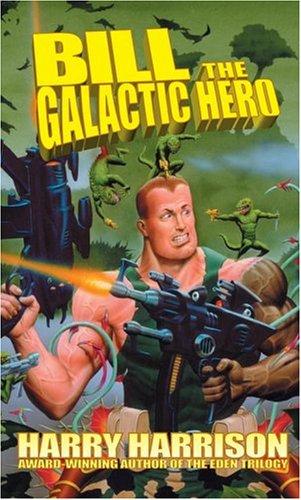
The anti-Starship Troopers, written by a WWII Army Air Forces veteran who found Heinlein's classic a little too much of a brochure. Bill is a farm boy shanghaied by a recruiting sergeant, processed through a training machine designed to destroy him, decorated for an accident, and fed into a war whose purpose nobody can explain — Catch-22's cheerfully vicious little brother in space. Harrison's satire is broad, fast, and angrier than it first appears: every absurdity has a real-world serial number. Put it on the shelf next to Starship Troopers and let them fight. That argument is the whole genre in miniature.
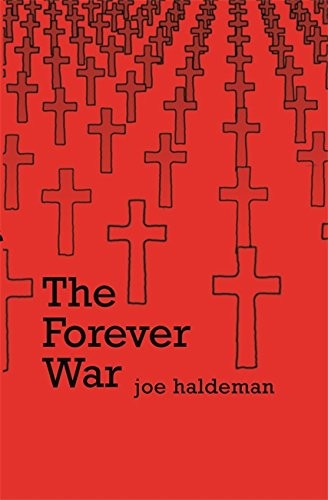
A drafted soldier fights an interstellar war where relativity means every tour home drops him centuries into a future he no longer recognizes. Haldeman came back from Vietnam and wrote the alienation of homecoming as hard SF — still the sharpest thing anyone's done on that feeling. The infantry never changes; only the light-years do.