Commandant's Reading List
The Coast Guard Commandant's reading list develops the whole-person competencies the service demands: technical excellence, leadership under austere conditions, maritime expertise, and a public service ethos that operates across law enforcement, military, and humanitarian missions simultaneously. The Coast Guard is the most operationally diverse service in the U.S. military. The reading list reflects that complexity.
Buy links go to Bookshop.org (which supports independent bookstores) and Amazon. Some are affiliate links — if you buy, we earn a small commission at no extra cost to you. As an Amazon Associate we earn from qualifying purchases. It never affects which books are on this list or how we describe them. How this works.
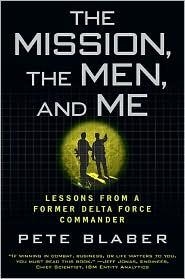
Blaber commanded Delta Force during the early years of the Afghanistan campaign and wrote the leadership philosophy that emerged from those operations. The framework is deceptively simple: understand the mission; understand the men executing it; understand the environment they are operating in; and in that order. What is unusual is the rigor with which Blaber applies this framework to specific operations, including the catastrophic planning failure at Takur Ghar that killed seven Americans. He does not protect the institution at the expense of the analysis. The lessons are transferable well beyond the special operations context.
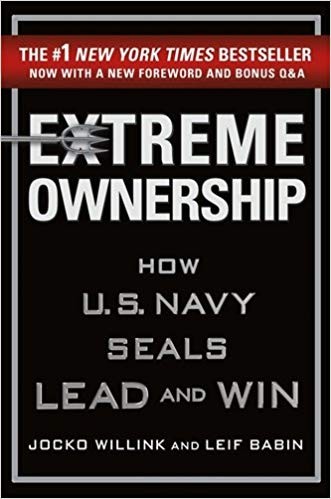
Two SEALs went to Ramadi, came back, and wrote a leadership manual for people who run companies. Slightly cultish. Ruthlessly practical. The principle — every failure is a leadership failure, including the ones that look like someone else's fault — is either the most freeing or most terrifying idea in military leadership depending on what kind of officer you are. Half your chain of command has read it. Half of them didn't change anything. Be the other half.
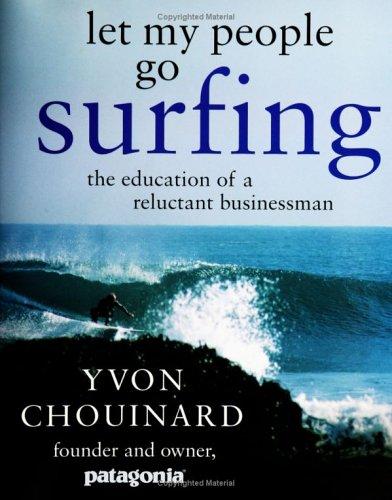
The Patagonia founder's memoir-slash-manifesto on building a company that doesn't grind its people into dust. It's on a Coast Guard list because the values translate cleanly: take care of your crew, and don't chase growth that eats the mission. Skip it if you want tactics; read it for a philosophy of leading that doesn't run on yelling.

The 'growth mindset' book that launched a thousand PowerPoint slides. The core idea is genuinely useful, that you get better by treating ability as trainable instead of fixed, but the repetition padding it to book length is not. Read the first hundred pages and you've got the whole thing.
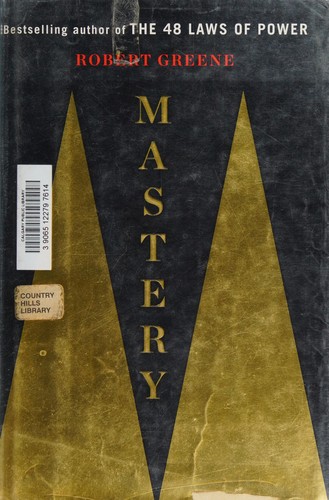
Robert Greene on how the greats actually got great: apprenticeship, boredom, reps, and years nobody claps for. It's longer than it needs to be and heavy on the historical name-dropping, but the through-line, that there are no shortcuts, is worth internalizing early in a career.
A no-nonsense playbook for running a team that isn't in the same building. It was written for the remote-work moment, but the parts about trust, async comms, and not confusing 'busy' with 'productive' hold up for any dispersed command. Short and practical, which is the point.
The TED-talk book. The 'why before what' idea is a real one worth keeping in your head; you just don't need 250 pages to absorb it, and if you've seen the talk you've basically read the book. Still, a leader who can say why the mission matters beats one who only hands out tasks.
A sportswriter dissects the greatest teams in history and finds the common thread wasn't the superstar, it was a specific kind of relentless, unglamorous captain. It's the most useful leadership book on this list precisely because it isn't marketed as one. If you're an NCO, this is a mirror.
The Harvard Negotiation Project's manual for the conversations you keep avoiding: the counseling, the bad news, the peer who's dropping the ball. Dry in spots, but the framework works and 'having the talk' is half of leading people. Read it before you need it, not after it's gone sideways.
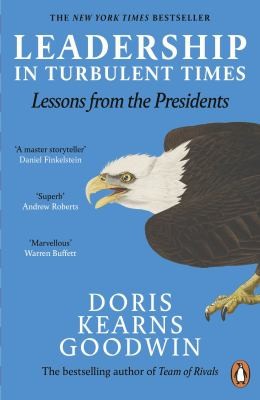
Doris Kearns Goodwin runs four presidents, Lincoln, both Roosevelts, and LBJ, through how they actually led when everything was on fire. It's history that doubles as a leadership seminar. Long, but the crisis chapters alone earn the shelf space.
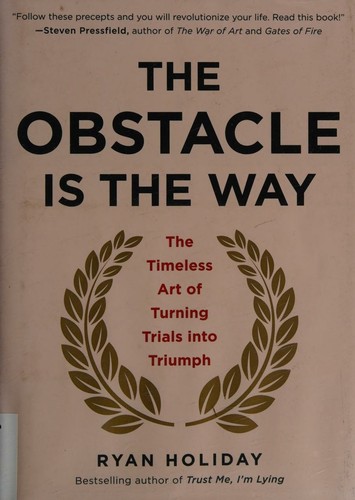
Stoicism repackaged for people who'd never pick up Marcus Aurelius: the obstacle isn't in your way, it is the way. It's more of a greatest-hits remix than an original work, but the reframe is a legitimately useful tool for a bad week. Pairs with 'Meditations,' which is the source and shorter.
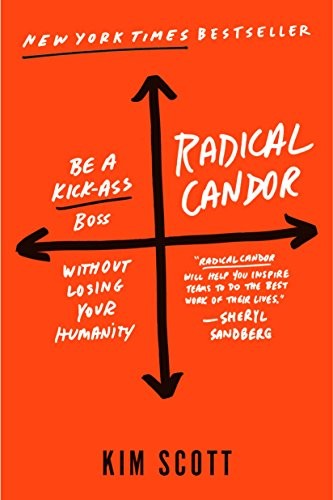
Kim Scott's fix for the two ways bosses fail: being a jerk, or being so nice you never tell anyone the truth. 'Care personally, challenge directly' is a genuinely good operating principle for anyone who counsels subordinates. The examples are corporate, but the lesson is pure NCO.
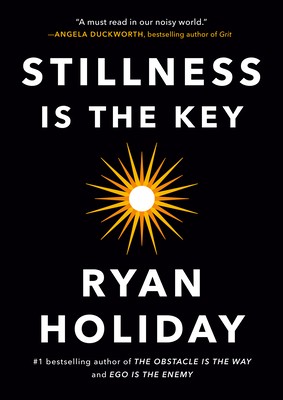
The third of Holiday's Stoic-lite trilogy, this one on slowing down enough to actually think in a job that rewards frantic motion. It's more of the same reframing-with-anecdotes formula, but the message, that stillness is a discipline and not laziness, is one high-tempo military types genuinely need. Short.
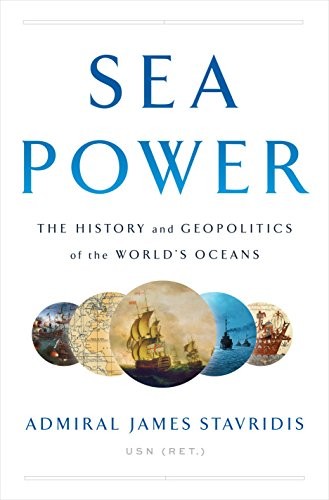
Stavridis served as NATO Supreme Allied Commander and SOUTHCOM commander and wrote this history and analysis of the world's ocean regions — Pacific, Atlantic, Indian, Mediterranean, Arctic, Caribbean — as the geopolitical terrain that determines the character of conflict and competition. Each chapter covers one ocean's history and current strategic importance. More accessible than Mahan and more current than Corbett, it is the senior naval officer's framework for understanding why sea power matters and what controlling the world's ocean commons actually requires. On both the Coast Guard and CNO reading lists because both services exist to secure those commons.
Hubbard's argument is that the things you swear are impossible to measure, morale, readiness, risk, usually aren't; you just haven't tried. It's genuinely mind-expanding for anyone who makes big calls on gut alone. The math gets chewy in the back half, so push through it.
February 1952. A nor'easter split two tankers simultaneously off Cape Cod, Massachusetts. Four Coast Guardsmen in a thirty-six-foot motor lifeboat went out in conditions that the manual said should not be survived. They were right about the conditions. They rescued thirty-two men anyway. The Coast Guard's most celebrated rescue operation and the single clearest answer to the question of what the service exists to do.
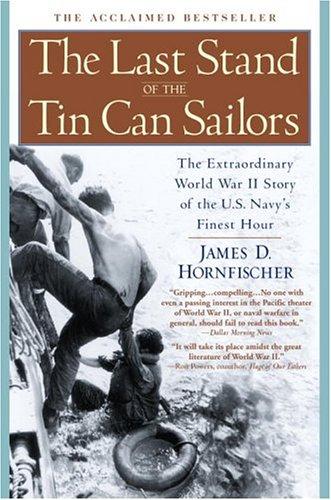
Leyte Gulf, October 1944. A formation of destroyers and destroyer escorts—antisubmarine ships—charged a Japanese fleet of battleships, heavy cruisers, and destroyers to protect the escort carriers of Taffy 3. The math was impossible. They knew the math was impossible. They did it anyway. The highest award for valor given to a ship in U.S. Navy history went to USS Johnston's commander that day. Every surface warfare officer should read this book twice.
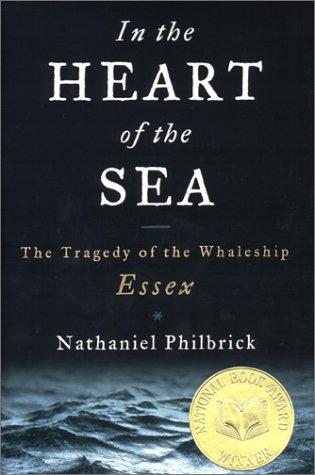
Philbrick reconstructed the 1820 sinking of the Nantucket whaleship Essex — rammed by a sperm whale and sunk in the middle of the Pacific Ocean — from surviving journals and the oral history passed down by the rescue crews. The account of how the survivors decided what to do, who lived and who died, and what the experience of ninety-three days at sea does to a crew is the most complete study available of human behavior at the edge of survival. On the Coast Guard Commandant's reading list because the decisions the Essex's officers made in the hours after the sinking are the same decisions Coast Guard crews practice in every rescue scenario.
Larson reconstructed the final voyage of the Lusitania in May 1915 — the British ocean liner carrying 1,959 people that a German U-boat sank in eighteen minutes off the Irish coast, killing 1,198. His account runs in parallel: the ship, the submarine, and the intelligence officers in London who knew the U-boat was in the area and said nothing. The intersection of maritime disaster, signals intelligence failure, and the political consequences of civilian casualties at sea makes this one of the most instructive historical cases for anyone in maritime or joint operations. On the Coast Guard reading list as a study in the human and institutional costs of communication failure.
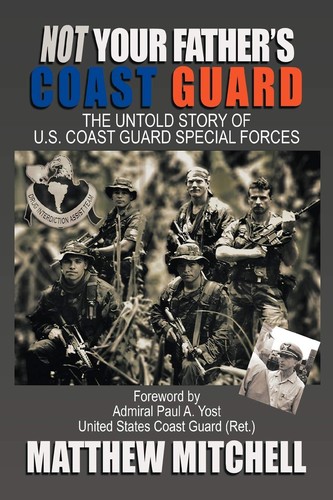
The untold story of Coast Guard tactical and special-missions forces, the part of the service that never makes the recruiting posters. It's uneven as writing, but if you're CG and want the operational history nobody taught you at boot, it's one of the very few books that covers this ground at all.
Two 1994 tragedies at Fairchild Air Force Base, a rogue B-52 crash and a mass shooting, traced back to warning signs everyone saw and nobody acted on. It's written by the security cop who ended the shooting. A gut-punch case study in what happens when leadership ignores the obvious; required reading if you supervise anyone.
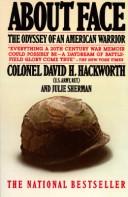
The most decorated American soldier of the Vietnam era wrote his memoirs and proceeded to indict the entire Army leadership structure, by name, with evidence. They took his Army career. He took theirs in the court of history. Whether Hackworth was right about everything is debatable. Whether the Army in Vietnam had serious institutional rot at senior levels is not. The most honest senior officer memoir ever published by an active American soldier. They got him for it.
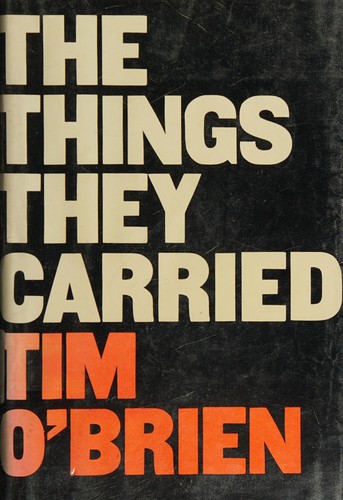
Not a memoir. Not a novel. Something more honest than either. O'Brien served in Vietnam as an infantryman and spent twenty years figuring out how to tell the truth about it. The weight of the physical gear is the point of entry. What it opens into is the weight of everything else: guilt, memory, the stories we tell to survive. The most important American book about ground combat ever written by someone who was there.
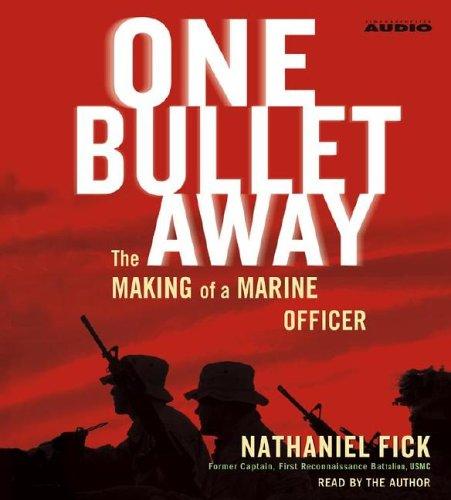
Fick led the same platoon that Evan Wright rode with in Generation Kill — 1st Reconnaissance Battalion during the 2003 invasion. Where Generation Kill is Wright's outsider account, One Bullet Away is Fick's insider account: what it was like to command the platoon from Dartmouth ROTC through TBS through the reconnaissance school through the invasion. The two books should be read together. Fick's account of the gap between what he was taught about leadership and what the invasion actually demanded is the best available account of what initial-entry officer development does and does not prepare officers for.

Helvarg embedded with Coast Guard units across the full range of the service's missions — search and rescue, drug interdiction, port security, ice operations, fisheries enforcement — and wrote the most complete portrait available of what Coast Guard life actually looks like at the operational level. The book covers the period immediately after Katrina, when the CG conducted the largest peacetime rescue operation in U.S. history. On the Commandant's reading list because it is the only widely available account of the Coast Guard's full mission portfolio that non-CG audiences can read to understand what the service actually does.
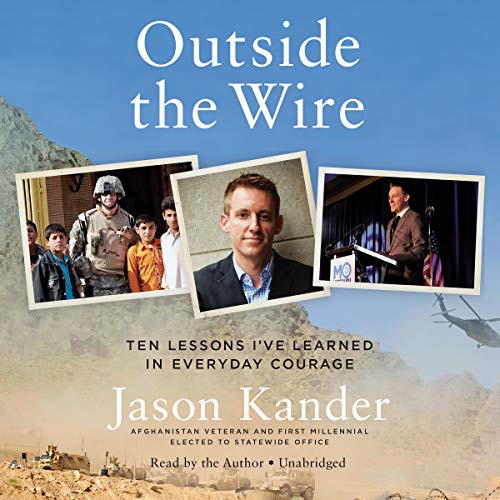
Jason Kander was a rising political star who walked away from a mayor's race to get treatment for post-traumatic stress, and then wrote about it without flinching. Part memoir, part argument for getting help before it wrecks you. It reads fast and lands hard where it counts.
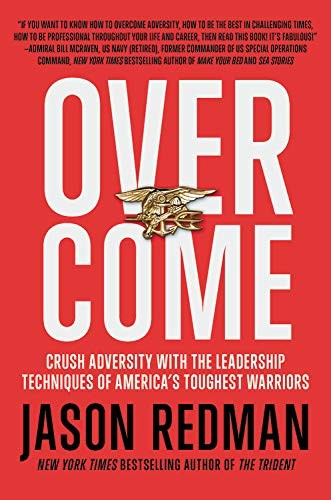
SEAL Jason Redman got shot up badly enough to tape a sign on his hospital door telling visitors not to feel sorry for him, then built a leadership book around that mentality. It's high on motivation and occasionally heavy on the SEAL mystique. Take the resilience, leave the swagger.

On the official Air Force reading list and with good reason. A child prodigy trained in a military school in orbit to command a war he does not fully understand. The twist still lands on readers who know it is coming. The questions about leadership, simulation versus reality, and the moral weight of orders given without full information do not resolve — they deepen. The last chapter has caused more thoughtful discomfort among officers than most required reading combined.
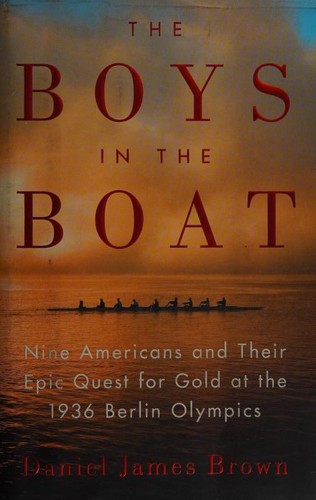
Nine working-class kids row their way to the 1936 Berlin Olympics, and somehow it's the best book on teamwork and trusting the man next to you that you'll read all year. It's on the list because 'swing' — when a crew moves as one — is exactly what the Navy is chasing.

A crowd-sourced field guide to inclusion that trades slogans for concrete moves you can actually make on Monday. It's practical where most books on the topic are pure vibes. Worth a skim if you lead people who don't look or think like you, which is to say everyone.

Terrence Real on the depression a lot of men carry in silence because 'suck it up' was the only tool anyone handed them. It's on a military reading list for a reason: this is the book about the thing that kills more of us than the enemy does. Not a fun read, but an important one.
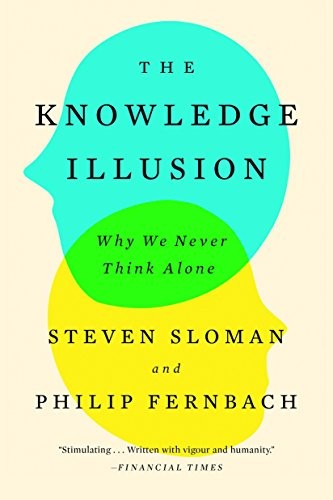
You know less than you think you do, and so does everyone briefing you with total confidence. A sharp look at how we mistake the group's knowledge for our own. Humbling in the useful way: it'll make you ask better questions and trust pure swagger a lot less.

Personal-finance basics dressed up as ancient Babylonian parables: pay yourself first, live below your means, don't be an idiot with debt. It's corny as hell and a century old, but the advice is bulletproof and a lot of junior troops never got it anywhere else. A ninety-minute read that could save you a repo.

Yes, a cookbook, on the Commandant's list. It teaches you to cook by understanding four elements instead of memorizing recipes, which is exactly how you'd want anyone to learn anything hard. Consider it a reminder that a well-rounded life off the clock makes you sharper on it. You'll also eat better.
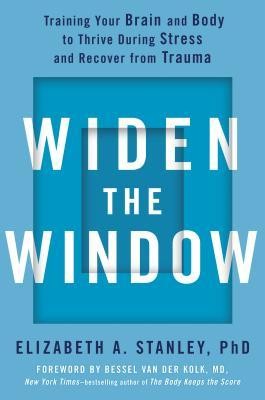
A former Army officer turned researcher on how stress and trauma actually rewire the body, and how to build the capacity to take a hit and recover. It's more science than pep talk, which is exactly why it works. One of the more useful books here for anyone doing a hard job for a long stretch.
A landmark study on how women come to know and trust what they know, dated in spots but foundational for understanding perspectives a mostly-male institution spent a long time not hearing. It's academic in tone, so read it for the ideas, not the prose. It's on the list because leading everyone means understanding everyone.