The Cold War
The war that never officially happened shaped the military that fights today: nuclear strategy, proxy conflicts from Korea to Afghanistan, the intelligence duel, and the doctrine of deterrence that still governs how great powers circle each other. This shelf is the honest record of the long twilight struggle — the strategy, the brinkmanship, and the human cost of a war fought mostly in the shadows.
Buy links go to Bookshop.org (which supports independent bookstores) and Amazon. Some are affiliate links — if you buy, we earn a small commission at no extra cost to you. As an Amazon Associate we earn from qualifying purchases. It never affects which books are on this list or how we describe them. How this works.
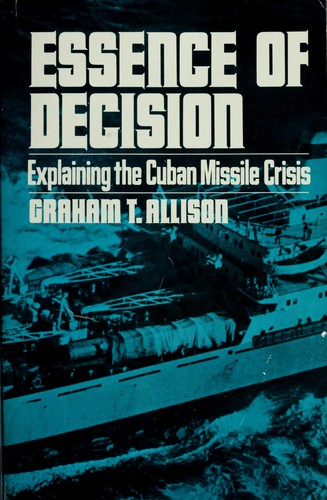
The Cuban Missile Crisis run through three models of how governments actually decide: rational actor, organizational, and bureaucratic politics. It's the book that killed the myth that a state thinks with one brain. A grind in places, a permanent upgrade to how you read any crisis.
The definitive walk through every version of America's grand strategy, from Kennan's original idea to the wild swings each administration put on it. Read it to understand that 'containment' was never one plan — it was a fight over what the plan should be, refought every four years.
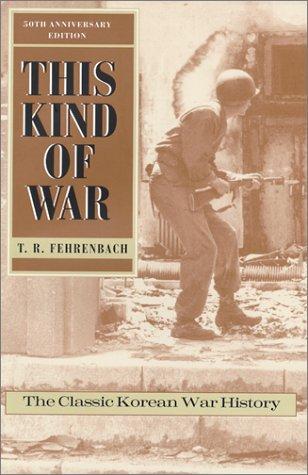
Korea. The forgotten war, unforgotten lessons. When light infantry trained for WWII conventional combat ran headlong into Chinese regulars who had been fighting since 1937, the results were instructive. Fehrenbach's analysis of why the Army was unprepared and what it cost them is still more relevant than most current doctrine. Still on the CGSC reading list. Still largely ignored until the next time it is relevant.
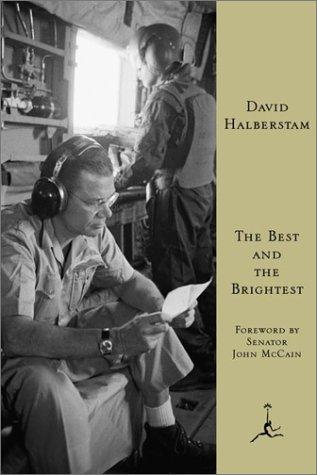
Halberstam spent years investigating why the most credentialed, capable men in the Kennedy and Johnson administrations made the series of decisions that produced Vietnam. The answer is not stupidity. It is the particular kind of institutional failure that occurs when smart people optimize for appearing confident rather than being honest, when the costs of dissent exceed the costs of error, and when the system selects for people who tell leadership what leadership wants to hear. The book that every person who has ever written an optimistic assessment of an operation that was going badly should be required to read.
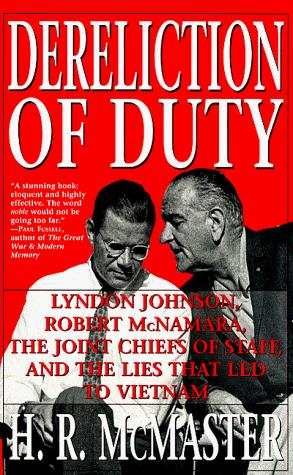
McMaster wrote his PhD dissertation in 1997 naming the Joint Chiefs of Staff by name and arguing, with documentary evidence, that they knew Vietnam was going wrong, had reservations they never voiced, and told the President what he wanted to hear instead of what was true. He was a colonel when it was published. It nearly ended his career. He was eventually a three-star and National Security Advisor. The book remains one of the most damning indictments of institutional military cowardice ever published.
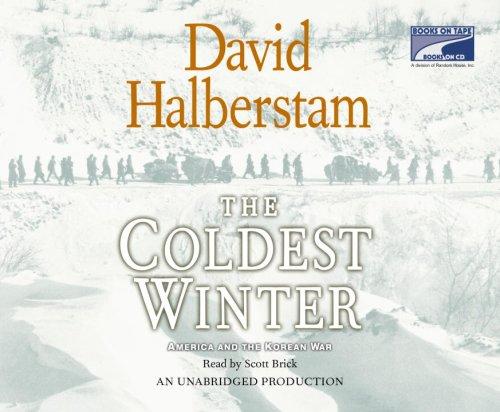
Korea, written by the journalist who spent his career dismantling official mythology with documented evidence. Published posthumously in 2007, it covers the political decisions that sent American troops unprepared into a war against China, the command failures at the senior level, and what the fighting actually looked like. The chapter on the destruction of the Eighth Army at the Ch'ongch'on River in November 1950 — when intelligence had been reporting Chinese forces for weeks and the command had decided they weren't there — is worth the book's entire price. Halberstam died in a car accident the year it was published. The book survived him.
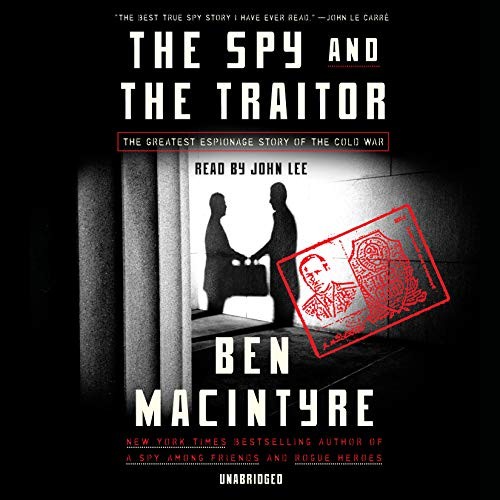
Oleg Gordievsky was a senior KGB officer who spent ten years working for British intelligence, providing information that shaped Western policy during the most dangerous period of the Cold War. Ben Macintyre reconstructed his story from the KGB files, MI6 records, and interviews with Gordievsky himself. The book is simultaneously the best Cold War espionage account written in this century and the most detailed available study of what strategic intelligence actually looks like — the collection, the processing, the use, and the cost to the people who provide it.
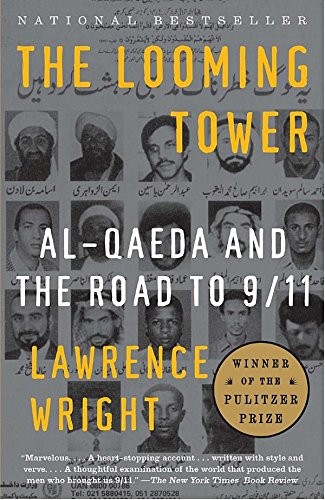
The most thorough account of how al-Qaeda developed, what the U.S. intelligence community knew about the threat before 9/11, and why the institutional barriers between the FBI and CIA made it effectively impossible to connect the information that might have prevented the attacks. Wright spent years on the primary sources and won the Pulitzer Prize. The bureaucratic and institutional failures documented here — the turf protection, the information hoarding, the failure to share across organizational boundaries — are specific, named, and catastrophic. Required reading for anyone who works in or with intelligence organizations.
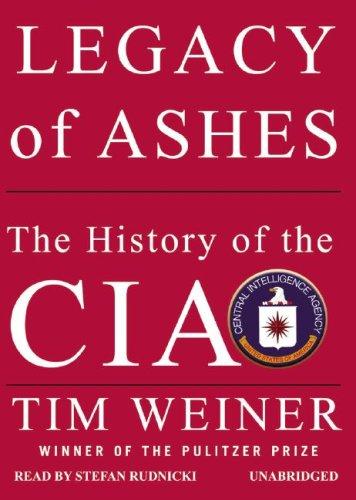
Weiner spent twenty years covering the CIA for the New York Times and then wrote this history of the agency from its founding through the Iraq War, using declassified documents and interviews with more than four hundred former CIA officers. His argument: that the CIA has consistently failed at its primary mission — providing the President with accurate intelligence on which to base decisions — and that the institutional culture that produces this failure is not accidental but structural. The history of American intelligence failures from the Korean War through the invasion of Iraq, documented in specific operational detail. Pulitzer Prize winner.
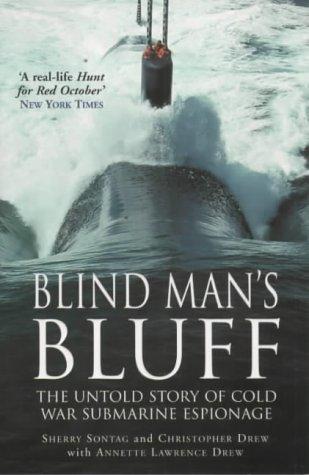
The American submarine espionage program during the Cold War, assembled from declassified documents and interviews with former submariners. USS Halibut, USS Seawolf, USS Parche — submarines operating deep in Soviet territorial waters to tap undersea communication cables, photograph ballistic missile submarines, and recover Soviet hardware from the ocean floor. The missions that technically did not happen. The crews who cannot officially confirm what they did. The book tells the story anyway. The best account available of the Cold War's most secret naval operations, and an essential corrective to the impression that the Navy's Cold War role was primarily surface and aviation.
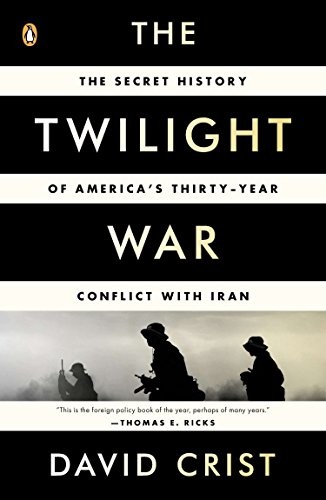
Crist is a Marine officer and historian who spent years in the Joint History Office documenting the thirty-year covert conflict between the United States and Iran from 1979 through the Obama administration. His account — drawn from classified documents, hundreds of interviews, and operational records — covers the tanker war, the destruction of the Iranian navy in 1988, the hostage crises, and the proxy conflicts through Lebanon, Iraq, and Afghanistan. The book is the most complete available account of what sustained gray-zone competition with a regional power looks like over decades. On the SOCOM reading list because most of that competition was conducted by special operations forces.
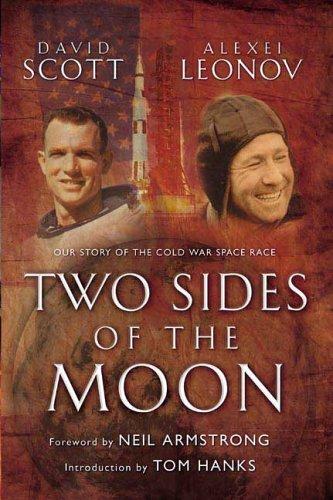
Apollo 15 commander and first spacewalker. Two professional test pilots and military officers from opposite sides of the Cold War who flew the same war by proxy for years and then, as astronauts and cosmonauts, discovered that the people across the divide were not so different. Space as the domain that eventually produced cooperation from competition. Relevant framework.
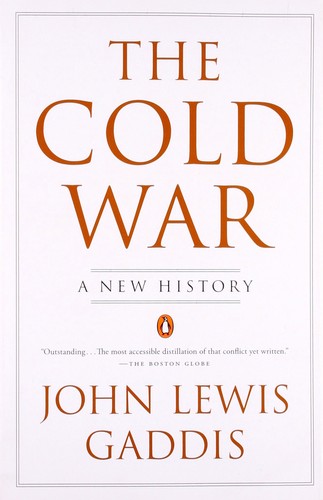
The dean of Cold War historians boils forty-five years of brinkmanship down to one lean, readable volume. If you only ever read one book on how the world spent half a century a bad decision away from ending, make it this one.
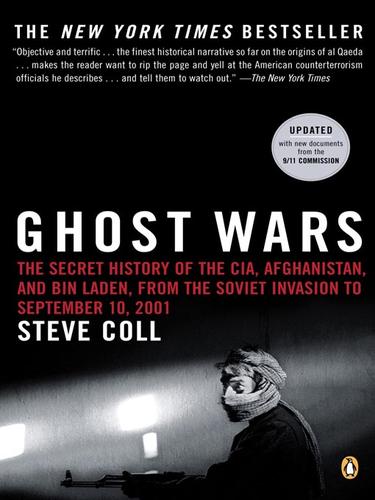
The Pulitzer-winning backstory to 9/11 — the CIA, Saudi money, and Afghanistan from the Soviet withdrawal to the morning the towers fell. If you want to understand where the whole GWOT came from, it starts here, years before anyone in uniform got the call. The essential prequel to everything else on this shelf.
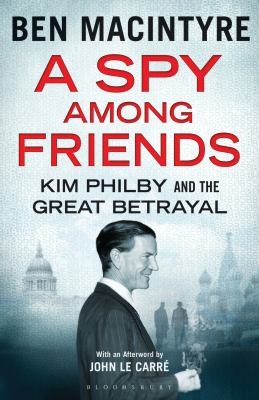
Kim Philby was MI6's golden boy and the KGB's best asset at the same time — for decades, while his oldest friends vouched for him. Macintyre tells it through the friendship Philby weaponized, and it's the best case study you'll ever read on why counterintelligence exists and why trust is the softest target in the building.
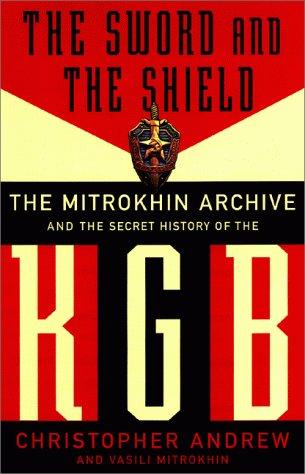
A KGB archivist secretly copied the Soviet foreign-intelligence files for years, then walked them to the West after the USSR fell. What Mitrokhin smuggled out is the most detailed picture ever exposed of how the KGB ran agents, assassinations, and active measures across the world — the receipts, in other words.
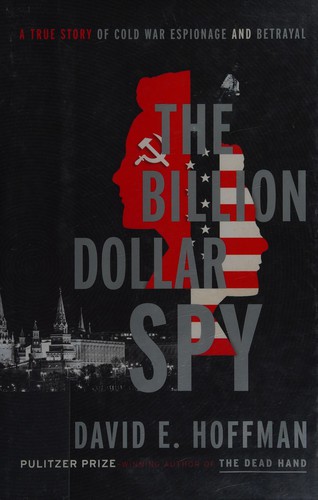
Adolf Tolkachev handed the CIA the Soviet Union's most sensitive military-aircraft and radar secrets from inside Moscow, saving the U.S. billions in R&D and betraying a system he'd come to hate. Hoffman reconstructs the operation from declassified cables — a masterclass in agent handling in the hardest denied area on earth, and how it ended.
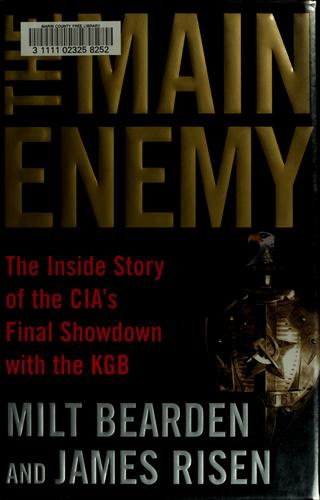
Bearden ran the CIA's Soviet operations through the endgame of the Cold War, and he tells the spy war from the inside — the moles, the mole hunts, and the year the Agency's Soviet agents started dying one by one. The definitive insider account of the CIA-KGB duel, right up to the collapse.
Bamford's deeper dig into the NSA — the Cold War crises, the intercepts, the near-catastrophes, and the incidents the agency spent decades burying. If you touch SIGINT, cyber, or anything with a TS//SI banner, this is the institutional history behind your clearance.
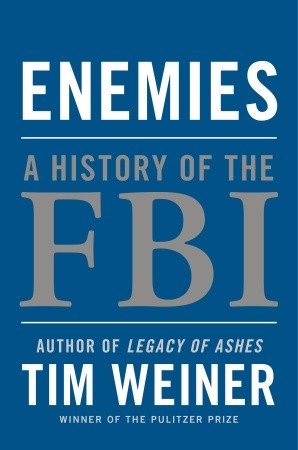
Weiner, who filleted the CIA in 'Legacy of Ashes,' turns to the FBI as a secret-intelligence and domestic-security force from Hoover forward — the wiretaps, the black-bag jobs, the abuses, and the reforms. Read it next to 'Legacy of Ashes' for the full picture of how America spies, at home and abroad.
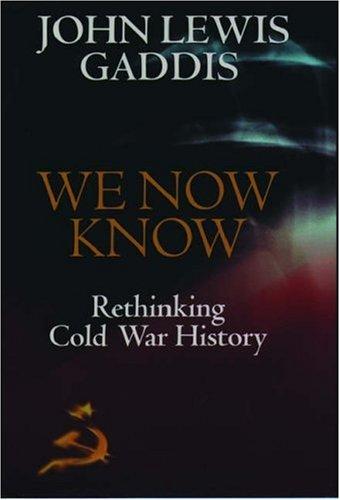
Written after the Soviet archives cracked open, Gaddis goes back and rechecks what everyone thought they knew about the early Cold War. The lesson: a lot of the confident takes from inside the fog turned out to be wrong, and it takes real documents to find out which ones.
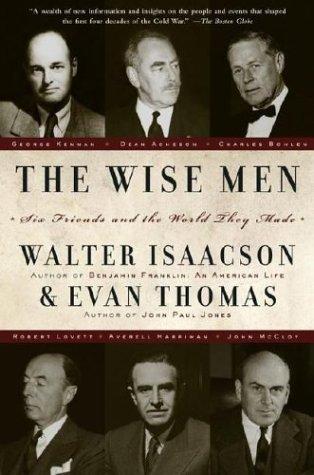
Six friends — Acheson, Bohlen, Harriman, Kennan, Lovett, McCloy — built the postwar order over drinks and decades. The book that explains how a small club of insiders drew the map the rest of the century had to live on.
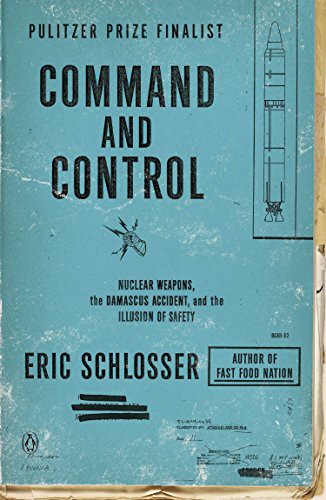
A minute-by-minute account of a 1980 Titan II accident in Arkansas, wrapped around the terrifying larger story of how close we came, repeatedly, to blowing ourselves up by accident. You will never assume the nukes were being handled competently again.
The Pulitzer-winning story of the arms race's final act, including the Soviet doomsday machine built to fire back automatically if Moscow was already dead. Proof that the scariest part of the Cold War was how much of it ran on autopilot and paranoia.
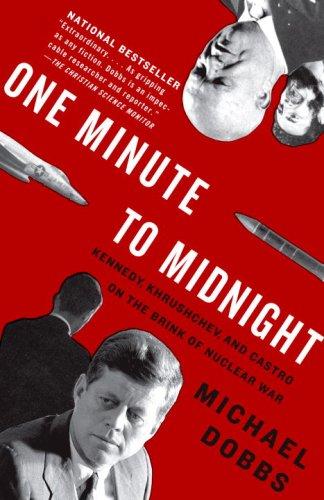
The Cuban Missile Crisis hour by hour, with the frantic details the tidy textbook version leaves out — the lost U-2, the submarine that nearly went nuclear, the field commanders improvising. The closest the species ever came to the edge, told like the thriller it actually was.
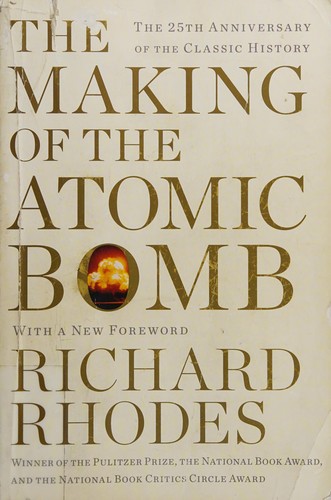
The Pulitzer-winning masterwork on how physics, ambition, and total war combined to build the thing that defined everything after it. It is long, it is worth every page, and it is the single best explanation of the weapon that made the whole Cold War necessary.
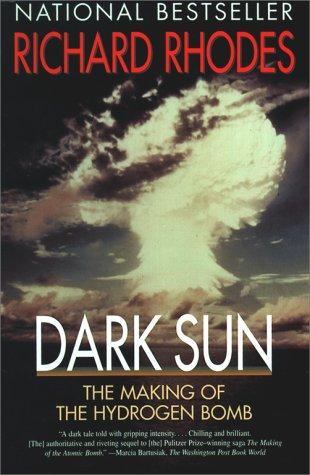
The sequel: the hydrogen bomb, the arms race it kicked off, and the spies who handed the Soviets a shortcut. Rhodes shows how the leap from fission to fusion turned a terrible weapon into a civilization-ending one — and how fast both sides sprinted to build it.
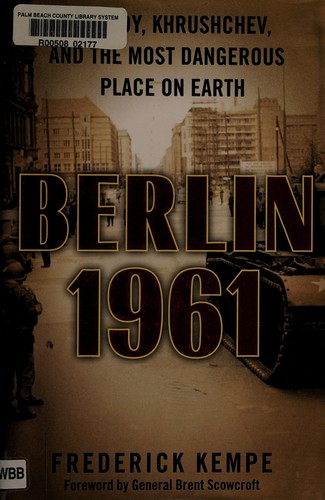
Kennedy, Khrushchev, and the year the two of them nearly went to war over a divided city, tanks facing off at Checkpoint Charlie. The forgotten crisis that set up the Cuban one, told with the tension it deserves.
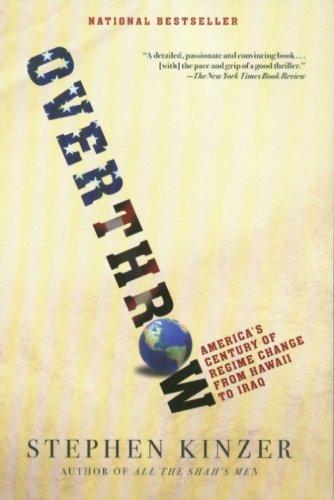
A century of American regime change, from Hawaii to Iraq, with the Cold War coups — Iran, Guatemala, Chile — at its dark heart. The book that connects the dots recruiters and textbooks tend to leave unconnected.
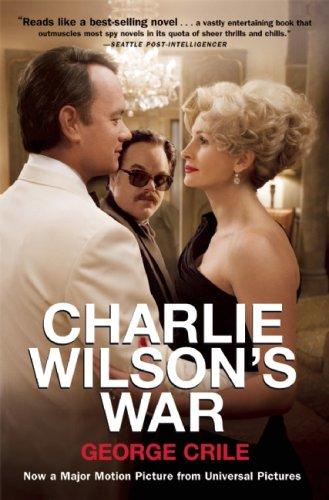
How a hard-partying Texas congressman and a rogue CIA officer ran the largest covert operation in history, arming the Afghan mujahideen to bleed the Soviets dry. A wild ride that also happens to explain a lot about the mess that came after.
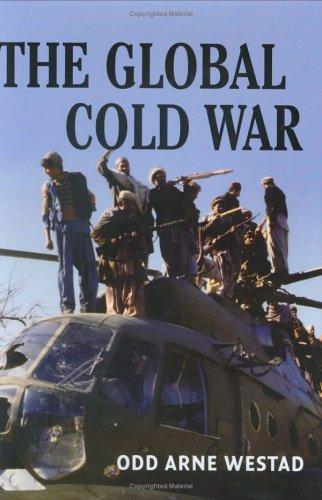
The prize-winning argument that the real Cold War wasn't fought in Berlin or Washington but across the Third World, where the superpowers' proxy fights left the deepest scars. Read it to see the conflict the way most of the planet actually experienced it.
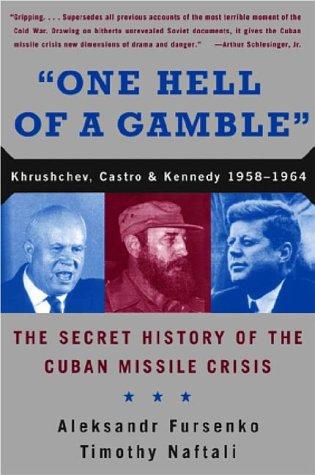
The Cuban Missile Crisis from inside the Kremlin, built on Soviet documents nobody in the West had seen before. The other half of the story — what Khrushchev was actually thinking while Washington sweated.
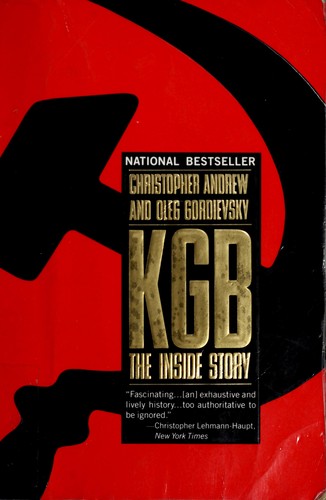
Co-written by a top KGB colonel who spent years secretly working for British intelligence, this is the Soviet security service told from the inside out. As close to the real ledger of the spy war as you're going to get.
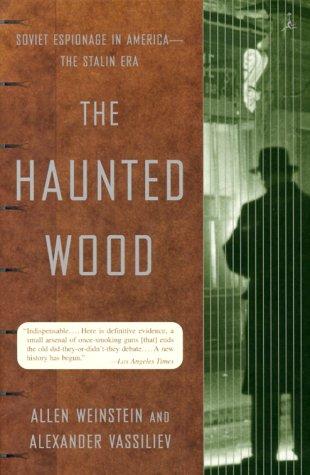
Drawn from KGB files, the documented account of Soviet espionage inside America — the agents, the networks, and how deep the penetration actually ran. The receipts behind the arguments people had been having for fifty years.
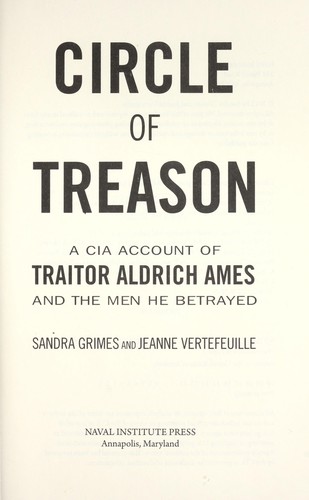
Two of the CIA officers who spent years hunting the mole that was getting their agents executed — and the mole turned out to be one of their own, Aldrich Ames. Written by the women who caught him, it's counterintelligence from the inside: slow, grinding, personal, and the reason Ames is in a cell instead of a corner office.
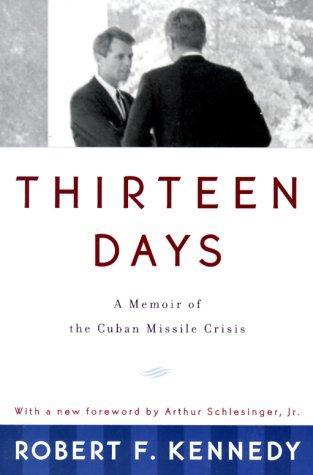
The Attorney General's firsthand account of the thirteen days his brother spent deciding whether the world would keep existing. Short, tense, and self-serving in the way insider memoirs always are — read it alongside Dobbs to see what the room actually looked like.
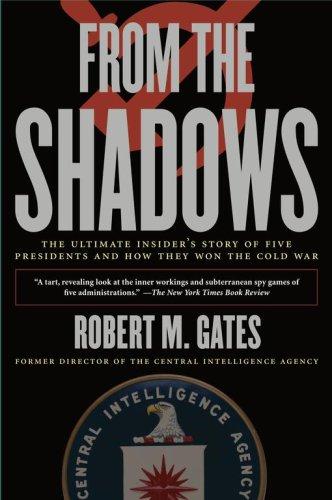
The only man to rise from CIA analyst to Director to SecDef tells the endgame from inside the building. Gates watched five presidents run the Soviet account and lived to grade their homework — a rare insider view that mostly resists the urge to airbrush.

John Foster Dulles ran State, Allen Dulles ran the CIA, and between them the two brothers reshaped half the planet's governments to taste. A hard look at the overthrows and coups run out of Washington in the name of holding the line.
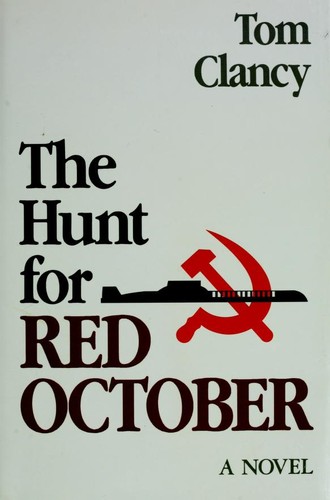
The novel that invented the modern technothriller and launched Jack Ryan: a Soviet sub captain tries to defect with the fleet's best boat, and both navies go looking. Cold War cat-and-mouse under the ice, and still the gold standard for the genre.