The Silent Service
Submariners fight a war nobody watches, in a place where the ocean itself is trying to kill them before the enemy gets a vote. The literature is small and unusually good — partly because the silent service declassifies slowly, and when it finally talks, it has forty years of stories saved up. This shelf covers the WWII Pacific patrols that broke Japan's war economy, the Cold War espionage runs that stayed secret for decades, and the honest accounts of life in a steel tube where everyone qualifies on everyone else's job because there's no one else coming.
Buy links go to Bookshop.org (which supports independent bookstores) and Amazon. Some are affiliate links — if you buy, we earn a small commission at no extra cost to you. As an Amazon Associate we earn from qualifying purchases. It never affects which books are on this list or how we describe them. How this works.
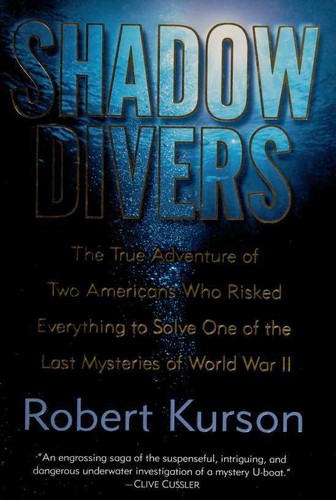
In 1991 a charter boat found a U-boat wreck sitting off the New Jersey coast where no U-boat was supposed to be. No records matched. Kurson follows the two wreck divers — John Chatterton and Richie Kohler — who spent six years and watched three men die trying to put a name on it. This is a book about identification discipline: chasing hull numbers, spare-parts tags, and German archives until the evidence actually closes, which is more rigor than some official histories ever applied. It reads like a thriller because it is one, but the engine underneath is the obligation to give fifty-six dead submariners back their names.

The Royal Navy Submarine Service since 1945, written with the kind of access British official-history culture almost never grants — patrol reports, interviews with the operators, a ride on a Vanguard-class deterrent boat. Hennessy and Jinks cover the Cold War trailing operations, the Falklands (including the Belgrano decision, handled straight), and the unglamorous grind of keeping continuous at-sea deterrence running for decades. If Blind Man's Bluff is the American side of the underwater Cold War told through leaks, this is the British side told through the front door. Long, dense, worth every page.
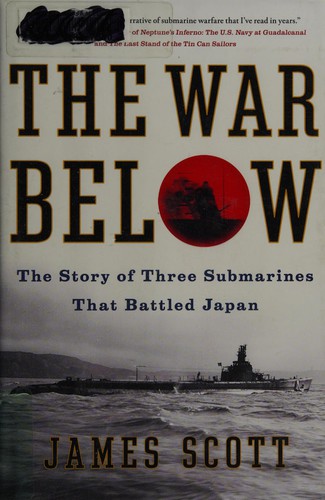
Scott tells the Pacific submarine war through three boats — Silversides, Drum, and Tang — which turns out to be exactly the right zoom level: close enough to know the crews, wide enough to see the campaign that strangled Japan's merchant fleet. Built on deck logs, patrol reports, and interviews, it doesn't flinch from the ugly parts either — the torpedoes that didn't work for two years while Washington blamed the shooters, and the moral weight of sinking ships that turned out to be carrying Allied POWs. If Silent Victory is the full staff study, this is the version you hand someone who wants to feel the war before they read the numbers.
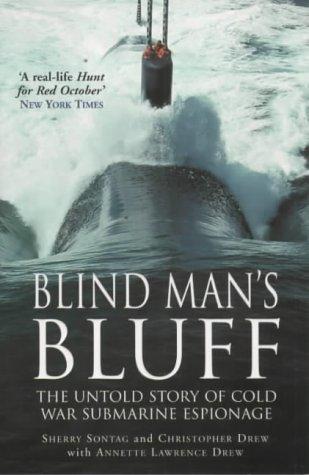
The American submarine espionage program during the Cold War, assembled from declassified documents and interviews with former submariners. USS Halibut, USS Seawolf, USS Parche — submarines operating deep in Soviet territorial waters to tap undersea communication cables, photograph ballistic missile submarines, and recover Soviet hardware from the ocean floor. The missions that technically did not happen. The crews who cannot officially confirm what they did. The book tells the story anyway. The best account available of the Cold War's most secret naval operations, and an essential corrective to the impression that the Navy's Cold War role was primarily surface and aviation.
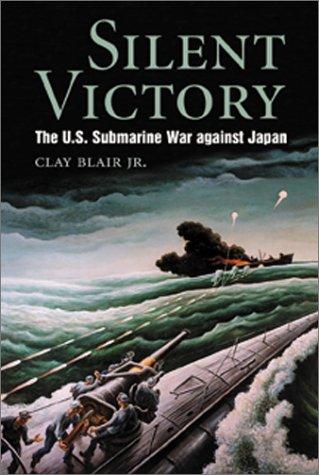
The history of the American submarine war against Japan — the campaign that sank four million tons of Japanese shipping and cut Japan off from the oil and raw materials that kept its war machine running. Blair spent years on the operational records and produced the most complete account of what the submarine service accomplished: a strategic campaign that destroyed Japan's capacity to fight without being recognized as such at the time. The early chapters on the torpedo failures — American torpedoes that ran too deep and whose contact exploders did not work — and the institutional resistance to acknowledging the defect are a case study in how military organizations deny problems that reflect badly on institutional decisions.
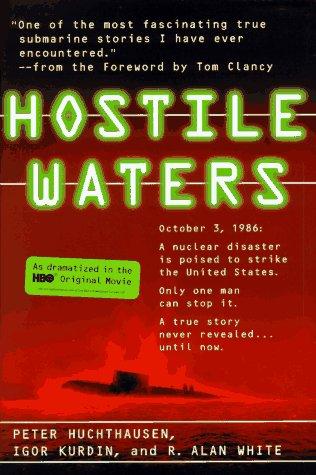
October 1986: Soviet missile boat K-219 suffers a missile-tube explosion northeast of Bermuda, and her crew spends three days fighting fire, seawater, and Moscow to keep sixteen nuclear warheads from becoming everyone's problem. Told with the cooperation of Soviet submariners — co-author Kurdin served in the boat's community — it's the rare Cold War sub story from the other side's deckplates, including engine-room seaman Sergei Preminin, who shut down the reactor by hand and didn't come out. The reconstruction has the usual dramatized-dialogue caveats, but the core story is real and it's a monument to the truth that the sea is the first enemy, flags second.
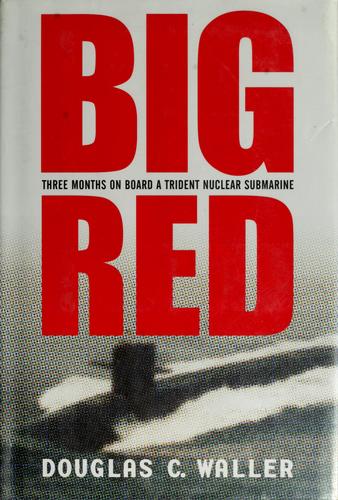
Waller, a veteran military correspondent, got the Navy to do something it almost never does: let a reporter ride a ballistic missile submarine — USS Nebraska — on patrol. The result is the best civilian-accessible account of the deterrent life: the drills, the missile-launch procedures nobody wants to use, the 19-year-olds standing watch on doomsday hardware, and the specific psychology of being unreachable for months while your family's life happens without you. If you're eyeing the nuclear Navy, this is closer to a recruiter-corrective than anything in the brochure: honest about the professionalism and honest about the monotony that professionalism is built on.
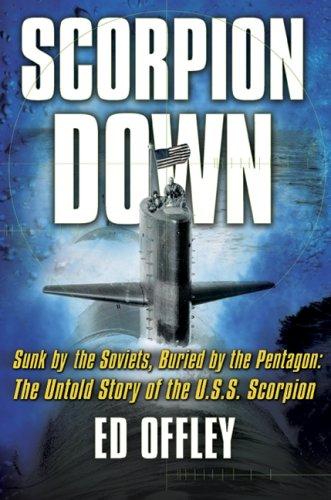
USS Scorpion went down in May 1968 with 99 men, and the Navy's official finding is inconclusive to this day. Offley, a defense reporter who worked the story for decades, argues the boat was sunk by the Soviets and the truth was buried to keep the Cold War cold. Read it with your analyst hat on: the research into the search effort and the acoustic evidence is genuinely valuable, while the central thesis is disputed by other credible investigators, and you should hold it as a claim, not a verdict. That's exactly why it's on this shelf — the Scorpion story is a live lesson in how institutions handle a loss they can't explain.
Reed served as a Navy diver in the submarine force, and his father worked the Cold War's cryptologic side — which gives this account of undersea espionage a family-business flavor the other books don't have. It covers cable-tapping ops, the Cuban Missile Crisis's underwater dimension, and the divers and spooks whose jobs officially didn't exist. Treat it as a companion to Blind Man's Bluff rather than a replacement: it's sourced heavily on participant memory, some episodes remain contested, and the classification wall means nobody outside can fully check the sea stories. But as a view from the enlisted end of the secret war, it earns its slot.
An account of Cold War attack-boat operations built around the experiences of an American SSN skipper whose identity stays protected — which tells you something about how touchy this material still is. Sasgen walks through what a trailing operation actually involves: the acoustic cat-and-mouse, the water-space management, the hours of nothing that surround minutes of contact. The anonymized sourcing means you can't independently verify the specific patrol at its center, and you should read it with that understanding. What it delivers reliably is tradecraft — how the fast-attack community thought, trained, and hunted. Pair with Blind Man's Bluff for the documented version of the same war.
The USS Squalus goes down with thirty-three men trapped on the bottom, and one stubborn officer named Swede Momsen has spent years building the rescue gear the Navy didn't want to fund. The operation that follows is the reason submariners have a fighting chance today. A reminder that the guy the brass ignored is often the guy who saves the crew.
Galantin commanded USS Halibut in the Pacific and went on to flag rank, but this memoir stays in the conning tower where it belongs. What separates it from the pile of WWII sub memoirs is the command honesty: he writes about the approaches that failed, the decisions he'd take back, and the near-fatal depth-charging that ended Halibut's war, with the analytical distance of a man who spent the rest of his career thinking about what the job actually demanded. Less swagger than O'Kane, more reflection than most. If you want to know what commanding a fleet boat cost the man in the periscope, start here.
Before Beach wrote Run Silent, Run Deep, he wrote this — a 1952 nonfiction account of the Pacific submarine war by a man who fought it aboard Trigger and other boats. It's the connective tissue between the war and the fiction: the real approaches, real sinkings, and real dead friends that he'd later compress into the novel. Beach writes like the naval officer he was, which means clean prose, zero self-pity, and a quiet fury on behalf of the boats that never came back. Read it after the novel and you'll see exactly where every scene came from. The 52 lost boats are the point.
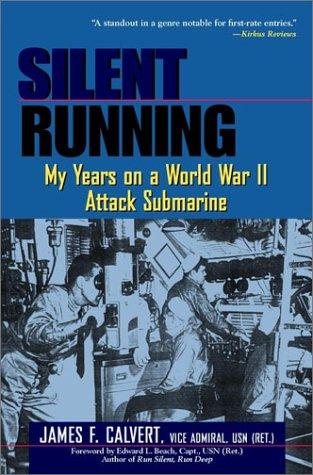
Calvert made war patrols aboard USS Jack as a young officer, and this is the junior-officer view of the fleet-boat war — not the skipper's periscope but the wardroom, the tracking party, and the slow education of a kid learning the trade while people are actively trying to kill him. Written decades later by a man who went on to a distinguished Navy career, it has the perspective that memoirs written in 1946 couldn't have: he knows which lessons stuck. One of the best books on what it's actually like to be the new guy in a boat that works. Warm, precise, and honest about fear.
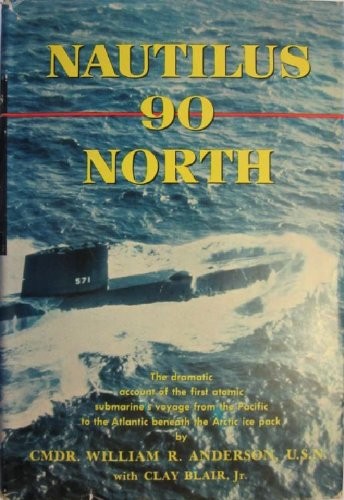
In August 1958, USS Nautilus ran submerged under the polar ice pack and crossed the North Pole — and her skipper wrote it down. Anderson's account of Operation Sunshine is a first-generation nuclear Navy document: brand-new propulsion, improvised under-ice navigation, and a crew figuring out rules nobody had written yet, all under a White House deadline because Sputnik had just made America desperate for a win. The prose is 1950s-officer plain, and the Cold War triumphalism is very much of its moment, but the achievement was real and the seamanship problems are described straight. This is where the nuclear submarine force's origin story lives.
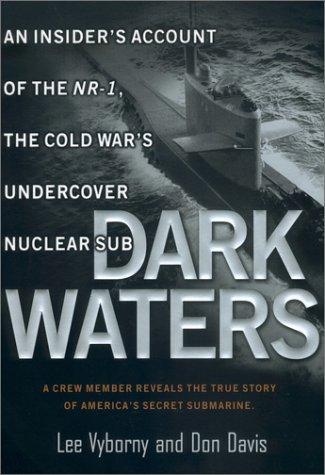
NR-1 was the Navy's smallest nuclear submarine — a Rickover special built for deep-ocean work the public wasn't told about, from seafloor recovery to missions that stayed classified for decades. Vyborny was one of her original crewmen, and his account covers what it was like to operate a one-of-a-kind boat with no escape system, wheels for driving on the seabed, and engineering margins that would make a modern safety board faint. It's also an unvarnished portrait of working directly for Rickover, which was its own kind of depth charge. A niche book, but the niche is fascinating and almost nothing else covers it.
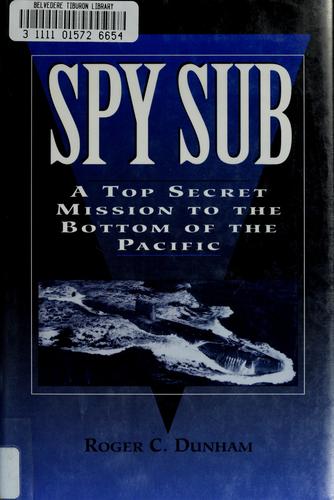
Dunham was a reactor operator on a special-projects boat that spent months hunting the wreck of a lost Soviet submarine — a mission so classified the Navy made him fictionalize his own boat's name to publish. That review-board fingerprint is all over the book, and honestly it adds to the value: you're reading the maximum a participant was allowed to say about one of the Cold War's strangest search operations. The deckplate detail is the real payload — what nuke life on a heavily modified boat with a mystery mission actually felt like from the enlisted engineering spaces. Short, odd, and genuinely unlike anything else on this shelf.
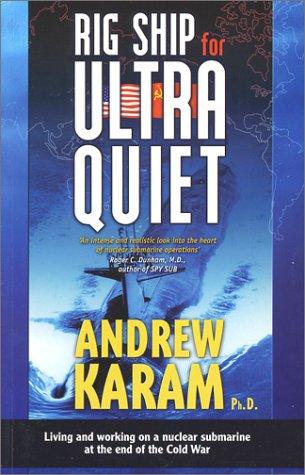
The enlisted answer to all the skipper memoirs on this shelf. Karam was a nuke — a radiation-health specialist on a Cold War fast-attack boat — and he writes about the submarine life nobody recruits you with: qualification grind, watch rotation, drills stacked on drills, the smell, the sleep debt, and the strange pride of earning dolphins in a community that will not lower the bar for anyone. There's no single dramatic mission here, and that's the point — the drama is sustained competence under confinement. If you're considering the nuclear field, this is the closest thing to a WestPac in book form. Read it before you sign the six-year contract.

O'Kane took Tang on five patrols, sank a pile of tonnage, and then watched his own circular-running torpedo come back and sink him. His account, reconstructed from a POW's memory, is the definitive submarine-skipper story. Medal of Honor, and every page earns it.
The U-boat war from the losing side, by an officer who somehow survived when three out of four of his comrades didn't. Werner strips away the propaganda and leaves the claustrophobia, the depth charges, and the slow realization that command was sending them to die. A brutal corrective to any romance about the Grey Wolves.
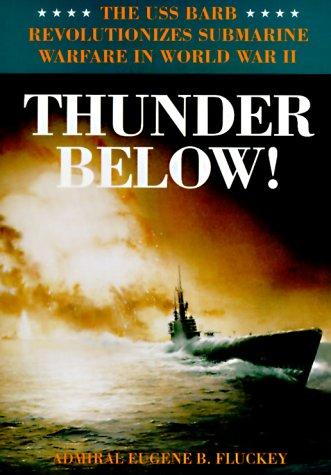
Eugene Fluckey took the Barb so deep into enemy waters he launched rockets at the Japanese mainland and put a landing party ashore to blow up a train — the only ground combat of the submarine war. It reads like a thriller because it happened. Aggressive command, written by the man who defined it.
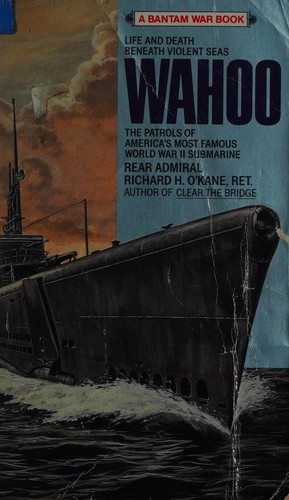
Before he had his own boat, O'Kane learned the trade under Mush Morton on Wahoo, one of the most aggressive submarines of the war. This is how you forge a crew into killers — and what it costs. Written by a man who was there for the wins and the reckoning.
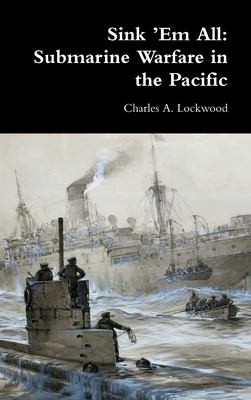
The admiral who ran the Pacific submarine force tells how he finally fixed the scandal of the dud torpedoes the Navy spent two years denying existed. Part memoir, part indictment of a bureaucracy that blamed sailors for its own broken weapons. The command view of the campaign that strangled Japan.
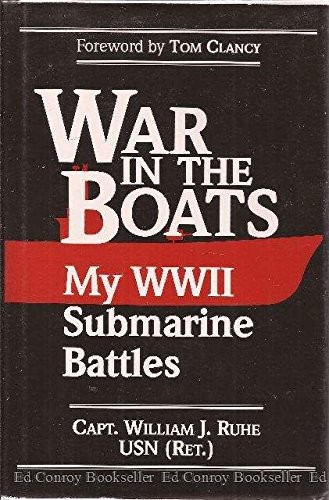
A WWII submariner's actual patrol diary, not the cleaned-up after-action version. Ruhe gives you the boredom, the terror, the dud torpedoes, and the officers who got men killed being stupid. If you want to know what the silent service really smelled like, start here.
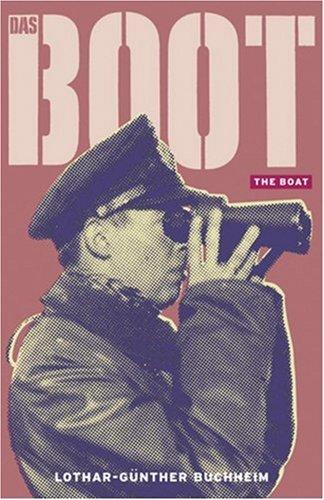
Buchheim rode U-96 as a war correspondent in 1941, and thirty years later turned what he saw into the definitive novel of submarine warfare from the losing side. Forget the movie's greatest hits — the book is longer, wetter, and meaner: weeks of boredom and diesel stink punctuated by depth-charge sequences that read like being sealed in a steel drum while someone beats it with God's own hammer. Nobody in the boat believes the communiqués anymore; they just want to surface one more time. Required reading for understanding why 75 percent of the U-boat force never came home — and why the sea doesn't care whose side you're on.
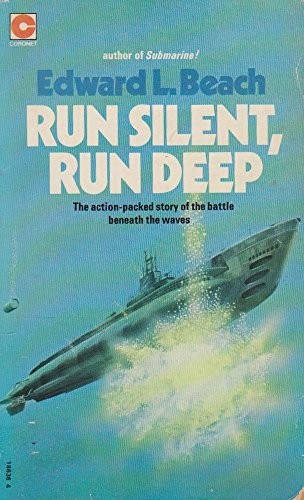
A Pacific War submarine novel written by a submarine officer who commanded USS Trigger and USS Piper and spent most of WWII on patrol. Beach knew what a submerged approach in enemy waters actually felt like — the sonar pings, the depth charges, the mathematics of a torpedo attack computed manually under pressure. The result is the gold standard of submarine fiction: technically rigorous, narratively compelling, and built around a command conflict that has no clean resolution. The Navy has used it as recommended reading for decades because it is the most accurate account available of what submarine warfare looked like from inside the boat.
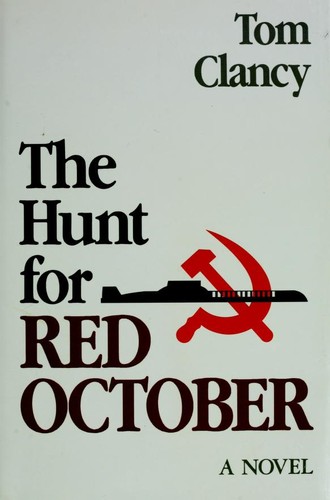
The novel that invented the modern technothriller and launched Jack Ryan: a Soviet sub captain tries to defect with the fleet's best boat, and both navies go looking. Cold War cat-and-mouse under the ice, and still the gold standard for the genre.