Read Before You Ship
You signed the contract, you have a ship date, and the recruiter's reading advice was the PT standards card. This shelf is what we'd actually hand you: the books that explain what the military is really like from the inside, what basic is designed to do to you (it's a system, and knowing the system helps), how the culture you're joining actually works, and the money and mindset fundamentals that separate the E-4 with a savings account from the E-4 with a Charger at 24% APR. None of it will do a push-up for you. All of it will make you smarter than the kid in the next bunk about what's happening and why.
Buy links go to Bookshop.org (which supports independent bookstores) and Amazon. Some are affiliate links — if you buy, we earn a small commission at no extra cost to you. As an Amazon Associate we earn from qualifying purchases. It never affects which books are on this list or how we describe them. How this works.
Peleliu and Okinawa, 1944-45. Sledge was a gentle, educated young man from Mobile, Alabama who became an 81mm mortar man in the 1st Marine Division and wrote the most honestly devastating memoir of the Pacific ground war. No heroics. No retrospective meaning-making. Just what it looked like from the coral and mud of two of the worst island battles the Marine Corps ever fought. Ken Burns called it one of the most profound accounts of war ever written by an American. He was right.
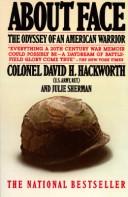
The most decorated American soldier of the Vietnam era wrote his memoirs and proceeded to indict the entire Army leadership structure, by name, with evidence. They took his Army career. He took theirs in the court of history. Whether Hackworth was right about everything is debatable. Whether the Army in Vietnam had serious institutional rot at senior levels is not. The most honest senior officer memoir ever published by an active American soldier. They got him for it.
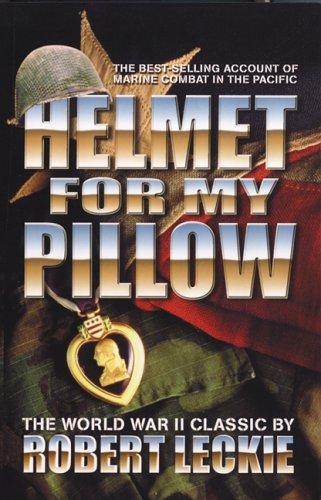
Guadalcanal through the island campaign, written with a journalist's eye and a Marine's unfiltered anger. Leckie is the counterpart to Sledge: sharper, more political, less restrained. Together, their two books constitute the Pacific ground war's ground truth in a way no official history has matched. Leckie writes about the Corps with love and without sentimentality, which is the only honest way to write about the Corps.
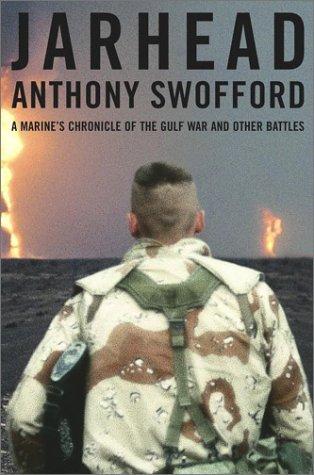
Swofford was a Marine scout sniper in the Gulf War, and his memoir tells you the thing no recruiter will: most of war is waiting. Waiting in the sand, waiting for a mission, waiting to matter, while the machine you trained for grinds along without asking your opinion. The prose is angry, funny, and occasionally too pleased with itself — but the honesty about boredom, hype, and what all that motivation actually gets spent on is exactly what someone with a ship date needs before the brochure hardens into expectation. Read it, then notice how much of it still applies to a peacetime motor pool.
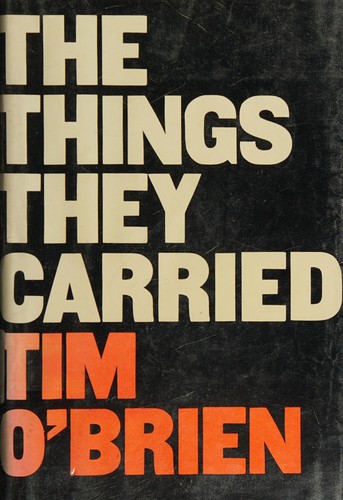
Not a memoir. Not a novel. Something more honest than either. O'Brien served in Vietnam as an infantryman and spent twenty years figuring out how to tell the truth about it. The weight of the physical gear is the point of entry. What it opens into is the weight of everything else: guilt, memory, the stories we tell to survive. The most important American book about ground combat ever written by someone who was there.
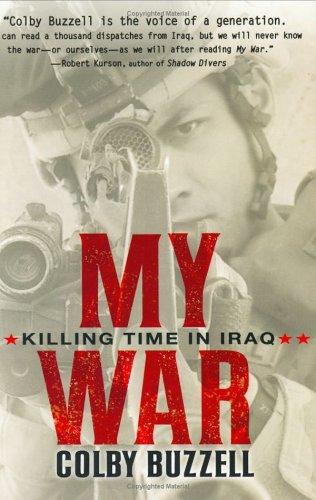
Buzzell was a bored skate-punk who enlisted as an infantryman, deployed to Mosul with a Stryker brigade, and blogged the war from inside it until the Army noticed and lost its mind. This is the enlisted war memoir with the rank structure filed off — profane, funny, allergic to hero-narrative, and honest about what a line company's days actually contain. If every other book on this shelf was written by an officer or a journalist, this one was written by the E-4 in the back of the vehicle, and that perspective is precisely the one the brochure omits. The blog-post structure gets ragged. The voice never does.
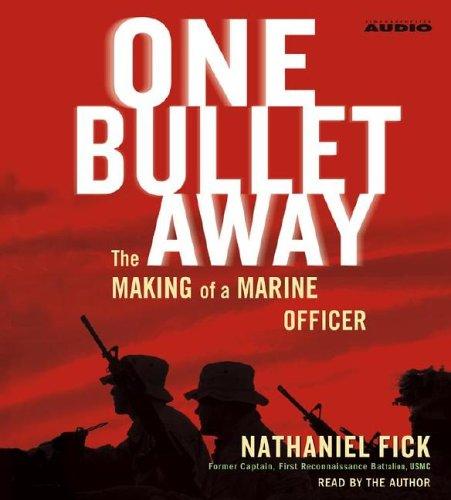
Fick led the same platoon that Evan Wright rode with in Generation Kill — 1st Reconnaissance Battalion during the 2003 invasion. Where Generation Kill is Wright's outsider account, One Bullet Away is Fick's insider account: what it was like to command the platoon from Dartmouth ROTC through TBS through the reconnaissance school through the invasion. The two books should be read together. Fick's account of the gap between what he was taught about leadership and what the invasion actually demanded is the best available account of what initial-entry officer development does and does not prepare officers for.
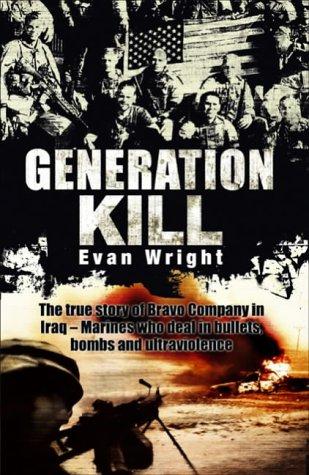
An embedded reporter with 1st Reconnaissance Battalion during the 2003 invasion of Iraq. The real First Recon Marines, before the HBO miniseries made them famous and the fame made them harder to read about honestly. Wright had the discipline to mostly listen, the skill to render what he heard accurately, and the courage to publish it. The gap between what the mission was and what the Marines thought they were doing is one of the most instructive things in the book.

John Schaeffer skipped the college track his family assumed and enlisted in the Marines; his father Frank — a writer who knew nothing about the military and less about why his son wanted in — wrote this book with him, trading chapters. The result is the only book on this shelf that covers both sides of the recruiting-office door: what boot camp does to the kid going through it, and what the ignorance and dread do to the parents left at home. If your family is treating your ship date like a diagnosis, hand them this. It'll do more than your reassurances will.
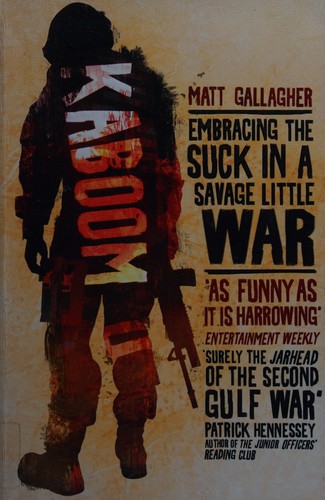
A young lieutenant blogged his Iraq deployment so honestly the Army shut him down — then he turned it into one of the sharpest, funniest, most profane platoon-leader memoirs of the whole war. Gallagher nails the boredom, the absurdity, and the sudden violence of counterinsurgency at the platoon level better than almost anyone. Embrace the suck, indeed.
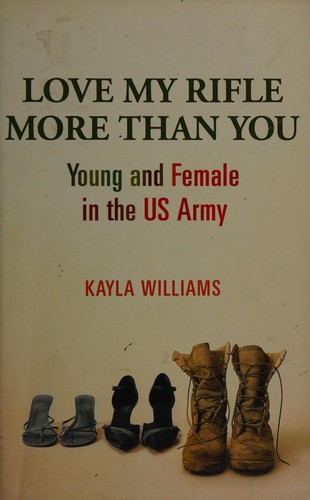
A woman's war, said plainly — an Arabic-linguist MI soldier in Iraq navigating the mission and the men she served alongside. Williams is funny, profane, and refuses to be either a victim or a poster. One of the first honest accounts of what the deployment actually looked like from her side of it.
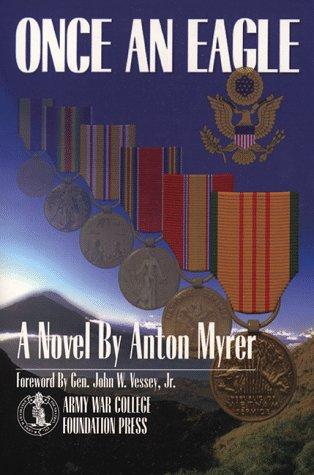
The Army's unofficial scripture, though every branch recognizes the type. Two officers, two wars, two completely different answers to the question of what kind of officer you want to be. The fact that Courtney Massengale keeps getting promoted should tell you everything you need to know about how institutions work. Sam Damon is who you want to be. Massengale is who gets the star.
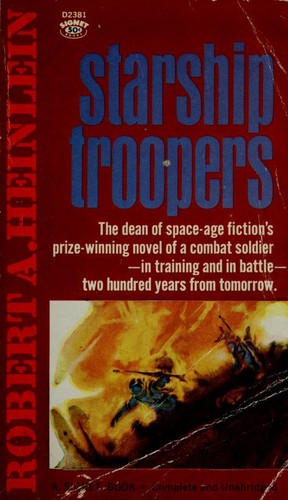
The novel that invented powered infantry combat armor and launched a thousand arguments about civic virtue, military service, and who earns the right to vote. Heinlein was a Naval Academy graduate and wrote his politics directly into a science fiction novel that reads, at times, like a philosophical treatise on the relationship between service and citizenship. You do not have to agree with his conclusions to profit from the argument. The film is something else entirely. Read the book.
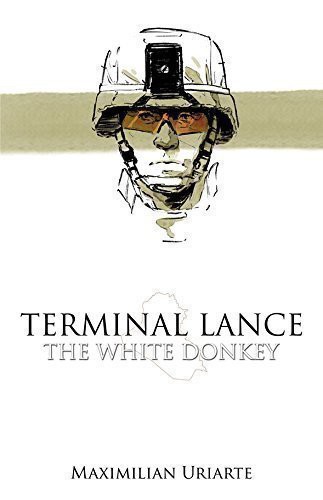
The Terminal Lance guy's graphic novel about the boredom, the bullshit, and the grief of a deployment where nothing and everything happens. It's funny until it suddenly isn't, and the turn will stay with you. The rare official-list pick that actually sounds like the barracks.
Jacobs earned the Medal of Honor in Vietnam, which buys him the standing to say what this book says: boot camp is theater with a purpose, and once you see the script, the yelling stops working on you the way it's designed to. He and Fisher walk through what initial training across the branches is actually built to accomplish — stripping you down, rebuilding you as part of a unit — with stories from people who went through it in every era. Not a cheat sheet of packing lists and PT standards. Better: an explanation of the machine, so you arrive knowing it's a machine.
Junger embedded with a platoon of the 173rd Airborne Brigade in the Korengal Valley — the most dangerous valley in Afghanistan — for months at a time over two years, and wrote the account of what sustained combat does to the men who fight it. Not what it does to their politics or their opinions about the mission. What it does to their bodies, their friendships, their relationship to fear, and — the observation that drives everything — why so many of them miss it when it is over. The companion to Tribe and the best nonfiction account of what infantry combat in Afghanistan actually looked like at the platoon level.
Rose deployed to Iraq with the Army National Guard and came home to build a career as a certified financial planner, and this book is the briefing every recruit should get before the used-car dealerships outside the gate get their turn. It covers the basics — debt, credit, saving, not signing a 24% loan on a Charger at E-2 pay — in military framing that mostly works and only occasionally tries too hard. The advice is standard-issue personal finance, and that's the point: standard-issue is exactly what an 18-year-old with a first real paycheck and zero training needs. Read it before your first payday, not after your first repossession.
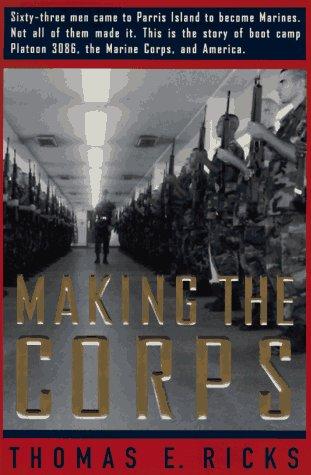
Ricks embedded with a Marine boot camp platoon at Parris Island in 1995 and wrote the definitive account of what recruit training actually does — and why it does it. The book argues that the Marine Corps is creating a separate warrior culture at a time when American civilian society is drifting away from any concept of shared sacrifice. The cultural argument is more provocative now than it was then. The first hundred pages on what actually happens at Parris Island are essential for any Marine officer who wants to understand what their enlisted Marines went through.
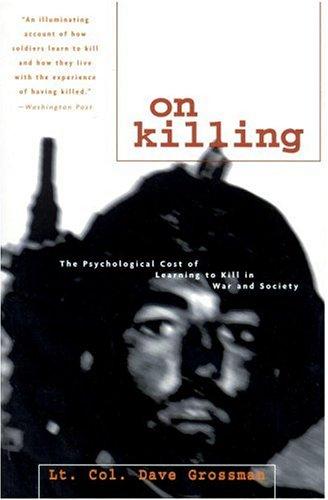
Grossman's analysis of the psychology of killing in combat — why humans have an innate resistance to killing other humans, how military training overcomes that resistance, and what the psychological consequences of killing are for the individuals who do it. Based on S.L.A. Marshall's WWII research and Grossman's own work as a West Point psychology professor. The book is controversial in its statistical foundations but has shaped every subsequent discussion of combat psychology, PTSD, and the ethical obligations of military training. Required context for anyone thinking seriously about what military training actually does to people.

Nordman retired from the Navy's submarine force at 41 and never worked again — not because he got rich, but because he treated a military paycheck like the wealth-building machine it quietly is. This is the long-game book: TSP, tax-free combat zone savings, the real math of a pension, why living below your means on base pay beats every get-rich scheme your barracks roommate is about to pitch you. It's dry in places and some specifics age as programs change, so verify current numbers. The core argument doesn't age: the military will make you financially free if you refuse to spend like everyone around you.
Junger embedded with infantry in the Korengal Valley and came back asking a question nobody in Washington wanted to answer: why do veterans miss the war they hated? The answer involves belonging, purpose, and equality under fire — things that civilian society has become extraordinarily bad at providing. Short, dense, and deeply uncomfortable if you are honest with yourself.
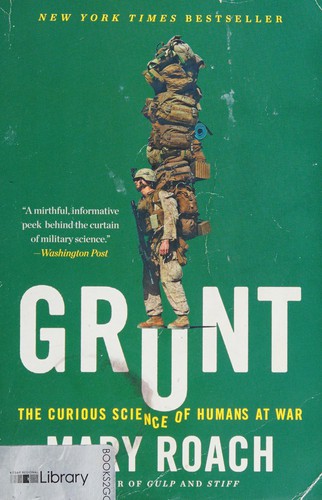
Science writer Mary Roach embedded with military researchers studying the science of keeping soldiers alive: the acoustics of roadside bomb blasts and what they do to the vestibular system, the development of better tourniquets, the physics of heat and what it does to performance, the biology of combat diarrhea. Roach approaches all of it with the curiosity of a science journalist who is not afraid of the material. The result is the most readable account available of the unglamorous science that actually determines whether soldiers survive contact. More useful for understanding force protection than most doctrine.
The single most useful fitness book for someone who has never been coached under a barbell, written by a man constitutionally incapable of softening an opinion. Rippetoe teaches five lifts — squat, press, deadlift, bench, power clean — in obsessive mechanical detail, and the payoff for a future recruit is simple: you show up stronger, and strength is the attribute that makes everything else in training less miserable. Ignore his crankier pronouncements about cardio; you will, in fact, need to run. But six months of this program before your ship date is worth more than any amount of pre-basic YouTube.

Written pseudonymously by an author with a tactical background, which the marketing leans on harder than it should — but the programming underneath is legitimately good. The premise: military fitness is not bodybuilding, because you have to be strong and able to ruck, run, and recover, all in the same week, indefinitely. Tactical Barbell's templates are built around that collision — low-volume strength work that leaves room for conditioning instead of competing with it. More sophisticated than Starting Strength and best read after it, once you've got the lifts down and need a plan that survives contact with a real training schedule.
Ignore the cocky title; it's a practical six-week system for automating your money — accounts, savings, investing — so you stop white-knuckling every paycheck. Aimed at people early in their careers, which fits a lot of folks separating in their twenties. Set it up once, let it run, get on with your life.