Military History 101
Military history has a gatekeeping problem: ask where to start and someone hands you a three-volume operational study with footnotes in German. This shelf is the actual on-ramp — the books that are both genuinely excellent history and genuinely readable, roughly one anchor per era, chosen so a smart person with no background can build the whole timeline from Thermopylae to Kabul without ever slogging. Every deep shelf on this site has a next step waiting when you're hooked. This is the front door.
Buy links go to Bookshop.org (which supports independent bookstores) and Amazon. Some are affiliate links — if you buy, we earn a small commission at no extra cost to you. As an Amazon Associate we earn from qualifying purchases. It never affects which books are on this list or how we describe them. How this works.
Written 2,500 years before your current chain of command was born. Every general cites it. Most politicians misquote it. Read it so you can tell the difference — and so you understand why the enemy who reads it too is not automatically beaten. Five chapters take longer to internalize than they do to read. That is the point.
Korea. The forgotten war, unforgotten lessons. When light infantry trained for WWII conventional combat ran headlong into Chinese regulars who had been fighting since 1937, the results were instructive. Fehrenbach's analysis of why the Army was unprepared and what it cost them is still more relevant than most current doctrine. Still on the CGSC reading list. Still largely ignored until the next time it is relevant.
A thousand years of Rome in one volume, written by a Cambridge classicist who refuses to be boring about it. Beard covers the whole arc — village on a hill, republic, empire — and keeps asking the question the legends skip: how do we actually know any of this? She is more interested in how Rome worked than in reenacting its battles, which is exactly why she belongs on this shelf next to the campaign histories. Rome is where Western armies got their organizational DNA — the legion, the road network, the citizen-soldier bargain — and SPQR explains the machine those armies were built to serve. Read this before Rubicon and Caesar and both get sharper.
How the First World War started, written by the historian who understood mobilization plans better than the generals who executed them. Tuchman won the Pulitzer Prize. President Kennedy read it during the Cuban Missile Crisis and handed it to his brother. The lesson is not about 1914. The lesson is about what happens when military planning becomes so committed to the schedule that no political event can stop it — and what it costs when that lesson goes unlearned. Required at every level of professional military education for sixty years. The pattern it documents has not been corrected.
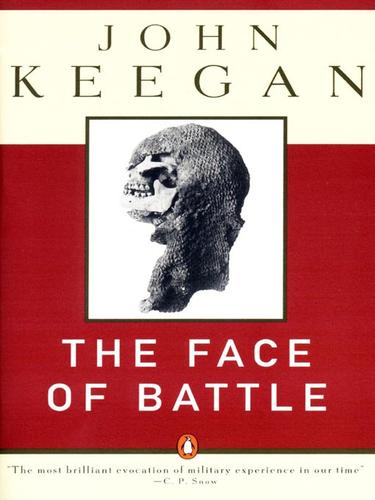
Keegan decided to write a military history that told the truth about what battle actually feels like for the men who fight it — not for the generals who direct it. Agincourt, Waterloo, the Somme: three battles, three centuries, one devastating argument that military history has consistently failed to describe what happens to a human body and a human mind under sustained combat. The chapter on the first day of the Somme — July 1, 1916, 57,470 British casualties — is the most important piece of military writing produced in the twentieth century. It should be assigned in every war college on earth and has not yet changed anything.
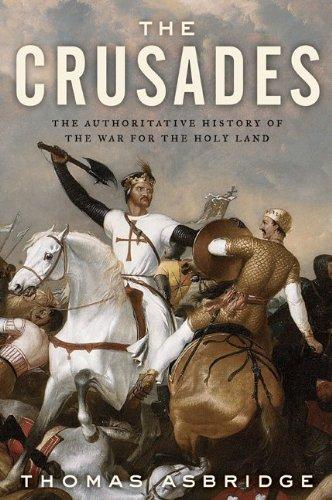
Two centuries of holy war in one readable volume, and — this is the rare part — told from both sides of the wall. Asbridge, a medieval historian, gives Saladin and the Muslim world the same serious treatment he gives Richard the Lionheart, which most crusades books before him simply didn't bother to do. What you get is less a morality tale than a grinding lesson in expeditionary warfare: armies marching thousands of miles from their supply base, coalition politics wrecking sound strategy, and the brutal math of holding territory your population doesn't want you in. If any of that sounds familiar, that's the point of reading it.
Atkinson's Pulitzer Prize-winning account of the American Army in North Africa in 1942–1943 — the first sustained American ground combat of WWII, against battle-hardened German and Italian forces in Tunisia. The book is the first volume of the Liberation Trilogy and the most complete account available of what happened when a partially-trained American Army entered combat for the first time: the tactical failures at Kasserine Pass, the command dysfunction, and the institutional learning process that transformed the Army into the force that won in Europe two years later. Atkinson's account of how the Army learned from disaster — the specific changes in tactics, command culture, and logistics that turned defeat into the foundation for eventual victory — is the most useful case study of institutional adaptation under fire.
John Paul Vann went to Vietnam believing in the mission, discovered that the South Vietnamese Army could not and would not fight, reported this accurately, was ignored by his superiors, resigned his commission, and went back as a civilian to run the war the way he thought it should be run. Sheehan spent fifteen years writing this Pulitzer Prize-winning account of how the most capable American officer in Vietnam was destroyed by the same institution that produced him. The most comprehensive single account of why Vietnam failed at the institutional and strategic level — and why the Army's official version of events was constructed after the fact to protect careers rather than produce understanding.
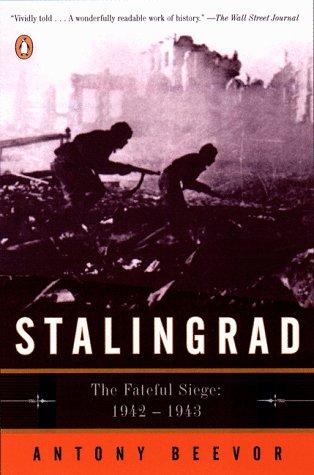
The battle that broke the German army, told through archives that were inaccessible until the Soviet collapse. Beevor reconstructed the encirclement of the German Sixth Army from both sides — the optimism of the advance, the horror of the cauldron, the psychological disintegration of a trapped army in winter. What is documented here about institutional failure — the Wehrmacht's inability to tell Hitler what he did not want to hear, the systematic destruction of an army by a command structure that prioritized loyalty over accuracy — belongs in any library on civil-military relations alongside Dereliction of Duty.
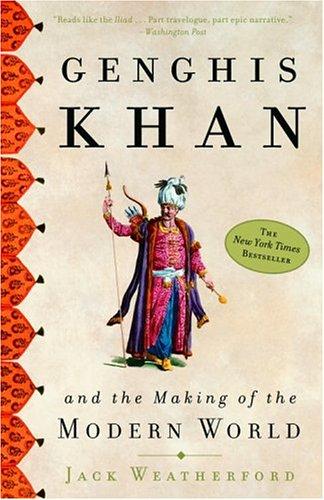
The Mongols conquered more territory in twenty-five years than Rome did in four hundred, and Weatherford, an anthropologist, explains how: promotion by merit instead of bloodline, ruthless speed, disciplined logistics, and an intelligence network their enemies never matched. Then he makes the bigger argument — that the Mongol Empire wired the medieval world together and accidentally built the on-ramp to modernity. Fair warning: he likes Genghis more than the sacked cities would, and historians have dinged him for sanding down the atrocities. Read it anyway. It is the most painless way into the largest land empire in history, and the chapters on Mongol military organization alone earn the shelf space.
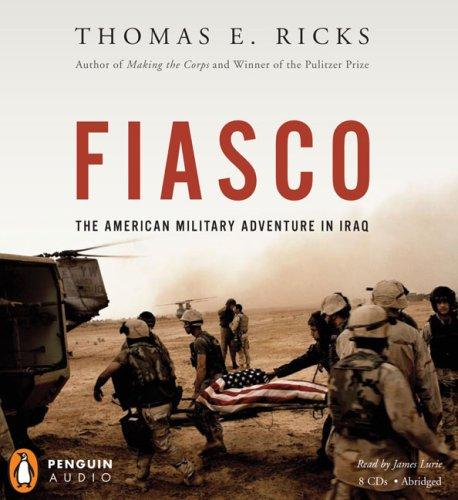
Ricks covered the Pentagon for The Washington Post and documented what went wrong in Iraq from 2003 through 2006. His argument: the planning, execution, and management of the occupation represented the most consequential strategic failure by the American military since Vietnam. He names names, cites documents, and constructs the case from the inside — the officers who warned about the post-combat phase and were ignored, the intelligence that was not collected because the plan did not include an occupation, the decisions that turned a tactical victory into a protracted catastrophe. The institutional analysis is what makes it essential. The Army read it. The Army did not entirely like it. The Army was right that it would be read.
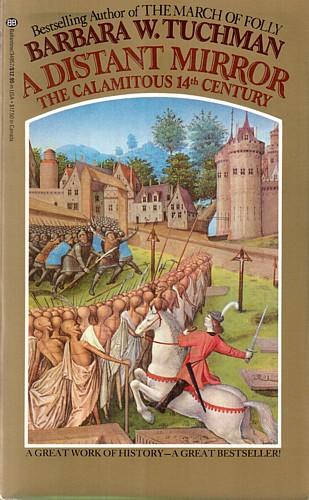
Tuchman — yes, the Guns of August Tuchman — takes on the worst century in European memory: the Black Death, the Hundred Years War, peasant revolts, a church at war with itself. Her trick is following one man through all of it, the French knight Enguerrand de Coucy, so the century reads like a life instead of a lecture. Along the way you get the unsentimental truth about chivalry: a warrior code that looked magnificent on parade and kept losing battles to English longbowmen who hadn't read the rulebook. It's long, and she'll linger on a wedding feast when you want the campaign. Let her. Nobody has ever made the medieval world this alive.
Eighteen Americans killed in Mogadishu in October 1993. Bowden reconstructed the battle from hundreds of interviews and showed what happens when the squad-level execution is perfect and the strategic logic is absent. Everything the Rangers and Delta did was tactically correct. Everything above battalion was a mess. Read it to understand how those two things can be simultaneously true.
You know the Shakespeare version. This is the real one, and it's better. Barker rebuilds the entire 1415 campaign from the records — the financing, the shipping contracts, the siege of Harfleur that gutted the army with dysentery before the famous battle was ever fought — and then walks you through the October day when a sick, starving, outnumbered English force shredded the flower of French chivalry in the mud. The star of the book isn't Henry; it's logistics, terrain, and the longbow-armed commoners who did the killing. If you want to understand why professional soldiers beat aristocratic amateurs, this is the case study, six hundred years old and still on point.
The siege that ended the Roman Empire — the actual end, a thousand years after the date your high school class stopped counting. Crowley writes the fifty-three days of 1453 like a thriller: Mehmed II, twenty-one years old, hauling monster cannon overland to crack walls that had shrugged off every siege for a millennium, and Constantine XI holding the breach with a garrison too small for the job and no relief coming. It's also a hinge of military history — the moment gunpowder made every fortress in the world obsolete on a schedule. Short, vivid, and impossible to put down; the rare book that covers a genuine turning point and reads like one.
The war that taught Europe what total war costs, written in 1938 by a historian watching her own continent line up to do it again. From 1618 to 1648 the great powers fought across Germany until whole regions were depopulated — armies living off the land, mercenaries switching sides for back pay, religion and power politics tangled past separating. Out of the wreckage came the Peace of Westphalia and the modern state system every staff college still teaches. Wedgwood's prose is old-school narrative history at its finest — kings and battles, drawn sharp — and her verdict is the coldest line in the genre: a war of no consequence, fought over nothing, settling nothing. She meant it as a warning.
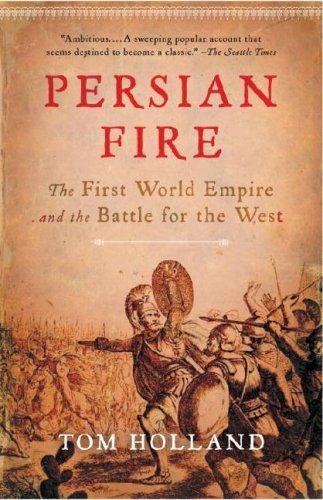
The Greco-Persian Wars from the Persian side up — the superpower that ruled the known world and the handful of feuding city-states that told it no. Marathon, Thermopylae, Salamis, told with pace and real scholarship.
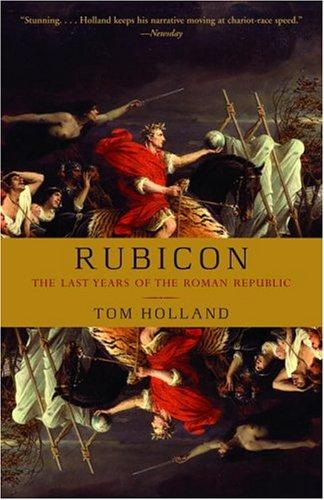
The fall of the Roman Republic told at a sprint — ambition, debt, mobs, and the generals who broke the system to win. Holland writes ancient history like a thriller without faking the sourcing. The best on-ramp to why Rome traded its Republic for an emperor.
The war's worst year, told without the fireworks. Washington loses New York, nearly loses the army, and the whole thing hangs by a thread of frostbitten volunteers who had every reason to walk home. McCullough shows you how close the founding came to never happening.
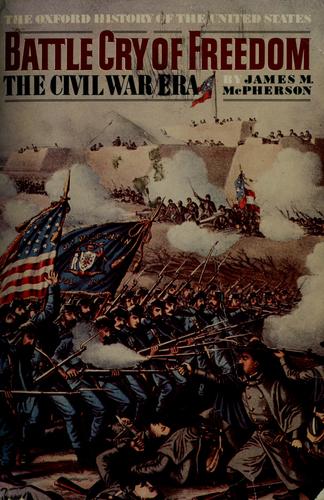
The one-volume history of the whole war that actually earns the Pulitzer on the cover. McPherson takes you from the 1840s tinderbox to Appomattox without ever losing the thread of why any of it happened. If you read exactly one Civil War book, this is the one — start here.
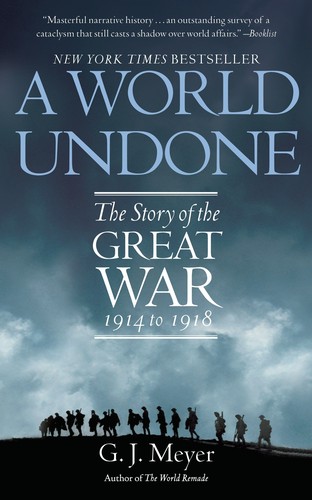
The most readable narrative history of the war — Meyer writes like a great storyteller who happens to have the facts nailed down. If Keegan feels like a lecture and you want the whole catastrophe as a page-turner, this is your book. Nobody finishes it unmoved.
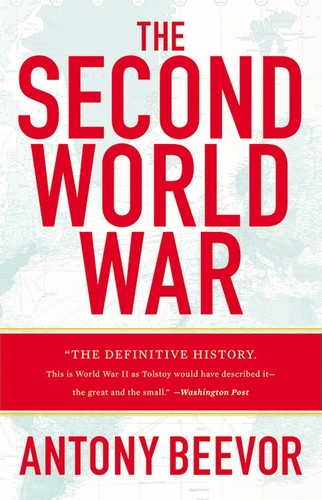
One volume, the entire war, Poland to Nagasaki, by the historian who owns the Eastern Front. If you never learned how the pieces fit — how Stalingrad and Midway and North Africa and the Holocaust were one connected catastrophe — this is the book that assembles it. Nine hundred pages that read faster than most 300-page ones. Start here, then go deep on whatever theater grabs you.
The best one-volume history of the whole Pacific war — strategy, politics, and combat in a single clear-eyed sweep. If you read exactly one book on this shelf, Spector is the one.
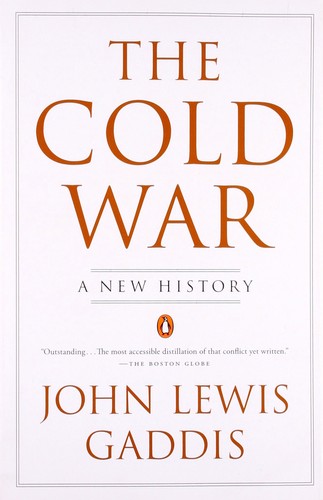
The dean of Cold War historians boils forty-five years of brinkmanship down to one lean, readable volume. If you only ever read one book on how the world spent half a century a bad decision away from ending, make it this one.
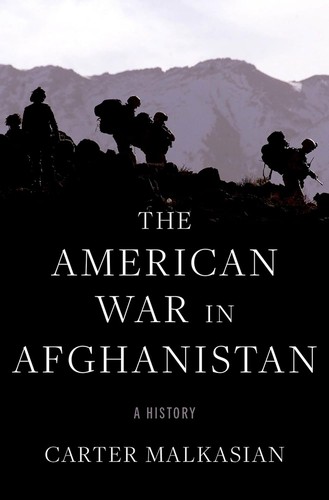
The most honest single-volume account of the 20-year war, written by a guy who was actually in the valleys as an advisor, not just in a think tank. Malkasian keeps asking the question the briefings never answered: why did we keep losing to farmers? Long, but it's the one book on Afghanistan that doesn't flinch.
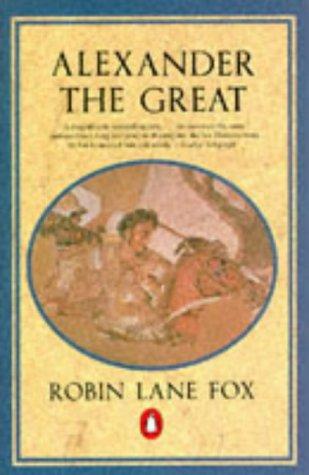
The narrative biography that Oliver Stone's film leaned on — Lane Fox on the young king who never lost a battle and never stopped marching. Vivid on the man, honest about the wreckage he left. Still the popular standard 50 years on.
A full-length life of Caesar as soldier and politician, by a historian who actually understands how the army worked. The definitive modern biography — the ambition, the campaigns, and the coup that ended the Republic.
Roberts read 33,000 of Napoleon's letters so you don't have to, and the result is the modern one-volume life. He gives you the general and the administrator without the hero-worship or the cheap psychoanalysis. If you only read one Napoleon biography, this is it.
Three hundred Spartans at Thermopylae, told from the perspective of the sole survivor — a body servant, not a warrior, which turns out to be the better vantage point. Pressfield researched the Spartan military culture to uncomfortable depth and then wrote a novel that makes you feel the weight of their shields. Assigned reading at West Point, Annapolis, and every leadership course that wants to look like it takes things seriously. There is a reason.