Iraq & Afghanistan
Twenty years of war produced a literature that's still being sorted out, and the honest cut of it is unsparing. This shelf runs from the ground-level memoirs of Fallujah and the Korengal to the strategic reckonings of how these wars were fought and lost — the accounts that explain what a generation of service members actually experienced, and what the institution still won't fully admit.
Buy links go to Bookshop.org (which supports independent bookstores) and Amazon. Some are affiliate links — if you buy, we earn a small commission at no extra cost to you. As an Amazon Associate we earn from qualifying purchases. It never affects which books are on this list or how we describe them. How this works.
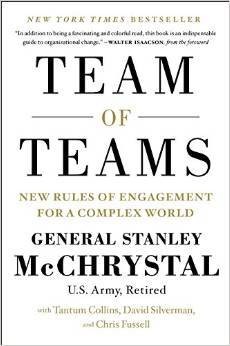
McChrystal commanded JSOC in Iraq and discovered that his organization — optimized for industrial-era warfare — was losing to a network. Al-Qaeda in Iraq was distributed, adaptable, and self-organizing. JSOC was a hierarchical machine built for efficiency. McChrystal had to break his own organization and rebuild it as a network: shared consciousness, distributed authority, persistent information flow. The result is both a memoir of that transformation and a theory of leadership in complex environments. The most practically useful leadership book written by a senior military commander since Slim's Defeat into Victory. The framework transfers.
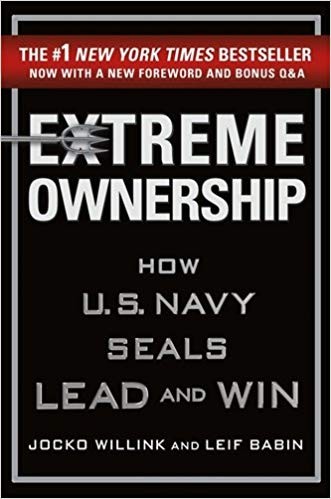
Two SEALs went to Ramadi, came back, and wrote a leadership manual for people who run companies. Slightly cultish. Ruthlessly practical. The principle — every failure is a leadership failure, including the ones that look like someone else's fault — is either the most freeing or most terrifying idea in military leadership depending on what kind of officer you are. Half your chain of command has read it. Half of them didn't change anything. Be the other half.
Twelve Special Forces soldiers in Afghanistan in October 2001, embedded with Northern Alliance forces and riding horses into Taliban positions while calling precision air strikes from B-52s overhead. ODA 595 was doing something that had not been done in American combat since the Indian Wars. Stanton embedded with survivors and reconstructed the campaign. The book is the definitive account of how a small unconventional force leveraged fifty years of SF doctrine — population engagement, by-with-and-through, direct action — to help collapse a government in weeks. Everything the Army had been told SOF could not do.
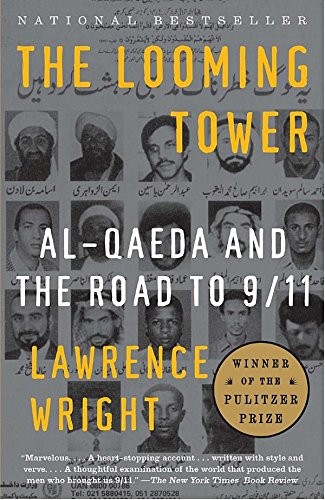
The most thorough account of how al-Qaeda developed, what the U.S. intelligence community knew about the threat before 9/11, and why the institutional barriers between the FBI and CIA made it effectively impossible to connect the information that might have prevented the attacks. Wright spent years on the primary sources and won the Pulitzer Prize. The bureaucratic and institutional failures documented here — the turf protection, the information hoarding, the failure to share across organizational boundaries — are specific, named, and catastrophic. Required reading for anyone who works in or with intelligence organizations.
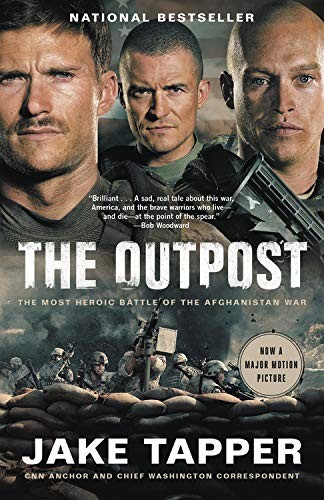
Combat Outpost Keating, Nuristan Province, Afghanistan, October 3, 2009. Fifty-three insurgents launched a coordinated assault on fifty-three Americans in a position that violated every principle of defensive positioning: in a valley, overlooked by three mountains, approachable on all sides. Eight Americans were killed. Two Medals of Honor were awarded for the same battle. Tapper spent years interviewing survivors and reconstructed not just what happened but the chain of decisions — tactical, operational, strategic — that put those men in that position. The best book about the Afghanistan war at the small-unit level. Also the most damning account of how force protection decisions are actually made.
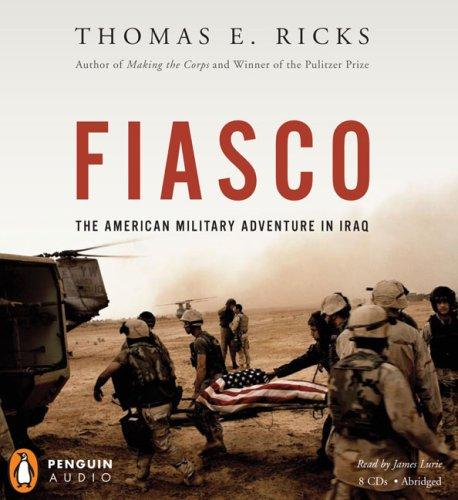
Ricks covered the Pentagon for The Washington Post and documented what went wrong in Iraq from 2003 through 2006. His argument: the planning, execution, and management of the occupation represented the most consequential strategic failure by the American military since Vietnam. He names names, cites documents, and constructs the case from the inside — the officers who warned about the post-combat phase and were ignored, the intelligence that was not collected because the plan did not include an occupation, the decisions that turned a tactical victory into a protracted catastrophe. The institutional analysis is what makes it essential. The Army read it. The Army did not entirely like it. The Army was right that it would be read.
The history of the CIA and ISI's parallel and conflicting operations in Afghanistan and Pakistan from 9/11 through 2016 — written by the Pulitzer Prize winner who spent a decade reporting on the region. Directorate S is the sequel to Ghost Wars and the most complete account available of how the war in Afghanistan was actually managed at the strategic and intelligence level: the Pakistani double game, the drone program, the failed negotiations, and the systematic gap between what the intelligence community was telling policymakers and what was happening on the ground. The essential companion to The Forever War for understanding what the policy level of the Afghan war looked like.
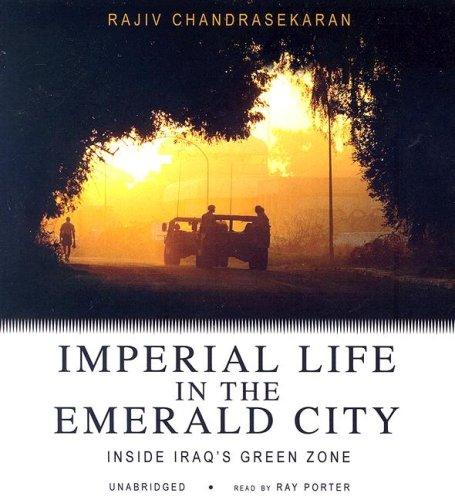
The Coalition Provisional Authority in Baghdad, 2003–2004 — the American occupation government staffed largely by young Republican political appointees with no Arabic, no reconstruction experience, and orders to privatize Iraq's economy before there was a functioning government to run it. Chandrasekaran covered the CPA for the Washington Post and documented the ideological and organizational failures in real time. The book is the most complete account of what went wrong with the Iraq occupation at the civilian-military interface — the decisions made in the Green Zone that made the insurgency worse.
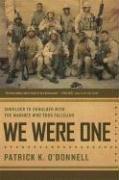
Lima Company, 3rd Battalion, 1st Marines — Fallujah, November 2004. O'Donnell embedded with the company before and during the assault on the city and produced the most detailed account available of what urban combat at the squad and platoon level looked like in the most intense battle of the Iraq war. Fourteen Lima Company Marines were killed in a few weeks of fighting. O'Donnell documented the tactics, the leadership, and the cost. The best companion to House to House for understanding what Fallujah required of the men who fought it.
The most honest single-volume account of the 20-year war, written by a guy who was actually in the valleys as an advisor, not just in a think tank. Malkasian keeps asking the question the briefings never answered: why did we keep losing to farmers? Long, but it's the one book on Afghanistan that doesn't flinch.

Jim Gant's "one tribe at a time" COIN doctrine and the career it burned down. A cautionary tale about going fully native — it worked tactically and it ended him professionally. Read it alongside the official version, not instead of it.
Finkel embedded with an infantry battalion during the Baghdad surge and came back with the definitive close-up of what those fifteen months actually cost. No politics, no big picture — just soldiers, IEDs, and a commander watching his optimism die by inches. It's the reason Thank You For Your Service had to exist.
The book the Army wishes didn't exist. Frederick reconstructs how a busted, under-led 502nd platoon in Iraq's Triangle of Death came apart and committed the Mahmudiyah murders — not to excuse it, but to show you exactly which command failures light that fuse. Read it as the definitive case study in what happens when leadership checks out and the mission never ends.
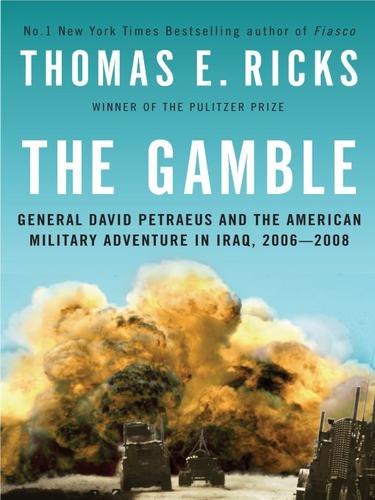
Ricks' sequel to Fiasco, on the 2007 surge and the Petraeus rewrite of a war Washington had already written off. He's clear-eyed that buying time is not the same as winning — the surge worked tactically and the strategy behind it still didn't add up. The best account of how the U.S. tried to un-lose Iraq.
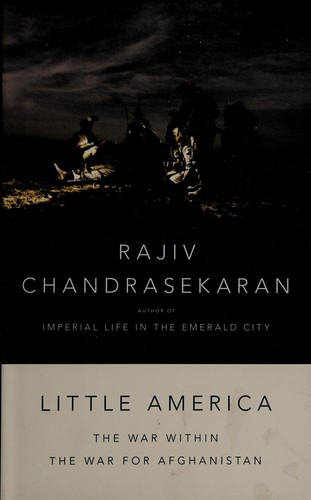
How the U.S. poured billions into Helmand and got a masterclass in self-inflicted wounds — turf wars between agencies, generals fighting each other, and a nation-building fantasy laid over a place that had eaten empires before. Chandrasekaran was there and names names. The subtitle should've been "good intentions, no plan."
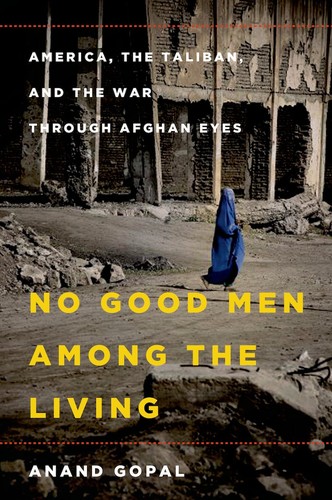
The war told through three Afghans — a Taliban commander, a U.S.-backed warlord, and a housewife — instead of through American press releases. Gopal's reporting shows how we manufactured enemies out of people who'd already quit, then wondered why the insurgency never died. Uncomfortable, essential, and nearly impossible to unread.
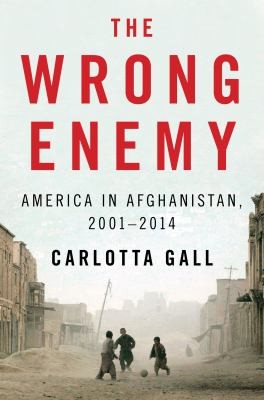
Gall spent a decade covering Afghanistan and comes back with a thesis stated right in the title: we spent twenty years fighting in the wrong country while Pakistan's ISI ran the actual war. Deeply sourced, deeply angry, and hard to argue with. The book that reframes the whole thing.
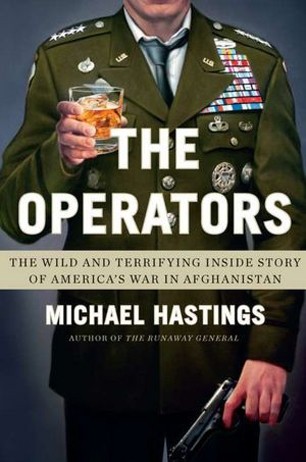
The full story behind the Rolling Stone piece that ended McChrystal's career. Hastings got inside the general's inner circle and wrote down what they actually said about their civilian bosses — then let it run. A blunt, funny, uncomfortable look at the culture at the top of the war.
A reporter embeds with Charlie 1-26 in Adhamiyah during the worst of 2007 — the most casualties of any battalion since Vietnam, a suicide in the ranks, a company that nearly broke. Kennedy tells it without gloss. The title is the whole argument for why men keep going back into that.
The definitive account of the invasion and how a tactically brilliant march to Baghdad set up a strategic disaster nobody planned for. Gordon and Trainor had the access — this is the war room, the assumptions, and the Phase IV that everyone assumed someone else was handling. Read it back-to-back with Fiasco.
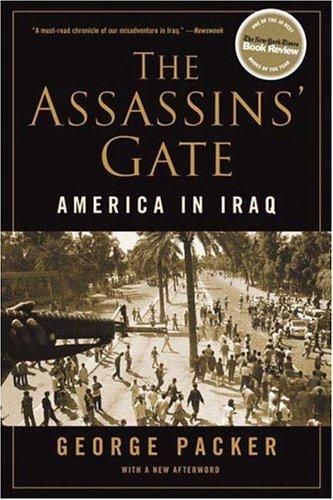
Packer traces the idea of the Iraq war from the think tanks to the wreckage, following the true believers and the Iraqis who paid for their theory. Sympathetic to the intentions, merciless about the execution. The intellectual history of how a war of choice got chosen.
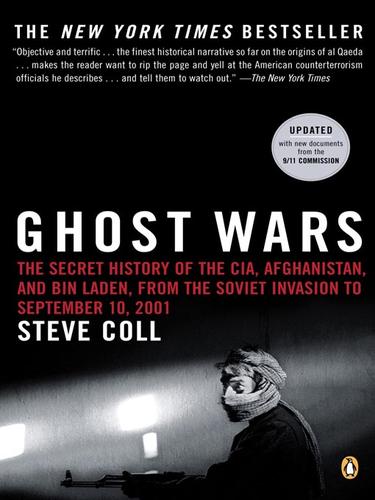
The Pulitzer-winning backstory to 9/11 — the CIA, Saudi money, and Afghanistan from the Soviet withdrawal to the morning the towers fell. If you want to understand where the whole GWOT came from, it starts here, years before anyone in uniform got the call. The essential prequel to everything else on this shelf.
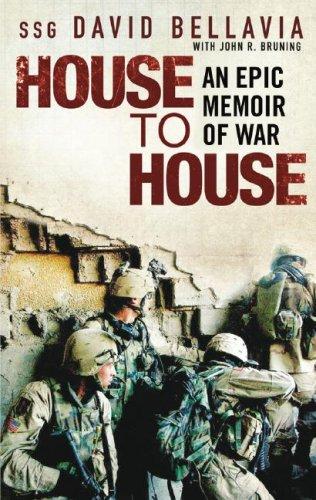
Fallujah, November 2004. Staff Sergeant Bellavia cleared a house full of insurgents by himself. Medal of Honor, 2019. This is the book written before anyone called him a hero — written with the flat, precise honesty of a man who is not sure what he did was heroism versus something else entirely. The most technically detailed account of close-quarters combat in print. Not for everyone. Necessary for many.
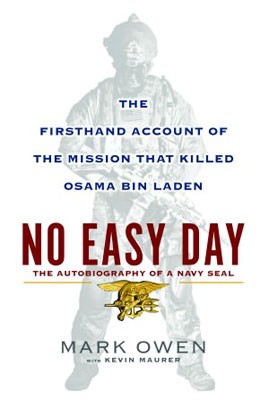
The SEAL who was on the UBL raid wrote this under a pseudonym and was identified within forty-eight hours. Written before the lawyers could close in, in the flat professional tone of a man who found the death of Osama bin Laden to be, in the moment, somewhat anticlimactic. What it is actually like inside Naval Special Warfare Development Group, told without mythology, is worth the read regardless of your feelings about the legal controversy.
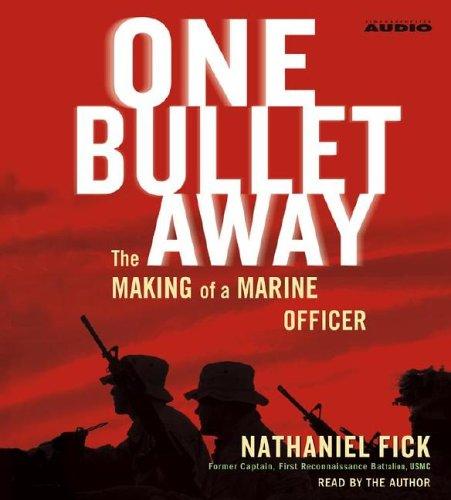
Fick led the same platoon that Evan Wright rode with in Generation Kill — 1st Reconnaissance Battalion during the 2003 invasion. Where Generation Kill is Wright's outsider account, One Bullet Away is Fick's insider account: what it was like to command the platoon from Dartmouth ROTC through TBS through the reconnaissance school through the invasion. The two books should be read together. Fick's account of the gap between what he was taught about leadership and what the invasion actually demanded is the best available account of what initial-entry officer development does and does not prepare officers for.
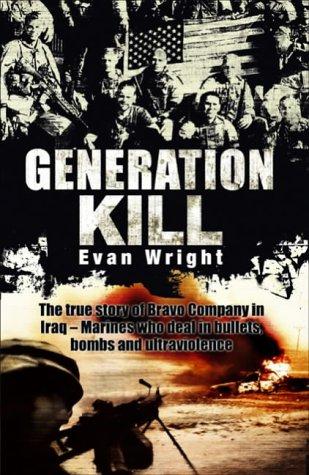
An embedded reporter with 1st Reconnaissance Battalion during the 2003 invasion of Iraq. The real First Recon Marines, before the HBO miniseries made them famous and the fame made them harder to read about honestly. Wright had the discipline to mostly listen, the skill to render what he heard accurately, and the courage to publish it. The gap between what the mission was and what the Marines thought they were doing is one of the most instructive things in the book.
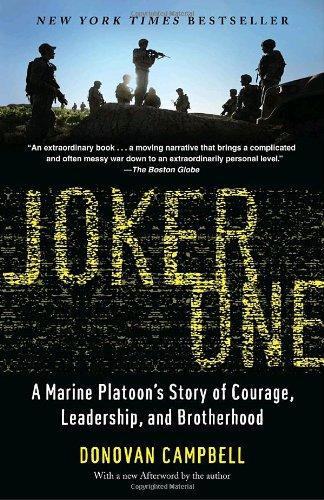
A Marine lieutenant commands an infantry platoon in Ramadi in 2004 — at the time the most dangerous city in the most dangerous country on earth for American forces. Campbell was a Harvard-educated, McKinsey-trained officer who had every credential except the one that mattered, and he writes about learning to lead from the front with an honesty about his own failures that junior officer memoirs rarely achieve. The book is also the most accurate account available of what sustained urban combat in Iraq felt like at the platoon level — the exhaustion, the ethics of ambiguous engagements, and the weight of bringing men home.
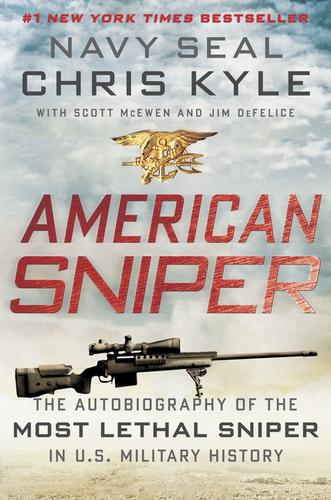
Chris Kyle was the most lethal sniper in American military history — 160 confirmed kills, four tours in Iraq, multiple Silver Stars and Bronze Stars. He wrote this memoir in the flat, professional tone of a man who is not interested in your feelings about what he did. The book does not resolve the moral questions it raises. It does not try to. What it does is document what it actually looks like to do this specific job, in this specific war, for this specific length of time, and what it does to a man's life. Read it alongside The Forever War and Sebastian Junger's Tribe for the full picture of what these wars produced.
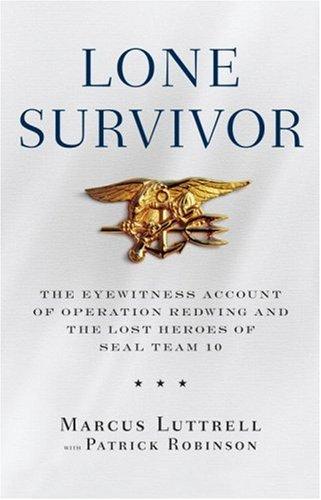
Operation Red Wings, Afghanistan, June 2005. Four SEALs on a reconnaissance mission were compromised by goatherds. They made a vote on what to do. They chose wrong, or right, depending on how you measure. Three SEALs died. Luttrell survived with the help of a Pashtun village that applied the Pashtunwali code at considerable risk to themselves. The book is raw, angry, and does not attempt objectivity. Read it for what it is.
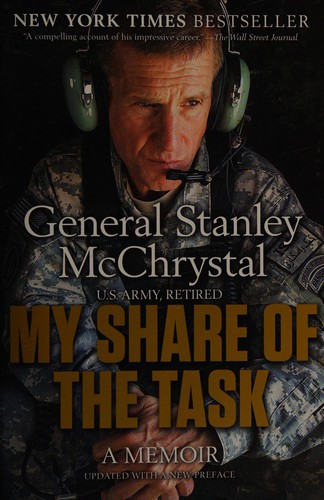
McChrystal's own account of building the JSOC machine that took apart AQI in Iraq. Read it for the network-hunting doctrine that became Team of Teams, and take the parts where he manages his own reputation with a little salt.
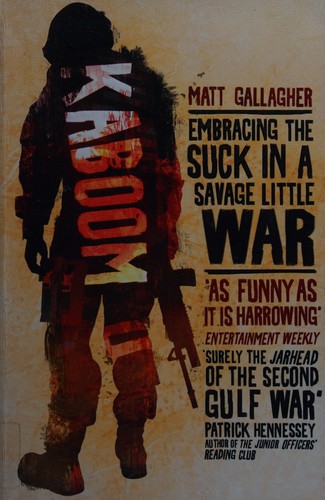
A young lieutenant blogged his Iraq deployment so honestly the Army shut him down — then he turned it into one of the sharpest, funniest, most profane platoon-leader memoirs of the whole war. Gallagher nails the boredom, the absurdity, and the sudden violence of counterinsurgency at the platoon level better than almost anyone. Embrace the suck, indeed.
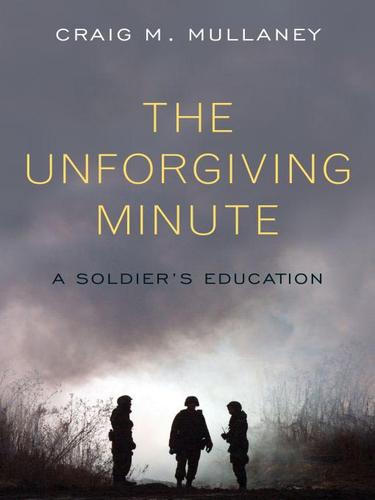
West Point to Rhodes Scholar to a lieutenant's first firefight in Afghanistan, told without the humble-brag most officer memoirs can't resist. Mullaney is honest about how little the schooling prepared him for the moment a soldier died on his watch. The rare officer memoir that admits what it costs.
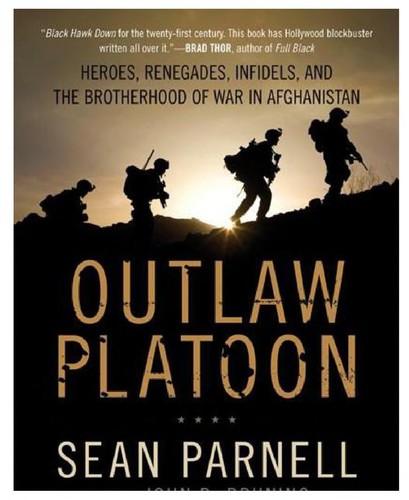
Sixteen months of near-daily contact on the Pakistan border, told at ground level by the lieutenant who lived it. Parnell doesn't philosophize — he puts you in the truck. If you want the infantry-platoon-in-the-worst-place-imaginable experience without the strategy lecture, this is it.
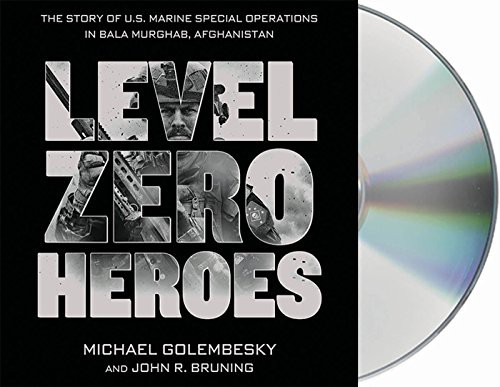
Marine Special Operations and the Air Force JTACs who called the fire in Bala Murghab, one of the ugliest fights nobody back home heard about. Golembesky writes the close-air-support war from the guy on the radio's seat. Technical, brutal, and loyal to the men who didn't come back.
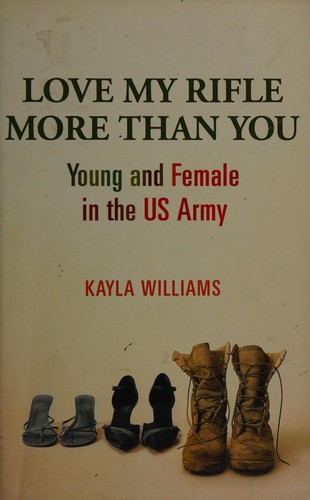
A woman's war, said plainly — an Arabic-linguist MI soldier in Iraq navigating the mission and the men she served alongside. Williams is funny, profane, and refuses to be either a victim or a poster. One of the first honest accounts of what the deployment actually looked like from her side of it.
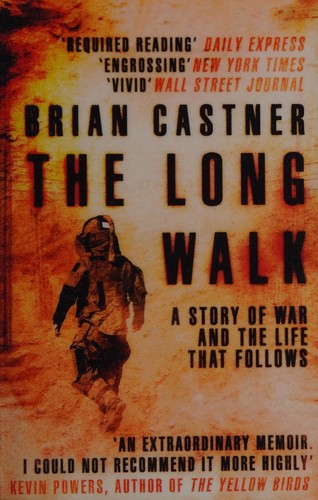
An EOD team leader comes home from disarming bombs in Iraq and can't turn off "the Crazy" — Castner's name for the hypervigilance that follows him around the grocery store. It's the war-and-after in one book: the job that demands perfect calm, and the nervous system that never forgives you for it. The best thing written on EOD and what it leaves behind.
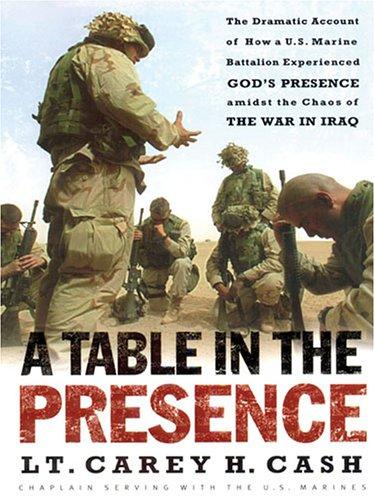
A Navy chaplain with 1st Battalion, 5th Marines on the march to Baghdad, writing about faith under fire without turning it into a recruiting tract. Cash is honest that combat makes believers and doubters in equal measure. A quieter book than the shoot-'em-ups, and it stays with you.
The story of Combat Controller John Chapman, who fought alone against an enemy assault on Takur Ghar and earned a posthumous Medal of Honor — the reconstruction from surveillance footage is harrowing. This is the AFSOC ethos on the page, no gloss required. If you wear the beret or want to understand the people who do, read it.
Klay served as a Marine officer in Iraq and published this collection of linked stories in 2014, winning the National Book Award. Each story inhabits a different character — a mortuary affairs Marine, a civil affairs officer, a reservist returning home, a veteran working in a dog shelter — and together they build the most complete portrait of what the Iraq and Afghanistan wars produced at the human level. Klay does not sentimentalize and does not condemn. He documents. The result is the finest American war fiction of the post-9/11 era, and the one that will be read alongside Hemingway and O'Brien in fifty years.
Powers served in the Army in Mosul in 2004 and wrote this novel about two soldiers, a year in Iraq, and what happens to one of them. The novel moves between the deployment and the aftermath, between the Euphrates and Virginia, tracking what Private Bartle carries home and what he cannot explain to anyone who was not there. Powers wrote the novel in verse paragraphs — the prose has the compression of poetry — and produced the most formally ambitious fiction of the Iraq war. The National Book Award finalist that belongs on every reading list that includes The Things They Carried.
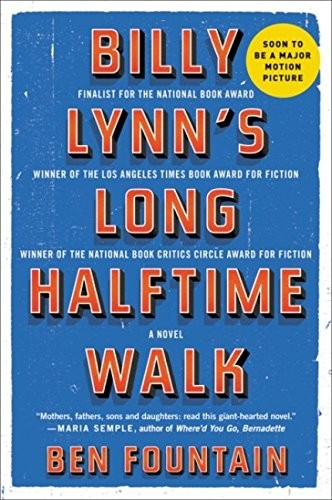
Eight soldiers from Bravo Squad are sent home for a two-week Victory Tour after footage of them in a firefight in Iraq goes viral. The novel covers a single day — a Dallas Cowboys Thanksgiving game — as twenty-year-old Billy Lynn tries to make sense of what he is supposed to be, what the civilians around him think he is, and why going back to Iraq feels less impossible than staying home. Fountain spent twenty-five years writing fiction before publishing this novel at fifty-four. The most precise satire of the relationship between American civilian culture and its wars in the post-9/11 literature.
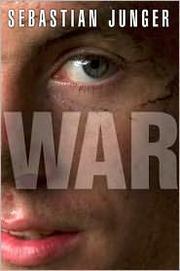
Junger embedded with a platoon of the 173rd Airborne Brigade in the Korengal Valley — the most dangerous valley in Afghanistan — for months at a time over two years, and wrote the account of what sustained combat does to the men who fight it. Not what it does to their politics or their opinions about the mission. What it does to their bodies, their friendships, their relationship to fear, and — the observation that drives everything — why so many of them miss it when it is over. The companion to Tribe and the best nonfiction account of what infantry combat in Afghanistan actually looked like at the platoon level.
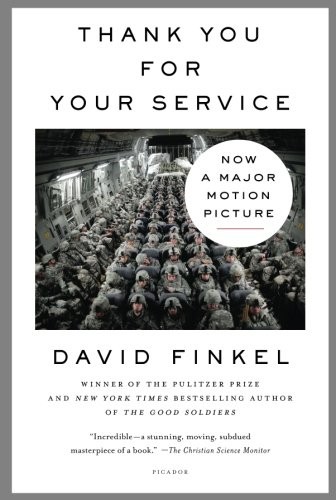
Finkel embedded with the 2-16 Infantry Battalion in Iraq and wrote The Good Soldiers. He then went back to find the men from that battalion years later — back in Kansas, trying to reintegrate — and wrote this account of what the war had done to them and what the country had and had not done about it. The title is the sentence most veterans hear most often and understand least. The book documents what is behind that sentence: the traumatic brain injuries, the marriages that didn't survive, the VA appointments that did not happen, and the specific, identifiable, treatable suffering that a sentence cannot address.
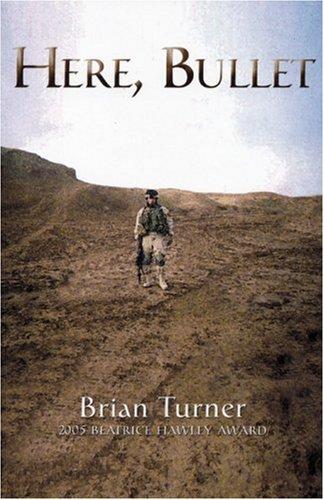
Turner was an infantry team leader in Iraq before he was a poet, and it shows — these are war poems with the safety off, written by someone who was actually on the gun. Short, unsparing, and more true than most of the memoirs. Read the title poem and try to forget it.
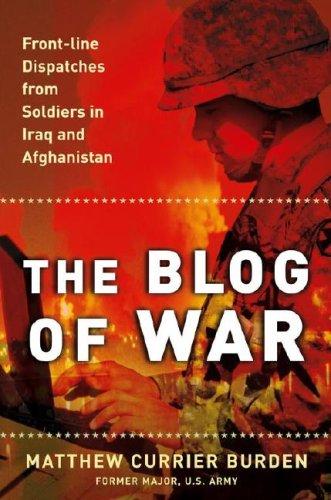
Before the memoirs got written and edited, troops were posting the war in real time — Burden collected the raw milblog dispatches from downrange and the home front. It's the unfiltered version, grammar mistakes and all, from people who didn't know yet how the story ended. A time capsule of the war as it was actually being lived.