Ancient & Classical Warfare
The oldest war stories are still the sharpest, which is why the Greeks and Romans never left the professional reading lists. This shelf covers the foundational campaigns and the classical texts on strategy, command, and courage — Thucydides, Caesar, Xenophon, and the modern histories that bring the phalanx and the legion back to life. The tactics changed; the human problems didn't.
Buy links go to Bookshop.org (which supports independent bookstores) and Amazon. Some are affiliate links — if you buy, we earn a small commission at no extra cost to you. As an Amazon Associate we earn from qualifying purchases. It never affects which books are on this list or how we describe them. How this works.
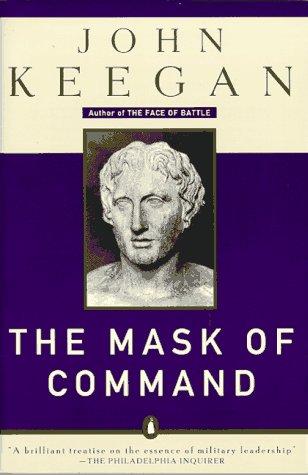
Keegan examines four commanders — Alexander, Wellington, Grant, and Hitler — to ask what heroic leadership actually requires and how the model has changed as armies have changed. His central argument: that the Homeric model of the leader who leads from the front, shares danger with his men, and makes himself visible in the decisive moment became impossible in industrial-age war, and that Grant's model — the commander who accepts invisibility, manages information, and leads through institutional will rather than personal display — is the model that works in modern war. Keegan's final chapter on the anti-hero, the democratic commander who cannot rely on divine right or personal charisma, is the best analysis available of what military leadership looks like in a society that does not celebrate martial values.
Written 2,500 years before your current chain of command was born. Every general cites it. Most politicians misquote it. Read it so you can tell the difference — and so you understand why the enemy who reads it too is not automatically beaten. Five chapters take longer to internalize than they do to read. That is the point.
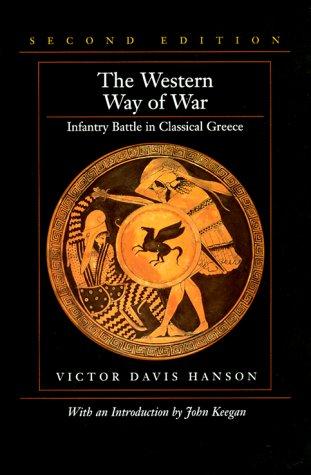
Hanson's argument that Greek hoplites invented the Western habit of settling wars in one deciding, head-on collision of infantry. Contested among academics, but it will change how you think about why Western armies still crave the decisive battle.
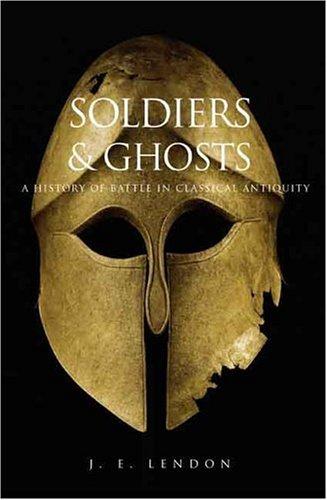
A history of battle in Greece and Rome arguing that culture and the pull of the heroic past drove how men fought, not just tactics. Traces the thread from Homer's warriors to the legions. Smart on the thing every military actually runs on: what the ancestors would think.
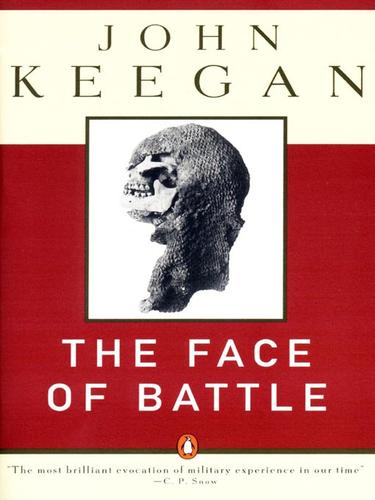
Keegan decided to write a military history that told the truth about what battle actually feels like for the men who fight it — not for the generals who direct it. Agincourt, Waterloo, the Somme: three battles, three centuries, one devastating argument that military history has consistently failed to describe what happens to a human body and a human mind under sustained combat. The chapter on the first day of the Somme — July 1, 1916, 57,470 British casualties — is the most important piece of military writing produced in the twentieth century. It should be assigned in every war college on earth and has not yet changed anything.
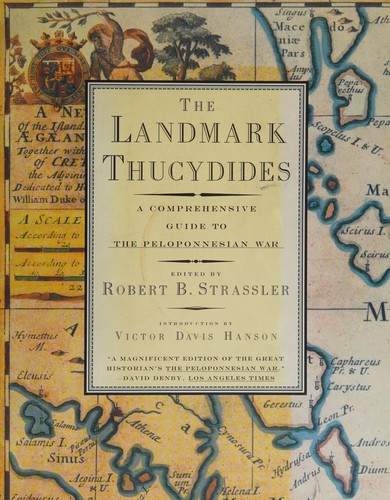
Thucydides was an Athenian general who was exiled for a military failure, spent twenty years documenting the Peloponnesian War with the impartiality of the irrelevant, and produced the founding text of strategic analysis. The Landmark edition — with maps, appendices, and notes that make the text navigable for non-classicists — is the standard military education version. The Melian Dialogue, Pericles' Funeral Oration, and Thucydides' account of the Sicilian Expedition remain the most precise available analysis of the gap between strategic optimism and strategic reality. On the CSA reading list because every officer who has ever thought about power, alliance politics, and the decision to go to war has been thinking about Thucydides, whether they know it or not.
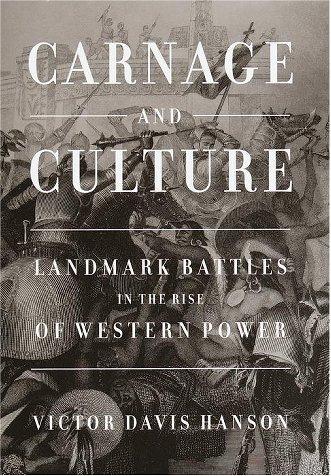
Hanson argues that the Western tradition of decisive battle — the convention that war is won by destroying the enemy's army in open engagement rather than raiding, attrition, or maneuver — is not a military preference but a cultural product. His case studies from Salamis through Midway make the argument that Western armies' consistent success against larger non-Western forces derives from civic values that produce tactical and organizational qualities unavailable to armies that serve authoritarian states: individual initiative, free information flow among officers, and the willingness to absorb casualties to achieve decisive results. The argument is contested among historians but directly relevant to current thinking about the relationship between political systems and military effectiveness.
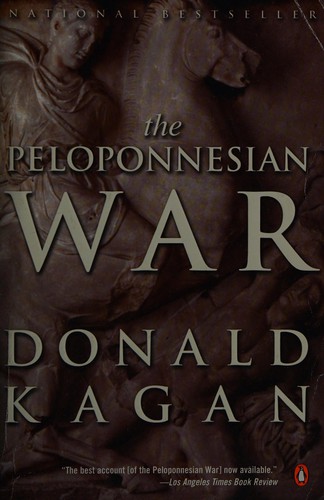
Kagan spent a career on this war and boiled it into one readable volume: Athens and Sparta grinding each other into dust over 27 years, with every lesson about hubris, alliances, and democracies at war that Newport wants in your head. Read it alongside Thucydides, not instead of him. It's the war strategists keep returning to, mostly because we keep repeating it.
The original war correspondent, writing 2,500 years ago about the Greco-Persian Wars. Part history, part travelogue, part gossip — but the Marathon and Thermopylae accounts are where the West started keeping score. Read it for where the whole genre came from.
Caesar writing his own after-action reports from Gaul and the civil war, propaganda and all. The Landmark edition buries you in maps, so you can actually follow the maneuver instead of guessing. The clearest look you'll get at how a Roman army moved and fought, from the man running it.
Ten thousand Greek mercenaries stranded deep in enemy territory after their employer gets killed, fighting their way home. Xenophon was there and got voted in to lead part of it — this is small-unit leadership under nonstop contact, written by the guy holding the bag. The original Anabasis.
The best surviving account of Alexander's campaigns, built from the officers who actually served with him. Maps and appendices let you trace every fight from the Granicus to India. If you want to understand operational reach before the word existed, start here.
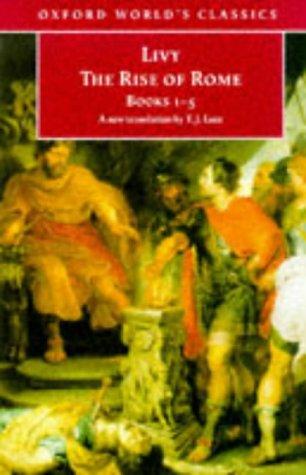
Livy's telling of how a mud-hut town on the Tiber clawed its way to the top. Half legend, half history, all national myth-making — the Romans' own origin story about the discipline and sheer stubbornness that built the machine.
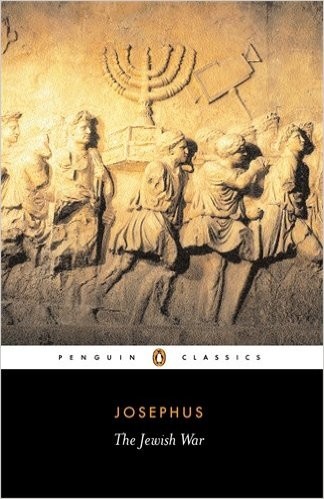
A firsthand account of the Roman siege that leveled Jerusalem in AD 70, written by a man who commanded the rebels, surrendered, then switched sides. Brutal and conflicted, and unmatched on the mechanics of a Roman siege from both ends of the wall.
The Peloponnesian War told by type of fighting — sieges, plague, cavalry, terror — instead of year by year. The right companion to Thucydides when you want the how of the killing, not just the political narrative.
The real Sparta behind the movie — a society engineered from birth into a single instrument of war, propped up by a slave population it had to terrorize to keep in line. Cartledge is the authority, and he doesn't romanticize the price of that machine.
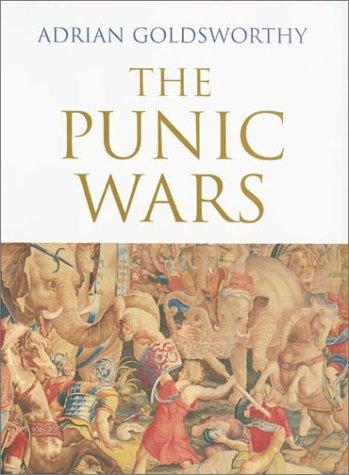
The century-long death match between Rome and Carthage for the western Mediterranean. Goldsworthy is the modern go-to on ancient warfare — clear on the strategy, honest about the staggering casualties, and readable start to finish.
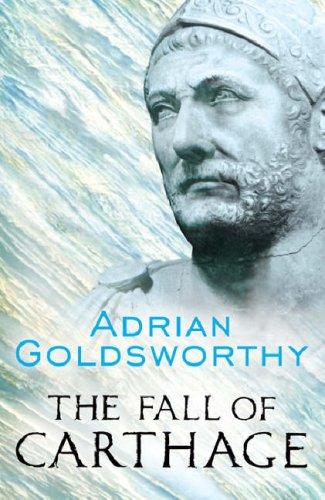
The Punic Wars from Rome's rise as a naval power to the day it salted the earth where Carthage stood. Goldsworthy on how a land power learned to win at sea and then annihilated a rival for good.
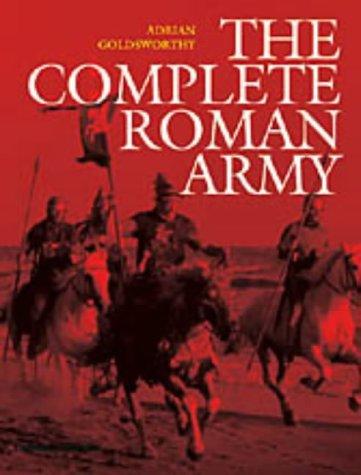
The reference on how the legions actually worked — recruitment, pay, kit, training, logistics, life in garrison and on campaign. If you want the ancient world's answer to a modern MTOE and the daily grind, this is it.
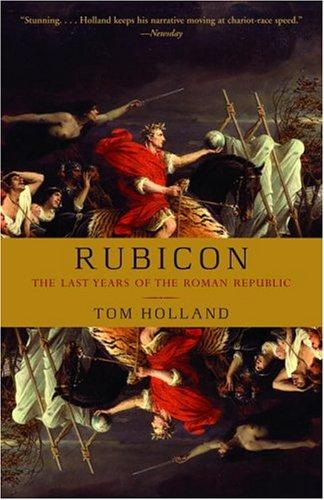
The fall of the Roman Republic told at a sprint — ambition, debt, mobs, and the generals who broke the system to win. Holland writes ancient history like a thriller without faking the sourcing. The best on-ramp to why Rome traded its Republic for an emperor.
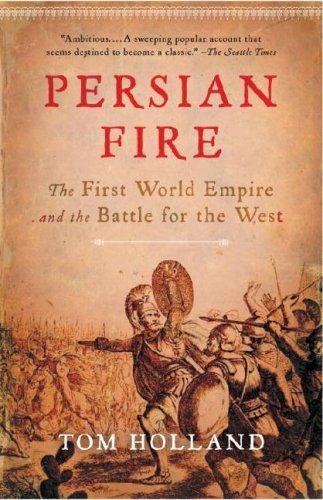
The Greco-Persian Wars from the Persian side up — the superpower that ruled the known world and the handful of feuding city-states that told it no. Marathon, Thermopylae, Salamis, told with pace and real scholarship.
What happened after Alexander dropped dead at 32 with no heir — his generals carved up the empire in a 40-year knife fight. Romm on the succession war nobody teaches, and the lesson that the hardest part of conquest is what comes after.
The narrative biography that Oliver Stone's film leaned on — Lane Fox on the young king who never lost a battle and never stopped marching. Vivid on the man, honest about the wreckage he left. Still the popular standard 50 years on.
The Carthaginian who marched elephants over the Alps and spent 15 years wrecking Roman armies in their own backyard — and still lost the war. Bradford tells it as the study in brilliant tactics that can't overcome a rival that simply refuses to quit.
A full-length life of Caesar as soldier and politician, by a historian who actually understands how the army worked. The definitive modern biography — the ambition, the campaigns, and the coup that ended the Republic.
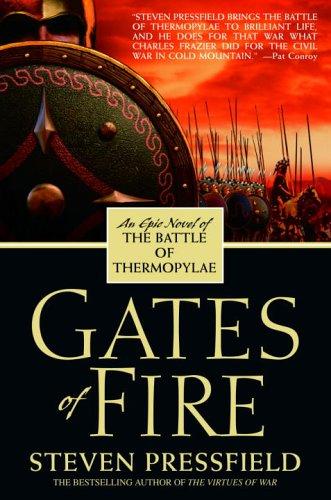
Three hundred Spartans at Thermopylae, told from the perspective of the sole survivor — a body servant, not a warrior, which turns out to be the better vantage point. Pressfield researched the Spartan military culture to uncomfortable depth and then wrote a novel that makes you feel the weight of their shields. Assigned reading at West Point, Annapolis, and every leadership course that wants to look like it takes things seriously. There is a reason.