WWII: The Pacific
The Pacific war is where sea power, air power, and amphibious assault collided at a scale the world hasn't seen since — and where the current Indo-Pacific competition draws its hardest lessons. This shelf runs from the carrier battles to the island fights to the memoirs of the men who were there. History that reads like the future's warning.
Buy links go to Bookshop.org (which supports independent bookstores) and Amazon. Some are affiliate links — if you buy, we earn a small commission at no extra cost to you. As an Amazon Associate we earn from qualifying purchases. It never affects which books are on this list or how we describe them. How this works.
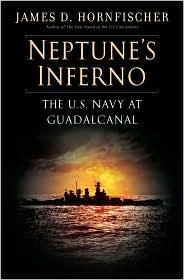
Guadalcanal's naval campaign, 1942-43. The Navy losing ships faster than it could replace them, fighting night surface battles against Japanese forces that were, for a sustained period, tactically superior. Hornfischer wrote six of the best naval history books ever produced and this is arguably the best. You will learn what it means to fight a ship, what it costs to command one, and why the men who did it at Guadalcanal deserve more recognition than they have received.
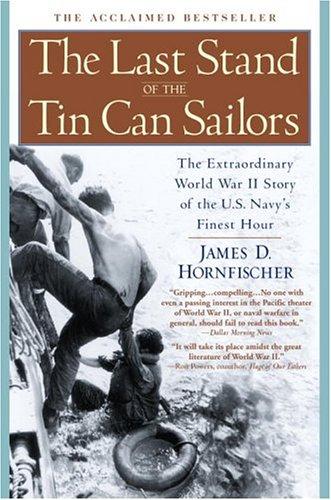
Leyte Gulf, October 1944. A formation of destroyers and destroyer escorts—antisubmarine ships—charged a Japanese fleet of battleships, heavy cruisers, and destroyers to protect the escort carriers of Taffy 3. The math was impossible. They knew the math was impossible. They did it anyway. The highest award for valor given to a ship in U.S. Navy history went to USS Johnston's commander that day. Every surface warfare officer should read this book twice.
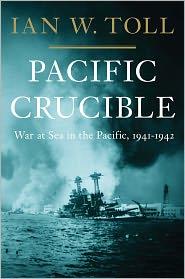
The first volume of Toll's Pacific War trilogy — from Pearl Harbor through the Battle of Midway. Toll is the finest naval historian writing today. His reconstruction of how the Pacific Fleet rebuilt from Pearl Harbor, how carrier aviation doctrine evolved in four months of combat, and how the intelligence work behind Midway actually functioned is the best account available of the most consequential naval battle of the war. The Midway section, in which six minutes of dive-bombing destroyed three Japanese carriers and decided the Pacific war's direction, is the most gripping narrative in naval history writing since Hornfischer.
Morison served as official U.S. Navy historian during WWII and sailed with the fleet to compile his fifteen-volume history. This single-volume condensation is the essential account of American naval operations across both oceans: the Atlantic convoy battles, the Pacific carrier campaigns, the amphibious assaults, and the submarine war that strangled Japan's supply lines. Morison wrote with the authority of a man who was there and the rigor of a Harvard historian. The standard reference for anyone who wants to understand what the Navy accomplished between 1941 and 1945.
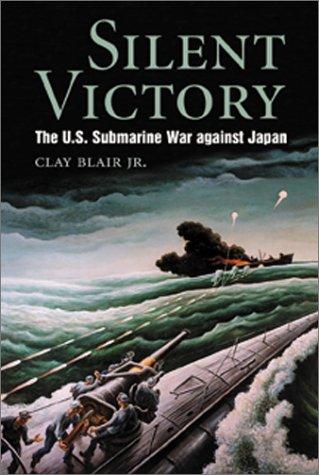
The history of the American submarine war against Japan — the campaign that sank four million tons of Japanese shipping and cut Japan off from the oil and raw materials that kept its war machine running. Blair spent years on the operational records and produced the most complete account of what the submarine service accomplished: a strategic campaign that destroyed Japan's capacity to fight without being recognized as such at the time. The early chapters on the torpedo failures — American torpedoes that ran too deep and whose contact exploders did not work — and the institutional resistance to acknowledging the defect are a case study in how military organizations deny problems that reflect badly on institutional decisions.
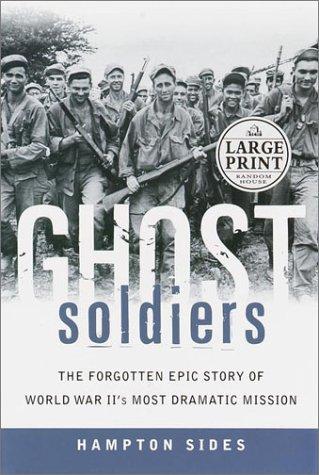
The Bataan Death March survivors, Cabanatuan prison camp, and the Army Ranger raid that rescued them in January 1945. One hundred and twenty-one Rangers, Alamo Scouts, and Filipino guerrillas executed a thirty-mile infiltration behind Japanese lines to rescue 513 POWs in the last stages of starvation. The planning, the execution, and the reception of the rescued men are all equally compelling. Nobody talked about it for forty years.
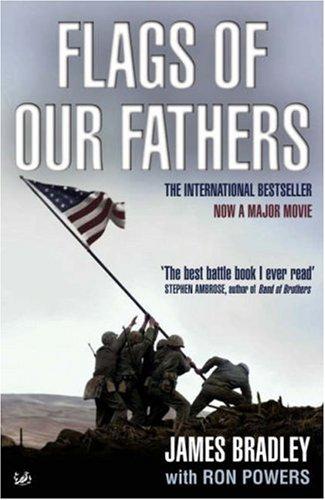
The story of the six men who raised the flag at Iwo Jima — told by the son of one of them. Bradley spent years interviewing survivors and reconstructing not just the battle but what happened to the men who became accidental symbols of American victory: the bond tours, the celebrity, the drinking, the silence about what they had actually seen. Iwo Jima produced more American casualties in six weeks than the entire Gulf War. The flag photograph became the most reproduced photograph of WWII. The distance between the image and the reality is what this book is about.
The standard one-volume history of the Pacific theater from Pearl Harbor to the Japanese surrender — written before the memoirs and oral histories of the 1990s but with access to the post-war decryptions and strategic assessments. Costello covers the naval battles, the island campaigns, the strategic bombing campaign, and the decision to use atomic weapons with the analytical rigor of a military historian who understood that the Pacific was a fundamentally different kind of war from Europe: coalition-less, supply-intensive, and decided ultimately by industrial capacity and carrier aviation.
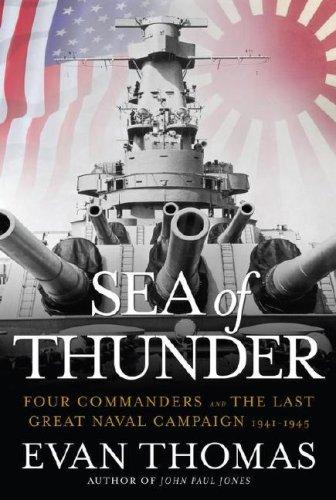
Four commanders at the Battle of Leyte Gulf — two American, two Japanese — and what the largest naval battle in history looked like from the inside of command. Thomas captures why naval command is one of the most isolating jobs on earth: you are making decisions with incomplete information, at distance, with no ability to correct before the shells land. The battle produced both the greatest offensive charge and the greatest command failure in American naval history simultaneously.
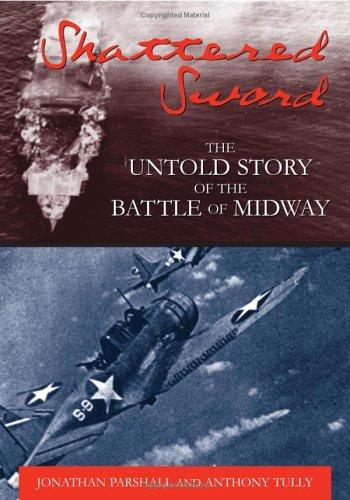
The Battle of Midway told from the Japanese carrier decks, using their own records — and it quietly demolishes half the legends you were taught. No 'five minutes' miracle, no fully-armed strike waiting on deck; just doctrine, hubris, and damage control done wrong. Read it before you repeat the myth.
Prange's blow-by-blow of the four days that broke Japan's offensive, built on decades of interviews with both sides. Dense, authoritative, and the standard narrative account for a reason.
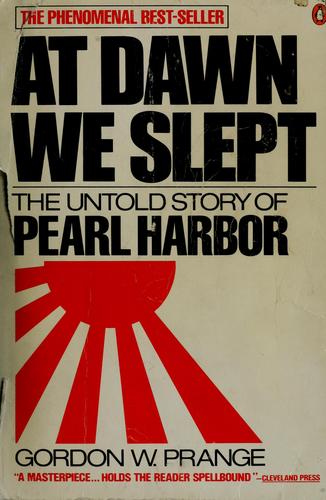
The definitive account of Pearl Harbor — how it was planned, why nobody stopped it, and the intelligence failures that make you wince. Thirty-seven years of research; still the first book anyone cites.
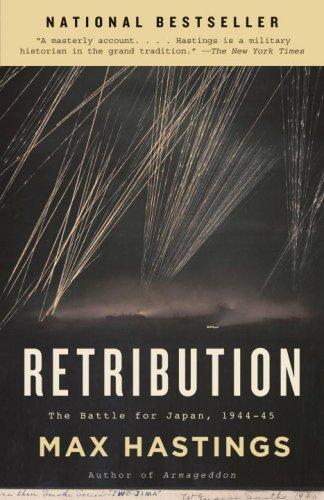
Hastings on the last brutal year of the Pacific war, when victory was certain and men kept dying anyway. Unsentimental about every side, including ours — the firebombing, the atomic bombs, the arithmetic of ending it.
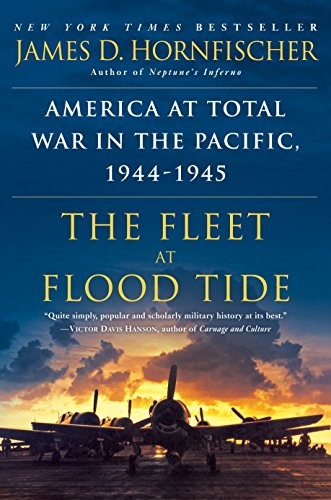
Hornfischer on 1944-45 — Saipan, the Marianas Turkey Shoot, the B-29s, the kamikazes — when the US Navy became the most powerful fleet in history. If you liked Tin Can Sailors, this is the big picture.
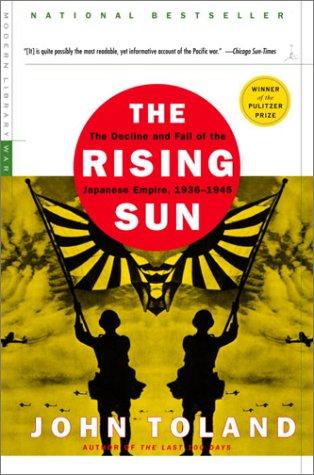
Toland's Pulitzer-winning history of Imperial Japan's war, told largely from the Japanese side — how they talked themselves into it and how it fell apart. Know your enemy's reasoning, not just his order of battle.
The best one-volume history of the whole Pacific war — strategy, politics, and combat in a single clear-eyed sweep. If you read exactly one book on this shelf, Spector is the one.
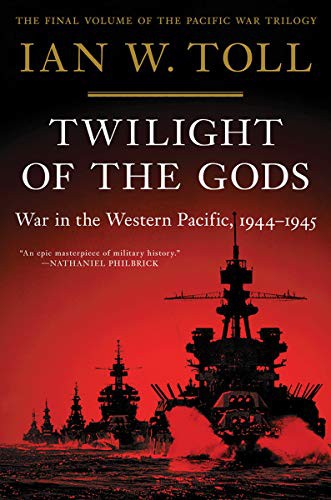
The final volume of Toll's Pacific War Trilogy — Leyte Gulf to the surrender in Tokyo Bay. Big-canvas naval history that reads like a novel and never fudges the human cost.
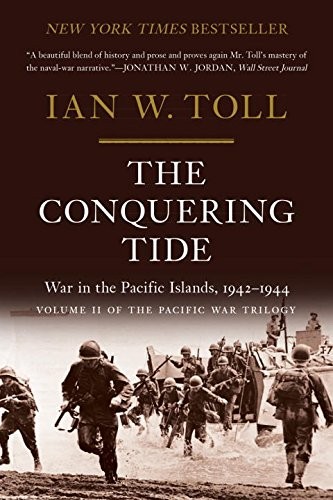
Volume two of Toll's trilogy — Guadalcanal through the Marianas, the grinding middle years when America's industrial machine turned the war. The best modern narrative of the Central Pacific drive.
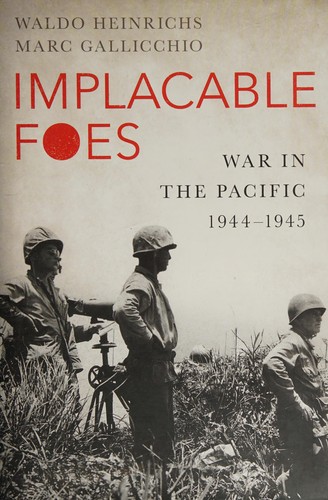
The war after Saipan, when everyone knew Japan would lose, the fighting got worse anyway, and the home front started wanting out. A hard look at the ugly politics of actually finishing a war.
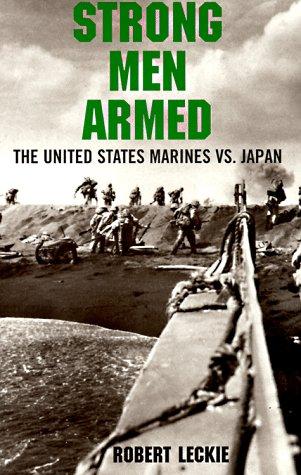
Leckie's history of the Marine Corps' island war, Guadalcanal to Okinawa, written by a man who was there. Blunt, vivid, and unromantic about what it took to take each rock.
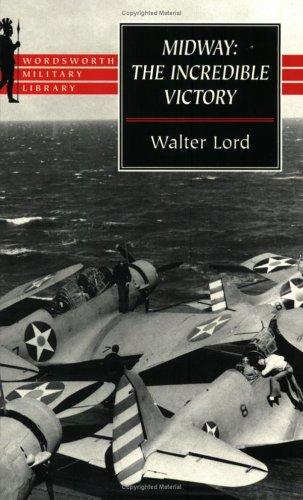
Walter Lord's classic minute-by-minute of Midway, built from the memories of the men who flew and fought it. Later scholarship corrected some of it — see Shattered Sword — but nobody tells the human story better.
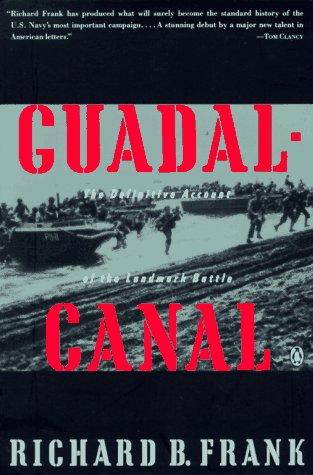
Frank's definitive single-volume account of America's first offensive — land, sea, and air, both sides, no filler. The book historians hand you when you say you want the whole battle.
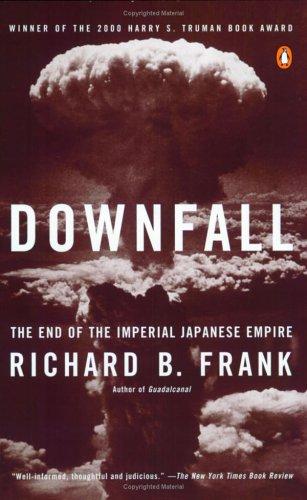
Frank on the planned invasion of Japan and the decision to drop the bomb, working the actual casualty math both sides ran. The most sober book you'll find on the war's most-argued-about ending.
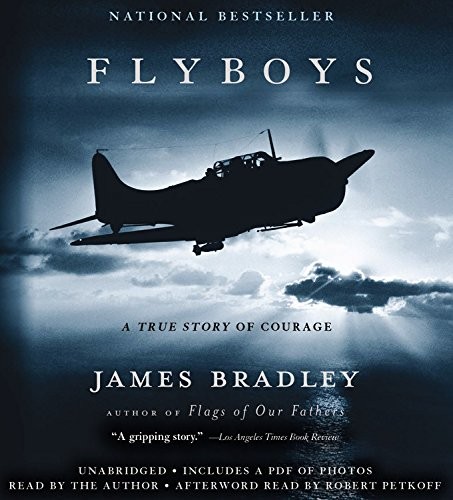
Bradley on the airmen shot down over Chichi Jima and the atrocity their fate exposed. A hard, honest look at cruelty on both sides, from the author of Flags of Our Fathers.
Hornfischer tells the story of the cruiser USS Houston — sunk early, forgotten, and the survivors forced to build the Burma-Thailand 'Death Railway' as POWs. Combat history that turns into a survival story.

The Bataan Death March through one soldier's eyes and every side's records — American, Filipino, and Japanese. Unflinching about surrender, atrocity, and the long guilt that followed.
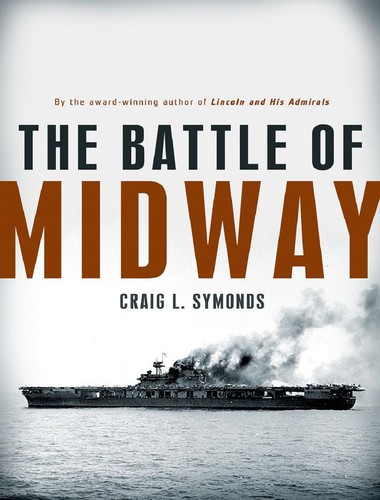
Symonds' modern, tightly argued single volume — the scholarship of Shattered Sword in a leaner package. If you want Midway right and readable, start here.
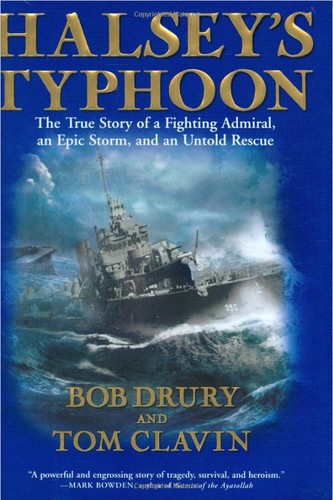
In December 1944 Admiral Halsey sailed his fleet straight into a typhoon that killed nearly 800 men and sank three destroyers — no enemy required. A gripping account of command failure and the sailors who paid for it.
Peleliu and Okinawa, 1944-45. Sledge was a gentle, educated young man from Mobile, Alabama who became an 81mm mortar man in the 1st Marine Division and wrote the most honestly devastating memoir of the Pacific ground war. No heroics. No retrospective meaning-making. Just what it looked like from the coral and mud of two of the worst island battles the Marine Corps ever fought. Ken Burns called it one of the most profound accounts of war ever written by an American. He was right.
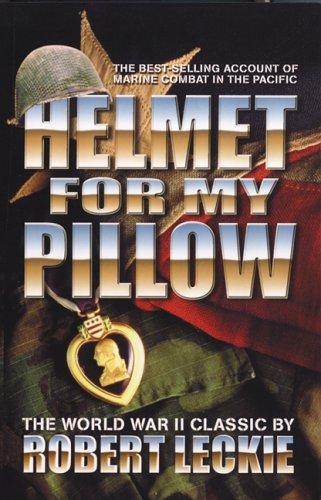
Guadalcanal through the island campaign, written with a journalist's eye and a Marine's unfiltered anger. Leckie is the counterpart to Sledge: sharper, more political, less restrained. Together, their two books constitute the Pacific ground war's ground truth in a way no official history has matched. Leckie writes about the Corps with love and without sentimentality, which is the only honest way to write about the Corps.
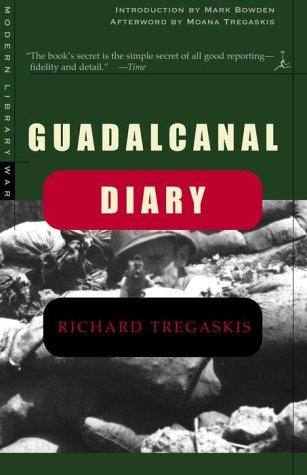
A war correspondent went ashore with the Marines in August 1942 and wrote it down as it happened. Raw, immediate, and the book that told the home front what the Pacific actually cost.
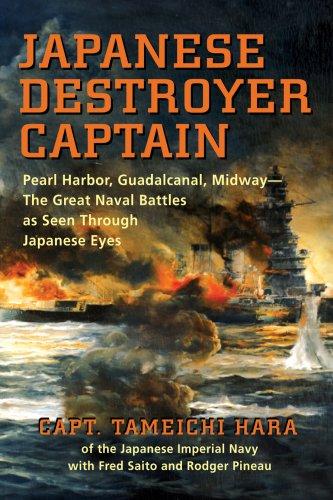
Hara fought from Pearl Harbor to the last suicide sortie of the battleship Yamato and lived to write about it. A rare, unvarnished look at the war from the other bridge — professional, bitter, and human.
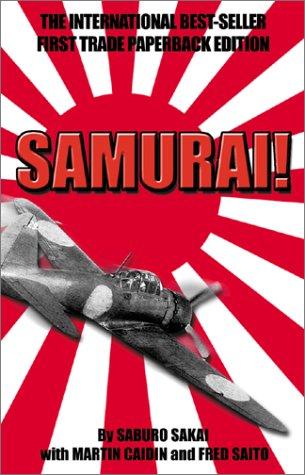
Japan's ace fighter pilot — sixty-plus kills, shot half-blind over Guadalcanal and flew home anyway. A gripping memoir from the cockpit of a Zero, and a reminder the men on the other side were exactly that: men.
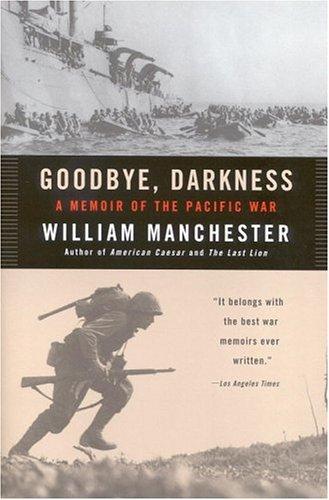
Manchester survived the Pacific as a Marine, then went back decades later to walk the islands and figure out what it did to him and the boys he watched die. Part memoir, part reckoning, all haunting. The best writer on this shelf trying to process the worst thing that ever happened to him.
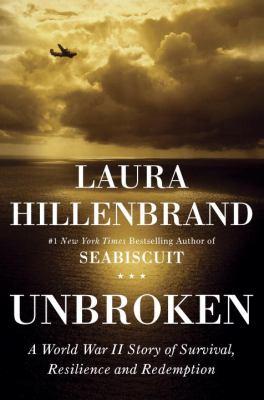
Louie Zamperini was an Olympic runner who became a B-24 bombardier, survived a plane crash over the Pacific, spent forty-seven days on a life raft, was captured by the Japanese, and endured Omori and Naoetsu POW camps under a guard who seemed to have selected him personally for destruction. He survived all of it. Hillenbrand researched and wrote his story with the same obsessive precision she brought to Seabiscuit. You do not need to care about WWII aviation to be destroyed by this book.
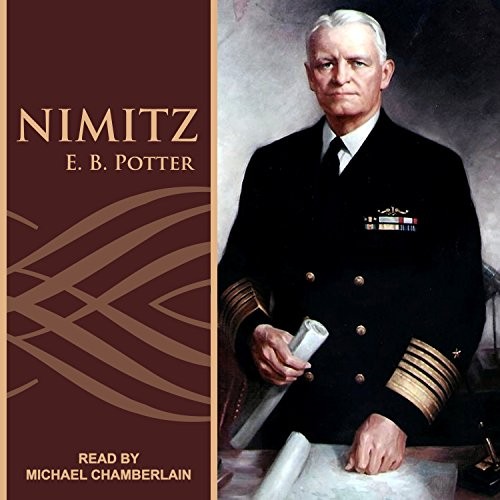
The definitive biography of Fleet Admiral Chester Nimitz — the man who rebuilt the Pacific Fleet after Pearl Harbor and commanded it to victory. Potter had access to Nimitz's papers and to Nimitz himself. The result is the best study available of how quiet, methodical competence under sustained pressure operates at the highest level of naval command. Nimitz never dramatized anything. Neither does Potter.

Symonds, the Navy's premier WWII historian, wrote this account of Chester Nimitz's command of the Pacific Fleet from Pearl Harbor through the Japanese surrender — focused specifically on Nimitz as a commander rather than on the battles he directed. His argument: that Nimitz's greatest contribution was not tactical brilliance but the command climate he created — the willingness to give subordinates authority, to accept risk, and to protect capable officers from institutional politics while relieving commanders who couldn't deliver. The contrast with MacArthur runs through every chapter. On the CMC and CNO reading lists as the model of what theater-level command leadership looks like.
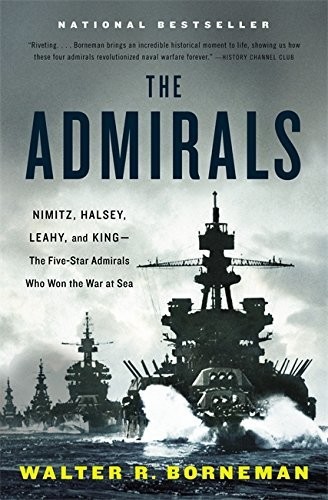
Four Fleet Admirals — Leahy, King, Nimitz, and Halsey — the only men ever to hold the five-star rank in the U.S. Navy, and the four very different approaches to command they represent. Leahy was the political advisor who managed the relationship between the military and the White House. King was the brilliant, difficult, feared architect of the global naval strategy. Nimitz was the methodical, steady commander who rebuilt a destroyed fleet. Halsey was the aggressive, charismatic leader whose errors at Leyte Gulf were as spectacular as his earlier victories. Borneman shows how a complex coalition command works when four powerful, competing personalities have to function as a system.
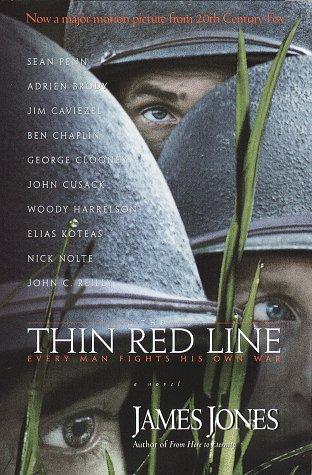
Jones served in the U.S. Army at Guadalcanal and wrote the finest American novel of combat in the Pacific war. Where From Here to Eternity addressed the peacetime Army before Pearl Harbor, The Thin Red Line addresses the infantry in actual combat — the Guadalcanal campaign as experienced by the men of C-for-Charlie company, their psychology under fire, the random quality of who lives and who dies, and what combat does to the idea that there is any order or logic to survival. Jones was not interested in heroism as a concept. He was interested in what men actually do when the situation is genuinely impossible.