Resistance & Guerrilla War
Irregular war is the oldest and most common kind, and the side with the tanks doesn't always win. This shelf covers resistance movements, partisan campaigns, and the theory and practice of guerrilla warfare — how small forces bleed big ones, and what it takes to fight, or beat, an insurgency. Essential for a force that keeps meeting it.
Buy links go to Bookshop.org (which supports independent bookstores) and Amazon. Some are affiliate links — if you buy, we earn a small commission at no extra cost to you. As an Amazon Associate we earn from qualifying purchases. It never affects which books are on this list or how we describe them. How this works.
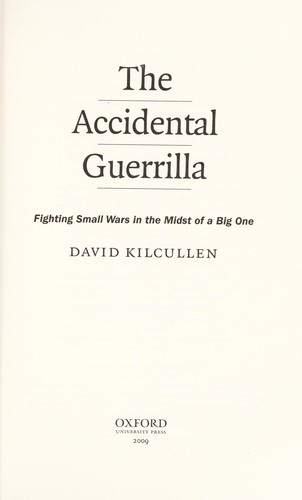
Kilcullen served as a senior advisor in Iraq and Afghanistan and wrote the most operationally grounded critique of counterinsurgency strategy available. His argument: that most people who take up arms against coalition forces are not ideological enemies — they are local people responding to the presence of foreign soldiers in their communities, recruited by a core of committed insurgents who exploit the accidental guerrilla syndrome. The prescription: distinguish between the core insurgents and the accidental guerrillas and fight them differently. The framework that shaped the surge in Iraq.
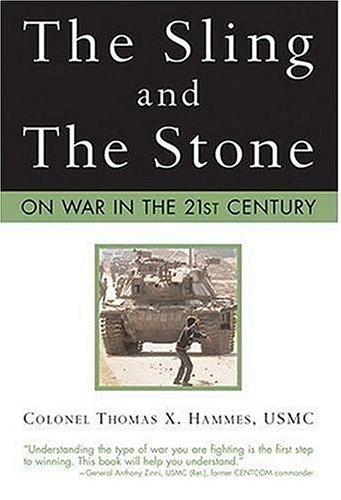
Hammes's fourth-generation-warfare argument: your enemy doesn't need to beat your military, just your will. Wonky and repetitive in spots, but it reframed how a generation of SOF thought about insurgency.
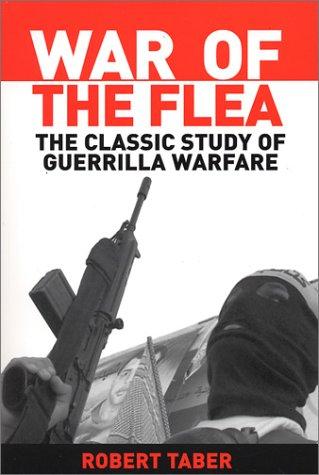
The 1965 classic on guerrilla war told from the guerrilla's side — the flea that bleeds the dog to death. Old, but it explains why the strongest army keeps losing to the weakest enemy better than most things written since.
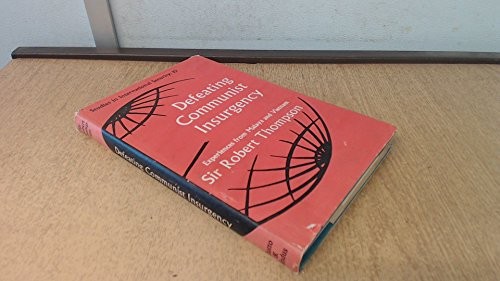
Thompson helped win in Malaya, then watched Vietnam ignore every lesson. Five principles for beating an insurgency, written by a man who'd actually done it, which is more than most of the people who sent troops could say.
The British officer's blueprint for subversion, insurgency, and 'peace-keeping,' drawn from Kenya, Malaya, and Northern Ireland. Cold, controversial, and hugely influential on how modern armies think about the fight below the threshold of war.
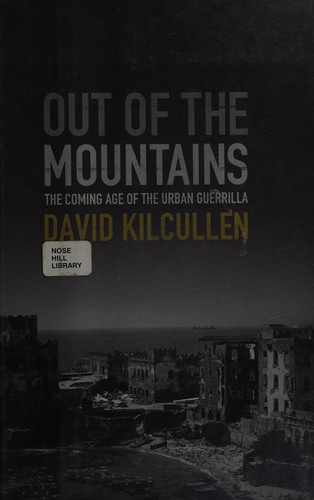
Kilcullen's argument that the next irregular wars won't be in the mountains but in crowded, wired, coastal cities. Where the fight is going, and why the tactics that worked in the valley won't.

Fanon's incendiary case for anticolonial violence: the book that armed a generation of insurgents with a philosophy, not just rifles. Read it to understand the enemy's why, which is the part firepower can't touch.
Twelve Special Forces soldiers in Afghanistan in October 2001, embedded with Northern Alliance forces and riding horses into Taliban positions while calling precision air strikes from B-52s overhead. ODA 595 was doing something that had not been done in American combat since the Indian Wars. Stanton embedded with survivors and reconstructed the campaign. The book is the definitive account of how a small unconventional force leveraged fifty years of SF doctrine — population engagement, by-with-and-through, direct action — to help collapse a government in weeks. Everything the Army had been told SOF could not do.
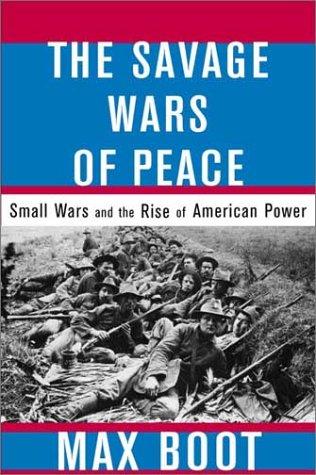
Boot's history of American small wars — from the Barbary pirates through the Philippines insurrection through Nicaragua and Haiti — makes the argument that unconventional conflict is not a modern aberration but America's default mode of military engagement. The United States has fought one major conventional war against a peer competitor and dozens of small wars, expeditions, and counterinsurgencies, most of which are forgotten except by military historians. The book is essential background for understanding why FM 3-24 was not a new idea in 2006, and why the institutional tendency to treat counterinsurgency as a temporary detour from real war is both historically illiterate and operationally dangerous. On the CGSC core reading list because Leavenworth has been trying to teach this lesson for decades.
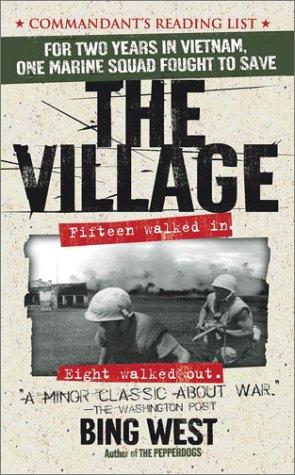
Combined Action Platoons in Vietnam. Marines embedded in Vietnamese villages to live, eat, sleep, and fight alongside the people they were protecting. It worked tactically and by most measures strategically. The MACV command never wanted to scale it because it threatened the conventional force structure's dominance. West watched an idea that worked get deliberately abandoned. He has not forgotten it. This book is why.
Fall watched France lose Indochina and wrote the book America should have read before Vietnam and didn't. The definitive study of how a Western army gets ground down in a war it doesn't understand — still assigned for a reason.
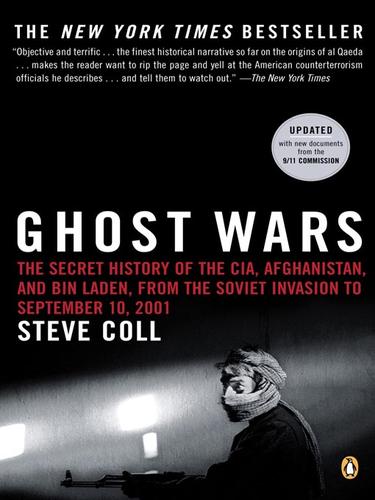
The Pulitzer-winning backstory to 9/11 — the CIA, Saudi money, and Afghanistan from the Soviet withdrawal to the morning the towers fell. If you want to understand where the whole GWOT came from, it starts here, years before anyone in uniform got the call. The essential prequel to everything else on this shelf.
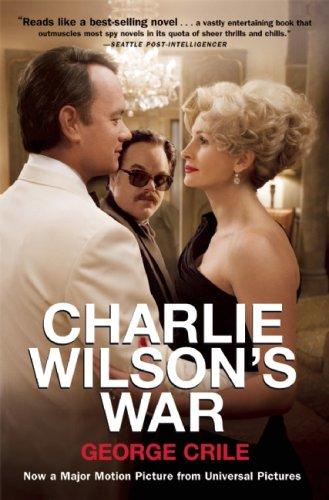
How a hard-partying Texas congressman and a rogue CIA officer ran the largest covert operation in history, arming the Afghan mujahideen to bleed the Soviets dry. A wild ride that also happens to explain a lot about the mess that came after.
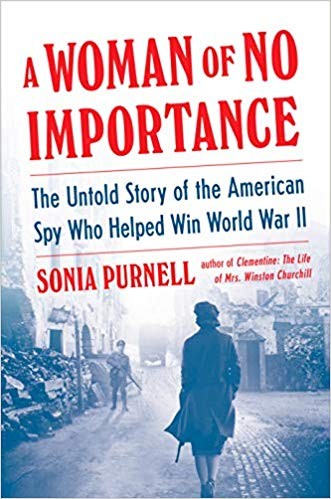
Virginia Hall — a one-legged American who became the Gestapo's most-wanted Allied spy in France, running networks the men underestimated right up until they were begging her for help. Purnell rescues her from the footnotes with real archival work. The Nazis called her 'the limping lady'; they never caught her.
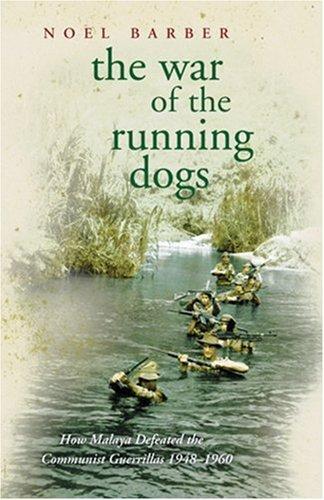
The Malayan Emergency, 1948-1960: the one counterinsurgency the West actually won, and it took twelve years of patient, unglamorous work to do it. If you want to know why 'home by Christmas' is a lie, start here.
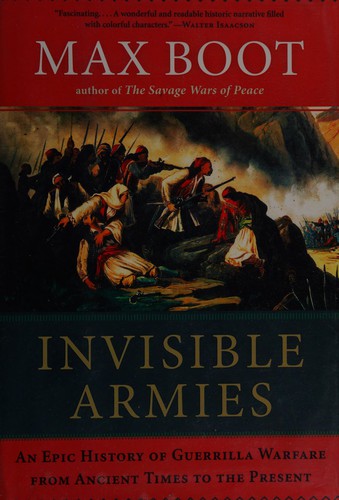
Five thousand years of guerrilla and irregular war in one sweeping history. Boot's point lands hard: this messy, drawn-out stuff is the normal way wars get fought. The clean set-piece battle is the exception.
How Petraeus and a band of true-believer officers dragged COIN doctrine back into an Army that had buried it after Vietnam. A clear-eyed look at whether the theory ever actually delivered on the ground in Iraq and Afghanistan.
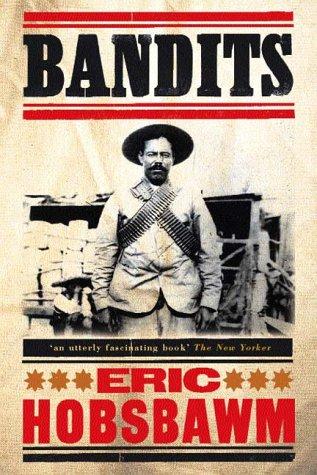
Hobsbawm on the 'social bandit': the outlaw the state calls a criminal and the village calls a hero. The line between insurgent, guerrilla, and folk legend is thinner and more political than any briefing slide will admit.
The definitive account of France's war in Algeria, 1954-1962: torture, terror, and a military that won the battle and lost the country. Petraeus reportedly kept it close, and you'll see why every page reads like a warning.
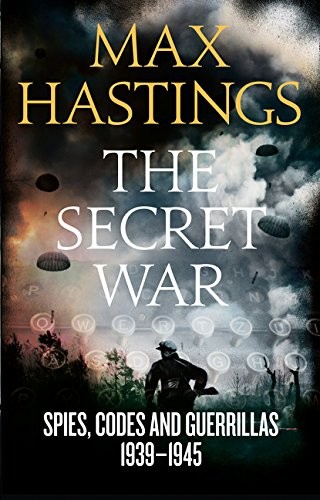
Spies, codebreakers, and guerrillas across the whole of World War II, told by a historian who doesn't romanticize any of it. Hastings weighs what the shadow war actually changed against the myth it left behind.
The whole sprawling underground war against Hitler across occupied Europe: sabotage, betrayal, reprisals, and the brutal math of who paid when a rail line went down. Kochanski refuses to flatten it into a hero movie.
The official history of Britain's sabotage-and-subversion outfit in occupied France, by a historian who was in the trade. Clear-eyed about the wins, the disasters, and the agents who paid for both.
One Vietnamese province, studied down to the ground, to answer why the insurgency won and the government lost. Race's honest answer, that the other side offered people something and meant it, is the part the body counts never captured.
Lawrence of Arabia's sprawling account of the Arab Revolt — desert guerrilla war, camel raids, and the political double-dealing that carved up the modern Middle East. Half memoir, half self-mythologizing epic, and impossible to look away from. The origin story of borders soldiers are still dying over.
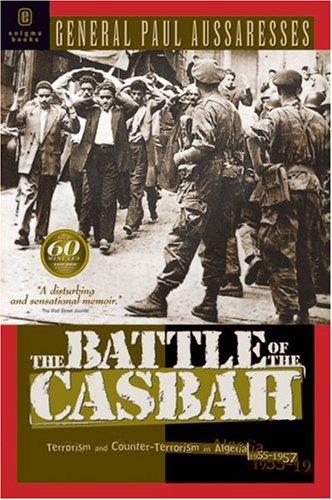
The French general who ran the interrogations in Algiers admits, without apology, to torture and murder. Read it as the confession it is: the clearest look you'll get at what 'do whatever it takes' actually costs the people who do it.

The Japanese officer who kept fighting his war in the Philippine jungle for twenty-nine years because no one he'd trust told him to stop. A study in discipline, duty, and how far a chain of command can carry a man past all reason.
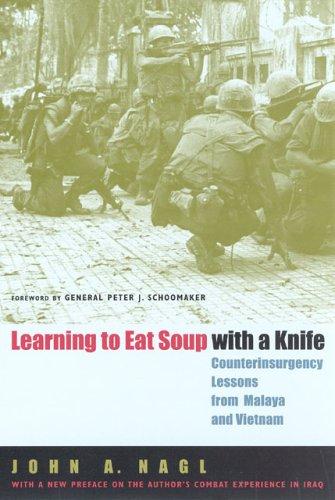
Nagl's doctoral dissertation compared the British Army's adaptation to insurgency in Malaya with the U.S. Army's failure to adapt in Vietnam, and published it in 2002 — one year before the Iraq War. His central argument: that military organizations are or are not institutional learning organizations, and that the difference determines whether they can adapt to insurgencies that their doctrine was not designed to fight. The Malaya counterinsurgency and Vietnam counterinsurgency are studied in parallel throughout. The book shaped the doctrine and the authors of FM 3-24 which the Army published four years later.
Galula served as a French Army officer during the Algerian War and wrote this analysis in 1964. His framework — insurgency is a competition for the support of the population, which is won or lost at the local level through security, governance, and development, in that order — became the theoretical backbone of FM 3-24 and the doctrine that governed American strategy in Iraq and Afghanistan. Galula is the Clausewitz of counterinsurgency: the theorist who derived principles from experience rather than imposing principles on it. Still the essential text for anyone involved in irregular warfare.
The French colonel's cold, systematic manual on counterinsurgency, torture chapter and all. Uncomfortable and dated, but it's a primary source in the COIN canon and worth reading precisely because it doesn't flinch from the ugly logic.

Mao wrote the manual every insurgency since has cribbed from: the guerrilla swims in the population like a fish in water. Read it not because you admire the man, but because the people trying to kill your buddies have it memorized.
Che's field guide to the foco theory: a small armed vanguard lighting the fire that topples a government. It worked in Cuba and got him killed in Bolivia, and both outcomes are the lesson.
The 1940 Marine Corps manual on occupations and irregular war, distilled from decades in the Banana Wars. Ignored for sixty years, then suddenly required reading again in Fallujah, because nobody in the building wanted to admit small wars are the ones you keep fighting.
The Swiss army's Cold War manual for a citizen population fighting an occupier: ambushes, sabotage, the works. Grim, practical, and a window into how a small nation plans to make itself too expensive to hold.

The Soviet-Afghan war told by the mujahideen who fought it: ambushes, tactics, and mistakes, in their own words. The companion volume every soldier headed to that terrain should have read before the next army walked into the same valleys.