Airpower
Airpower promises a lot and delivers unevenly, and the honest literature wrestles with both. This shelf covers the theory (from Douhet's dreams to precision reality), the history of what airpower actually accomplished, and the memoirs of the people in the cockpit. For anyone in the air and space services — or anyone who wants to know why the promises and the results don't always match.
Buy links go to Bookshop.org (which supports independent bookstores) and Amazon. Some are affiliate links — if you buy, we earn a small commission at no extra cost to you. As an Amazon Associate we earn from qualifying purchases. It never affects which books are on this list or how we describe them. How this works.
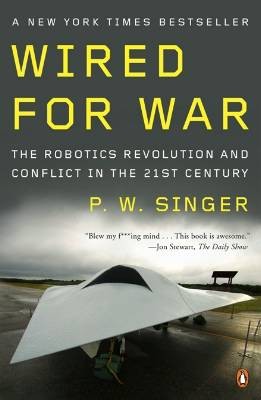
Singer examined the robotics and autonomous systems revolution in warfare — drones, ground robots, autonomous weapons — and the ethical, legal, and strategic questions those systems raise that military institutions were not prepared to answer. Published in 2009, the trends he identified have accelerated beyond his predictions: autonomous systems now operate across all domains, and the questions he raised about accountability, escalation risk, and the changing psychology of remote combat have become operational rather than theoretical. On the Space Force reading list because the domain warfare Space Force is responsible for is increasingly autonomous, and the doctrine to govern it barely exists.
Published in 1977, when the idea that humans would build and inhabit large space structures was still a mainstream engineering question. O'Neill's analysis of the economics and physics of space colonization is dated in its specifics but foundational in its framework. For the Space Force officer trying to think seriously about what long-term space domain competition looks like — not next year but next generation — this is the intellectual starting point.
A RAND analyst's autopsy of how the Air Force fell in love with its own airpower theory and lost the plot. If you've ever wondered why the service re-litigates its identity every twenty years, Builder called it back in 1994. Uncomfortable reading if you wear blue.
The argument that whoever owns low Earth orbit owns the planet's chokepoints, geopolitics shoved straight up into the vacuum. Provocative, a little cold-blooded, and harder to wave off every year the Space Force grows. Where the space-power debate actually starts.
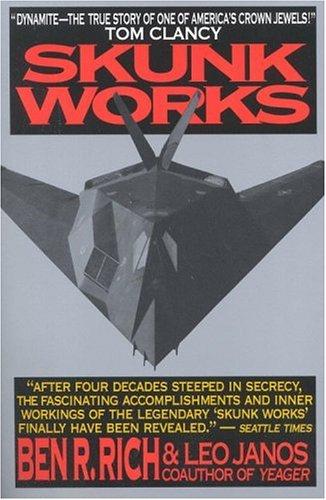
Rich ran Lockheed's Skunk Works advanced development division after Kelly Johnson — the group that produced the U-2, the SR-71, and the F-117. His account of how small, isolated engineering teams operating outside normal procurement processes create revolutionary aircraft is the best available documentation of how defense innovation actually works. The organizational model — small teams, fast decisions, minimal bureaucracy, direct access to the user — is explicitly referenced in every subsequent discussion of how the military should acquire advanced technology. Essential reading for anyone involved in defense acquisition or military innovation.
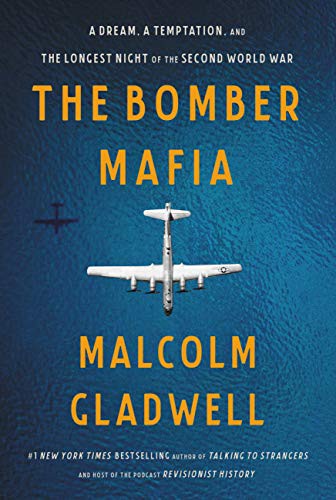
The internal debate inside the Army Air Forces during WWII over bombing doctrine — the faction that believed in precision daylight bombing of military targets versus the faction that believed the only effective strategy was area bombing of civilian populations. Gladwell reconstructs the argument through its principal figures: Haywood Hansell, who commanded the B-29 campaign against Japan and refused to abandon precision doctrine, and Curtis LeMay, who replaced him and burned Tokyo to the ground. The questions the book raises — whether the military can adhere to moral constraints when the alternative is losing — have not been resolved.
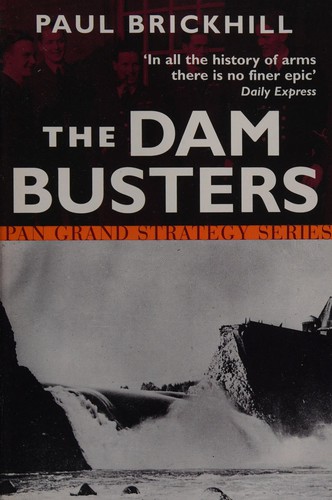
Operation Chastise, May 1943: the RAF's 617 Squadron used Barnes Wallis's bouncing bomb to destroy the Mohne and Eder dams in the Ruhr valley. Brickhill wrote the definitive account in 1951 from interviews with surviving aircrew, before the full records were declassified. The story of how the weapon was designed, how the crews were trained for an attack profile that had never been attempted, and what the raid cost — eight of nineteen Lancasters lost, 53 of 133 aircrew killed — is one of the most precise accounts of specialized aviation warfare in print. Fifty-seven percent aircrew losses in a single night. They flew anyway.
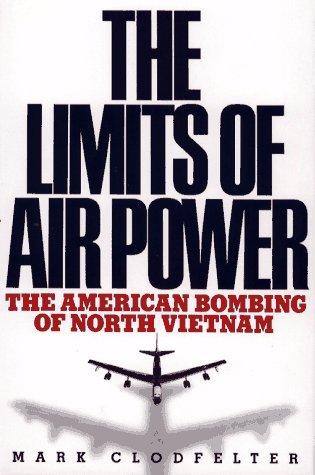
Clodfelter's analysis of the American air campaign against North Vietnam — the most sustained strategic bombing campaign since WWII — is the most rigorous available case study of what air power cannot accomplish. His argument: that the strategic bombing of North Vietnam failed not because of targeting restrictions (the standard Air Force explanation) but because air power was applied to achieve a political objective — coercing Hanoi to change its behavior — that air power is structurally unsuited to achieve against a determined adversary. The book is on the CSAF reading list not as a criticism of air power but as the honest accounting of its limits that any service serious about its own doctrine must engage.
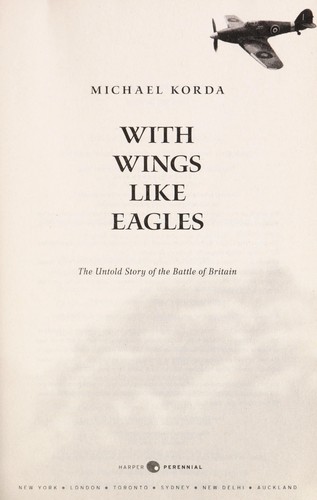
The Battle of Britain from the RAF's perspective — the air campaign that determined whether Britain would survive as an independent nation and whether the war would go on. Korda covers the aircraft, the tactics, the radar system that gave Fighter Command its edge, and the men who flew the sorties. The Spitfire and Hurricane pilots who flew multiple missions a day through the summer and fall of 1940, at loss rates that were not sustainable, and who sustained them anyway because there was no alternative. The model of what an air force does when it is the last line between a country and defeat.
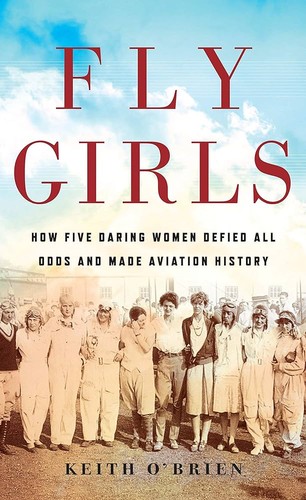
The Women Airforce Service Pilots in WWII flew every aircraft in the inventory, ferried planes to staging areas, towed targets for live-fire training, tested experimental aircraft, and trained male pilots. When the war ended, they were told their service did not count as military service and were dismissed without veterans' benefits. The Army Air Forces wanted them gone before the men returned. The quiet institutional injustice at the center of this story is specific, documented, and infuriating.
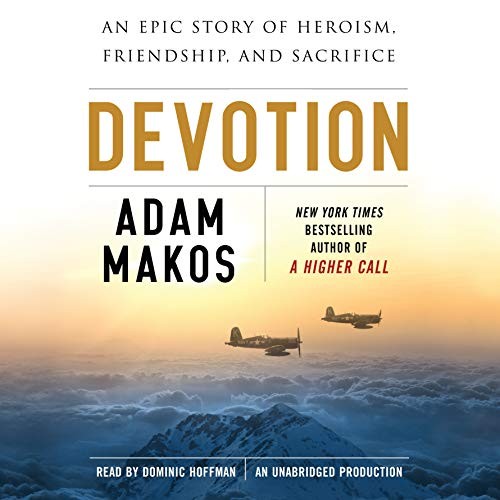
The Navy's first Black aviator and the wingman who tried to save him on a frozen Korean hillside. Makos does the legwork so the heroism holds up under weight. Bring tissues; this one earns them honestly.
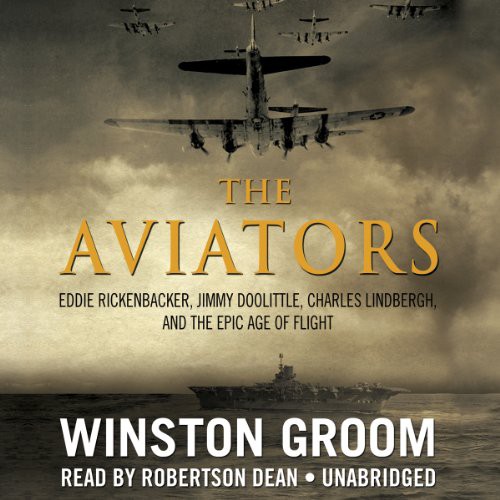
Rickenbacker, Doolittle, and Lindbergh, told by the guy who wrote Forrest Gump, so it moves. More popular history than analysis, but it's a genuinely fun way to absorb the heritage the Air Force keeps telling you to absorb.
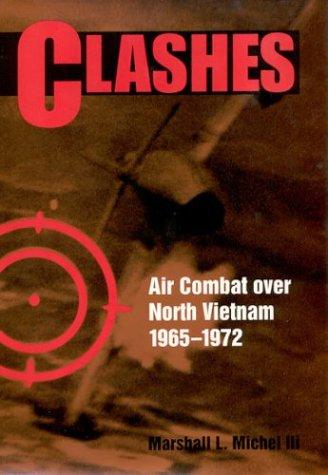
Why American fighter jocks got hammered over Hanoi despite better jets and more flight hours. Michel, a fighter pilot himself, pins it on doctrine, the rules of engagement, and a peacetime Air Force that forgot how to dogfight. This is the book that gave us Red Flag.
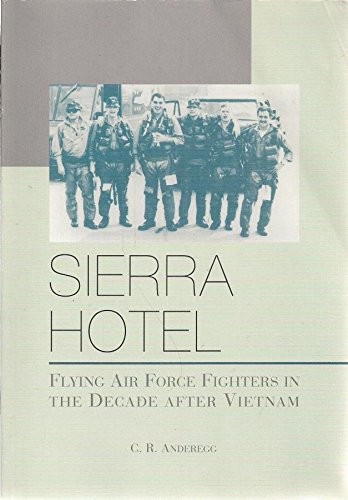
How the fighter community clawed its way back after Vietnam, with Red Flag, the teen-series jets, and the guys who rewrote the training playbook. An insider account with the callsigns left in. And yes, 'Sierra Hotel' is the polite version of what they actually said.
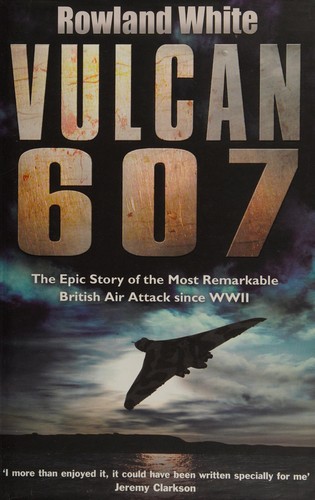
The most ambitious bombing raid since the Dam Busters: an obsolete British Vulcan flying 8,000 miles to crater one runway in the Falklands. It took eleven aerial refuelings and a slide rule's worth of luck. A logistics miracle wearing a war story's clothes.
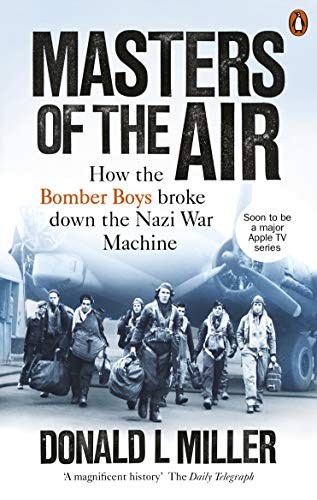
The Eighth Air Force over Germany, where finishing a tour was worse odds than a coin flip and the crews knew it going up. Miller does not romanticize the daylight bombing campaign; he counts the cost mission by mission. The book behind the series.
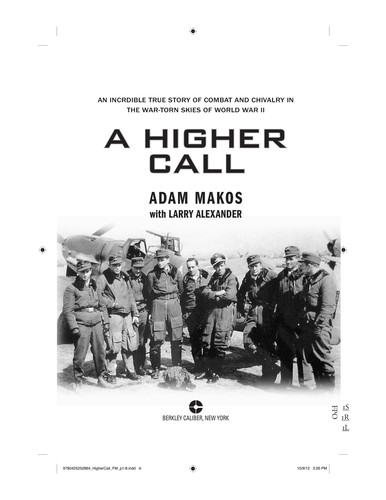
A German ace escorts a shot-to-hell American bomber out of the fight instead of finishing it off, and the two men find each other again decades later. It reads like invented sentiment, except it's documented. Chivalry, with the whole sky trying to kill you.

A sweeping, century-long tour of how flight rewired warfare, from Kitty Hawk to precision weapons. Boyne flew the jets and ran the Air Force Museum, so the survey has real hands on it. Start here if you want the whole arc before the deep cuts.
How the Allies actually won the air over Germany, and the answer is not the bomber, it's the long-range escort fighter that finally let the bombers survive. The unglamorous truth behind a heavily mythologized campaign. Airpower history for people who like receipts.
The definitive account of Apollo, built from interviews with nearly every astronaut who made the trip. Chaikin treats the moon shots as the high-stakes flying they were, not a highlight reel. If airpower's future is up there, this is the founding campaign.
Triple ace. Vietnam legend. Wore a handlebar mustache to a meeting with General Westmoreland in the Pentagon specifically to communicate his opinion of the air war strategy. His memoir is everything a fighter pilot memoir should be: technically precise about the flying, personally honest about the politics, and occasionally incandescent with fury at the people in charge. He was right to be furious. He was also one of the finest combat aviators the Air Force ever produced. Both things simultaneously.
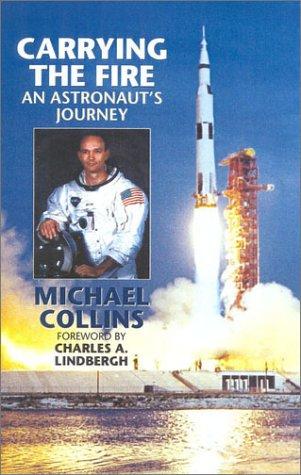
The best memoir written by any American astronaut, from the command module pilot who orbited the Moon while Armstrong and Aldrin walked on it. Collins writes with unusual clarity about the psychology of high-risk operations, the management of fear and uncertainty, and what it actually feels like to be in a spacecraft — the loneliness, the beauty, and the sustained concentration required. The chapter on the EVA where he nearly lost Ed White will not leave you.

The autobiography of the man who broke the sound barrier, and then served as the template for "the right stuff" that Tom Wolfe described. Yeager flew 64 combat missions in WWII, was shot down over France, escaped through the resistance, flew in Korea, and became the chief test pilot at Edwards Air Force Base at the exact moment when the sound barrier was still a serious engineering and human question. He did not approach any of it with the gravity posterity has assigned it. He was a West Virginia boy who was exceptionally good at flying airplanes and relatively unimpressed by the mythology that formed around him. The most grounded of the great aviator memoirs.
Gann flew commercial airliners in the 1930s and 1940s when aviation was still individually, specifically, probably-going-to-kill-you-eventually dangerous. Fate Is the Hunter is his accounting of the accidents, equipment failures, weather, mistakes, and pure chance that killed colleagues he considered better pilots than himself and left him alive. The book is a meditation on skill, luck, and the gap between the two — and on the particular cultural obligation of those who survive to understand why. Every aviator who has ever grown confident should read this before that confidence becomes something the enemy of good airmanship.
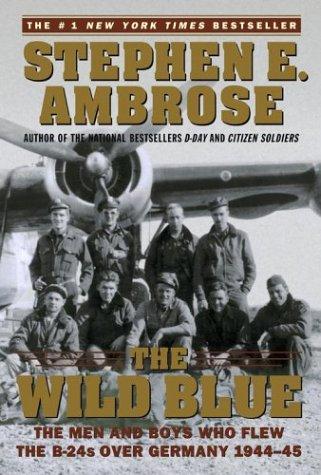
Ambrose wrote this account of the men who flew B-24 Liberator bombers over occupied Europe in 1944-1945 — centered on the crew of the Dakota Queen, piloted by a young George McGovern. Unlike most WWII air war histories that focus on tactics or strategy, Ambrose focuses on the human experience: the average age of 21, the losses that made completing thirty missions statistically improbable, and what it looked like to return to civilian life after flying combat missions that killed hundreds of people per raid. The complement to The Bomber Mafia for understanding the human dimension of strategic air power. On the CSAF reading list as a primary account of what airmen actually experienced.
A Huey pilot's account of flying over 1,000 combat assaults in Vietnam — the closest thing to being strapped into the war's worst commute. Mason doesn't glamorize the flying or the drinking that chased him home. The gold standard for what the air war felt like from the left seat.
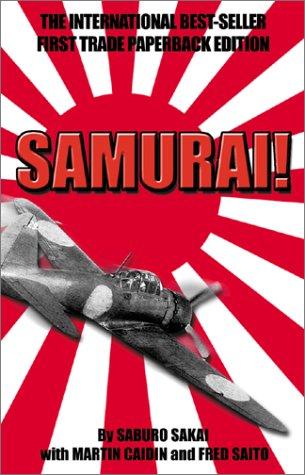
Japan's ace fighter pilot — sixty-plus kills, shot half-blind over Guadalcanal and flew home anyway. A gripping memoir from the cockpit of a Zero, and a reminder the men on the other side were exactly that: men.
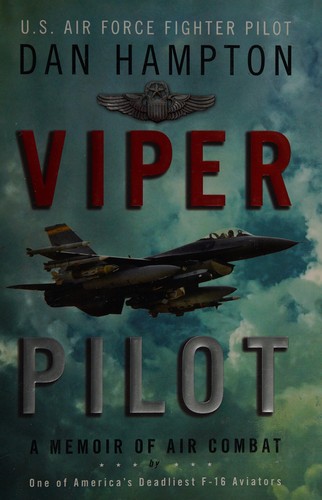
A Wild Weasel F-16 pilot's war, hunting surface-to-air missiles in the opening hours of two invasions. Hampton flies fast, writes fast, and does not undersell himself, but 150 combat missions buy a man some swagger. The closest you'll get to strapping into the pit.
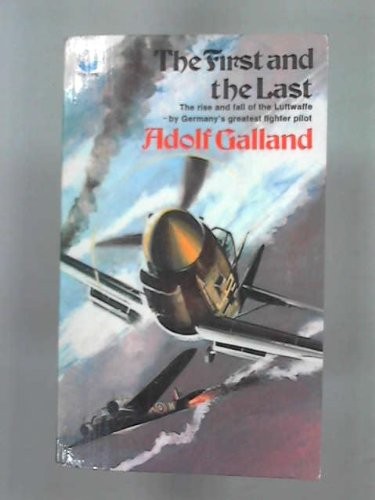
The Luftwaffe's fighter chief on building, flying, and watching his air arm get ground down to nothing. Galland fought his own high command about as hard as he fought the Allies, and lost both. Airpower from the losing side of the sky.
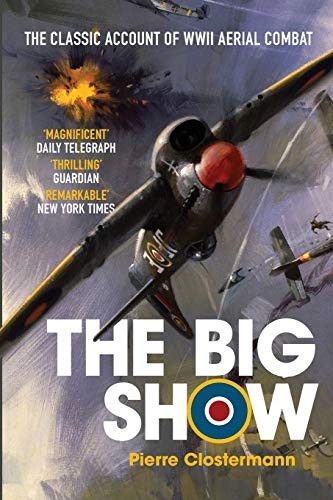
A Free French pilot flying with the RAF, from the high of the first kills to the numb exhaustion of watching friends burn. It's one of the finest fighter memoirs of the war because Clostermann tells the cost as plainly as the thrill. Beautiful and bleak in equal measure.
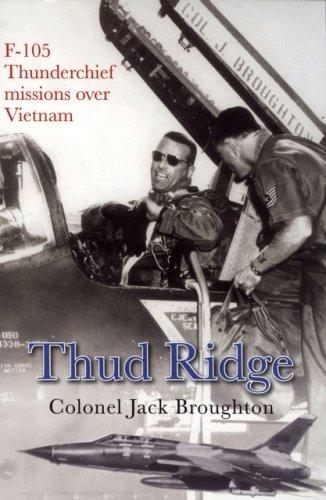
A wing commander's furious account of flying the F-105 Thud into the deadliest air defenses on Earth while Washington picked the targets from 8,000 miles away. Broughton's contempt for the rules of engagement burns off every page. Written by a man who lost his career telling the truth.
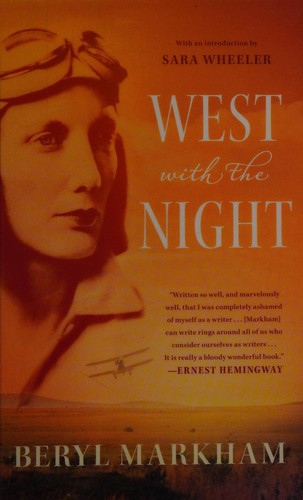
A bush pilot and racehorse trainer in colonial Africa who flew the mail, spotted elephants from the air, and crossed the Atlantic solo the hard way, east to west. The prose is so good Hemingway admitted to being jealous. Adventure flying before anyone made it safe.
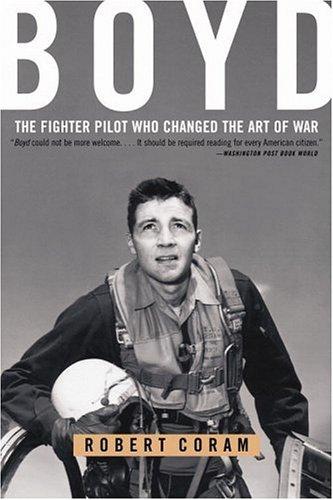
John Boyd was the most important military thinker of the twentieth century and an Air Force colonel nobody above his rank liked and everyone below it feared and followed. He invented energy-maneuverability theory, which changed how fighter aircraft are designed. He developed the OODA loop, which is now misunderstood by virtually everyone who cites it but still shapes military and business thinking globally. He wrote the maneuver warfare doctrine the Marine Corps uses. He did all of it while chain-smoking, borrowing Air Force computer time without authorization, and refusing every promotion that would have taken him off the flight line. The system never broke him because he never needed the system.
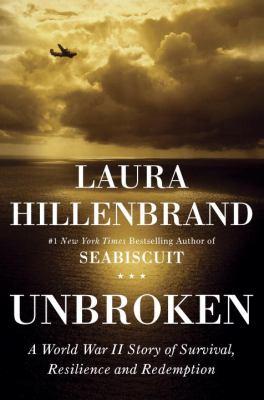
Louie Zamperini was an Olympic runner who became a B-24 bombardier, survived a plane crash over the Pacific, spent forty-seven days on a life raft, was captured by the Japanese, and endured Omori and Naoetsu POW camps under a guard who seemed to have selected him personally for destruction. He survived all of it. Hillenbrand researched and wrote his story with the same obsessive precision she brought to Seabiscuit. You do not need to care about WWII aviation to be destroyed by this book.
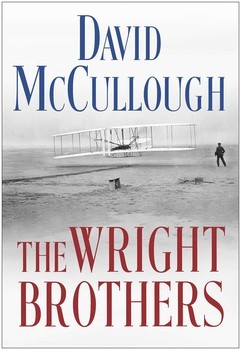
McCullough turns two bicycle mechanics from Ohio into the origin story of everything you fly. It's short by his standards and reads like a great long magazine piece. If the schoolbook version bored you, this is the fix.
Douglas Bader lost both legs in a crash, argued his way back into a cockpit, and became a Battle of Britain ace on tin legs. Then he got shot down and spent the rest of the war trying to escape. Excuses are a choice, and this is the book that proves it.
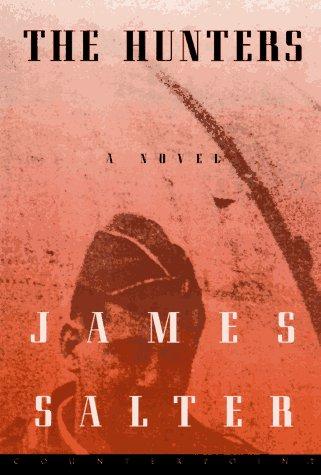
F-86 pilots in the Korean air war, written by James Salter who flew F-86s in Korea. The most literary novel ever written by someone who actually flew combat missions — and Salter understood that the air war was about ego and fear and performance and inadequacy as much as it was about aircraft performance and enemy contact. What is said in the debrief and what is true are different things. Salter knows exactly how different, and why.
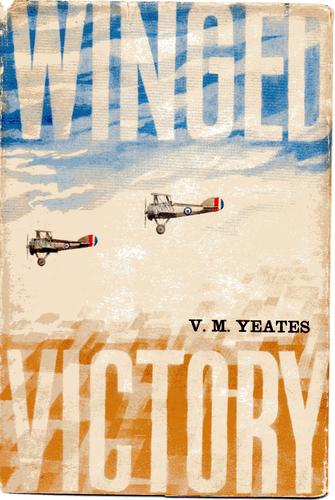
A WWI fighter pilot's novel by a man who flew Camels and died young from the war that wrecked his lungs. No glory here, just cold, fear, and the grim arithmetic of who doesn't come back. The anti-Snoopy account of the Western Front.
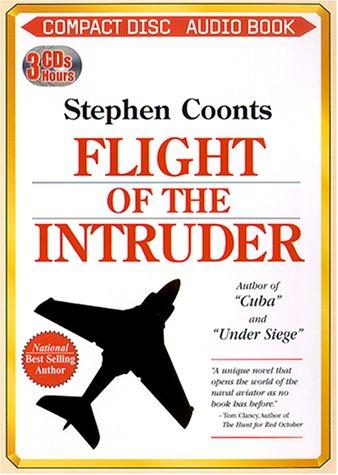
A Navy A-6 pilot, sick of dumping bombs on empty jungle, decides to hit a real target in Hanoi off the books. Coonts flew the jet, so the carrier and the cockpit ring true. A cracking thriller that's really about a war run by committee.
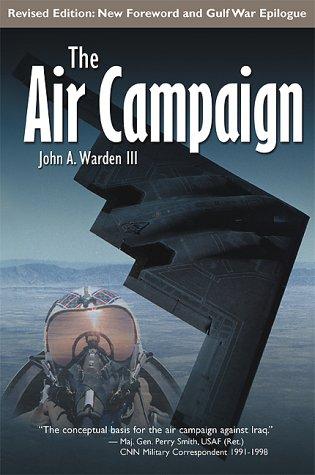
Warden wrote this analysis of air campaign planning in 1988 — the theoretical framework behind the AirLand Battle concept and the planning model that shaped the air campaign in Desert Storm. His five-rings model (leadership, system essentials, infrastructure, population, fielded forces) provides a framework for thinking about what an air campaign is actually trying to accomplish: not destroying the enemy's fielded forces but collapsing the system that sustains them. Controversial within the Air Force when published, vindicated by the Gulf War, and still the most systematic available framework for thinking about what air power can accomplish when properly planned. On the CSAF reading list as the doctrine that shaped modern airpower.

The 1921 book that told every air force it could win wars alone by bombing the enemy's cities and skipping the bloody ground slog. Douhet got a lot wrong, but every airpower argument since is basically a fight with his ghost. Read the source before you quote the theory.
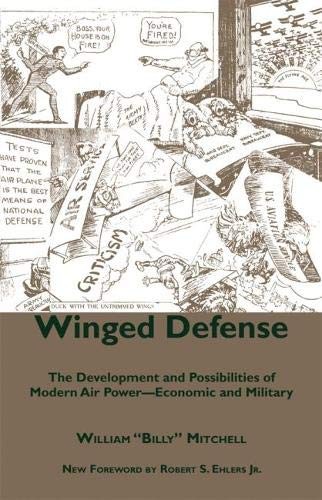
Billy Mitchell sank captured battleships to prove airplanes mattered, then got court-martialed for saying it too loud. This is the manifesto that torched his career and made him the patron saint of the independent Air Force. Turns out being right early still counts as insubordination.
An Air Force historian takes a scalpel to the tired knocks on airpower: can't hold ground, can't win alone, can't do the job. He concedes the real limits and demolishes the lazy ones. Ammunition for the joint-force argument you're going to have anyway.
The Mercury astronauts and the test pilots they came from. Wolfe spent years with these men trying to identify what "the right stuff" actually is — the quality that cannot be taught, cannot be named, can only be demonstrated, and evaporates the moment you try to explain it. Edwards Air Force Base in the 1950s was the crucible. The culture it produced, with all its glory and pathology, was the foundation of American aerospace. This book is how you understand what that culture was.

The ISS commander who became briefly famous for a David Bowie cover in zero gravity wrote the most practically useful account of how to maintain performance under extreme conditions. Hadfield spent thirty years training for missions that were repeatedly canceled, delayed, or altered beyond recognition, and developed a philosophy of preparation and equanimity that is the operational opposite of anxiety. His framework for thinking about unexpected scenarios — prepare for the worst, be genuinely okay with the worst, and then go ahead and do your best — is more useful for military leadership than most books actually written about military leadership.
Essays on aviation by the finest aviation writer working in English. The mechanics of air, the psychology of cockpit decision-making under novel conditions, the cultural logic that makes aircraft accidents happen in ways that procedural checklists cannot prevent. Langewiesche is the writer who explains why crew resource management exists and why it is not enough. Read this and you understand the gap between what pilots know and what they say.
The 1944 classic that finally explains what a wing actually does and why the airplane does not care what you think it should do. Pilots have flown on this book for eighty years because it's still right. Not military, but every aviator's foundation.