The Age of Sail
The age of sail produced the best sustained fiction about command ever written, and career officers have been assigning it to each other for generations — because a frigate captain alone on the far side of the world, months from orders, is the purest command problem there is. This shelf carries the O'Brian and Forester canons and their best company, plus the real history of Nelson's navy that the novels are built on. Come for the broadsides; stay for the most honest writing about leadership, isolation, and the weight of the deck you'll find anywhere.
Buy links go to Bookshop.org (which supports independent bookstores) and Amazon. Some are affiliate links — if you buy, we earn a small commission at no extra cost to you. As an Amazon Associate we earn from qualifying purchases. It never affects which books are on this list or how we describe them. How this works.

The book that took 'rum, sodomy, and the lash' out behind the woodshed. Rodger dismantles the floating-prison myth of the eighteenth-century Royal Navy with actual evidence: muster books, courts-martial records, pay documents. What emerges is a working society — rough, dangerous, and often fairer than life ashore, where able seamen were skilled labor who knew their value and officers who couldn't manage men didn't keep crews. Every novel on this shelf sits on top of this social reality, and most get it half wrong. If you read one work of history to understand what the wooden world actually was, make it this one.
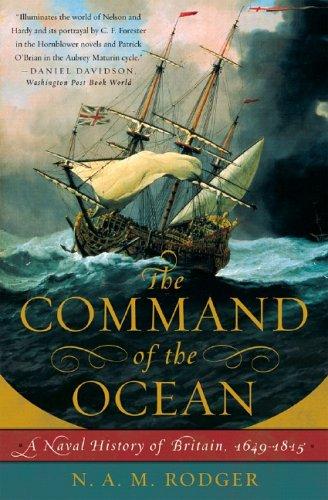
The full staff study behind every frigate novel you'll ever read. Rodger covers the Royal Navy from the Commonwealth to Waterloo not as a parade of battles but as an institution-building problem: victualling, dockyards, naval finance, officer selection, and the administrative machine that let Britain keep hundreds of ships at sea while its rivals rotted in port. His running argument — that seapower was won by logistics and institutions, not just Nelson's genius — should sound familiar to anyone who's watched a modern service fight over sustainment budgets. Long and dense, but it will permanently upgrade how you read everything else on this shelf.
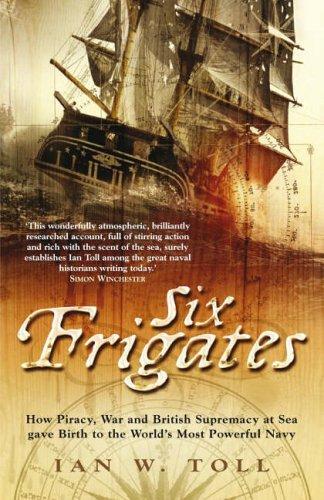
How the United States built its first Navy from nothing. The politics of the early republic, the personalities who demanded a naval force when the country could barely afford one, the ship designs that produced the Constitution and her sisters, and the officers who turned six wooden frigates into the beginning of a global naval tradition. Everything that followed is, in some sense, a footnote to these decisions.
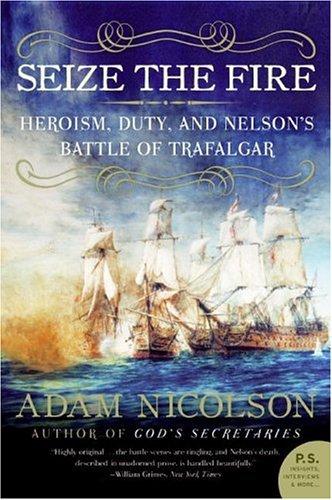
Not another blow-by-blow of Trafalgar — Nicolson wrote a book about why the Royal Navy fought the way it did: the culture of aggression, honor, and delegated initiative that let Nelson issue a plan amounting to 'get alongside and kill them' and trust thirty captains to execute it. It's a study of command climate two hundred years before anyone coined the term, and of the violence underneath the glory — the gun-deck passages do not look away from what round shot does to men. Some of the cultural argument is stretched taut, but it makes you think about what institutions reward. Pair with Knight's Nelson for ballast.
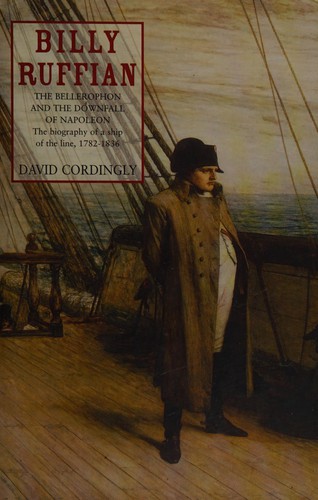
The biography of a ship — HMS Bellerophon, 'Billy Ruffian' to the sailors who couldn't pronounce her name — and it's a genius way to tell the whole era. She fought at the Glorious First of June, the Nile, and Trafalgar, and then history handed her the ending no novelist would dare: Napoleon surrendered aboard her in 1815. Following one 74-gun ship of the line through decades of refits, crews, captains, and combat shows you the age of sail as a working system rather than a highlight reel. Cordingly writes maritime history the way it should be written: rigorous underneath, readable all the way through.
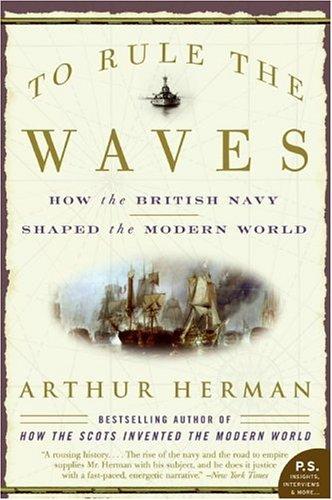
The big-sweep option: four centuries of the Royal Navy in one volume, from Drake to the Falklands, argued as the institution that built global trade, modern finance, and the world order the U.S. Navy later inherited. Herman is a popular historian, not a naval specialist, and it shows both ways — the book moves like a novel and connects dots specialists won't, but it also flattens complexity and specialists have dinged it on details. Read it as the entry ramp: if the Rodger volumes look intimidating, this gives you the full arc in accessible form, and you can graduate to the rigorous stuff once you're hooked. For scope alone, it earns the slot.
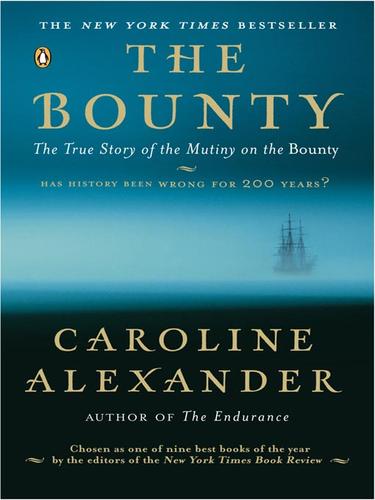
Forget the mutiny you think you know. Alexander digs through the court records and finds a messier, sadder story than any movie — Bligh wasn't the monster, and the "romantic" mutineers mostly ended badly. A masterclass in how a command relationship rots, and how history gets rewritten by whoever survives to tell it.

A Harvard kid ships out as a common sailor in 1834 and writes down exactly what life below decks was like — the floggings, the scurvy, the sheer grind — before anyone was polishing it for a recruiting poster. The original enlisted-eye view of the sea. Dana went to fix his failing eyes and came back with the truth.
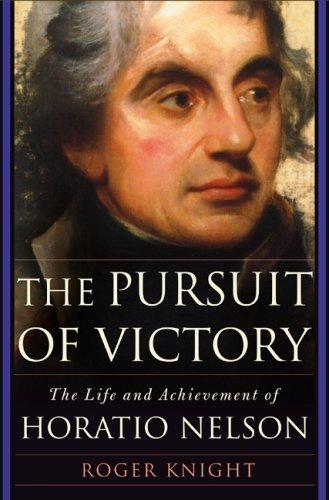
The scholarly standard among single-volume Nelson biographies, written by a historian who spent his career in the National Maritime Museum's archives and it shows. Knight strips two centuries of hagiography off the man and finds someone more interesting underneath: a superb sea officer and genuinely inspirational leader who was also vain, hungry for approval, and capable of serious misjudgment — Naples being the case Knight refuses to launder. The battle analysis is first-rate, and so is the account of the patronage machinery Nelson climbed. If you want the legend, plenty of books will sell it to you. If you want the officer, read this.
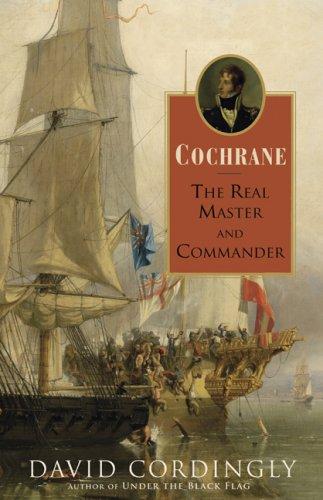
Thomas Cochrane is the answer to 'that could never happen' in every naval novel — because most of it happened to him first. The cruise of the little Speedy, taking a Spanish frigate with a crew a fraction of her size, fed straight into both Aubrey and Hornblower. Cordingly gives you the full arc: the tactical brilliance, the political brawling, the stock-exchange scandal that wrecked his Royal Navy career, and the second act liberating half of South America as a mercenary admiral. He's honest about the man's flaws — vanity, litigiousness, a genius for making enemies — which makes the genuine brilliance land harder. Fiction's raw material, documented.
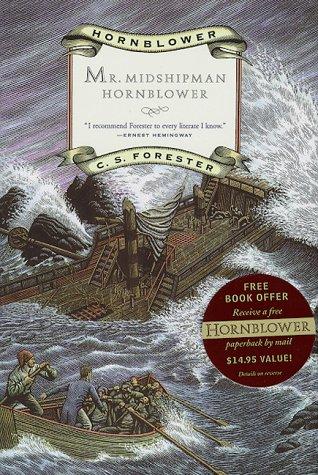
The start of the other great naval saga — chronologically, anyway — and the best entry point Forester ever wrote. Seventeen-year-old Hornblower reports aboard seasick, awkward, and mathematically gifted, and the book is a series of small-boat actions and impossible assignments that forge him into an officer one humiliation at a time. Forester basically invented the modern naval-fiction template here: the junior leader learning that command is a performance you give until it becomes true. Generations of actual officers have treated these books as leadership case studies with cannon smoke, and they're not wrong. If O'Brian is the literature, Hornblower is the field manual.

Book two of Aubrey-Maturin, and the one where O'Brian shows you the whole hand: half Jane Austen comedy of manners ashore, half brutally professional seamanship, with Jack Aubrey dodging debtor's prison between commands and Stephen Maturin's intelligence work moving from hobby to trade. This is where the series stops being good naval fiction and becomes literature that happens to be set in the Royal Navy. It's also the most honest book ever written about the officer half-pay economy — talent meant nothing without a ship, and ships went to men with interest. Read Master and Commander first, then this, and you'll be in for all twenty.

Book three, and for a lot of readers the emotional peak of the entire series: the voyage to the East Indies, Maturin's rescue sequence — as hard a piece of writing as O'Brian ever did — and the frigate herself, the ship Jack Aubrey loves the way other men love people. What makes it essential isn't the plot, it's the texture: the daily discipline of working a ship across half the planet before charts were reliable or scurvy was solved, rendered so precisely you come out knowing how the machine ran. This is the book that turns casual readers into people who own biographies of Cochrane.

The first Hornblower novel Forester actually wrote (1937), and still the tightest: Captain Hornblower, alone in the Pacific with a 36-gun frigate, sealed orders, and no way to phone home, has to make strategic decisions that would sweat an admiralty board — then unmake them when the war changes behind his back. It's the purest distillation of what independent command meant in the sailing era: months from guidance, wholly accountable, improvising foreign policy with cannon. The single-ship duel with the Natividad remains one of the great extended action sequences in the genre. If the saga is a career, this is the command tour that made it.
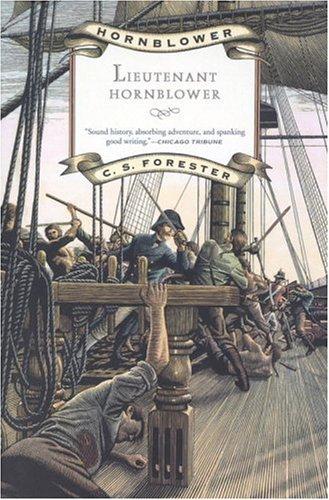
The clever one. Forester tells this entire novel through Lieutenant Bush's eyes, watching Hornblower from the outside — which turns it into a study of how competence reads to a peer before the world has ranked you. It's also the series' darkest look at a real problem the age of sail never solved: what a wardroom does about a captain who is losing his mind, when the Articles of War make even discussing it a hanging matter. Toxic command, career risk, and the loyalty question — every officer and NCO who's served under a bad commander will recognize the temperature in that wardroom. The peacetime ending is quietly devastating.

The tenth Aubrey-Maturin novel and the one the film borrowed its title from — though the book sends the Surprise after an American frigate in the War of 1812, and O'Brian treats the Americans as the professionals they were. It's the series' great endurance story: Cape Horn, dismasting weather, survival seamanship, and the strange island interlude that shows how far O'Brian would let a plot drift when the drifting was the point. A perfect showcase for the series' real subject — two friends aging inside an institution at the far edge of its reach. Start earlier in the series, but know this is one of the summits.
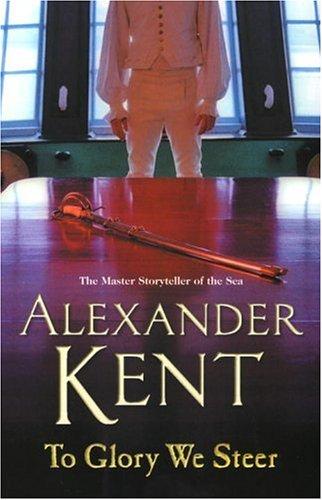
Alexander Kent is the pen name of Douglas Reeman, who served in the Royal Navy in the Second World War and wrote sea fiction with the deckplate credibility to prove it. This is the breakout Richard Bolitho novel: a young captain takes over the frigate Phalarope, a ship poisoned by a brutal predecessor and teetering near mutiny, and has to rebuild her fighting spirit on the way to the Caribbean war. Where O'Brian gives you literature and Forester gives you the officer's education, Kent gives you the straight-ahead fighting-sail novel — faster, bloodier, and centered on the problem of un-breaking a bad command. The series ran to nearly thirty books because this formula works.
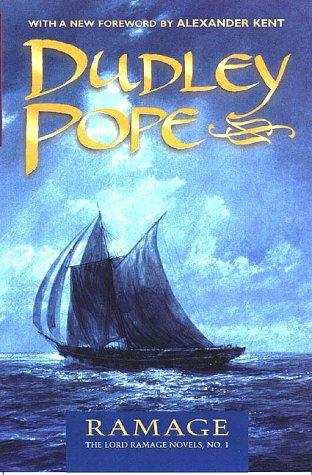
Pope was a serious naval historian before he was a novelist, and it shows in the best way: the seamanship, gunnery, and Mediterranean operations in the Ramage series are built on archival bedrock. The opener drops young Lieutenant Ramage into command the hard way — every officer senior to him dead or dying, a wrecked ship, and a rescue mission still to run — and then compounds it with a court-martial where the real enemy wears the same uniform. That's the series' signature move: the fight against the French is straightforward; the fight against patronage, politics, and hostile seniors is where the tension lives. Eighteen books, and the research never gets lazy.
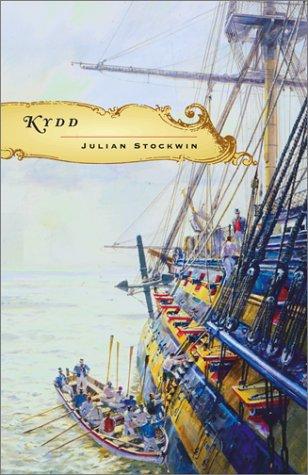
Almost every book on this shelf lives in the wardroom. Kydd starts on the mess deck: Thomas Kydd is a young wig-maker taken by the press gang in 1793, and the first novel is his education from terrified landman to able seaman — learned aloft, in the tops, where a slip means the sea gets you. Stockwin served in the Royal Navy himself and writes the lower deck with obvious affection and technical precision. The series' long arc, Kydd earning his way aft to the quarterdeck, is the rarest career path of the age and the closest thing the genre has to a mustang story. Start here for the view from before the mast.

The granddaddy of the entire genre. Marryat was a Royal Navy officer who went to sea as a midshipman under Cochrane himself, and in 1836 he wrote this comic novel about Jack Easy, a wealthy young idiot raised on radical philosophy who joins the Navy convinced of the equality of man — a theory the service beats out of him with great good humor. It's a satire, and a dated one in places (the period's prejudices are on the page, unfiltered), but the shipboard detail is primary-source material: this is what the wooden world looked like to a man who actually lived it. Forester and O'Brian both built on his foundation.
The first Aubrey-Maturin novel and the best historical fiction ever written about the age of sail — the seamanship is real, the friendship is real, and O'Brian never dumbs it down for you. Yes, it takes a chapter to find your sea legs in the jargon. Stick with it; twenty books later you'll wish there were more.
The lexicon and companion for O'Brian's Aubrey-Maturin novels — every sail, spar, rope, rank, ration, and piece of period medicine that O'Brian famously refused to explain, because he wrote as if you were already aboard. King's book is the cheat sheet: definitions, diagrams of a square-rigged ship, essays on naval medicine and the historical setting. Purists will tell you to let the language wash over you, and they're half right — but there's no shame in knowing what a futtock shroud actually is by book three. Strictly a reference, only earns shelf space if the O'Brian novels do, and they do. Keep it within arm's reach of the series.