Women at War
Women have always been in the war — as pilots, code-breakers, resistance fighters, medics, and now in every role the services offer — and the honest literature is finally catching up. This shelf gathers the histories and memoirs of women at war, the ground they fought to stand on, and the accounts that round out a canon that spent a long time pretending they weren't there.
Buy links go to Bookshop.org (which supports independent bookstores) and Amazon. Some are affiliate links — if you buy, we earn a small commission at no extra cost to you. As an Amazon Associate we earn from qualifying purchases. It never affects which books are on this list or how we describe them. How this works.

The straight-talk manual on men mentoring women without weirdness, excuses, or the 'I don't want to get accused of something' cop-out. Practical, a little dry, but it names the exact behaviors that keep half your talent from ever getting sponsored. Worth the couple hours if you supervise anyone.

A soccer legend's short, punchy riff on teamwork built from her Barnard commencement speech. Long on energy, short on pages — you'll finish it in an afternoon and remember maybe three rules, which is honestly the point. Good gateway drug for people who don't read leadership books.
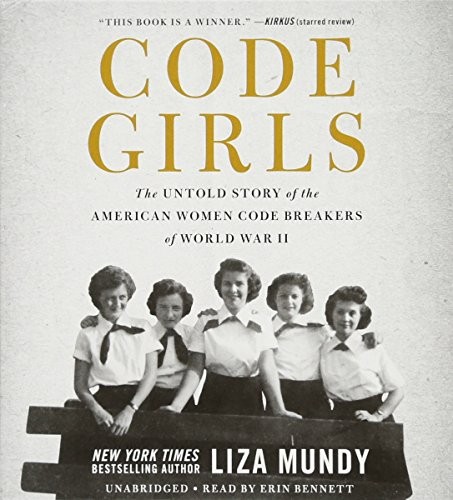
The ten thousand American women recruited into the codebreaking effort during WWII — at Arlington Hall for the Army, at Nebraska Avenue for the Navy — who broke Japanese and German codes and whose contribution was classified for decades after the war. Mundy reconstructed the program from the declassified records and interviews with surviving code girls. The history of how women's mathematical and linguistic ability was recruited for a mission that was decisive for the war, and then systematically erased from the public record after it, is the most complete account of women's contribution to WWII available.
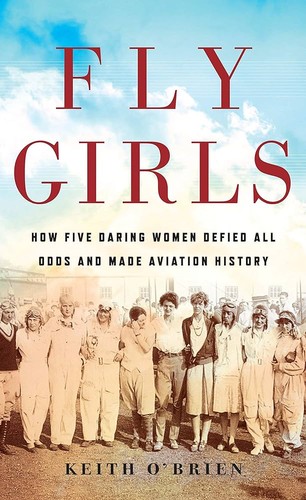
The Women Airforce Service Pilots in WWII flew every aircraft in the inventory, ferried planes to staging areas, towed targets for live-fire training, tested experimental aircraft, and trained male pilots. When the war ended, they were told their service did not count as military service and were dismissed without veterans' benefits. The Army Air Forces wanted them gone before the men returned. The quiet institutional injustice at the center of this story is specific, documented, and infuriating.

Three young women trade civilian life for the ATS, WAAF, and WRNS while Britain burns — plotting air raids, ferrying aircraft, and doing the war work that got written out of the official story. Barrett and Calvi tell it through the people who lived it, not the after-action reports. The romance-and-heartache framing is real, but so is the work.
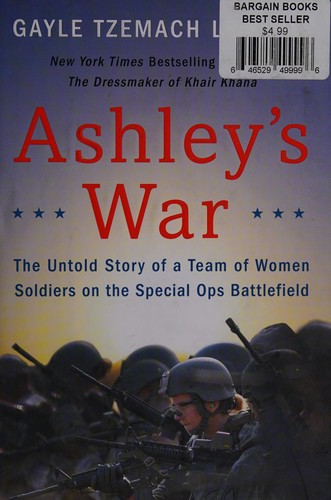
The Army needed women who could go on night raids with Rangers and Special Forces to search the women and kids no man was allowed to touch — so it built the Cultural Support Teams and mostly hoped nobody would notice. Lemmon follows them through selection and downrange, to the night 1st Lt. Ashley White was killed in action. If anyone still tells you women weren't in combat, hand them this.

The all-women Kurdish militia that took Kobani back from ISIS — and did it while half the world's armies were still arguing about whether women belonged near a rifle. Lemmon embeds with fighters who out-planned and outlasted the caliphate on their own ground. A straight look at what a women's fighting force actually does under fire.
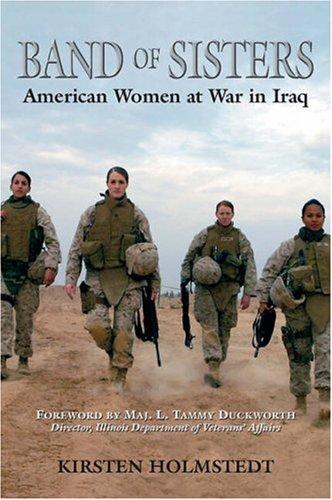
Twelve American women in Iraq — pilots, MPs, a medic, the first woman since WWII to earn a Silver Star — doing the combat the policy insisted they weren't doing. Holmstedt logs the firefights, the wounds, and the paperwork gymnastics the Army used to pretend the front line had edges. Plain reporting, no gloss.
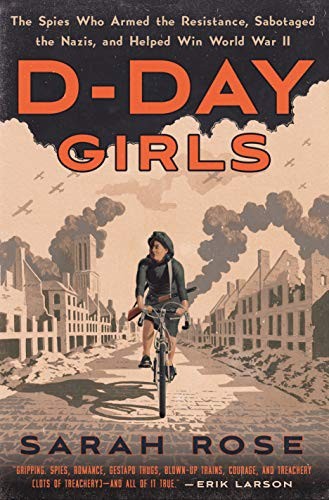
Churchill's Special Operations Executive dropped women into occupied France to blow bridges, run couriers, and arm the Resistance before D-Day — a job with a life expectancy measured in weeks. Rose tracks three of them from recruitment to the ones who didn't come back. Espionage history that reads like a thriller because it happened.
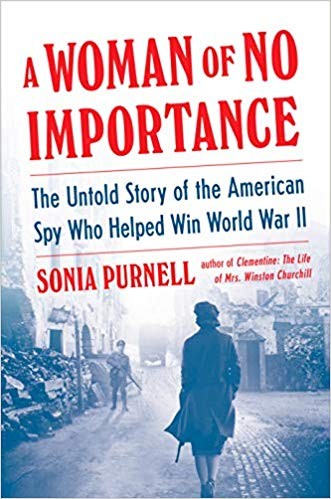
Virginia Hall — a one-legged American who became the Gestapo's most-wanted Allied spy in France, running networks the men underestimated right up until they were begging her for help. Purnell rescues her from the footnotes with real archival work. The Nazis called her 'the limping lady'; they never caught her.
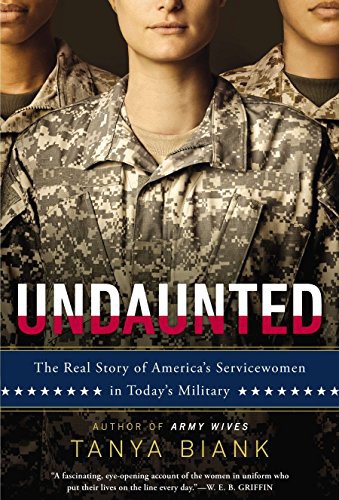
Biank follows four women through the modern Army — a general, a battalion commander, a lieutenant, a wife-turned-soldier — and doesn't flinch at the politics, the double standards, or the cost. Same reporter whose earlier book became the Army Wives series, here writing the harder story. Careerlong reality, not a recruiting reel.
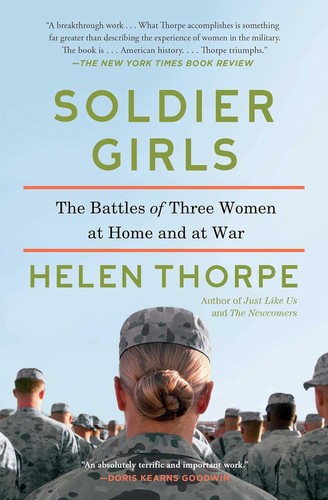
Thorpe tracks three Indiana National Guard women across a decade and two wars — Afghanistan, Iraq, and the long ugly re-entry after. No thesis, no hero edit; just what actually happens to citizen-soldiers who happen to be women, over years. One of the most honest deployment books on this list.
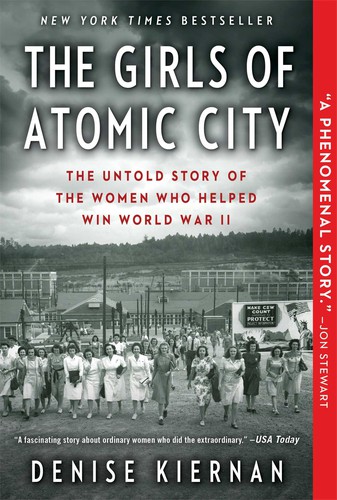
Thousands of young women moved to a secret Tennessee city to do war work they weren't allowed to understand — enriching the uranium for Hiroshima without being told what they were building. Kiernan reconstructs it from the women themselves. A study in how much the war ran on people kept deliberately in the dark.
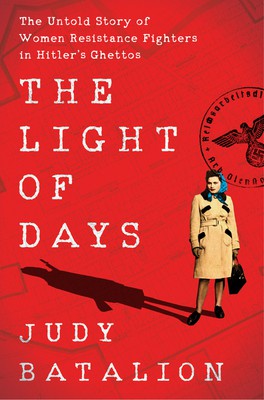
The young Jewish women who ran weapons, intelligence, and sabotage through the ghettos of Nazi-occupied Poland — couriers and fighters written almost entirely out of the Holocaust's official memory. Batalion dug them out of Yiddish memoirs nobody had translated. Brutal, documented, and long overdue.
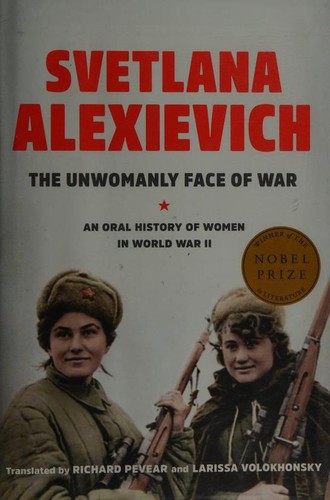
Nobel laureate Alexievich collected hundreds of Soviet women who fought WWII — snipers, tank crews, pilots, medics — and let them talk, unedited, about the war the official history sanded smooth. It's the anti-monument: no glory, just what it cost. One of the essential books on women in combat, finally in English.

Lieutenant Colonel Kate Germano commanded the only female infantry training battalion in the Marine Corps, raised standards dramatically, improved results measurably, and was relieved of command. The official reason and the real reason were not the same. What happened between those two facts is a case study in what institutional resistance to performance looks like when the performance threatens existing narratives. Sharp, documented, and not interested in making anyone comfortable.
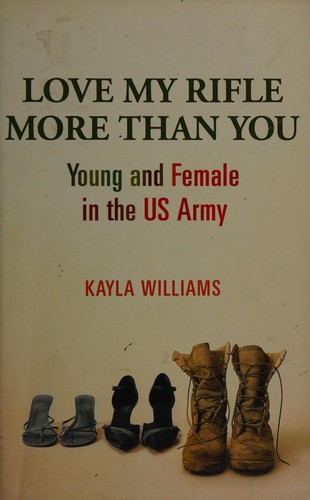
A woman's war, said plainly — an Arabic-linguist MI soldier in Iraq navigating the mission and the men she served alongside. Williams is funny, profane, and refuses to be either a victim or a poster. One of the first honest accounts of what the deployment actually looked like from her side of it.
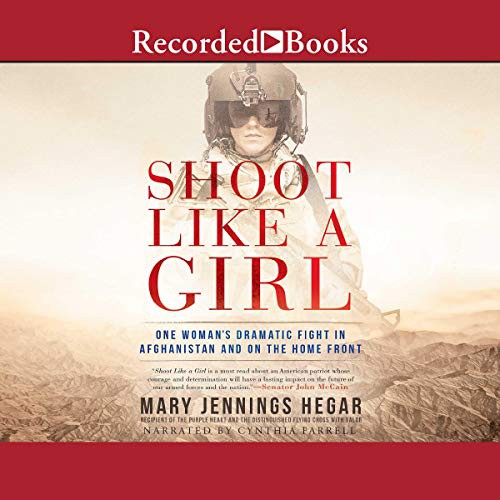
Air National Guard MEDEVAC pilot gets shot down in Afghanistan, fights the Taliban off her own downed bird, earns a Purple Heart and a Distinguished Flying Cross with Valor — then comes home and has to sue the Pentagon for the right to officially hold the combat job she already did. Hegar writes it dry and furious. The lawsuit helped end the ground-combat ban.
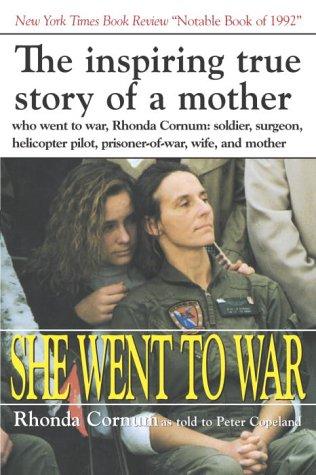
Flight surgeon Rhonda Cornum's Black Hawk got shot down in the Gulf War; she was captured with two broken arms and sexually assaulted in Iraqi custody, then spent years insisting none of it was a reason to keep women out of the fight. Her own account, told flat and unsentimental. Required reading before anyone lectures you about what women can 'handle.'
A novel, but built on real Bletchley Park — three women codebreakers whose wartime work was so secret it nearly broke them, reunited years later to hunt a traitor. Quinn does her homework, so the cryptography and the culture ring true even when the plot is invention. Read it for the texture, not the footnotes.
A novel that braids a real WWI women's spy network with a 1947 search for someone lost in the war. Eve, drawn loosely from real Alliance-network agents, is the reason to stay — a foul-mouthed, ruined, unforgettable operator. Fiction, clearly labeled, grounded in a history most people never learned.
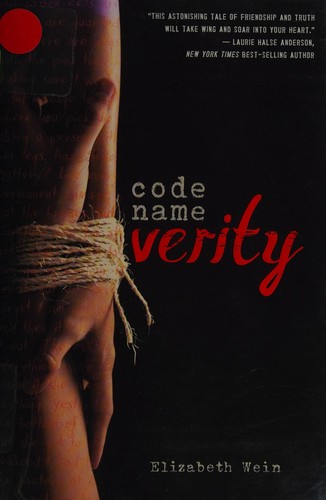
A novel — a captured British spy and the woman pilot who flew her into occupied France, told in a confession that will absolutely wreck you. Wein researched the ATA and SOE hard enough that the flying and the interrogation feel real. Marketed as YA; do not let that stop you.
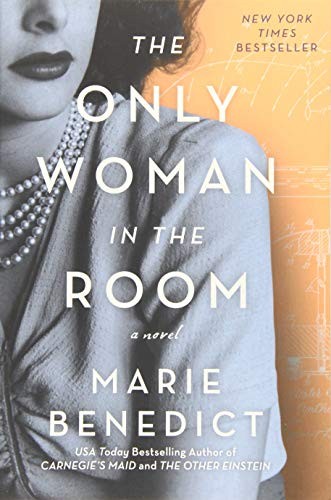
A novel about Hedy Lamarr — the movie star who also co-invented the frequency-hopping tech that torpedo guidance and, eventually, your Wi-Fi are built on, and got laughed out of the room for it. Benedict fictionalizes the interior life, but the patent is real and so was the dismissal. A story about brains the war couldn't be bothered to use.
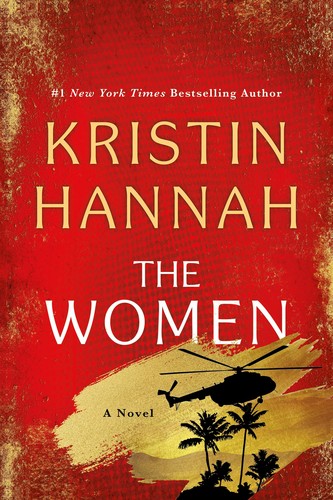
A novel about an Army nurse in Vietnam who comes home to a country that insists there were no women in Vietnam — including the VA. Hannah lays the ward scenes and the homecoming on thick, but the core wound is real: the women who served and then got erased. Fiction doing the job the record didn't.
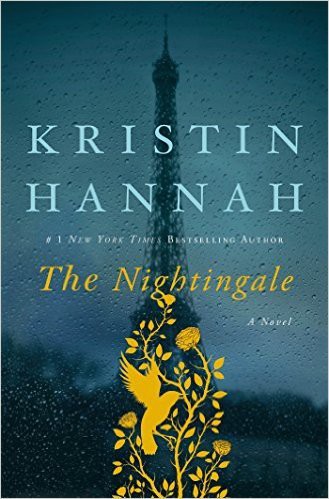
A novel of two French sisters under Nazi occupation — one running an escape line for downed airmen, one surviving the collaboration up close. Hannah writes for the tear ducts, but the resistance work is drawn from real women like Andrée de Jongh. Fiction, and it knows it, but the history underneath is solid.
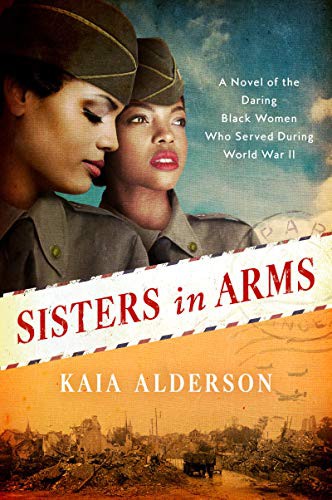
A novel about the 6888th — the only all-Black, all-women Army unit deployed overseas in WWII, sent to clear a two-year mountain of backed-up mail and prove a point nobody should have had to prove. Alderson fictionalizes two women through it. The unit was real, the double standard was real, and they cleared the backlog in half the time allotted.