The War Novel
Sometimes the only way to tell the truth about war is to make it up. This shelf is the canon of war fiction — the novels that capture what the after-action reports can't: the boredom, the absurdity, the fear, and the strange love between people trying to keep each other alive. From the trenches to the jungle to the desert, the stories that stuck.
Buy links go to Bookshop.org (which supports independent bookstores) and Amazon. Some are affiliate links — if you buy, we earn a small commission at no extra cost to you. As an Amazon Associate we earn from qualifying purchases. It never affects which books are on this list or how we describe them. How this works.
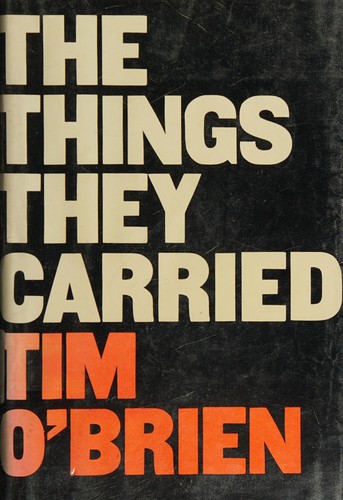
Not a memoir. Not a novel. Something more honest than either. O'Brien served in Vietnam as an infantryman and spent twenty years figuring out how to tell the truth about it. The weight of the physical gear is the point of entry. What it opens into is the weight of everything else: guilt, memory, the stories we tell to survive. The most important American book about ground combat ever written by someone who was there.
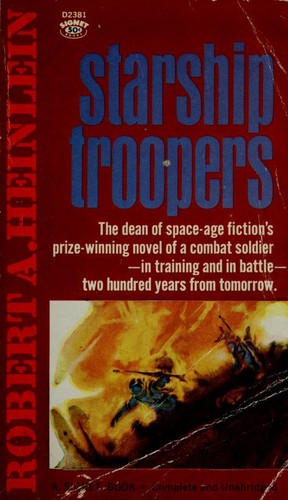
The novel that invented powered infantry combat armor and launched a thousand arguments about civic virtue, military service, and who earns the right to vote. Heinlein was a Naval Academy graduate and wrote his politics directly into a science fiction novel that reads, at times, like a philosophical treatise on the relationship between service and citizenship. You do not have to agree with his conclusions to profit from the argument. The film is something else entirely. Read the book.
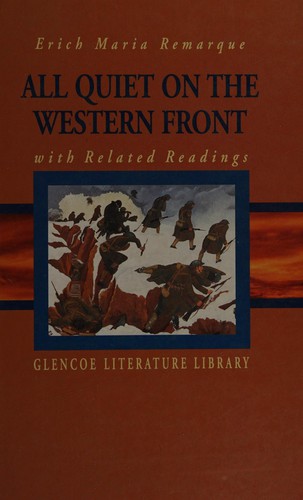
Written by a German WWI veteran and published in 1929. Burned by the Nazis in 1933. Paul Bäumer enlists with patriotic enthusiasm and experiences the full industrial machinery of trench warfare from inside the German line. The book that detonated the mythology of glorious sacrifice did so from the perspective of the losing side — intentionally, because the experience of the men in the trenches was identical on both sides of the wire. Required reading for anyone who has ever used the word "sacrifice" in a recruitment context or a public statement about the costs of war. Still the most important antiwar novel in any language.
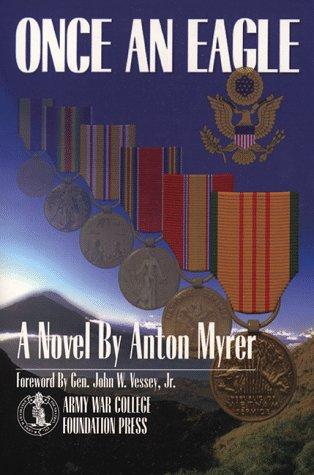
The Army's unofficial scripture, though every branch recognizes the type. Two officers, two wars, two completely different answers to the question of what kind of officer you want to be. The fact that Courtney Massengale keeps getting promoted should tell you everything you need to know about how institutions work. Sam Damon is who you want to be. Massengale is who gets the star.
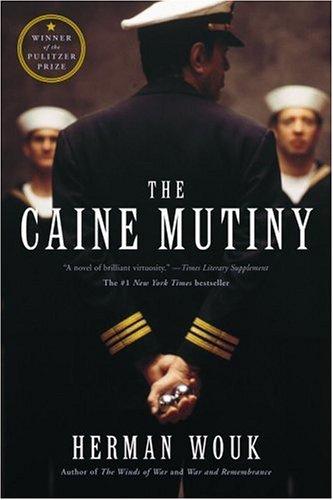
A destroyer-minesweeper captain in the Pacific, 1944, who may or may not be losing his mind under the pressure of command. The questions the novel asks — about loyalty, about authority, about the line between relief of command and mutiny, about whether Queeg was right or wrong — have never been resolved satisfactorily, which is why the book is still read. Wouk served on destroyers in WWII. He knew what he was writing about.
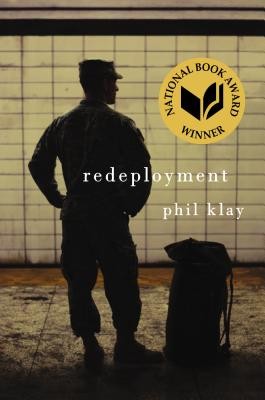
Klay served as a Marine officer in Iraq and published this collection of linked stories in 2014, winning the National Book Award. Each story inhabits a different character — a mortuary affairs Marine, a civil affairs officer, a reservist returning home, a veteran working in a dog shelter — and together they build the most complete portrait of what the Iraq and Afghanistan wars produced at the human level. Klay does not sentimentalize and does not condemn. He documents. The result is the finest American war fiction of the post-9/11 era, and the one that will be read alongside Hemingway and O'Brien in fifty years.
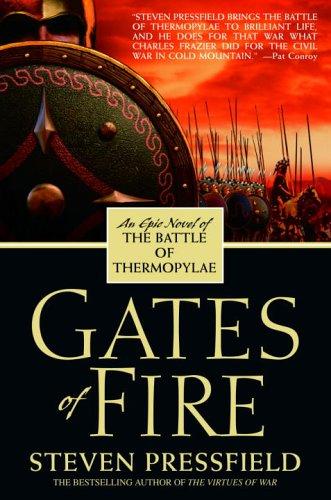
Three hundred Spartans at Thermopylae, told from the perspective of the sole survivor — a body servant, not a warrior, which turns out to be the better vantage point. Pressfield researched the Spartan military culture to uncomfortable depth and then wrote a novel that makes you feel the weight of their shields. Assigned reading at West Point, Annapolis, and every leadership course that wants to look like it takes things seriously. There is a reason.
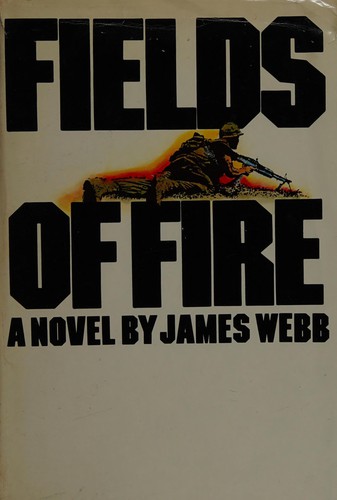
The best American novel about the Vietnam War at the grunt level. Webb was a Marine platoon commander in An Hoa Basin and wrote the fiction that captured what the war actually felt like — not from the colonel's command post but from the patrol base and the rice paddies. Three college men, different backgrounds, all fed into the same machine. What comes out is not what went in. Webb won't let anyone off the hook, including the antiwar movement and the soldiers themselves.
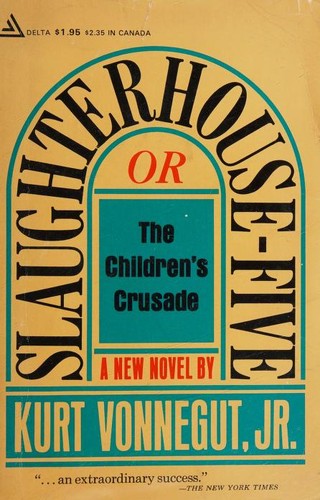
Vonnegut survived the firebombing of Dresden as a POW and spent twenty years trying to write about it. The novel that resulted refuses the conventions of war narrative — linear chronology, heroism, causation — because those conventions are inadequate to the reality. Billy Pilgrim becomes "unstuck in time." The firebombing of Dresden, in which approximately 25,000 people were killed in two days of Allied bombing, is documented and not documented simultaneously. The most formally honest American WWII novel because it acknowledges that conventional honesty cannot reach what happened there. So it goes.
Powers served in the Army in Mosul in 2004 and wrote this novel about two soldiers, a year in Iraq, and what happens to one of them. The novel moves between the deployment and the aftermath, between the Euphrates and Virginia, tracking what Private Bartle carries home and what he cannot explain to anyone who was not there. Powers wrote the novel in verse paragraphs — the prose has the compression of poetry — and produced the most formally ambitious fiction of the Iraq war. The National Book Award finalist that belongs on every reading list that includes The Things They Carried.
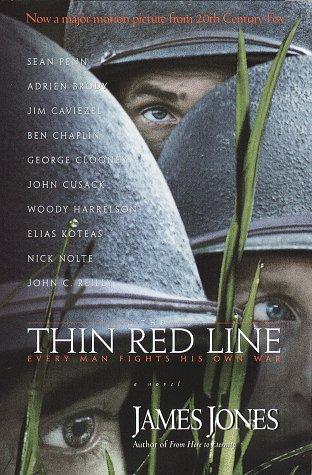
Jones served in the U.S. Army at Guadalcanal and wrote the finest American novel of combat in the Pacific war. Where From Here to Eternity addressed the peacetime Army before Pearl Harbor, The Thin Red Line addresses the infantry in actual combat — the Guadalcanal campaign as experienced by the men of C-for-Charlie company, their psychology under fire, the random quality of who lives and who dies, and what combat does to the idea that there is any order or logic to survival. Jones was not interested in heroism as a concept. He was interested in what men actually do when the situation is genuinely impossible.
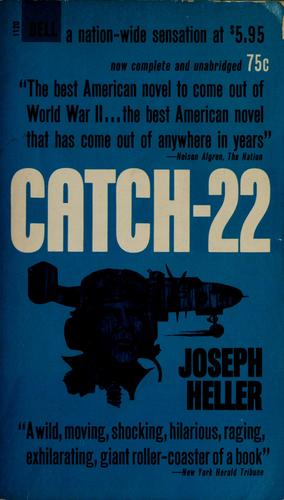
The only novel that fully and accurately captures the bureaucratic madness of military life. Yossarian is trying not to die. The system is trying to make him fly more missions. Both positions are completely rational given their respective goals. If you have ever filled out a form to prove you filled out a form, this book is about your life. It is also one of the funniest novels in the English language, which makes it hurt more.
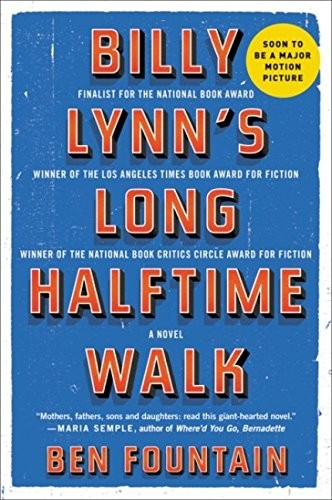
Eight soldiers from Bravo Squad are sent home for a two-week Victory Tour after footage of them in a firefight in Iraq goes viral. The novel covers a single day — a Dallas Cowboys Thanksgiving game — as twenty-year-old Billy Lynn tries to make sense of what he is supposed to be, what the civilians around him think he is, and why going back to Iraq feels less impossible than staying home. Fountain spent twenty-five years writing fiction before publishing this novel at fifty-four. The most precise satire of the relationship between American civilian culture and its wars in the post-9/11 literature.
Marlantes spent thirty-five years writing this novel about a Marine rifle company in Vietnam. He was a Marine officer there. The result is six hundred pages that feel earned rather than padded — a complete account of a pointless hill, a pointless campaign, and the men caught inside both. More honest than it had to be. Longer than it needs to be. The most important Vietnam War novel published in the twenty-first century.
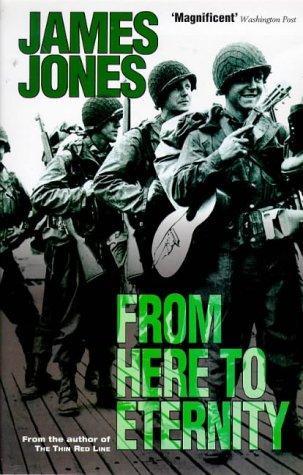
Jones served in the Army at Schofield Barracks, Hawaii — the unit that Pearl Harbor hit — and wrote this novel about the peacetime Army in the years before the war. Private Robert E. Lee Prewitt refuses to fight on the boxing team and is systematically destroyed for it. The novel is the most honest account of what institutional culture does to individuals who refuse to conform: the informal punishment systems, the peer pressure, the way an organization breaks people who won't play by unwritten rules. Published in 1951, it remains the definitive novel of life in the enlisted ranks.
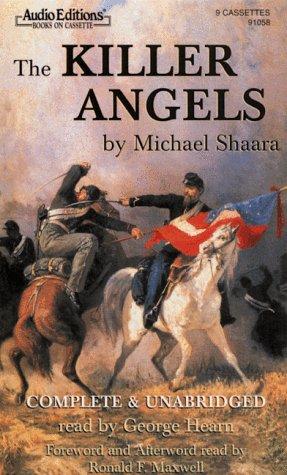
The Battle of Gettysburg told through the eyes of the commanders on both sides: Lee and Longstreet, Chamberlain and Buford. Shaara spent years on the research and the prose and produced the only novel that fully renders the military experience of the Civil War's decisive battle — the command pressures, the physical reality of the ground, and the specific moment when Chamberlain's 20th Maine, out of ammunition, fixed bayonets and charged downhill. On the Commandant's reading list. Assigned at West Point. Required not because the Civil War will recur but because command under impossible conditions looks exactly like this.
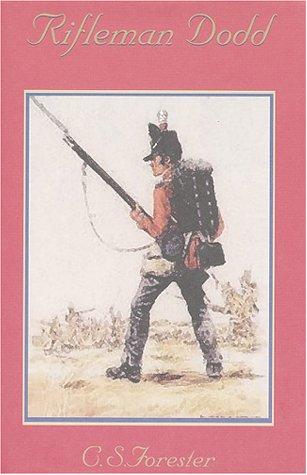
A British rifleman cut off behind French lines in Portugal in 1810, trying to get back to his regiment with no food, no support, no communications, and no clear picture of where his regiment actually is. One hundred and sixty pages. Still on the Marine Corps reading list. Still one of the most precise studies of individual soldier resourcefulness, mission focus, and the refusal to accept that an assignment is over simply because circumstances make it difficult. Forester wrote it as a character study. It reads as a leadership manual.
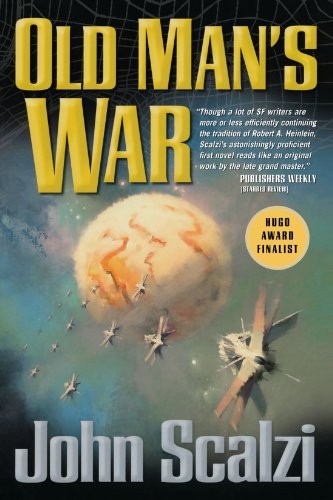
Scalzi's novel about a future military that recruits seventy-five-year-olds — people who have lived full civilian lives — and puts them in young cloned bodies to fight alien species in deep space. The military structure, the training, the unit cohesion, and the moral questions about what societies ask of their soldiers are treated with the seriousness that the best military fiction brings to them. The Space Force reading list has included science fiction as a way of developing the imaginative capacity to think about a domain that current doctrine has barely begun to address. Scalzi's novel is the best modern example of science fiction thinking seriously about military service.
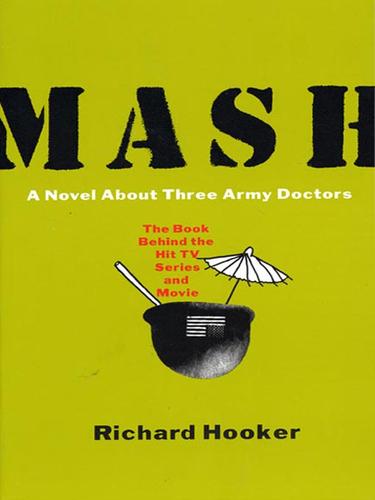
Hooker served as a surgeon with the Army in Korea and wrote this satirical novel about a Mobile Army Surgical Hospital in 1968 — the same year as Catch-22's Vietnam surge. The humor is specific to the medical corps: the absurdity of trying to save lives in a war hospital staffed by men who were drafted against their will and who respond to the institutional insanity around them with irreverence, alcohol, and competence. The novel predates and defines the television series and captures something the TV show softened: the specific black comedy of medicine practiced under artillery fire.
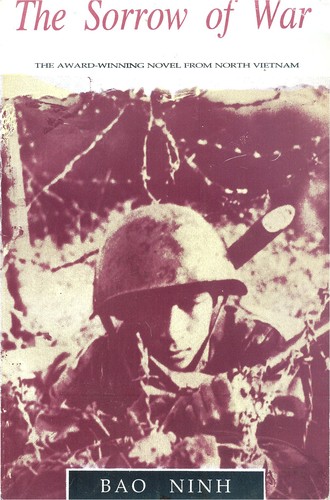
The Vietnam War from the other side of the tree line — a North Vietnamese veteran's novel his own government tried to bury. Bao Ninh writes grief and memory better than almost anyone in any language. If you only read the war from the American foxhole, you're reading half a book.
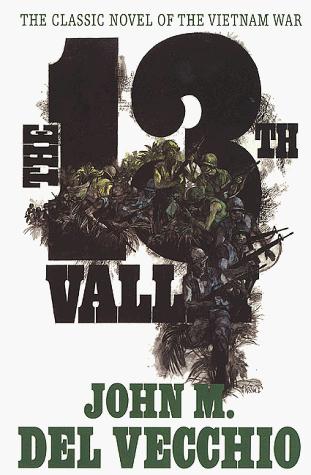
A single air-cav operation stretched to novel length, radio-static realism and all. Del Vecchio was there, and it shows in the exhaustion and the jargon he refuses to translate for you. About as close to humping the boonies as print gets.
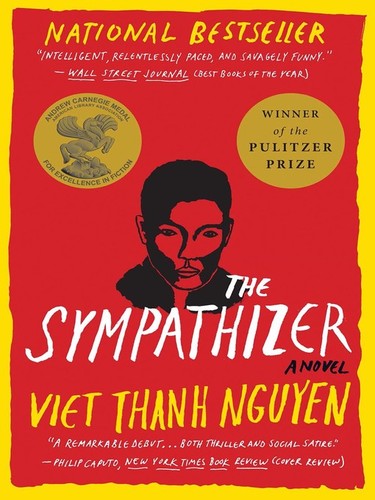
A communist double agent narrates the fall of Saigon and the refugee aftermath, skewering everyone — Americans, Vietnamese, and Hollywood — on the way. Won the Pulitzer for good reason. The war from an angle almost no English-language book bothers with.
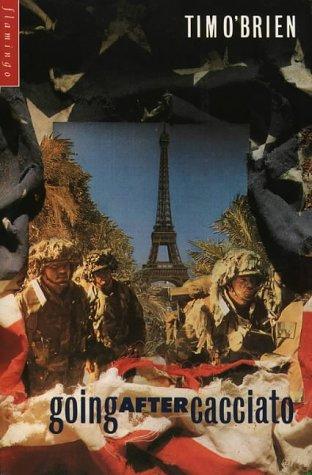
A soldier daydreams his way out of the war — a squad chasing a deserter all the way to Paris, or maybe not. O'Brien's National Book Award winner blurs the line between what happened and what a terrified mind invents to survive. Weirder than his other work, and worth it.
A Marine who fought in France tells the war as 113 short monologues — one per man in the company, living and dead. The fragmentation is the point: no single hero, just voices stacked like the casualties. The American Western Front, delivered in shrapnel.
The novel behind Kubrick's film — French generals order a suicidal attack, it fails, and they shoot their own men for cowardice to cover it. A cold indictment of command that treats soldiers as ammunition. Read it when you want to remember that the enemy wasn't always across the wire.
Barker's novel of a real military hospital where shell-shocked officers, including the poet Sassoon, were patched up just enough to send back. A quiet, brutal look at what it means to heal men so they can return to the thing that broke them. Fiction that reads truer than most of the histories.
The prequel to his father's Killer Angels, running up to Gettysburg through the eyes of the men who'd be legends or corpses. Shaara humanizes Jackson and Chamberlain without turning them into statues. Solid historical fiction that sends you back to the real books.
A wounded Confederate deserter walking home across a wrecked South to a woman who may not know him anymore. It's a war novel that's really about what the war costs after the shooting stops. Beautiful, brutal, and it earned its National Book Award.
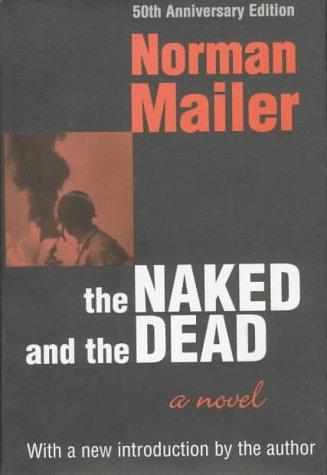
A recon platoon on a Pacific island gets chewed up from the top down, and Mailer — who wrote it at 25 from what he saw as an Army cook in the Philippines — makes the chain of command as much the enemy as the Japanese. Still the truest thing anyone's put on paper about how rank and fear actually run a rifle platoon. The war is one enemy; your leadership is the other.
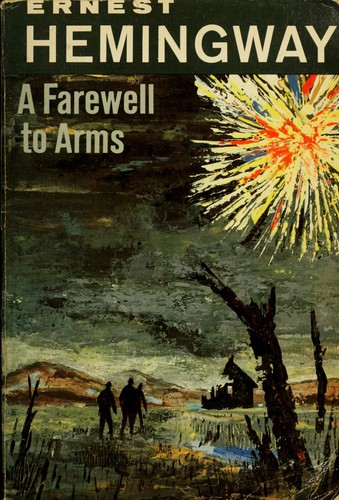
An American ambulance driver on the Italian front decides the war isn't his and walks. Hemingway strips every ounce of glory out of WWI and leaves you with rain, wounds, and the price of loving anything while the artillery's still firing. Read it for the sentences alone.
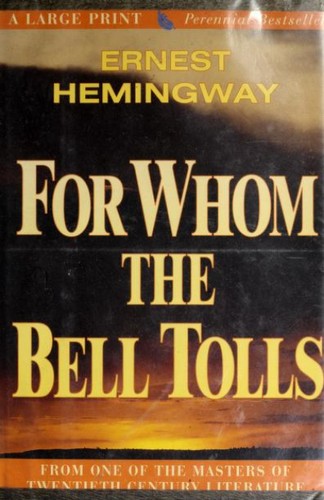
One demolition man, one bridge, three days in the Spanish hills, and a mission everyone can already feel is doomed. It's the book about doing the job right when the people who ordered it have already lost. Nobody wrote small-unit dread better.
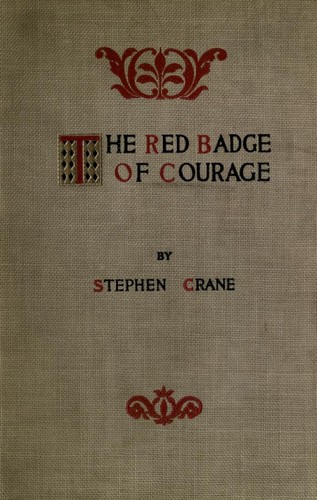
A green private at his first Civil War battle learns that courage and cowardice are mostly the same panic wearing different faces. Crane never saw combat and still nailed the inside of a first firefight better than most who did. The original 'will I run?' book.
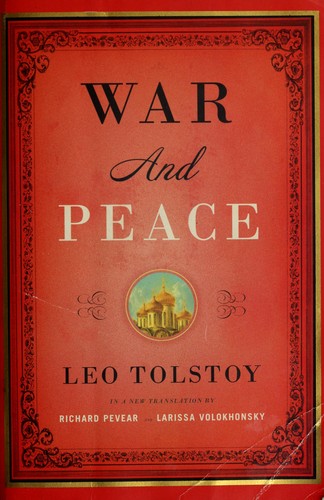
Yes, it's a brick. It's also the best thing ever written on how battles actually happen — chaos, not chess — and how generals take credit for the weather. Skip the ballrooms if you must, but Borodino and the retreat from Moscow are required reading on why the plan dies on contact.
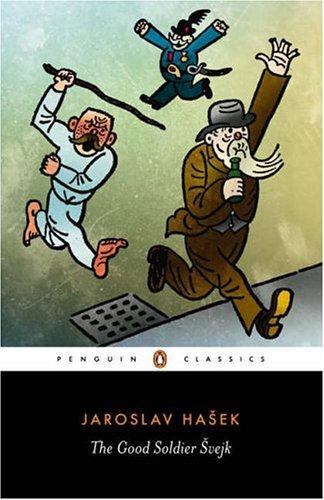
A Czech everyman weaponizes malicious compliance against the Austro-Hungarian army and wins by being too dumb to court-martial. If you've ever 'yes, sergeant'-ed your way out of a stupid order, Svejk is your patron saint. The funniest antiwar book ever written, and it means every laugh.
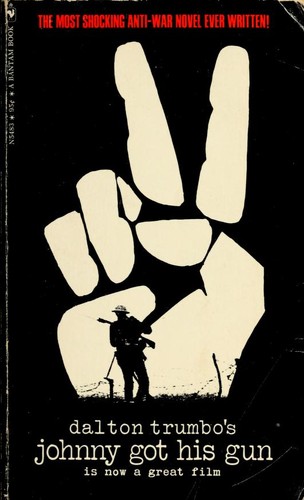
A WWI doughboy wakes in a hospital with no arms, legs, or face — just a mind, fully intact, screaming into the dark. It's the hardest antiwar novel on this list and the one that stays with you. Read it the next time someone starts in about glory.
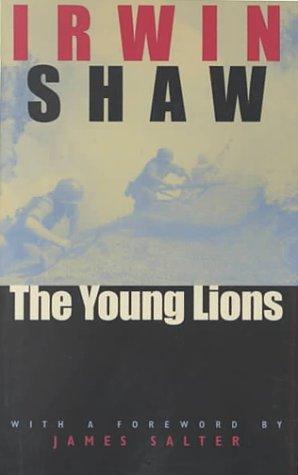
Three men — two American, one German — march toward the same stretch of WWII from opposite ends. Shaw fought in it and wrote the panorama version: the training, the boredom, the ugliness, and the moment the war collapses all three lines into one. A big, honest war novel from a man who was there.
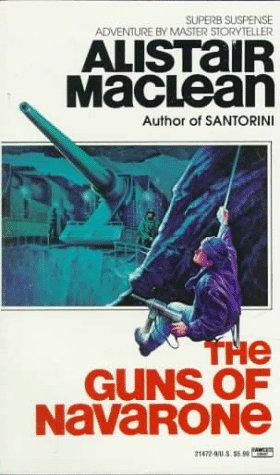
A commando team, an impossible cliff, and two German guns that have to die before the fleet can sail. Pure mission-focused thriller from a Royal Navy vet who knew exactly what cold, wet, and scared felt like. When you just want the op to work, this is the book.
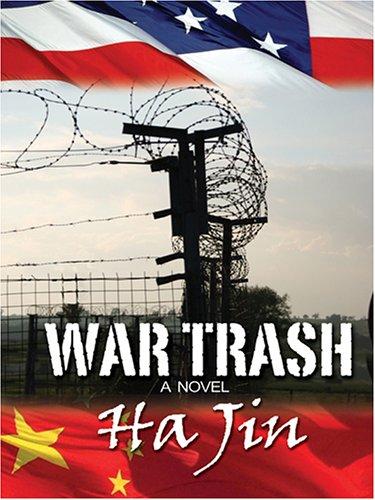
A Chinese 'volunteer' captured in Korea navigates POW camps where the real war is between prisoners over which flag to go home under. Ha Jin writes the Korean War from the side American books never show you, in plain unshowy prose that lands like testimony. Captivity as its own front.
Love before the war, then the tunnels and trenches of the Somme, where sappers dig under no-man's-land waiting for the earth to end. Faulks makes WWI's underground war claustrophobically, viscerally real. The sections beneath the lines will stay with you.
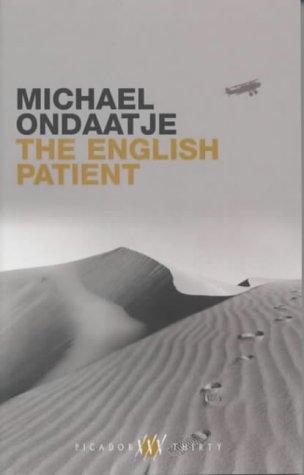
A burned man in an Italian villa at the end of WWII, and the sapper who defuses bombs while everyone around him unpacks their war. Slower and stranger than the movie, and better. It's about what's left of people after the fighting finally stops.
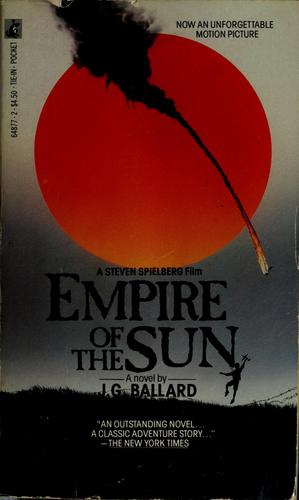
A British boy is separated from his parents in occupied Shanghai and grows up feral inside a Japanese internment camp, half-worshipping the planes overhead. Ballard lived it as a kid, and it shows — nobody writes war through a child's dazzled, damaged eyes like this. Unforgettable and deeply strange.
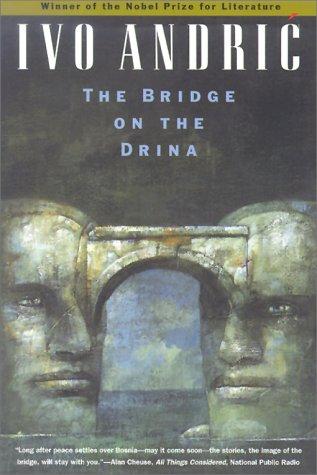
Four centuries of a Bosnian town told through the one bridge every army marches across, garrisons, and eventually blows. Andric won the Nobel for it, and it's the book to read on how the Balkans keep fighting the same war on the same ground. History as a stone that remembers.
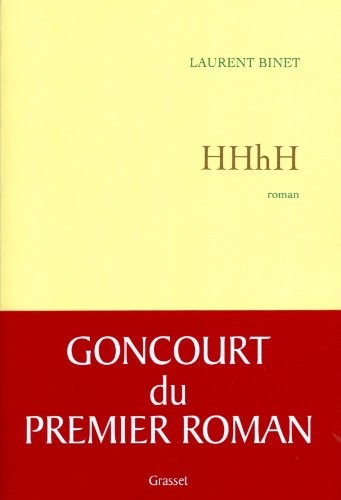
The true story of the two-man assassination of Reinhard Heydrich, the Butcher of Prague, told by an author agonizing over whether he's allowed to make any of it up. It's a thriller and an argument about how we lie when we tell war stories. The operation itself is one of the great ones.
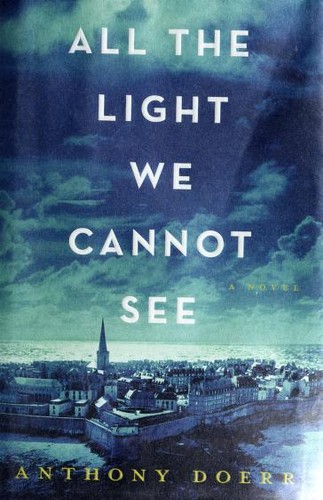
A blind French girl and a German radio prodigy on a collision course through occupied France, with a walled city under siege at the center. Beautifully built, and it earns its Pulitzer without ever making the war pretty. Read it for how the small choices add up under occupation.
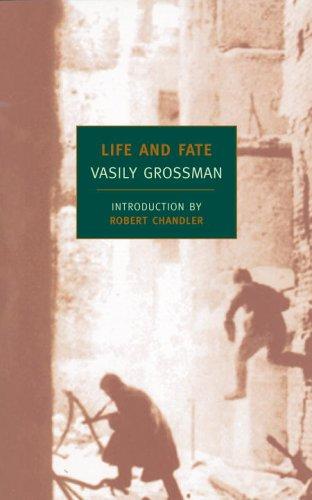
Stalingrad from every angle at once — soldiers, physicists, prisoners of both Hitler and Stalin — by a war correspondent who watched the whole thing and then had the manuscript 'arrested' by the KGB. It's Tolstoy for the 20th century and the definitive novel of the Eastern Front. Worth every page.
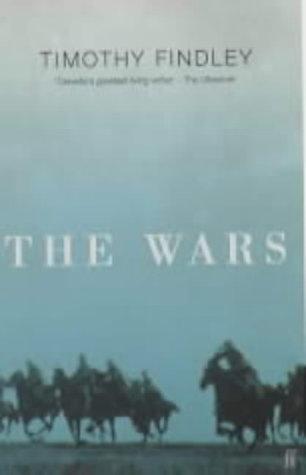
A young Canadian officer in the mud of WWI makes one impossible moral choice and pays for it the rest of the book. Findley builds it like an investigation, so you assemble the man from fragments and photographs. Quiet, devastating, and clear-eyed about what obedience costs.
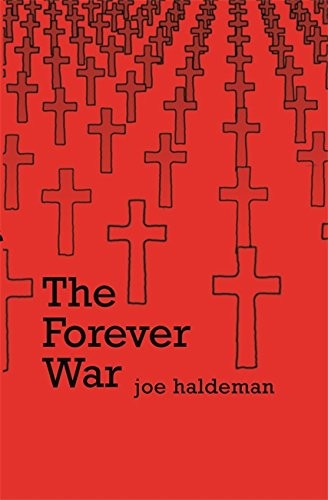
A drafted soldier fights an interstellar war where relativity means every tour home drops him centuries into a future he no longer recognizes. Haldeman came back from Vietnam and wrote the alienation of homecoming as hard SF — still the sharpest thing anyone's done on that feeling. The infantry never changes; only the light-years do.
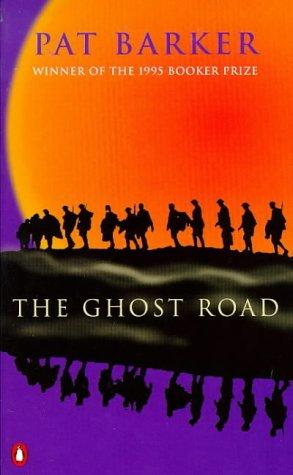
The Booker-winning close of the Regeneration trilogy, back at the front for the last, pointless weeks of a war everyone already knows is ending. Barker cross-cuts the trenches with an anthropologist's memories of the dead and asks what all the sacrifice was even for. Read the whole trilogy; this is where it lands.