The Stoic Shelf
Stoicism was written by and for people under strain — a Roman emperor on campaign, a slave, an exile — which is exactly why it keeps ending up in ruck sacks and sea bags. This is our shelf of the philosophy and psychology that hold up when the plan doesn't: control what you can, endure what you can't, and don't waste the discomfort. Ancient texts and the modern books that carry the same load.
Buy links go to Bookshop.org (which supports independent bookstores) and Amazon. Some are affiliate links — if you buy, we earn a small commission at no extra cost to you. As an Amazon Associate we earn from qualifying purchases. It never affects which books are on this list or how we describe them. How this works.
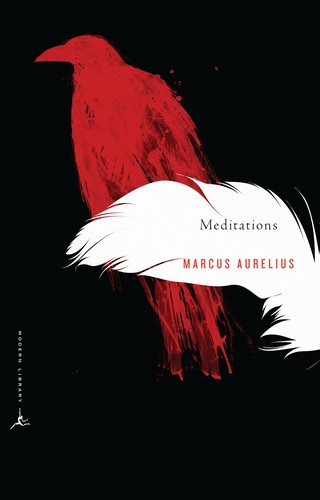
Private notes written by the Roman Emperor and general to himself, never intended for publication. Marcus Aurelius commanded the Danube frontier campaigns against Germanic tribes while writing these Stoic reflections. What makes them militarily relevant: the consistent focus on the things within your control versus the things that are not, the duty to act correctly regardless of outcome, and the discipline of attention in the face of fear, loss, and institutional pressure. Two thousand years of military leaders have returned to these notes for the same reasons. The empire that produced them is gone. The notes are not.
Moran served as a medical officer with the Royal Fusiliers in WWI and later as Winston Churchill's personal physician. This book, published in 1945, is the first sustained analysis of what courage actually is — not the romantic version but the clinical one: that courage is a finite resource that is depleted by sustained exposure to danger, and that the question is not whether a man has courage but how much and how long. The implications for personnel management, combat rotation policy, and the ethics of continuous deployment are direct and have been regularly ignored. The book that shaped Bernard Fall's analysis of the French Army in Vietnam.
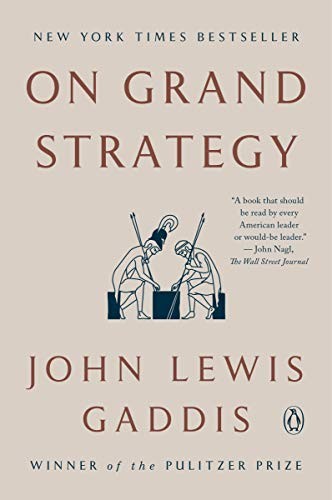
Gaddis runs the Grand Strategy program at Yale and wrote this book from the same curriculum he teaches to both undergraduates and the professional military officers who attend as fellows. His argument, built from Thucydides through the Cold War: that grand strategy is the alignment of unlimited aspirations with limited capabilities, and that the great strategists throughout history are distinguished not by intelligence or resources but by the capacity to maintain that alignment under the pressure of events that constantly demand its abandonment. The most readable available introduction to the theory of strategy, and the one assigned most widely at senior military and civilian education programs. Required reading before you pick up anything else on this list.
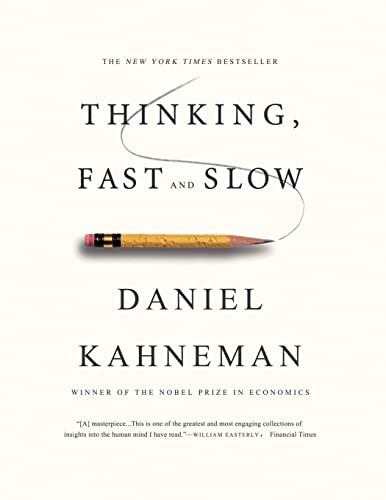
A Nobel laureate's account of how human beings actually make decisions versus how they think they make decisions. System 1 is fast, intuitive, pattern-matching, and wrong in predictable ways. System 2 is slow, deliberate, effortful, and frequently overridden by System 1 under pressure. Every military decision made under time pressure, incomplete information, and physical stress is dominated by System 1 — which is exactly what the enemy is designing their actions to exploit. The research on cognitive bias is the most important thing a military leader can read that is not about military history. And unlike most leadership books, this one is right.
Taleb's argument that systems are not simply robust (unchanged by stress) or fragile (broken by stress) but can be antifragile (strengthened by stress) is the theoretical framework for thinking about how special operations forces should be organized and employed. The operational implication: small, decentralized units that adapt faster than the environment changes are antifragile; large, hierarchical organizations that require predictable conditions to function are fragile. Taleb's analysis of why fragile systems always underestimate tail risk — the events that seem unlikely but are actually certain over long enough timescales — is directly applicable to strategic surprise. On the SOCOM reading list.
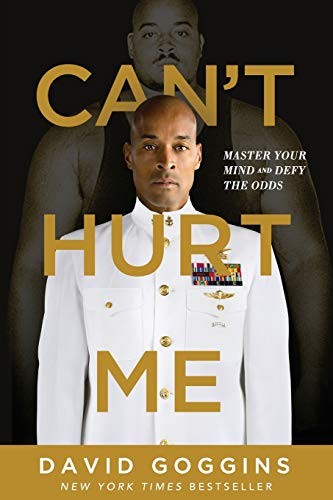
A Navy SEAL who went from broke and 300 pounds to ultramarathons on the theory that you're running at 40% and lying to yourself about the rest. Loud, profane, occasionally exhausting — and the callus-your-mind message lands anyway.
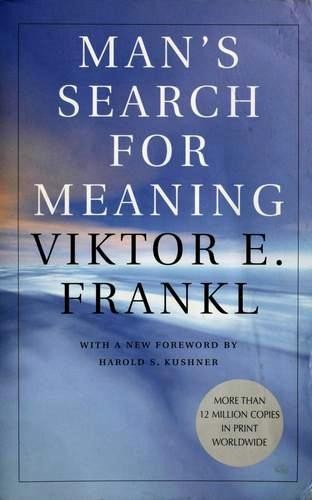
A psychiatrist who survived the death camps and walked out with one finding: they can strip everything from you except how you choose to respond. The most hard-earned book on resilience you'll ever read — no throw-pillow version of these quotes survives contact with the original.
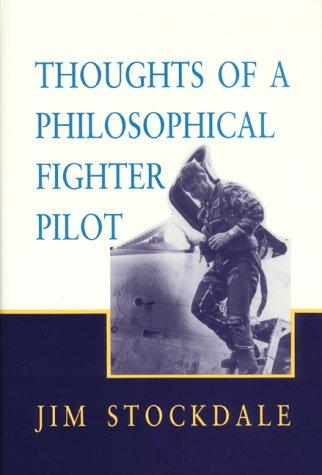
The Medal of Honor recipient who ran the prisoner resistance in Hanoi, explaining the philosophy that kept him and his men intact through seven years of it. Written by a man who tested every word under torture, not a guy with a podcast.
Marlantes wrote Matterhorn. This is the nonfiction companion: his own account of what he did in Vietnam, what he was trained to do, and what nobody prepared him for — the moral and psychological weight of killing. He draws on Jungian psychology, mythology, and his own experience to argue that the military trains warriors to kill and then fails to prepare them for what killing does to a human soul, and that this failure produces the veteran crisis. More uncomfortable than most books on the subject. More honestly argued. The gap between what Marlantes describes and what the military currently does about it is still very large.
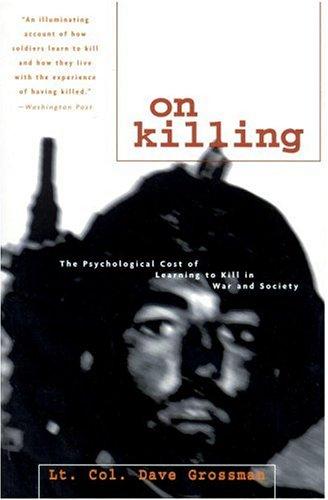
Grossman's analysis of the psychology of killing in combat — why humans have an innate resistance to killing other humans, how military training overcomes that resistance, and what the psychological consequences of killing are for the individuals who do it. Based on S.L.A. Marshall's WWII research and Grossman's own work as a West Point psychology professor. The book is controversial in its statistical foundations but has shaped every subsequent discussion of combat psychology, PTSD, and the ethical obligations of military training. Required context for anyone thinking seriously about what military training actually does to people.
The definitive account of what trauma does to the brain and body — written by the psychiatrist who spent forty years treating veterans and trauma survivors and concluded that talk therapy alone cannot reach what combat does to a person. Van der Kolk's research on PTSD is the scientific foundation of every effective veteran treatment program operating today. Every leader who has ever told a soldier to "drive on" without understanding what they were driving through should read this. Required reading for chaplains, behavioral health officers, NCO leadership, and anyone who has ever been responsible for the mental health of people who have seen sustained combat.
Shay, a VA psychiatrist, reads the Odyssey as the original reintegration story: Odysseus's ten-year journey home is a portrait of combat trauma and the difficulty of returning to civilian life that has not been improved upon in three thousand years. His parallel argument — that the Odyssey's episodes map onto the specific psychological challenges of veteran reintegration — is the most creative and most useful framework for thinking about what veterans need that has appeared in the clinical literature. Shay's earlier Achilles in Vietnam does the same for the Iliad.
Junger embedded with infantry in the Korengal Valley and came back asking a question nobody in Washington wanted to answer: why do veterans miss the war they hated? The answer involves belonging, purpose, and equality under fire — things that civilian society has become extraordinarily bad at providing. Short, dense, and deeply uncomfortable if you are honest with yourself.
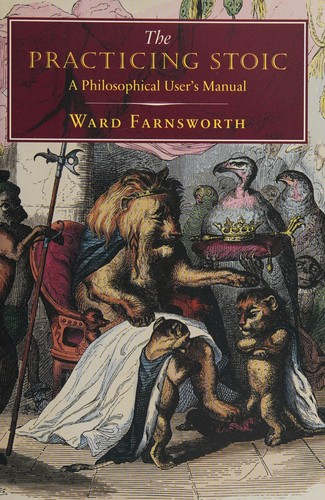
A modern philosophy professor reverse-engineers Stoicism into a system you can actually run day to day. The best on-ramp if the ancient stuff still reads like assigned homework.
A short, blistering monograph on how Epictetus kept an admiral sane through solitary confinement and leg irons. The Stockdale Paradox — brutal honesty about your situation plus unbroken faith you'll get out — starts here, from the source.
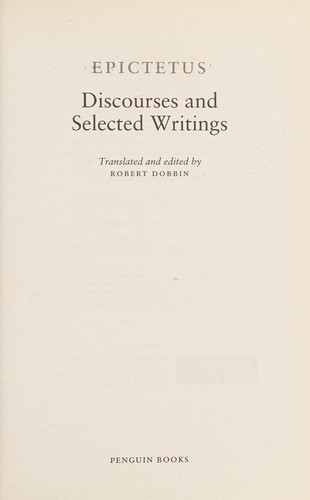
A former slave laying out the one distinction that matters: what you control (your own judgments) and what you don't (everything else). This is the book Stockdale carried into a Hanoi prison camp — if it held up there, it'll hold up at the CQ desk.
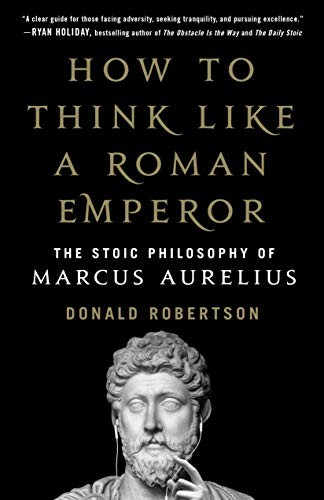
Marcus Aurelius's life told as a working cognitive-therapy manual — because that's essentially what Stoicism is. The most practical bridge between the ancient texts and the modern CBT your chaplain keeps recommending.
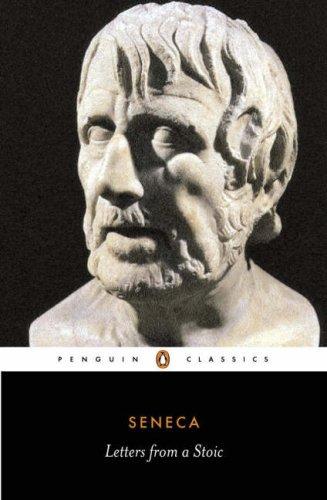
A rich, compromised Roman power-player writing letters on how not to lose your mind. Blunt and weirdly modern — he wrote about anxiety, grief, and wasted time like he'd just sat through your last staff meeting.
The argument that you don't have too little time — you waste an obscene amount of the time you've got. Read it before you burn another year telling yourself you'll start living once you EAS.
The scholar who reminded everyone that ancient philosophy wasn't seminar chatter — it was daily training to live well and die well. Denser than the rest of this shelf; the payoff is finally understanding why any of it works.
A philosopher who taught at Annapolis on what Stoicism gets right — and wrong — for people who carry weapons. The rare book that pushes back: where the armor saves you, and where "suck it up" quietly wrecks people.