The Civil War
The American Civil War is the most-studied conflict in the nation's history for good reason: it invented modern total war, forged the professional officer corps, and settled what the republic would be. This shelf covers the campaigns, the commanders, and the soldiers' own accounts — the definitive narratives and the ground-level memoirs that make Shiloh and Gettysburg real.
Buy links go to Bookshop.org (which supports independent bookstores) and Amazon. Some are affiliate links — if you buy, we earn a small commission at no extra cost to you. As an Amazon Associate we earn from qualifying purchases. It never affects which books are on this list or how we describe them. How this works.
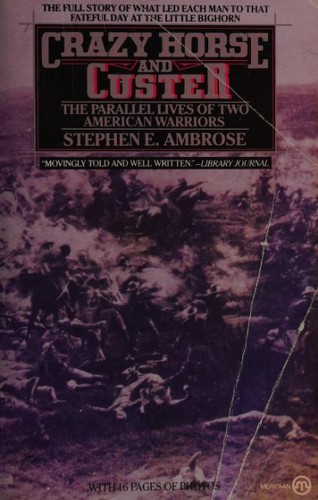
Ambrose's parallel biography of Crazy Horse and George Armstrong Custer — the two men who met at the Little Bighorn in June 1876 — tracing their parallel development through their respective cultures and the collision that defined the last phase of the Plains Indian Wars. The book is primarily an account of the culture of the frontier Army: the officer corps, the command politics, the logistical conditions, and the institutional context that produced Custer's decision to attack a village he had not reconnoitered with a divided force. The Little Bighorn as a leadership case study in the consequences of aggressive action unsupported by intelligence.
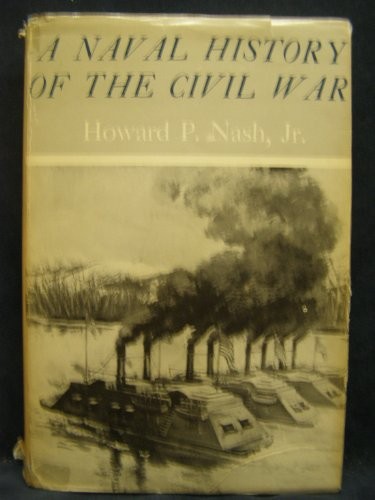
The Union and Confederate naval campaigns of the Civil War — the blockade, the river campaigns, the ironclad battles, the torpedo boats, and the Confederate submarine Hunley. The naval dimensions of the Civil War are almost always subordinated to the land campaigns in popular accounts, but the blockade was strategically decisive: it slowly strangled Confederate supply lines and was the economic mechanism by which the Union translated its industrial advantage into strategic victory. Nash's account is the standard reference for the naval dimensions of the war that decided the character of the American state.
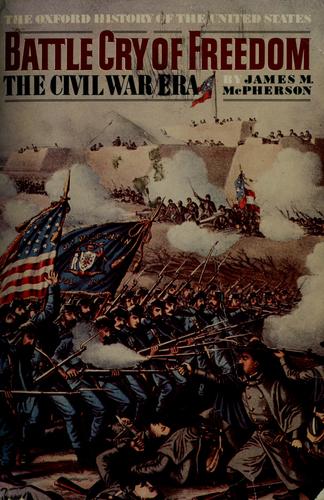
The one-volume history of the whole war that actually earns the Pulitzer on the cover. McPherson takes you from the 1840s tinderbox to Appomattox without ever losing the thread of why any of it happened. If you read exactly one Civil War book, this is the one — start here.
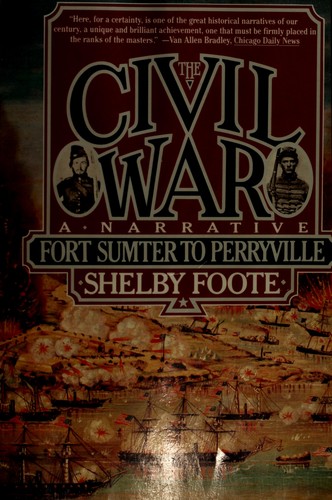
The opening volume of Foote's 3,000-page epic, written like a novelist who did the archival homework. It's a commitment — three volumes, twenty years of his life — but nobody makes the armies move like Foote does. Volume one gets you from Sumter to Perryville and you'll want the other two.
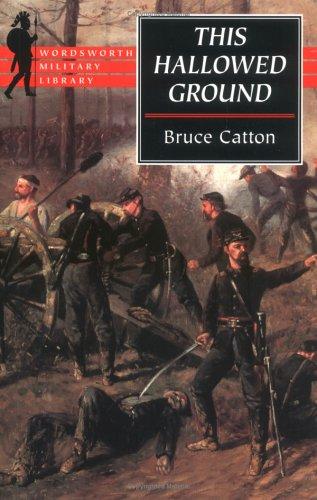
Catton tells the war from the Union side with the cadence of a man who grew up talking to the veterans themselves. Clear, humane, and moving without ever going soft on the cost. A gateway drug into everything else he wrote.
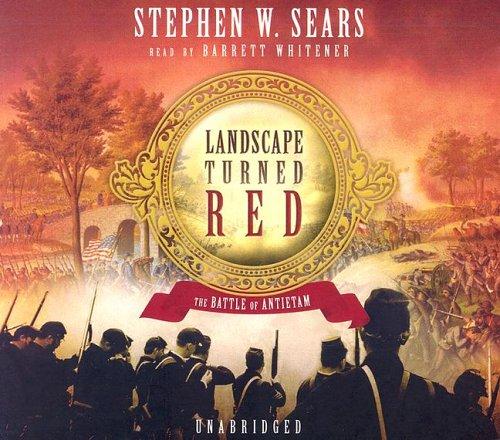
The single best account of Antietam — the bloodiest day in American history, start to finish. Sears walks you across the cornfield and the sunken road and makes the tactical clarity hurt. This is how you write a battle book.
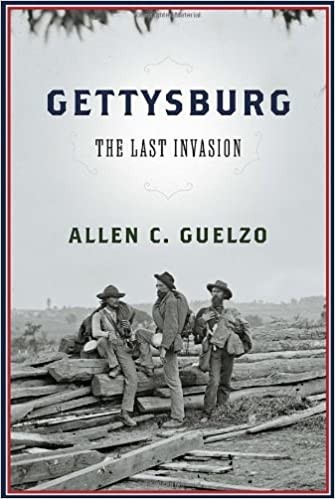
Three days, one book, and Guelzo makes them feel like they're happening to you. He's opinionated about the generals and he shows his math, which is exactly what you want. The modern standard on the battle everyone thinks they already know.
Forget the battles — this is how a Civil War soldier actually lived. What he ate, how he cursed, what he carried, how he stayed sane between the killing. If you've ever wondered whether soldiering has changed in 160 years, Billings will settle it for you.
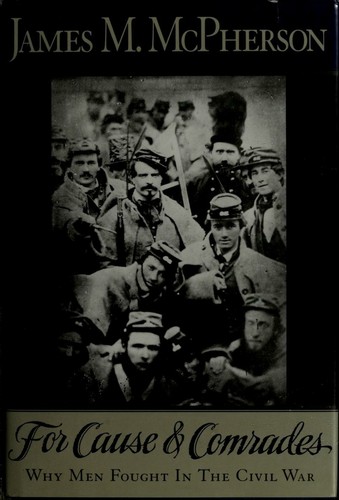
McPherson read thousands of the soldiers' own letters to answer one question: why did they keep fighting? The answer isn't the flag-waving version, and it isn't cynicism either. Essential for anyone who's ever wondered what actually keeps people in the fight.
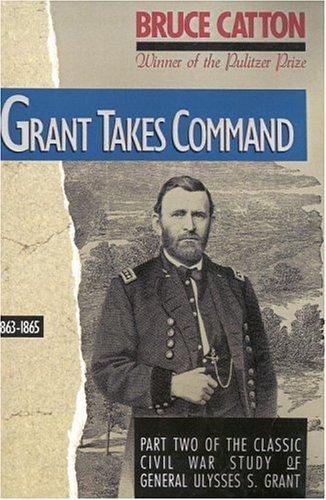
Catton on Grant from Vicksburg to victory — the making of the general who finally understood the whole war at once. Watch a quiet man learn to run everything and win. Pairs with Grant's own memoirs like a good AAR.
The first book of Catton's Army of the Potomac trilogy, on the outfit that kept getting bled and kept coming back. He writes the rank and file better than anyone. Start here, then read the other two — you won't stop.
Lee's masterpiece and the battle that cost him Stonewall Jackson. Sears lays out how the Union threw away every advantage and how Lee gambled his way to a win he could barely afford. Clinical, gripping, and fair to both sides.
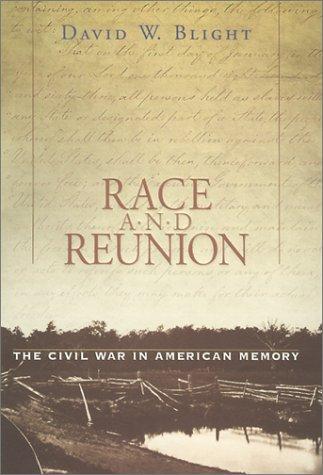
How America chose to remember the Civil War — and how, in shaking hands over reconciliation, the country quietly wrote emancipation out of the story. Blight shows you the myth being built in real time. Read it and you'll never see a monument the same way.
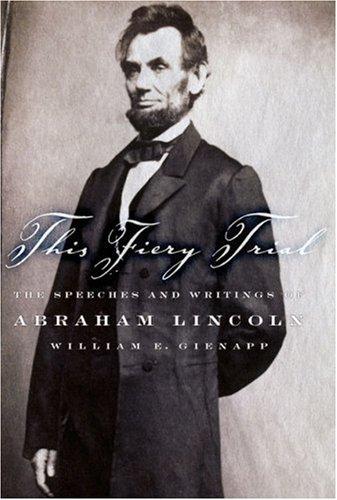
Lincoln's views on slavery weren't fixed — they moved, under pressure, over years. Foner tracks that evolution honestly instead of handing you the marble saint. Won the Pulitzer and the Lincoln Prize because it refuses the easy version.
The single month the whole thing could have gone sideways — into guerrilla war, into decades of insurgency — and didn't. Winik argues the peace was as hard-won as any battle. A tight, tense read on how wars actually end, which soldiers of every era should study.
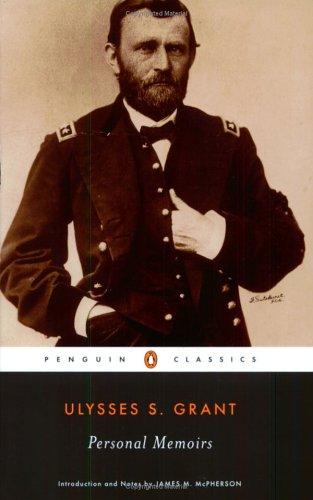
The general who won the war, dying of throat cancer, racing to finish this so his family wouldn't go broke. What came out is one of the great military memoirs in the language — plain, unsparing, and quietly devastating. Twain published it; Grant died days after finishing.
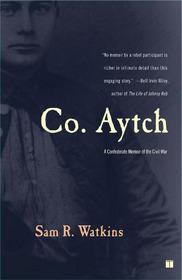
A Confederate private's ground-level view, written twenty years later with no interest in flattering anybody. Watkins is funny, bitter, and dead honest about what the war was like for the men who did the actual dying. The war from the mud, not the map.
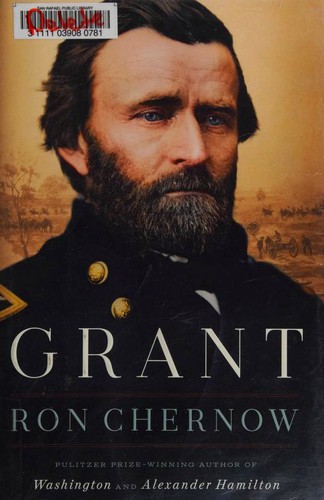
The most thorough biography ever written of Ulysses S. Grant — the most underrated commander in American military history and the most misunderstood president. Chernow spent a decade on the source materials. What emerges is the portrait of a man with an extraordinary military mind: methodical, aggressive at the right moments, comfortable with operational ambiguity, capable of sustaining will through catastrophic losses. The Civil War chapters are essential reading for any officer studying large-scale operational command under sustained political pressure and incomplete information.
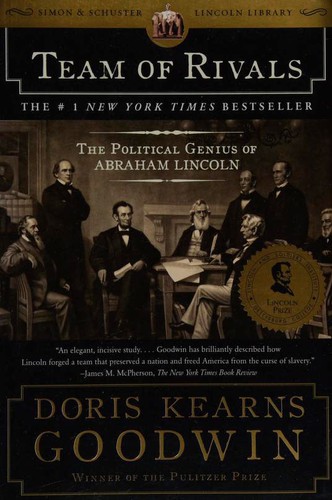
How Lincoln put the men who hated him and each other into his own cabinet, then out-led every one of them. It's a leadership case study disguised as a doorstop — read it for how a boss manages talent that outranks him in ego. The movie only scratched it.
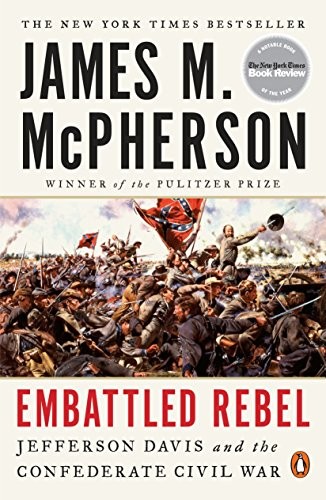
Jefferson Davis as commander-in-chief of a country that lost — the job, the decisions, the impossible hand. McPherson doesn't excuse the cause and doesn't cartoon the man. A sharp, short look at leadership under a losing strategy.
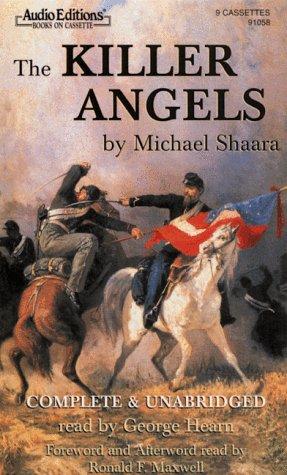
The Battle of Gettysburg told through the eyes of the commanders on both sides: Lee and Longstreet, Chamberlain and Buford. Shaara spent years on the research and the prose and produced the only novel that fully renders the military experience of the Civil War's decisive battle — the command pressures, the physical reality of the ground, and the specific moment when Chamberlain's 20th Maine, out of ammunition, fixed bayonets and charged downhill. On the Commandant's reading list. Assigned at West Point. Required not because the Civil War will recur but because command under impossible conditions looks exactly like this.
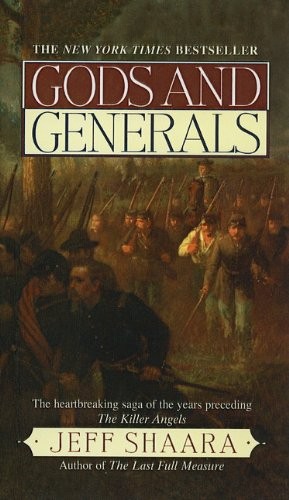
The prequel to his father's Killer Angels, running up to Gettysburg through the eyes of the men who'd be legends or corpses. Shaara humanizes Jackson and Chamberlain without turning them into statues. Solid historical fiction that sends you back to the real books.
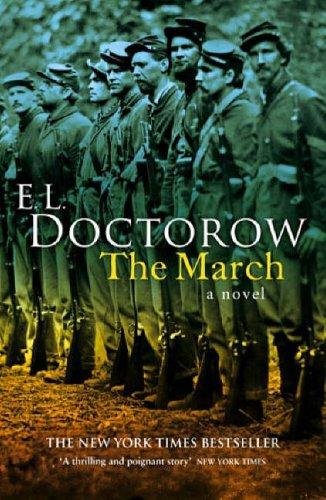
Sherman's march to the sea as a moving human tide — soldiers, freed slaves, refugees, and the general himself. Doctorow writes it as chaos with a direction, which is exactly what it was. A novel that captures the scale better than most histories.
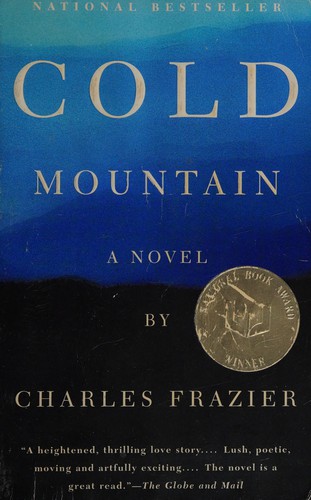
A wounded Confederate deserter walking home across a wrecked South to a woman who may not know him anymore. It's a war novel that's really about what the war costs after the shooting stops. Beautiful, brutal, and it earned its National Book Award.
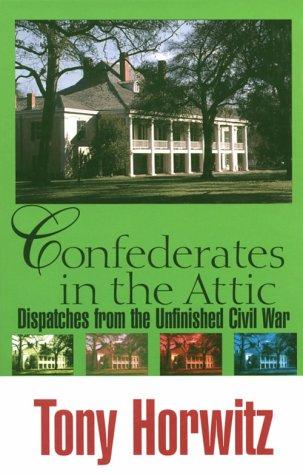
Horwitz road-trips the modern South to figure out why the war still isn't over in a lot of people's heads. Funny, uncomfortable, and honest about the ugly parts nobody wants to relitigate. The best book on how a country remembers — and misremembers — its own bloodshed.