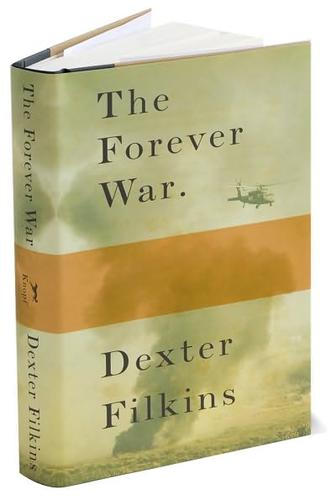
Terrorism & Counterterrorism
Understanding terrorism honestly means reading past the headlines: how these movements actually organize and recruit, the intelligence and special-operations campaigns that target them, and the hard moral terrain of the long hunt. This shelf covers the networks, the manhunts, and the reckonings — for anyone who needs to understand the enemy rather than sloganeer about it.
Buy links go to Bookshop.org (which supports independent bookstores) and Amazon. Some are affiliate links — if you buy, we earn a small commission at no extra cost to you. As an Amazon Associate we earn from qualifying purchases. It never affects which books are on this list or how we describe them. How this works.
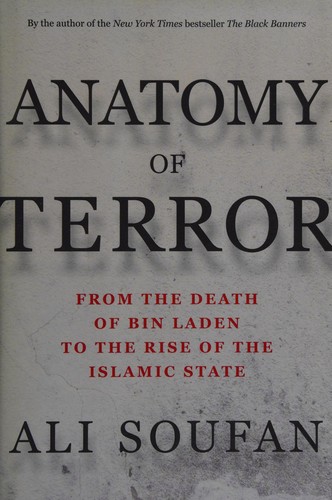
Soufan's follow-up: how ISIS grew out of bin Laden's grave, and why killing the man didn't kill the movement. Written by the guy who actually sat across the table from these people.
A scholar's tour of religious violence across every faith, not just Islam. If you want to understand why people kill for God, start here instead of with cable news.
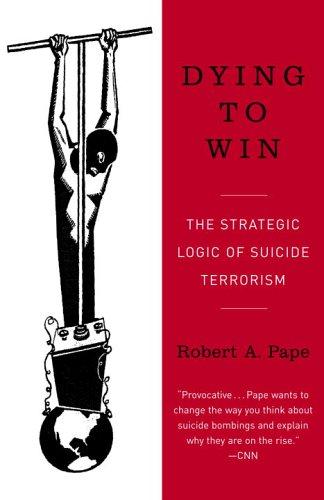
The data bomb: Pape studied every suicide attack over two decades and found the common thread isn't religion — it's military occupation. Argue with it all you want, but read it first.
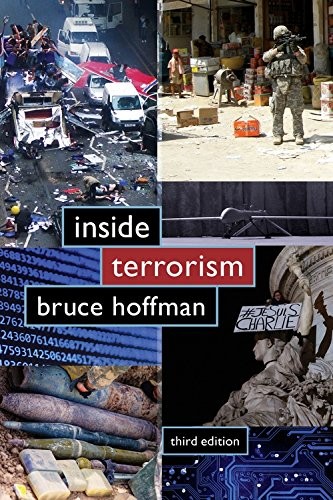
The standard text on what terrorism actually is and how it works — assigned at war colleges for a reason. Dry in spots, but it's the foundation everything else builds on.
The enemy in their own words — translated speeches and writings meant for internal audiences, not Western cameras. Know what you're actually up against.
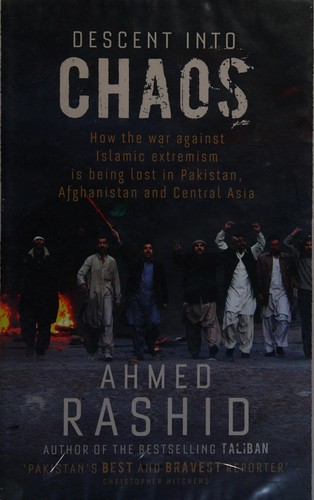
Rashid's indictment of how the U.S. won Afghanistan in 2001 and then lost the peace over the next decade. The road map for a war that stayed lost.
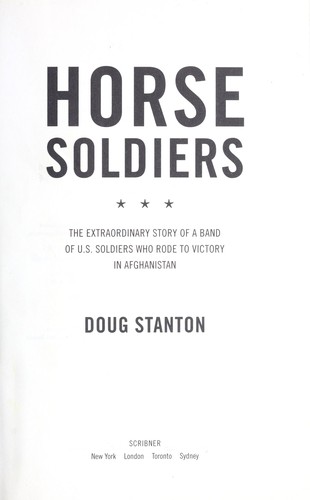
Twelve Special Forces soldiers in Afghanistan in October 2001, embedded with Northern Alliance forces and riding horses into Taliban positions while calling precision air strikes from B-52s overhead. ODA 595 was doing something that had not been done in American combat since the Indian Wars. Stanton embedded with survivors and reconstructed the campaign. The book is the definitive account of how a small unconventional force leveraged fifty years of SF doctrine — population engagement, by-with-and-through, direct action — to help collapse a government in weeks. Everything the Army had been told SOF could not do.
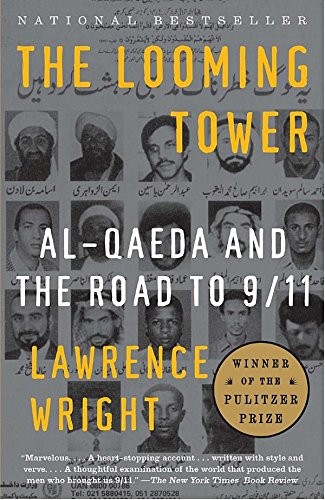
The most thorough account of how al-Qaeda developed, what the U.S. intelligence community knew about the threat before 9/11, and why the institutional barriers between the FBI and CIA made it effectively impossible to connect the information that might have prevented the attacks. Wright spent years on the primary sources and won the Pulitzer Prize. The bureaucratic and institutional failures documented here — the turf protection, the information hoarding, the failure to share across organizational boundaries — are specific, named, and catastrophic. Required reading for anyone who works in or with intelligence organizations.
Weiner spent twenty years covering the CIA for the New York Times and then wrote this history of the agency from its founding through the Iraq War, using declassified documents and interviews with more than four hundred former CIA officers. His argument: that the CIA has consistently failed at its primary mission — providing the President with accurate intelligence on which to base decisions — and that the institutional culture that produces this failure is not accidental but structural. The history of American intelligence failures from the Korean War through the invasion of Iraq, documented in specific operational detail. Pulitzer Prize winner.
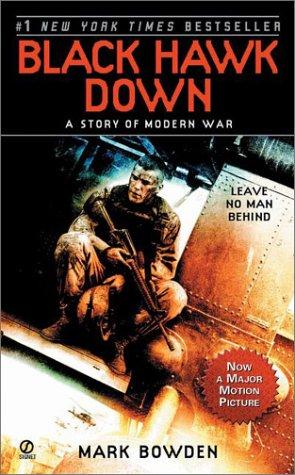
Eighteen Americans killed in Mogadishu in October 1993. Bowden reconstructed the battle from hundreds of interviews and showed what happens when the squad-level execution is perfect and the strategic logic is absent. Everything the Rangers and Delta did was tactically correct. Everything above battalion was a mess. Read it to understand how those two things can be simultaneously true.
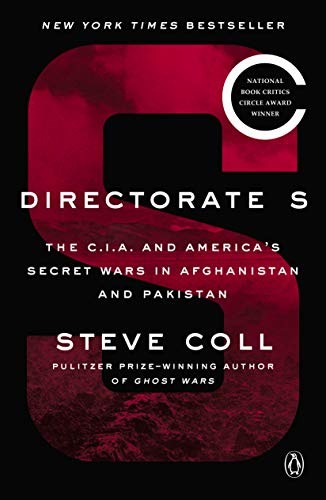
The history of the CIA and ISI's parallel and conflicting operations in Afghanistan and Pakistan from 9/11 through 2016 — written by the Pulitzer Prize winner who spent a decade reporting on the region. Directorate S is the sequel to Ghost Wars and the most complete account available of how the war in Afghanistan was actually managed at the strategic and intelligence level: the Pakistani double game, the drone program, the failed negotiations, and the systematic gap between what the intelligence community was telling policymakers and what was happening on the ground. The essential companion to The Forever War for understanding what the policy level of the Afghan war looked like.
The definitive history of Israel's targeted-killing program, built on thousands of interviews people weren't supposed to give. A clear-eyed look at what a democracy turns into when assassination becomes standing policy.
The Looming Tower author's dispatches across the whole arc — al-Qaeda to ISIS to Syria. If you've got time for one collection to see how we got from 9/11 to now, this is it.
The unauthorized biography of JSOC the command absolutely did not want written. Naylor names names and connects operations most books won't touch — dense, sourced, and the closest thing to a real history of the tier-one units.
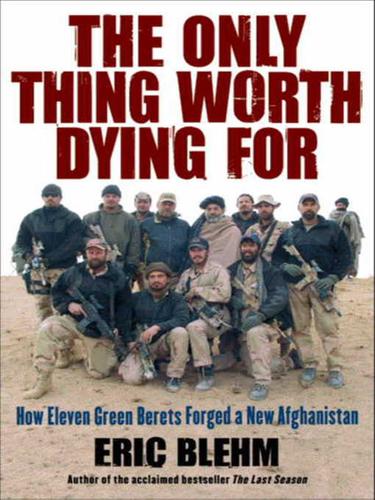
ODA 574's ride with Hamid Karzai in the opening weeks of the Afghan war — a dozen Green Berets and a satellite phone helping flip a country. The best look at what unconventional warfare actually is when it works, and how thin the margin was.
9/11 told from inside the towers, minute by minute — the radios that couldn't talk to each other, the stairwells, the people. A brutal case study in how comms and command failures get people killed.
The Pulitzer-winning backstory to 9/11 — the CIA, Saudi money, and Afghanistan from the Soviet withdrawal to the morning the towers fell. If you want to understand where the whole GWOT came from, it starts here, years before anyone in uniform got the call. The essential prequel to everything else on this shelf.
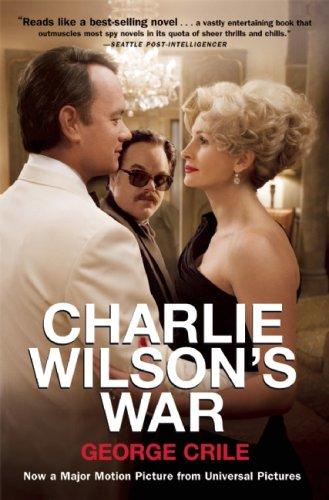
How a hard-partying Texas congressman and a rogue CIA officer ran the largest covert operation in history, arming the Afghan mujahideen to bleed the Soviets dry. A wild ride that also happens to explain a lot about the mess that came after.
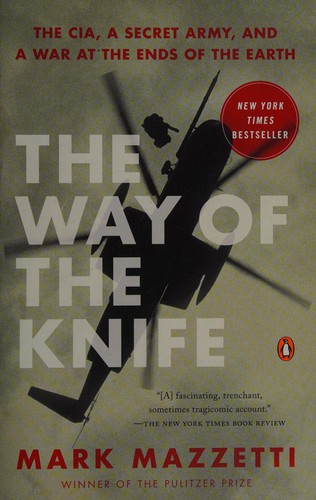
How the CIA turned into a paramilitary killing machine while the Pentagon grew its own spy service — the drone-war decade nobody voted on. If you're going to fly the missions, understand who's really calling them.
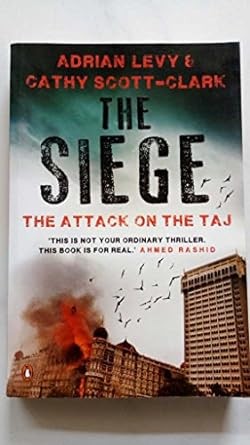
Minute-by-minute reconstruction of the 2008 Mumbai attacks — ten gunmen, three days, a city held hostage while the response fell apart. Required reading on how a small cell does maximum damage.
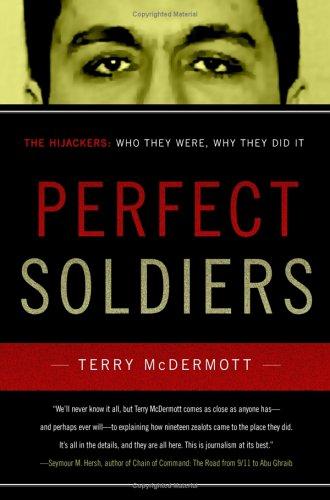
Who the 9/11 hijackers actually were — not cartoon fanatics but ordinary men, which is the far more disturbing answer. Reporting that kills every comfortable stereotype about how this happens.

How the FBI and CIA each held pieces of the 9/11 plot and never put them together. A maddening account of the wall between agencies that let it happen.
The story of Anwar al-Awlaki, the American citizen the U.S. killed with a drone and no trial. The hardest questions of the whole war on terror, packed into one man's file.
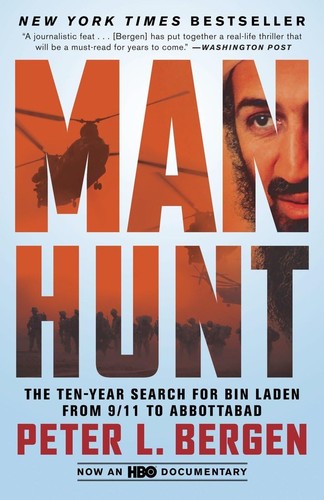
The ten-year hunt for bin Laden from Tora Bora to Abbottabad, by the reporter who actually interviewed him in 1997. Clear-eyed about what the raid did and didn't settle.
An oral history of bin Laden built from the people who knew him — an antidote to the flat villain of the evening news. Bergen lets the sources contradict each other, which is the whole point.
The Black Hawk Down author on the hunt for Escobar — the Delta operators, the intercepts, the manhunt template later run against bin Laden. Different target, same playbook.
The book that explained the Taliban to the West before most of the West even knew the name. Rashid was on the ground; the rest of us were catching up.

The chase for Khalid Sheikh Mohammed, the actual architect of 9/11. A better-known name got the headlines, but KSM drew the plans — solid investigative work on the man who mattered most.
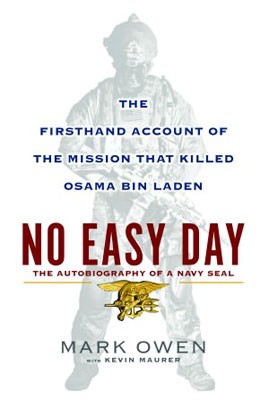
The SEAL who was on the UBL raid wrote this under a pseudonym and was identified within forty-eight hours. Written before the lawyers could close in, in the flat professional tone of a man who found the death of Osama bin Laden to be, in the moment, somewhat anticlimactic. What it is actually like inside Naval Special Warfare Development Group, told without mythology, is worth the read regardless of your feelings about the legal controversy.
Crumpton ran the CIA's covert action programs in Afghanistan in the weeks after 9/11 — the small team of CIA officers that coordinated with Northern Alliance forces and called in air strikes that destroyed the Taliban government in a few weeks. His account of what that campaign actually looked like at the operational level, and what the interagency process looked like from the inside of the CIA, is the most specific available account of how covert action and conventional military operations interact at the senior level. The chapters on HUMINT collection under cover are the most honest account of what intelligence officers actually do.
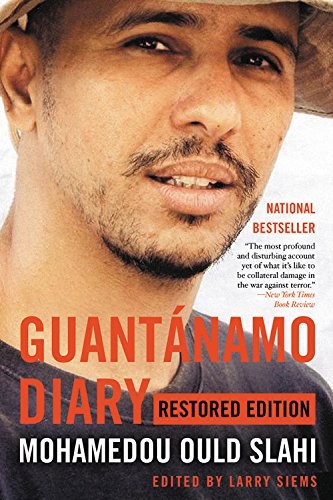
A detainee's handwritten account of years at Gitmo without charge, published with the government's black-bar redactions left right in the text. Read it before you decide what you think about 'enhanced interrogation.'
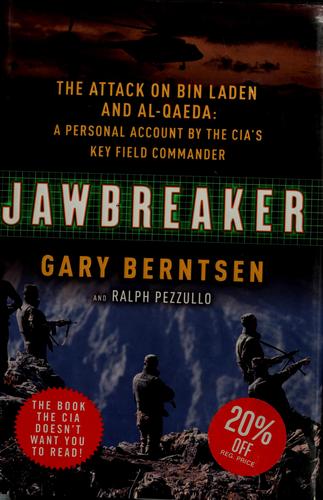
The CIA field commander at Tora Bora on how we had bin Laden cornered and let him walk into Pakistan because Washington wouldn't send the troops. The after-action the brass didn't want written down.
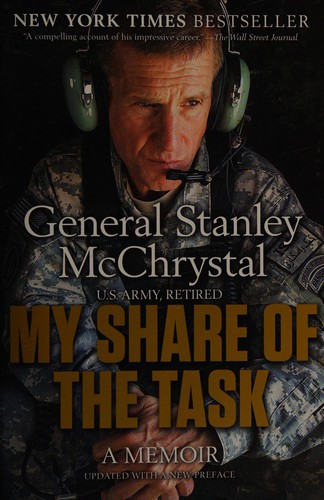
McChrystal's own account of building the JSOC machine that took apart AQI in Iraq. Read it for the network-hunting doctrine that became Team of Teams, and take the parts where he manages his own reputation with a little salt.
The Delta ground commander's account of Tora Bora and the shot at bin Laden in 2001 that got away. Written under a pseudonym by someone who was there — take the self-justification with salt, but the tactical detail is the real thing.
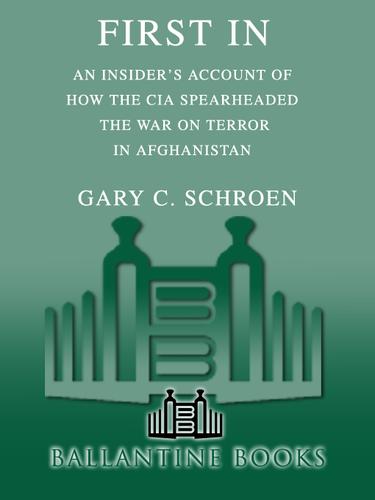
The CIA team leader who went into Afghanistan first — weeks ahead of the SOF teams, with cash and a mission to link up with the Northern Alliance. The origin story of the whole campaign, straight from the man carrying the money.
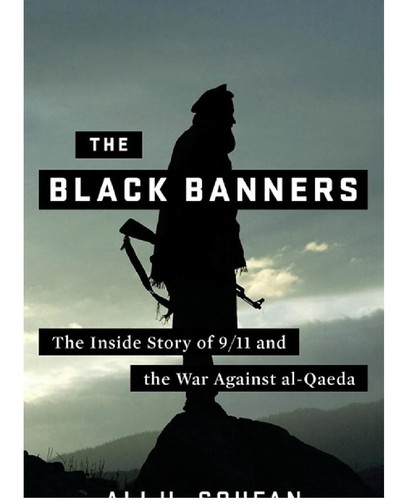
Soufan was the FBI agent who interrogated al-Qaeda operatives the right way — rapport, not waterboards — and watched the CIA's torture program torch the intel he was pulling. The chapters the government fought to redact are exactly the ones you need to read.
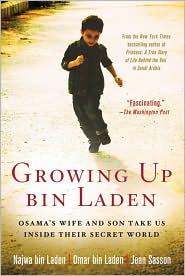
Osama's first wife and fourth son on life inside the compound. Not sympathy — context, from the only people who watched the man become the myth up close.