Intelligence & Espionage
Intelligence is the profession that only makes the news when it fails, which makes its honest literature rare and valuable. This shelf covers the tradecraft, the great cases, the institutional histories, and the analytic craft of turning noise into judgment. For anyone who works in the shadows — or wants to understand the people who do.
Buy links go to Bookshop.org (which supports independent bookstores) and Amazon. Some are affiliate links — if you buy, we earn a small commission at no extra cost to you. As an Amazon Associate we earn from qualifying purchases. It never affects which books are on this list or how we describe them. How this works.

The actual field manual: how the MSS, the United Front, and PLA intelligence really recruit, run sources, and steal — written by analysts who name names instead of waving vaguely at 'the Chinese.' Dry in the best way, like a good intel brief. If you work anywhere near cleared spaces, this is the threat, spelled out.
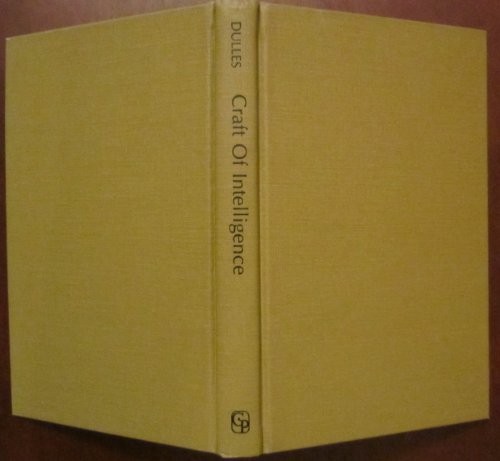
Dulles ran the CIA at its Cold War peak and wrote the book that taught a generation what intelligence work actually is — collection, analysis, counterintelligence, covert action. Dated in places and self-serving in others, but it's the foundational text; read it to understand the institution that shaped every agency in this shelf.
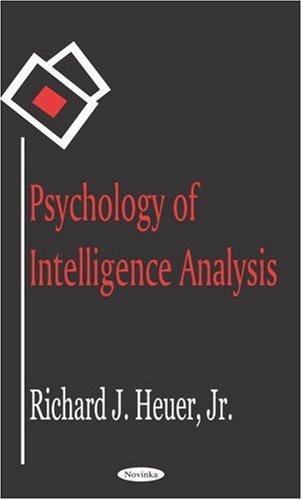
Heuer spent decades at CIA figuring out why smart analysts get it wrong, and the answer is your own brain — the mental shortcuts that feel like judgment and aren't. This is the standard text on structured analytic techniques; if your job is turning information into an assessment, it will make you better and more humble at the same time.
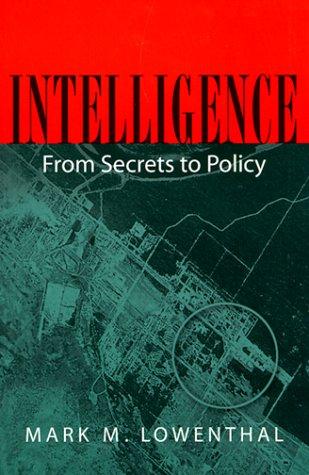
Lowenthal's book is the standard college and war-college text on how the U.S. intelligence community actually works — the cycle, the agencies, the oversight, and the fights between collectors, analysts, and policymakers. Dry next to the spy memoirs, but if you want the system instead of the stories, this is the one that gets assigned.
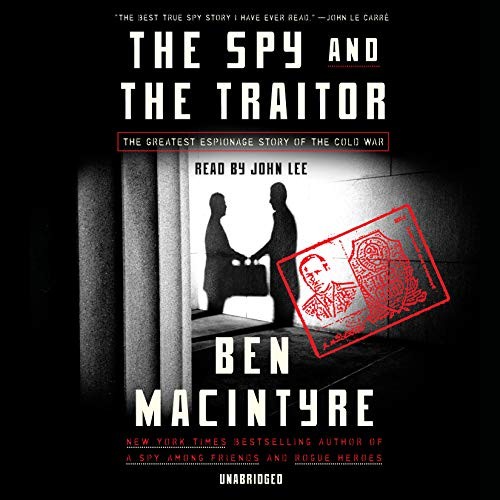
Oleg Gordievsky was a senior KGB officer who spent ten years working for British intelligence, providing information that shaped Western policy during the most dangerous period of the Cold War. Ben Macintyre reconstructed his story from the KGB files, MI6 records, and interviews with Gordievsky himself. The book is simultaneously the best Cold War espionage account written in this century and the most detailed available study of what strategic intelligence actually looks like — the collection, the processing, the use, and the cost to the people who provide it.
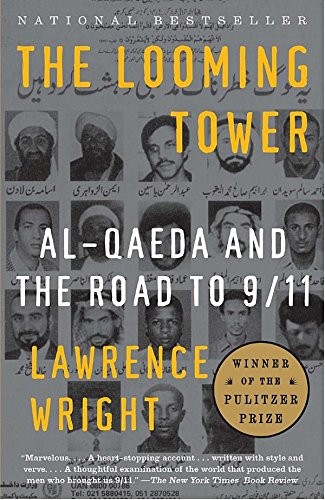
The most thorough account of how al-Qaeda developed, what the U.S. intelligence community knew about the threat before 9/11, and why the institutional barriers between the FBI and CIA made it effectively impossible to connect the information that might have prevented the attacks. Wright spent years on the primary sources and won the Pulitzer Prize. The bureaucratic and institutional failures documented here — the turf protection, the information hoarding, the failure to share across organizational boundaries — are specific, named, and catastrophic. Required reading for anyone who works in or with intelligence organizations.
Weiner spent twenty years covering the CIA for the New York Times and then wrote this history of the agency from its founding through the Iraq War, using declassified documents and interviews with more than four hundred former CIA officers. His argument: that the CIA has consistently failed at its primary mission — providing the President with accurate intelligence on which to base decisions — and that the institutional culture that produces this failure is not accidental but structural. The history of American intelligence failures from the Korean War through the invasion of Iraq, documented in specific operational detail. Pulitzer Prize winner.
The history of the CIA and ISI's parallel and conflicting operations in Afghanistan and Pakistan from 9/11 through 2016 — written by the Pulitzer Prize winner who spent a decade reporting on the region. Directorate S is the sequel to Ghost Wars and the most complete account available of how the war in Afghanistan was actually managed at the strategic and intelligence level: the Pakistani double game, the drone program, the failed negotiations, and the systematic gap between what the intelligence community was telling policymakers and what was happening on the ground. The essential companion to The Forever War for understanding what the policy level of the Afghan war looked like.
Greenberg traced the Russian military hacking unit GRU Sandworm from their first intrusions into Ukrainian power grids in 2015 through their deployment of the NotPetya malware in 2017 — the most destructive cyberattack in history, which caused ten billion dollars in damage and shut down shipping, logistics, and financial systems across the globe. The book is the most complete available account of what large-scale offensive cyber operations look like in practice: the target selection, the tools, the operational security failures that revealed the unit, and the absence of any effective response from the countries attacked. On the CMSAF reading list because cyber is the Air Force's fourth domain and most Airmen don't understand what operations in it actually look like.
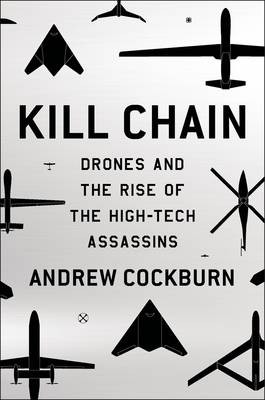
The history of precision killing — from the targeting systems of WWII through Vietnam's electronic battlefield through the drone strikes of the post-9/11 wars. Cockburn's argument: that the repeated American faith in technology as a substitute for strategy — the belief that the right weapon accurately enough applied will win the war — has been repeatedly disproven and repeatedly reaffirmed because it is institutionally convenient to believe it. The book is an institutional critique of how the military-industrial complex shapes doctrine. Essential reading for anyone involved in targeting, acquisition, or special operations planning.
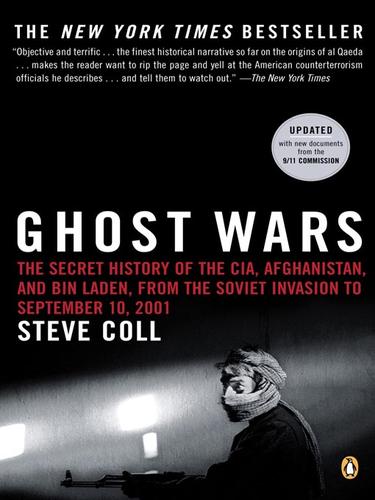
The Pulitzer-winning backstory to 9/11 — the CIA, Saudi money, and Afghanistan from the Soviet withdrawal to the morning the towers fell. If you want to understand where the whole GWOT came from, it starts here, years before anyone in uniform got the call. The essential prequel to everything else on this shelf.
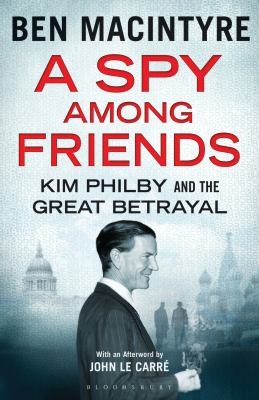
Kim Philby was MI6's golden boy and the KGB's best asset at the same time — for decades, while his oldest friends vouched for him. Macintyre tells it through the friendship Philby weaponized, and it's the best case study you'll ever read on why counterintelligence exists and why trust is the softest target in the building.
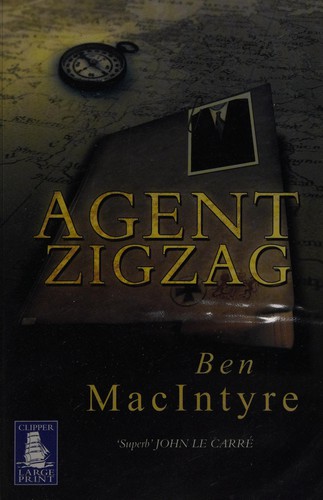
Eddie Chapman was a safecracker and con man the Germans trained and dropped into Britain as a saboteur — and the British promptly turned him back around on his handlers. A true WWII double-cross that reads like a heist and doubles as a primer on how deception operations actually run.
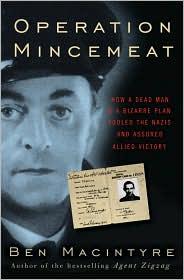
The British dressed a dead man as a Royal Marine officer, chained a briefcase of fake invasion plans to him, and floated him toward the Nazis to sell a lie about where the Allies would land. It worked, it saved thousands of lives on Sicily, and it's the clinic on military deception — every deception planner and PSYOP shop should read it.
A KGB archivist secretly copied the Soviet foreign-intelligence files for years, then walked them to the West after the USSR fell. What Mitrokhin smuggled out is the most detailed picture ever exposed of how the KGB ran agents, assassinations, and active measures across the world — the receipts, in other words.
Written by the former head of CIA's Office of Technical Service — the real-life Q branch — this is the hardware side of espionage: the cameras, dead drops, disguises, and gadgets that kept officers alive behind the Iron Curtain. Nerdy in the best way, and a reminder that tradecraft is engineering as much as nerve.
Adolf Tolkachev handed the CIA the Soviet Union's most sensitive military-aircraft and radar secrets from inside Moscow, saving the U.S. billions in R&D and betraying a system he'd come to hate. Hoffman reconstructs the operation from declassified cables — a masterclass in agent handling in the hardest denied area on earth, and how it ended.
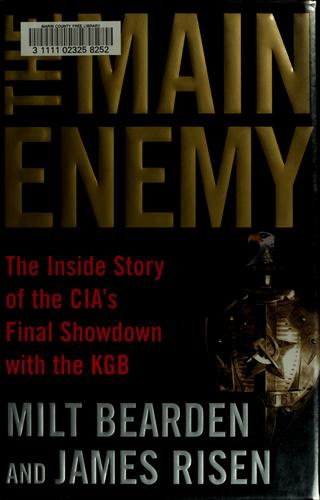
Bearden ran the CIA's Soviet operations through the endgame of the Cold War, and he tells the spy war from the inside — the moles, the mole hunts, and the year the Agency's Soviet agents started dying one by one. The definitive insider account of the CIA-KGB duel, right up to the collapse.
Bamford pried open the NSA when the government wouldn't even admit it existed — the first real map of America's signals-intelligence machine and its reach. Decades old now, but it's the book that turned NSA into a public institution instead of a rumor, and the starting point for understanding surveillance in America.
Bamford's deeper dig into the NSA — the Cold War crises, the intercepts, the near-catastrophes, and the incidents the agency spent decades burying. If you touch SIGINT, cyber, or anything with a TS//SI banner, this is the institutional history behind your clearance.
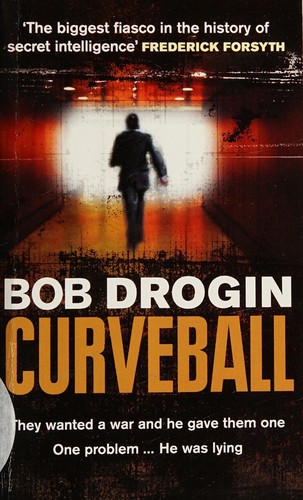
'Curveball' was the code name for the Iraqi defector whose lies about mobile bioweapons labs ended up in Colin Powell's UN speech — sourced from a man the CIA had never even met. Drogin dissects how a single unvetted fabricator helped grease the road to war; required reading on how intelligence gets abused when policy already wants the answer.
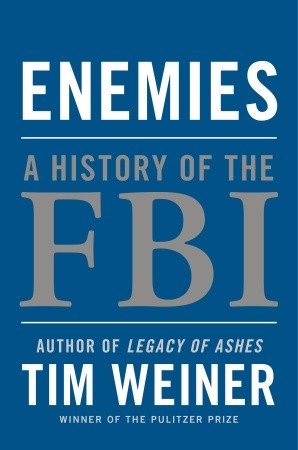
Weiner, who filleted the CIA in 'Legacy of Ashes,' turns to the FBI as a secret-intelligence and domestic-security force from Hoover forward — the wiretaps, the black-bag jobs, the abuses, and the reforms. Read it next to 'Legacy of Ashes' for the full picture of how America spies, at home and abroad.
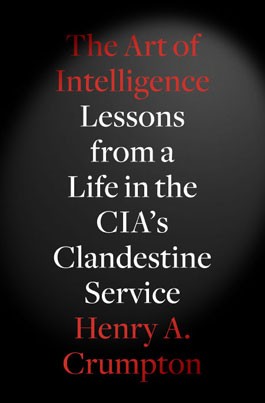
Crumpton ran the CIA's covert action programs in Afghanistan in the weeks after 9/11 — the small team of CIA officers that coordinated with Northern Alliance forces and called in air strikes that destroyed the Taliban government in a few weeks. His account of what that campaign actually looked like at the operational level, and what the interagency process looked like from the inside of the CIA, is the most specific available account of how covert action and conventional military operations interact at the senior level. The chapters on HUMINT collection under cover are the most honest account of what intelligence officers actually do.
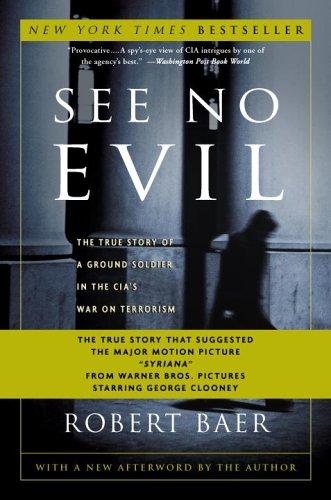
Baer was a CIA case officer in the worst corners of the Middle East before the Agency, in his telling, went risk-averse and pulled its people back to their desks. It's the ground-truth argument for human intelligence over satellites and intercepts — and a warning about what you lose when nobody speaks the language or leaves the compound.
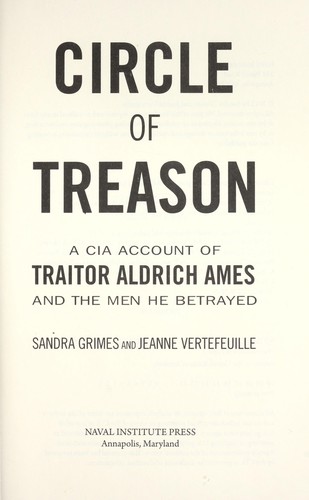
Two of the CIA officers who spent years hunting the mole that was getting their agents executed — and the mole turned out to be one of their own, Aldrich Ames. Written by the women who caught him, it's counterintelligence from the inside: slow, grinding, personal, and the reason Ames is in a cell instead of a corner office.
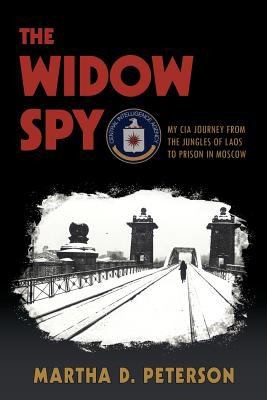
Peterson was one of the CIA's first female case officers in Moscow, working the streets under total surveillance until the KGB grabbed her at a dead drop. Her memoir is the operational reality of tradecraft in the hardest city on earth — and a rare, honest account of doing the job as a woman in an agency that barely let her.
Hayden ran both the NSA and the CIA across 9/11, warrantless surveillance, drones, and enhanced interrogation — and this is his unapologetic defense of the calls he made. Read it for the view from the seat where the hardest post-9/11 decisions got made, then argue with it; he wants you to.
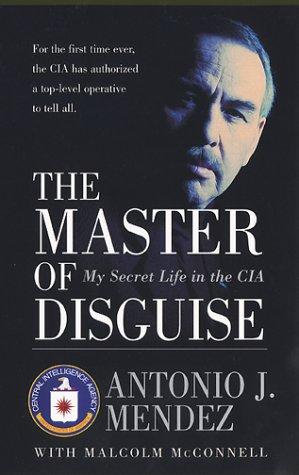
Mendez was the CIA's chief of disguise — the officer who ran the 'Argo' exfiltration of American diplomats out of Tehran using a fake movie as cover. His memoir is the artist's side of espionage: false identities, exfiltrations, and getting people out of places they were never supposed to leave.