The Infantry Canon
The close fight has its own literature, and most of it wasn't written by generals. This is our shelf for the infantry experience told honestly: small-unit leadership, the physics and psychology of the assault, and the memoirs that capture what a rifle platoon actually goes through. If you carry a pack and a weapon for a living, or want to understand people who do, start here.
Buy links go to Bookshop.org (which supports independent bookstores) and Amazon. Some are affiliate links — if you buy, we earn a small commission at no extra cost to you. As an Amazon Associate we earn from qualifying purchases. It never affects which books are on this list or how we describe them. How this works.
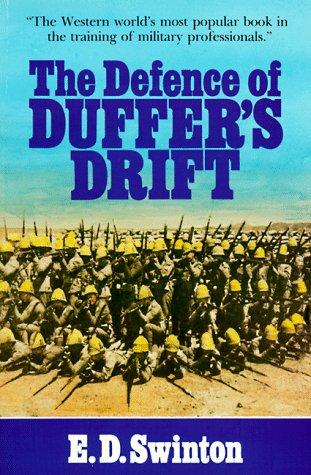
Written in 1904 by a British officer as a teaching device: a young lieutenant dreams his way through six increasingly competent defenses of the same river crossing. The first dream ends in disaster. The sixth succeeds. It reads like a field manual disguised as a short story. On the Commandant's list continuously for over a century because it teaches small-unit defensive tactics through vivid failure. Each dream adds one lesson the lieutenant failed to apply in the last. You can read it in two hours. You will think about it longer than that.
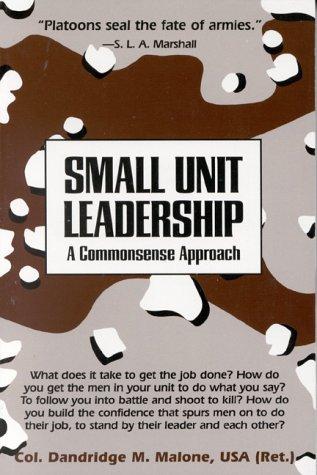
The book they should hand you at OCS or BOLC and sometimes do not. Unglamorous, practical, and right. How to lead soldiers when you are scared, tired, wrong, and responsible for everything simultaneously — which is always. Malone spent a career studying what actually works in small unit command versus what looks good in doctrine. The gap is significant. This book is about closing it.
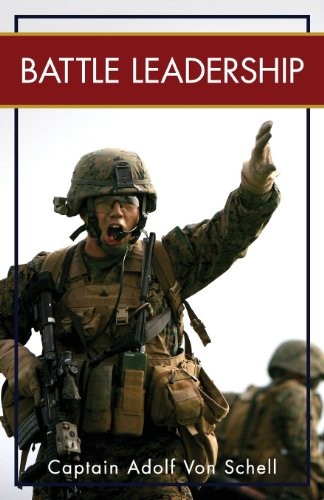
A German general officer wrote this account of small-unit leadership in WWI for the Infantry School at Fort Benning in 1933. The Marine Corps has assigned it ever since. The core argument: leadership under fire is not about giving orders, it is about being the kind of person men will follow when following means dying. Von Schell fought the war he is analyzing, which makes his case studies something other than theory. Seventy pages that have not been surpassed in the literature of small-unit combat leadership.
Moran served as a medical officer with the Royal Fusiliers in WWI and later as Winston Churchill's personal physician. This book, published in 1945, is the first sustained analysis of what courage actually is — not the romantic version but the clinical one: that courage is a finite resource that is depleted by sustained exposure to danger, and that the question is not whether a man has courage but how much and how long. The implications for personnel management, combat rotation policy, and the ethics of continuous deployment are direct and have been regularly ignored. The book that shaped Bernard Fall's analysis of the French Army in Vietnam.
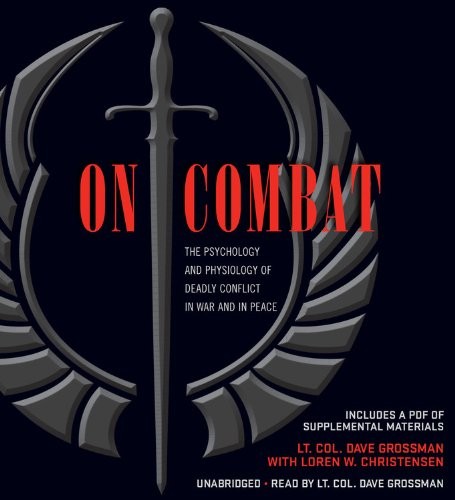
What actually happens to your body and brain when the shooting starts: heart rate through the roof, tunnel vision, the auditory exclusion nobody warned you about. Grossman's follow-up to On Killing explains why trained people freeze and how to train so you don't. Keep the physiology, skip the hype some fans bolt onto it, and it earns its shelf.

Connable takes a data scalpel to the comfortable myths about how ground war works -- morale, casualties, why armies really break. He's a former Marine intel officer, so he argues with evidence, not vibes. Read it to stop repeating things about combat that just aren't true.
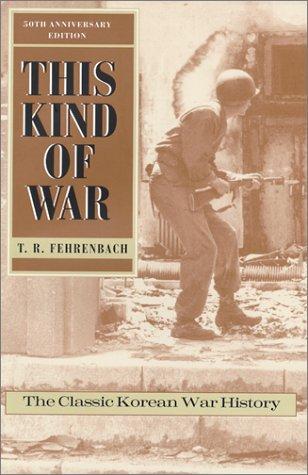
Korea. The forgotten war, unforgotten lessons. When light infantry trained for WWII conventional combat ran headlong into Chinese regulars who had been fighting since 1937, the results were instructive. Fehrenbach's analysis of why the Army was unprepared and what it cost them is still more relevant than most current doctrine. Still on the CGSC reading list. Still largely ignored until the next time it is relevant.
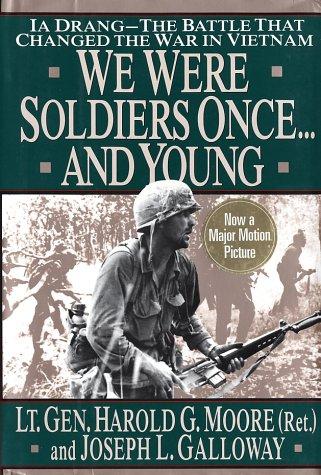
Ia Drang Valley, November 1965. The first major battle between U.S. Army and North Vietnamese Army forces. Moore commanded the battalion. Galloway was the reporter embedded with them. Both were there for the full three days. Both tell the truth, which is rare when officer and journalist collaborate. The helicopters that made the battle possible also made it impossible to disengage. That tension never resolved.
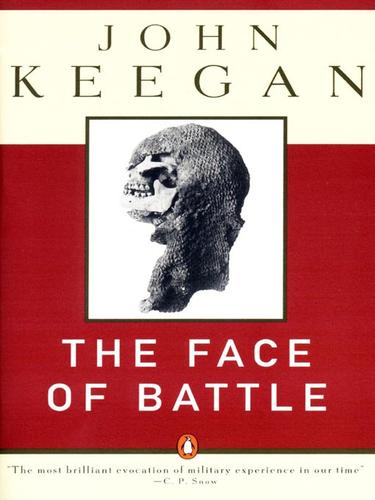
Keegan decided to write a military history that told the truth about what battle actually feels like for the men who fight it — not for the generals who direct it. Agincourt, Waterloo, the Somme: three battles, three centuries, one devastating argument that military history has consistently failed to describe what happens to a human body and a human mind under sustained combat. The chapter on the first day of the Somme — July 1, 1916, 57,470 British casualties — is the most important piece of military writing produced in the twentieth century. It should be assigned in every war college on earth and has not yet changed anything.
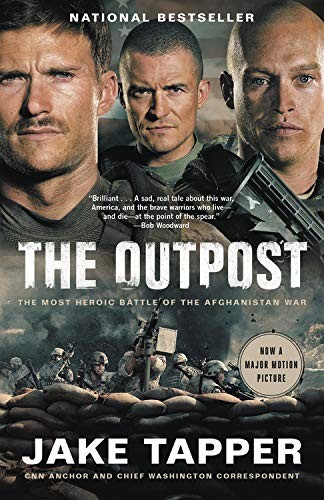
Combat Outpost Keating, Nuristan Province, Afghanistan, October 3, 2009. Fifty-three insurgents launched a coordinated assault on fifty-three Americans in a position that violated every principle of defensive positioning: in a valley, overlooked by three mountains, approachable on all sides. Eight Americans were killed. Two Medals of Honor were awarded for the same battle. Tapper spent years interviewing survivors and reconstructed not just what happened but the chain of decisions — tactical, operational, strategic — that put those men in that position. The best book about the Afghanistan war at the small-unit level. Also the most damning account of how force protection decisions are actually made.
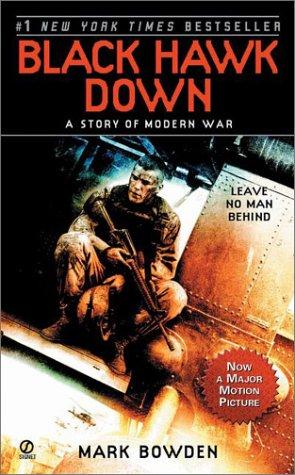
Eighteen Americans killed in Mogadishu in October 1993. Bowden reconstructed the battle from hundreds of interviews and showed what happens when the squad-level execution is perfect and the strategic logic is absent. Everything the Rangers and Delta did was tactically correct. Everything above battalion was a mess. Read it to understand how those two things can be simultaneously true.
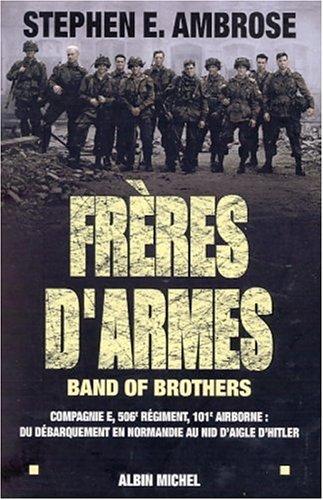
Easy Company, 506th Parachute Infantry Regiment, 101st Airborne. Normandy to Berchtesgaden. Ambrose interviewed the survivors while they were still sharp and built the definitive account of what small unit cohesion looks like under the most sustained pressure the 20th century produced. The HBO series is excellent. The book is the source. Read the source.
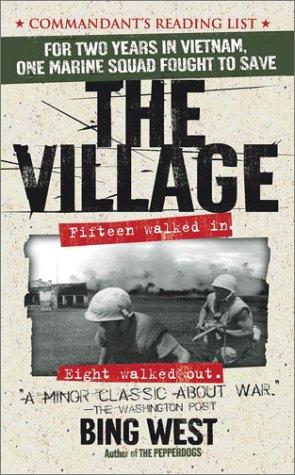
Combined Action Platoons in Vietnam. Marines embedded in Vietnamese villages to live, eat, sleep, and fight alongside the people they were protecting. It worked tactically and by most measures strategically. The MACV command never wanted to scale it because it threatened the conventional force structure's dominance. West watched an idea that worked get deliberately abandoned. He has not forgotten it. This book is why.
Lima Company, 3rd Battalion, 1st Marines — Fallujah, November 2004. O'Donnell embedded with the company before and during the assault on the city and produced the most detailed account available of what urban combat at the squad and platoon level looked like in the most intense battle of the Iraq war. Fourteen Lima Company Marines were killed in a few weeks of fighting. O'Donnell documented the tactics, the leadership, and the cost. The best companion to House to House for understanding what Fallujah required of the men who fought it.
Ellis drags the WWII story back down from the maps and the great-captain memoirs to where the killing and dying actually happened: the last hundred yards. Mud, exhaustion, terror, and the grinding arithmetic of the infantryman's war. If you only read the generals, you don't know the war at all.
Finkel embedded with an infantry battalion during the Baghdad surge and came back with the definitive close-up of what those fifteen months actually cost. No politics, no big picture — just soldiers, IEDs, and a commander watching his optimism die by inches. It's the reason Thank You For Your Service had to exist.
How American GIs actually solved the tactical problems of hedgerows, cities, forests, and forts between D-Day and V-E Day — not the myth, the mechanics. Doubler shows an army learning under fire and adapting faster than the doctrine writers back home. The antidote to the lazy line that the Germans were just better and we won on tonnage.
Holmes assembles centuries of soldiers' own testimony to answer one question: what does combat actually do to the men who fight it? Fear, courage, killing, and the bonds that make people run toward the fire — laid out with a historian's rigor and a soldier's respect. The definitive study of how men really behave in battle.
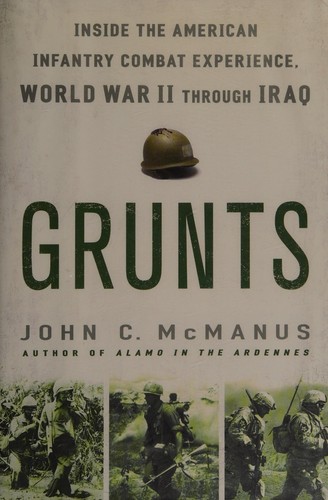
McManus traces the American infantry combat experience from WWII to Iraq and hammers the thing the Pentagon keeps forgetting: wars are still won by tired men on foot closing with the enemy. A readable, righteously angry corrective to every promise that technology would finally retire the rifleman. Spoiler: it didn't.
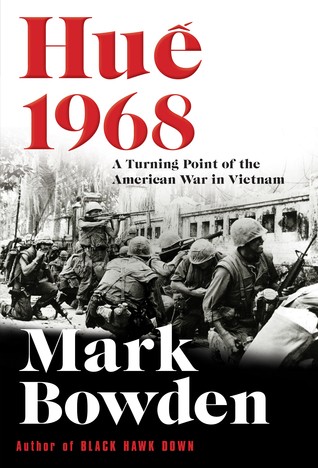
The Black Hawk Down author on the bloodiest single battle of the Tet Offensive, block by urban block. Bowden reconstructs the fight from both sides and pinpoints the moment Washington's optimism died on camera. The most readable account of the turning point nobody in charge saw coming.
Peleliu and Okinawa, 1944-45. Sledge was a gentle, educated young man from Mobile, Alabama who became an 81mm mortar man in the 1st Marine Division and wrote the most honestly devastating memoir of the Pacific ground war. No heroics. No retrospective meaning-making. Just what it looked like from the coral and mud of two of the worst island battles the Marine Corps ever fought. Ken Burns called it one of the most profound accounts of war ever written by an American. He was right.
The most decorated American soldier of the Vietnam era wrote his memoirs and proceeded to indict the entire Army leadership structure, by name, with evidence. They took his Army career. He took theirs in the court of history. Whether Hackworth was right about everything is debatable. Whether the Army in Vietnam had serious institutional rot at senior levels is not. The most honest senior officer memoir ever published by an active American soldier. They got him for it.
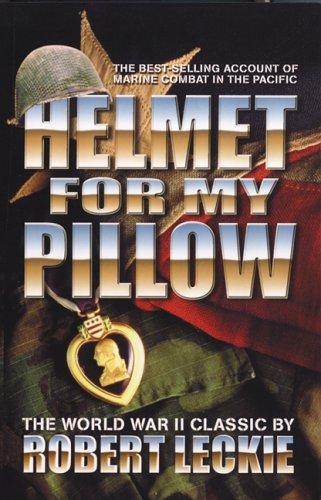
Guadalcanal through the island campaign, written with a journalist's eye and a Marine's unfiltered anger. Leckie is the counterpart to Sledge: sharper, more political, less restrained. Together, their two books constitute the Pacific ground war's ground truth in a way no official history has matched. Leckie writes about the Corps with love and without sentimentality, which is the only honest way to write about the Corps.
Not a memoir. Not a novel. Something more honest than either. O'Brien served in Vietnam as an infantryman and spent twenty years figuring out how to tell the truth about it. The weight of the physical gear is the point of entry. What it opens into is the weight of everything else: guilt, memory, the stories we tell to survive. The most important American book about ground combat ever written by someone who was there.
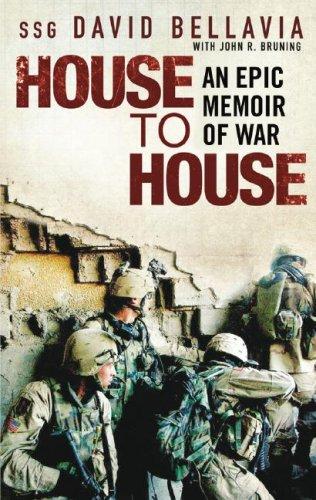
Fallujah, November 2004. Staff Sergeant Bellavia cleared a house full of insurgents by himself. Medal of Honor, 2019. This is the book written before anyone called him a hero — written with the flat, precise honesty of a man who is not sure what he did was heroism versus something else entirely. The most technically detailed account of close-quarters combat in print. Not for everyone. Necessary for many.
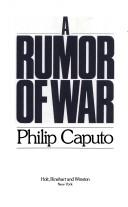
A Marine lieutenant in Vietnam in 1965 and 1966, among the first American units deployed for sustained combat. What happened when young officers brought Cold War moral certainty to a war that had none. Caputo describes losing his moral bearings with an honesty that requires courage, and without the self-pity that usually attends that kind of honesty. The military justice system features prominently. So does the question of what an officer owes his men versus what he owes his conscience.
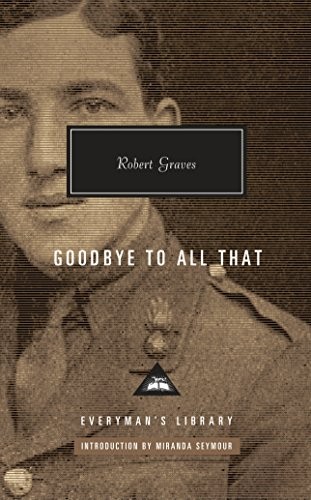
Robert Graves served in the Royal Welch Fusiliers during WWI, was wounded on the Somme, reported dead, wrote this memoir in 1929, and then left England permanently. The book is the first great memoir of modern industrial war: the class structure of the British officer corps, the mechanics of trench warfare, the casualty rates in the infantry, and the way the war systematically destroyed every framework — patriotic, religious, romantic — that a young Englishman had been given to make sense of the world. Written in a tone of controlled rage that never quite overflows. The book that Remarque's novel responds to.
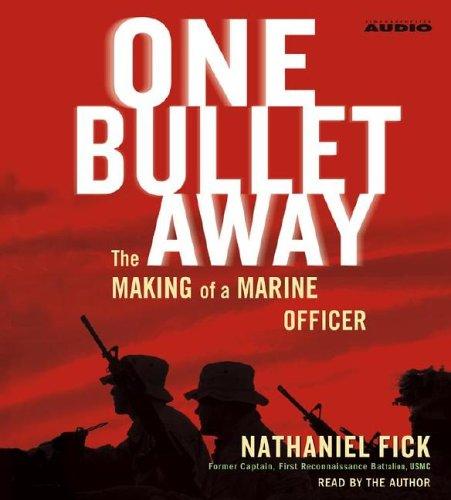
Fick led the same platoon that Evan Wright rode with in Generation Kill — 1st Reconnaissance Battalion during the 2003 invasion. Where Generation Kill is Wright's outsider account, One Bullet Away is Fick's insider account: what it was like to command the platoon from Dartmouth ROTC through TBS through the reconnaissance school through the invasion. The two books should be read together. Fick's account of the gap between what he was taught about leadership and what the invasion actually demanded is the best available account of what initial-entry officer development does and does not prepare officers for.
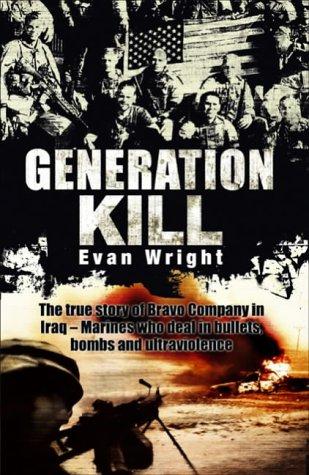
An embedded reporter with 1st Reconnaissance Battalion during the 2003 invasion of Iraq. The real First Recon Marines, before the HBO miniseries made them famous and the fame made them harder to read about honestly. Wright had the discipline to mostly listen, the skill to render what he heard accurately, and the courage to publish it. The gap between what the mission was and what the Marines thought they were doing is one of the most instructive things in the book.
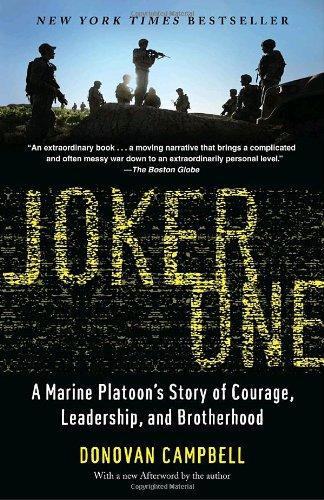
A Marine lieutenant commands an infantry platoon in Ramadi in 2004 — at the time the most dangerous city in the most dangerous country on earth for American forces. Campbell was a Harvard-educated, McKinsey-trained officer who had every credential except the one that mattered, and he writes about learning to lead from the front with an honesty about his own failures that junior officer memoirs rarely achieve. The book is also the most accurate account available of what sustained urban combat in Iraq felt like at the platoon level — the exhaustion, the ethics of ambiguous engagements, and the weight of bringing men home.
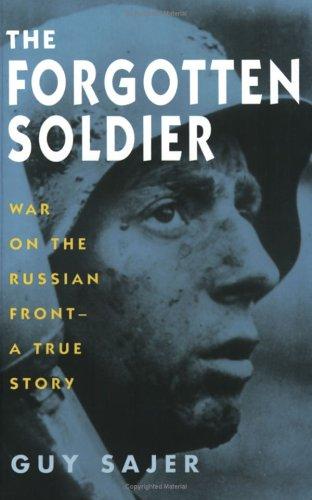
A young Alsatian who was conscripted into the German Army and fought on the Eastern Front from 1942 to 1945. The most harrowing infantry combat memoir ever published, by a man who was technically on the wrong side and tells the truth anyway. What sustained ground combat does to a human being — the cold, the hunger, the losses, the way the self narrows to the next hour — is documented here without mercy or self-pity. Read it and understand what your army will never be asked to do. Hope it stays that way.
An Army lieutenant in Vietnam writes about his first command with the particular honesty of a man who knows he made mistakes that cost lives and is unwilling to pretend otherwise. Fear, incompetence — his own included — and what it actually costs to lead men in contact are documented without the retrospective heroism that tends to accumulate over decades. The best of the Vietnam lieutenant memoirs and one of the few that tells the truth about what junior leadership actually feels like.
A Marine officer who could both fight and draw, Thomason sketched the leathernecks of Belleau Wood with a bayonet in one hand and a pen in the other. The prose is old-fashioned and the swagger is a century deep, but the men are real and the Corps still reads him. This is where a lot of Marine mythology got its actual grammar.
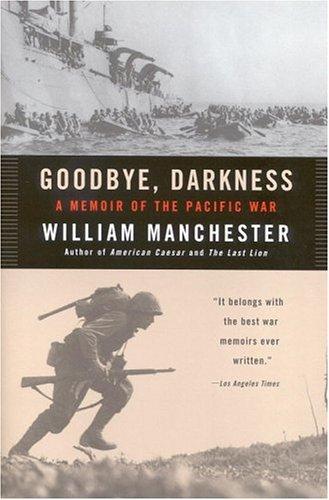
Manchester survived the Pacific as a Marine, then went back decades later to walk the islands and figure out what it did to him and the boys he watched die. Part memoir, part reckoning, all haunting. The best writer on this shelf trying to process the worst thing that ever happened to him.
Lewis Puller Jr., son of the most decorated Marine in history, lost both legs and most of his hands to a mine in Vietnam and wrote the Pulitzer-winning memoir of trying to live afterward. Unflinching about the wounds, the recovery, and the long war that follows you home. That he later lost his own fight with it only makes the book matter more.
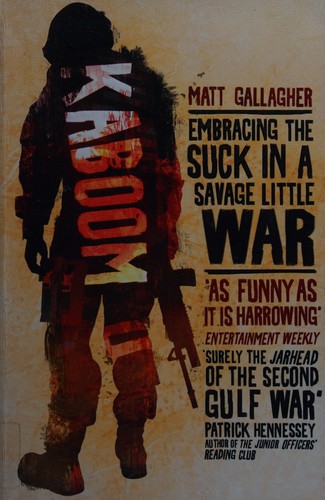
A young lieutenant blogged his Iraq deployment so honestly the Army shut him down — then he turned it into one of the sharpest, funniest, most profane platoon-leader memoirs of the whole war. Gallagher nails the boredom, the absurdity, and the sudden violence of counterinsurgency at the platoon level better than almost anyone. Embrace the suck, indeed.
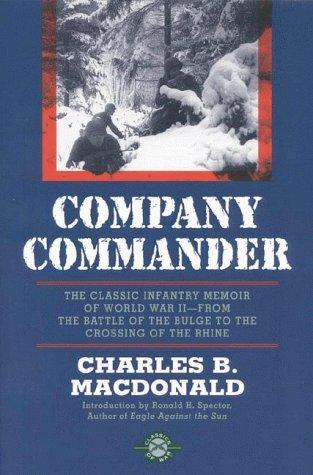
MacDonald took over a rifle company in the Huertgen Forest at 23 and wrote down exactly what that felt like: the cold, the fear, the men you lose, the calls you make on no sleep. Nobody has ever put the weight of company command on the page more honestly. Read it before you pin on the bars, not after.
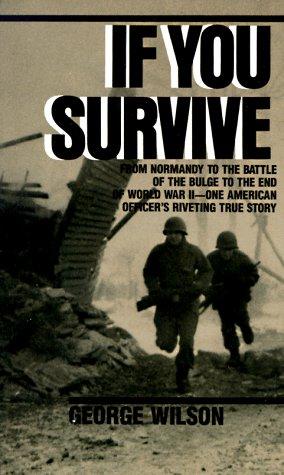
From Normandy to the Bulge, Wilson watched the officers around him get killed at a rate that makes the title a statement of fact, not drama. A plain, unsparing account of a platoon and company leader who kept getting handed the job because everyone senior kept dying. The frontline war with the gloss stripped clean off.
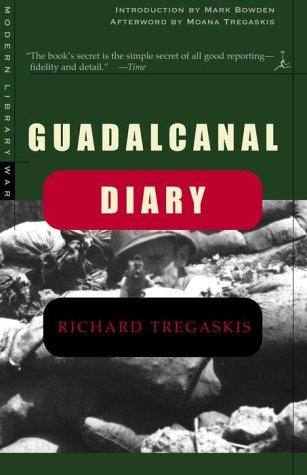
A war correspondent went ashore with the Marines in August 1942 and wrote it down as it happened. Raw, immediate, and the book that told the home front what the Pacific actually cost.
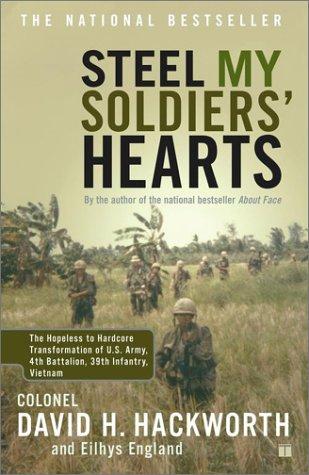
Hackworth takes over a busted battalion and drags it from hopeless to hardcore, telling you exactly how in language the Army wishes he'd toned down. Half tactical manual, half middle finger to careerism. If About Face was the whole life, this is the master class on fixing a broken unit.
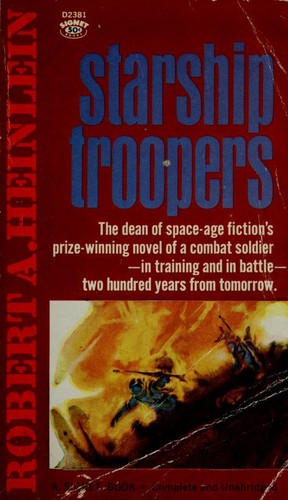
The novel that invented powered infantry combat armor and launched a thousand arguments about civic virtue, military service, and who earns the right to vote. Heinlein was a Naval Academy graduate and wrote his politics directly into a science fiction novel that reads, at times, like a philosophical treatise on the relationship between service and citizenship. You do not have to agree with his conclusions to profit from the argument. The film is something else entirely. Read the book.
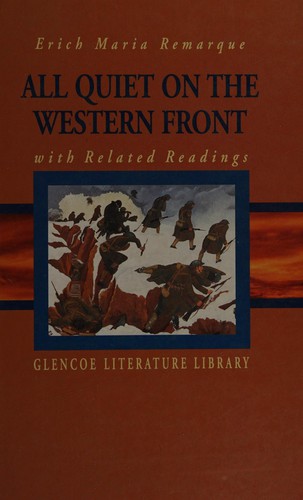
Written by a German WWI veteran and published in 1929. Burned by the Nazis in 1933. Paul Bäumer enlists with patriotic enthusiasm and experiences the full industrial machinery of trench warfare from inside the German line. The book that detonated the mythology of glorious sacrifice did so from the perspective of the losing side — intentionally, because the experience of the men in the trenches was identical on both sides of the wire. Required reading for anyone who has ever used the word "sacrifice" in a recruitment context or a public statement about the costs of war. Still the most important antiwar novel in any language.
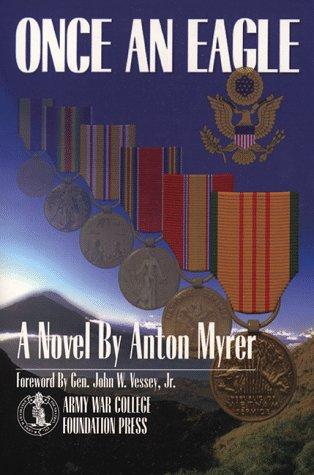
The Army's unofficial scripture, though every branch recognizes the type. Two officers, two wars, two completely different answers to the question of what kind of officer you want to be. The fact that Courtney Massengale keeps getting promoted should tell you everything you need to know about how institutions work. Sam Damon is who you want to be. Massengale is who gets the star.
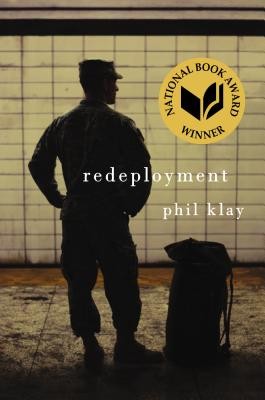
Klay served as a Marine officer in Iraq and published this collection of linked stories in 2014, winning the National Book Award. Each story inhabits a different character — a mortuary affairs Marine, a civil affairs officer, a reservist returning home, a veteran working in a dog shelter — and together they build the most complete portrait of what the Iraq and Afghanistan wars produced at the human level. Klay does not sentimentalize and does not condemn. He documents. The result is the finest American war fiction of the post-9/11 era, and the one that will be read alongside Hemingway and O'Brien in fifty years.
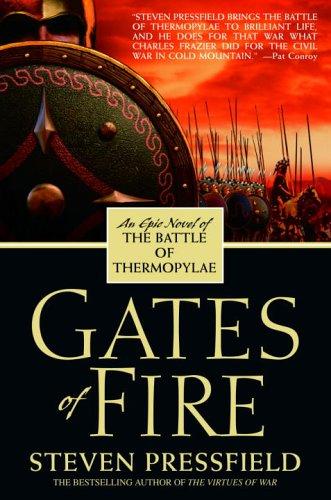
Three hundred Spartans at Thermopylae, told from the perspective of the sole survivor — a body servant, not a warrior, which turns out to be the better vantage point. Pressfield researched the Spartan military culture to uncomfortable depth and then wrote a novel that makes you feel the weight of their shields. Assigned reading at West Point, Annapolis, and every leadership course that wants to look like it takes things seriously. There is a reason.
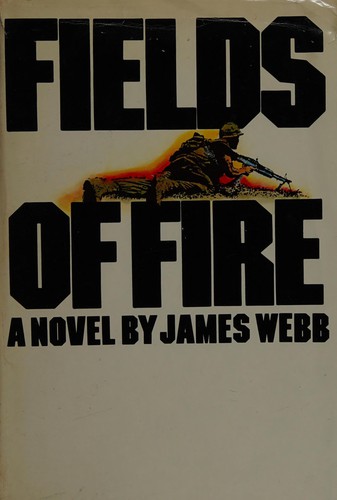
The best American novel about the Vietnam War at the grunt level. Webb was a Marine platoon commander in An Hoa Basin and wrote the fiction that captured what the war actually felt like — not from the colonel's command post but from the patrol base and the rice paddies. Three college men, different backgrounds, all fed into the same machine. What comes out is not what went in. Webb won't let anyone off the hook, including the antiwar movement and the soldiers themselves.
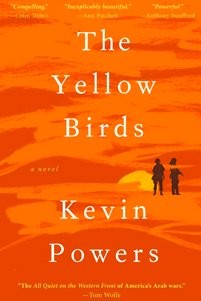
Powers served in the Army in Mosul in 2004 and wrote this novel about two soldiers, a year in Iraq, and what happens to one of them. The novel moves between the deployment and the aftermath, between the Euphrates and Virginia, tracking what Private Bartle carries home and what he cannot explain to anyone who was not there. Powers wrote the novel in verse paragraphs — the prose has the compression of poetry — and produced the most formally ambitious fiction of the Iraq war. The National Book Award finalist that belongs on every reading list that includes The Things They Carried.
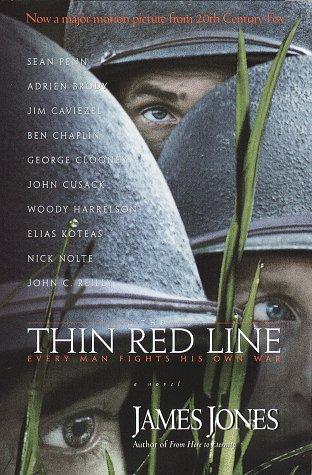
Jones served in the U.S. Army at Guadalcanal and wrote the finest American novel of combat in the Pacific war. Where From Here to Eternity addressed the peacetime Army before Pearl Harbor, The Thin Red Line addresses the infantry in actual combat — the Guadalcanal campaign as experienced by the men of C-for-Charlie company, their psychology under fire, the random quality of who lives and who dies, and what combat does to the idea that there is any order or logic to survival. Jones was not interested in heroism as a concept. He was interested in what men actually do when the situation is genuinely impossible.
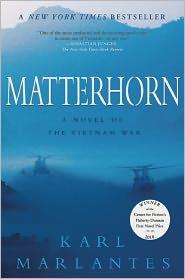
Marlantes spent thirty-five years writing this novel about a Marine rifle company in Vietnam. He was a Marine officer there. The result is six hundred pages that feel earned rather than padded — a complete account of a pointless hill, a pointless campaign, and the men caught inside both. More honest than it had to be. Longer than it needs to be. The most important Vietnam War novel published in the twenty-first century.
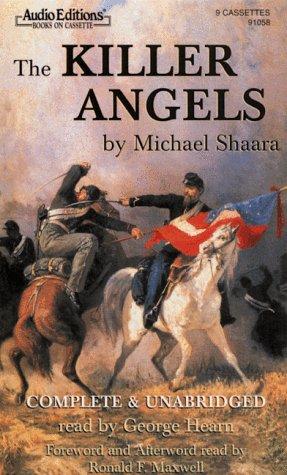
The Battle of Gettysburg told through the eyes of the commanders on both sides: Lee and Longstreet, Chamberlain and Buford. Shaara spent years on the research and the prose and produced the only novel that fully renders the military experience of the Civil War's decisive battle — the command pressures, the physical reality of the ground, and the specific moment when Chamberlain's 20th Maine, out of ammunition, fixed bayonets and charged downhill. On the Commandant's reading list. Assigned at West Point. Required not because the Civil War will recur but because command under impossible conditions looks exactly like this.
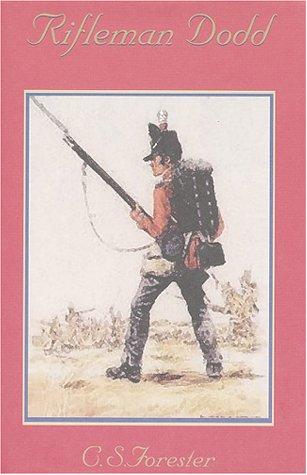
A British rifleman cut off behind French lines in Portugal in 1810, trying to get back to his regiment with no food, no support, no communications, and no clear picture of where his regiment actually is. One hundred and sixty pages. Still on the Marine Corps reading list. Still one of the most precise studies of individual soldier resourcefulness, mission focus, and the refusal to accept that an assignment is over simply because circumstances make it difficult. Forester wrote it as a character study. It reads as a leadership manual.
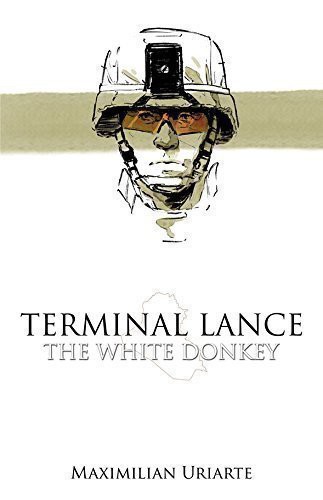
The Terminal Lance guy's graphic novel about the boredom, the bullshit, and the grief of a deployment where nothing and everything happens. It's funny until it suddenly isn't, and the turn will stay with you. The rare official-list pick that actually sounds like the barracks.
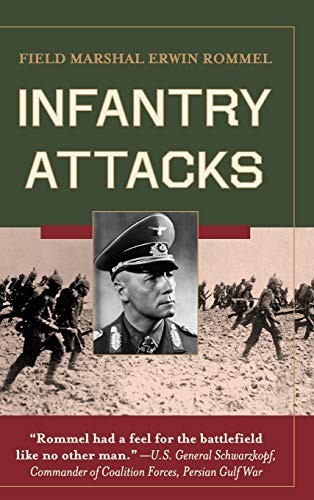
Before he was the Desert Fox, Rommel was a WWI lieutenant leading small units on aggressive, half-insane, wildly successful raids — and he wrote up every one with the tactical lesson attached. It reads like a small-unit-leadership field manual written by a genius who was actually there. Patton studied it; so should you.
The single best one-volume answer to the question every general keeps getting wrong: why does infantry still matter after tanks, airpower, and drones were each supposed to retire it? English and Gudmundsson trace the foot soldier from the trenches through fire-and-maneuver and explain the tactics that actually keep riflemen breathing. If you carry a rifle for a living, this is the theory behind your muscle memory.
Marshall claimed most WWII riflemen never fired their weapons, and that one claim rewired how the Army trains people to shoot at other people. The ratio-of-fire data is hotly disputed now — read it knowing that — but its influence on marksmanship and combat training is impossible to overstate. Argue with it, but read it first.
A Depression-era collection of real WWI infantry situations, each dissected for the lesson — assembled at Fort Benning under George C. Marshall and used to teach the officers who would go on to run WWII. Timeless because the problems never change: friction, fog, bad information, and a decision that can't wait. Still one of the best tactical primers ever printed.
Marlantes wrote Matterhorn. This is the nonfiction companion: his own account of what he did in Vietnam, what he was trained to do, and what nobody prepared him for — the moral and psychological weight of killing. He draws on Jungian psychology, mythology, and his own experience to argue that the military trains warriors to kill and then fails to prepare them for what killing does to a human soul, and that this failure produces the veteran crisis. More uncomfortable than most books on the subject. More honestly argued. The gap between what Marlantes describes and what the military currently does about it is still very large.
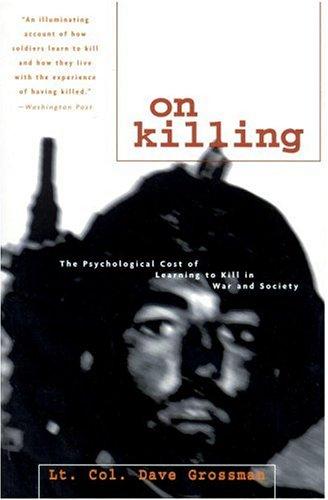
Grossman's analysis of the psychology of killing in combat — why humans have an innate resistance to killing other humans, how military training overcomes that resistance, and what the psychological consequences of killing are for the individuals who do it. Based on S.L.A. Marshall's WWII research and Grossman's own work as a West Point psychology professor. The book is controversial in its statistical foundations but has shaped every subsequent discussion of combat psychology, PTSD, and the ethical obligations of military training. Required context for anyone thinking seriously about what military training actually does to people.