The American Revolution
The Revolution is where the American military tradition begins: an amateur force that lost most of its battles and won the war that mattered. This shelf covers the campaigns, the founders-as-commanders, and the improbable endurance of the Continental Army — the histories and biographies that explain how the republic was won in the field before it was written on paper.
Buy links go to Bookshop.org (which supports independent bookstores) and Amazon. Some are affiliate links — if you buy, we earn a small commission at no extra cost to you. As an Amazon Associate we earn from qualifying purchases. It never affects which books are on this list or how we describe them. How this works.
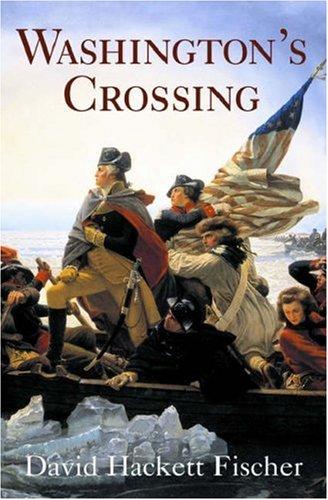
Fischer reconstructed the Trenton-Princeton campaign of December 1776 through January 1777 — the two weeks that kept the American Revolution alive — from diaries, letters, and Hessian military records. His account of Washington's decision to cross the Delaware on Christmas night and attack Trenton is the original American case study in operational audacity under conditions of strategic collapse. Fischer won the Pulitzer Prize and wrote a book that is simultaneously rigorous military history and a study of how moral authority, organizational competence, and calculated risk interact in decisive military action. On the SOCOM reading list.
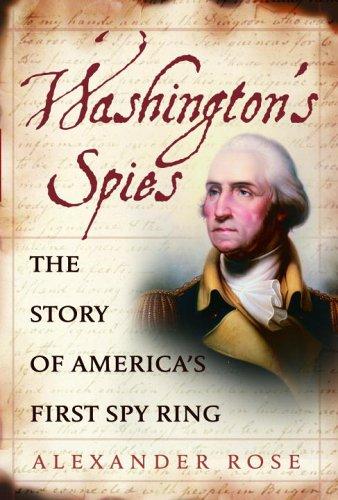
The Culper Ring — the Continental Army's intelligence network on Long Island and in New York City during the British occupation — was the first effective American intelligence operation, and Rose reconstructed it from the surviving correspondence and records. Washington personally ran the network, wrote in invisible ink, and managed agents whose exposure would have meant death. The operational security, tradecraft, and compartmentalization that the Culper Ring developed under improvised conditions became the template for American intelligence operations two centuries later. The most complete account of how American intelligence began.
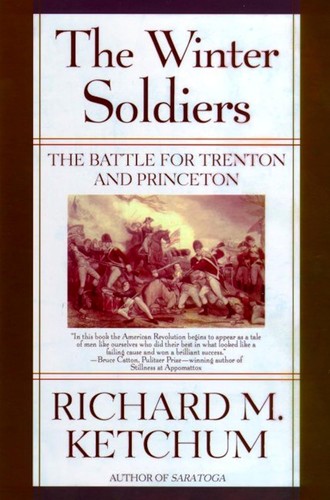
The winter of 1776–77 — Trenton and Princeton — when the Continental Army was near disintegration and Washington's decision to cross the Delaware and attack Trenton on the night of December 25th kept the Revolution alive. Ketchum reconstructed the campaign from diaries, letters, and the Hessian records to produce the most complete account of the two weeks that changed the course of the American Revolution. The decision-making under pressure, with an army that was shrinking daily from expired enlistments, and the tactical gamble that was the only alternative to strategic collapse, is the original American study in leadership under impossible conditions.
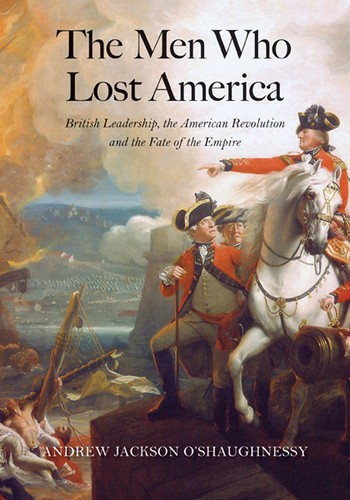
O'Shaughnessy's biographical study of the British military and political commanders of the American Revolution — Howe, Burgoyne, Cornwallis, Clinton, and the politicians in London who directed them. His argument: that the British commanders were not incompetent but were working within structural constraints — the political cost of alienating colonial loyalists, the logistical impossibility of controlling a continent with the forces available — that made victory nearly impossible regardless of tactical performance. The book inverts the standard account of the Revolution and makes the British side legible. Essential for thinking about what a counterinsurgency can and cannot accomplish.
The war's worst year, told without the fireworks. Washington loses New York, nearly loses the army, and the whole thing hangs by a thread of frostbitten volunteers who had every reason to walk home. McCullough shows you how close the founding came to never happening.
Washington and Benedict Arnold, side by side, until one becomes the legend and the other becomes the byword for traitor. Philbrick makes the case that the difference was thinner than you were taught. A study in how a good soldier goes bad.
Boston before it was a shrine — a powder keg of mobs, spies, and men who hadn't decided yet whether they were rebels or subjects. The battle that taught the British this would cost them, and the colonists that they could bleed a professional army. First real fight, told at street level.
The full military history of the war, from Lexington to Yorktown, with the honest verdict in the title. It shouldn't have been won, and Ferling walks you through every reason it nearly wasn't. Dense, definitive, worth the weight.
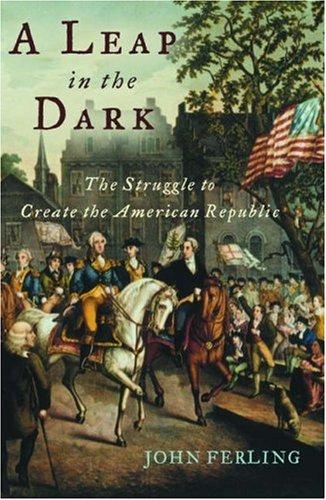
The politics behind the muskets — how thirteen squabbling colonies argued their way into a nation nobody was sure would hold. Independence wasn't a moment, it was a decade-long knife fight over ideas. Read it and the Constitution stops looking inevitable.
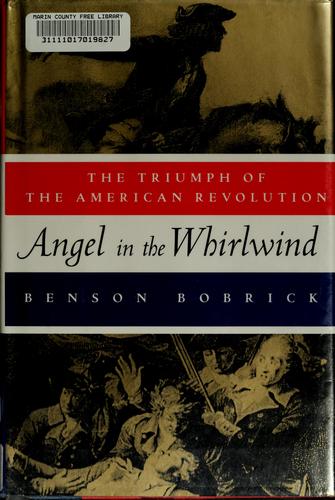
A one-volume sweep of the whole Revolution, narrative-first and built for readers, not just scholars. Bobrick keeps the arc moving from the first tax to the last surrender. A solid on-ramp before you tackle the doorstops.
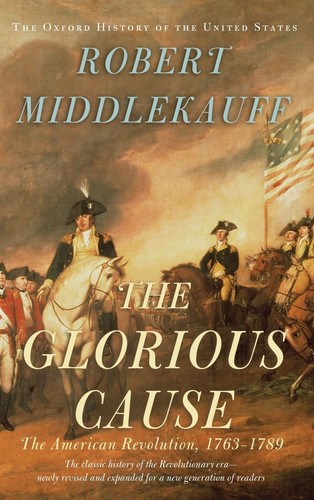
The Oxford History volume — the one professors assign when they want it done right. Covers the ideas, the war, and the politics without ever getting dull. If you read one comprehensive account, this is the safe bet.
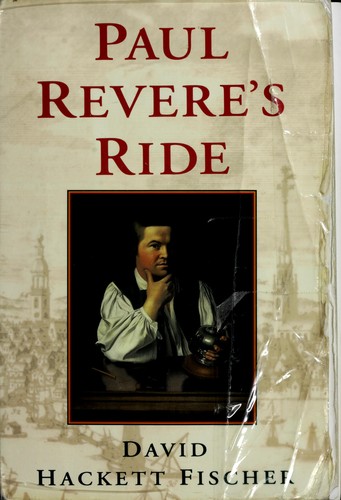
The famous ride, stripped of the poem and rebuilt from the evidence. Fischer turns one night into a masterclass on how intelligence, alarm networks, and a colonial resistance actually worked. Way better than the third-grade version.
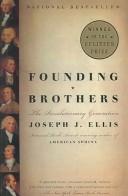
Six moments where the founders nearly blew it, and how they didn't. Ellis skips the birth-to-death march and zooms in on the decisions that mattered — the duel, the dinner, the silence on slavery. Short, sharp, Pulitzer-winning.
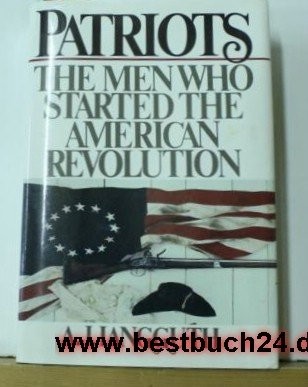
The road to revolution told through the people who walked it, from the Stamp Act to Yorktown. Langguth writes it like narrative journalism — fast, character-driven, hard to put down. History that reads like it's happening now.
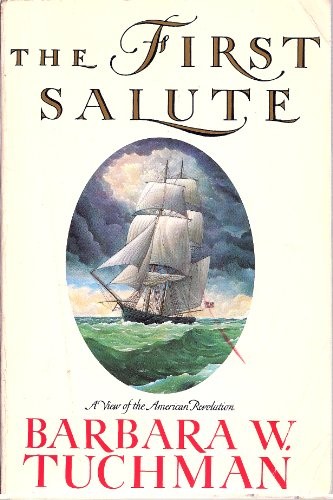
Tuchman looks at the Revolution from the outside in — the Dutch, the French, the sea power that actually decided it. The war wasn't won at Valley Forge alone; it was won because a global fight boxed Britain in. Her signature wide-angle lens.
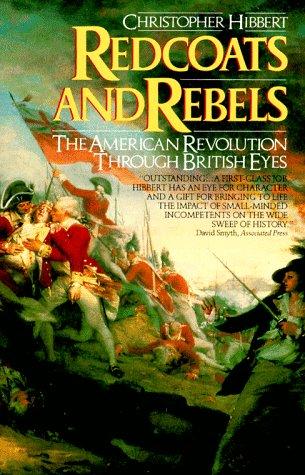
The Revolution from the British side of the line — the generals, the politics, and the slow realization back in London that they were losing. Flip the story and it looks very different. A useful corrective to the flag-waving version.
How the British Army actually fought in America — tactics, drill, and the myth that they marched in dumb red rows. Spring rebuilds it from the ground up, and it turns out the redcoats adapted more than anyone admits. For the reader who wants the how, not just the who.
The old two-volume operational bible — every campaign, every battle, mapped and marched in detail. Written in 1952 and still the reference for what happened where. Not a beach read; a campaign study.
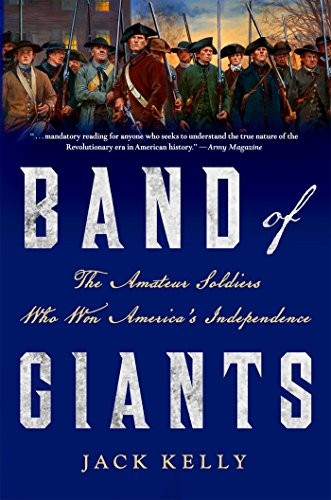
The amateurs who beat an empire — farmers, shopkeepers, and self-taught generals who had no business winning. Kelly puts the fighting men front and center, mud and all. A reminder that the founders bled before they became portraits.
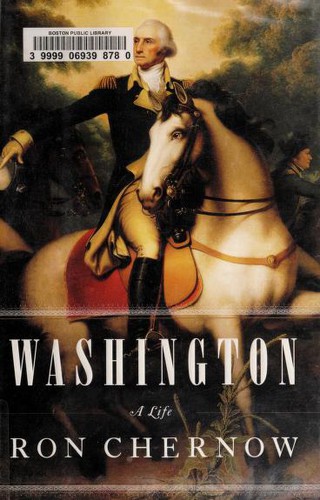
Chernow's biography of Washington — the full life, from surveyor through the French and Indian War through Valley Forge through the Presidency. The military chapters cover what Washington was actually like as a commander: his strategic patience, his management of the Continental Congress, the near-mutiny at Newburgh, and what it looked like to hold together an army that had no legal right to exist and was losing for most of the war. The model of civil-military relations in a nation that had not yet decided what civilian authority over the military should look like. Pulitzer Prize winner.
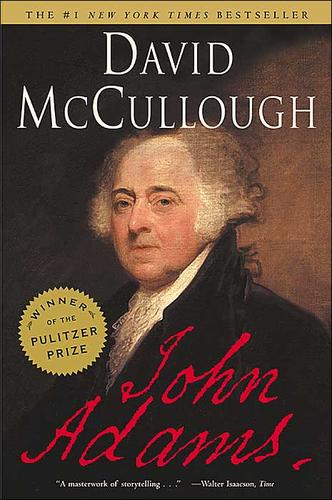
The founder nobody put on the money, and the one who did the unglamorous work that held it together. Prickly, honest, and allergic to the myth-making the others loved. If you want the Revolution without the marble, start here.
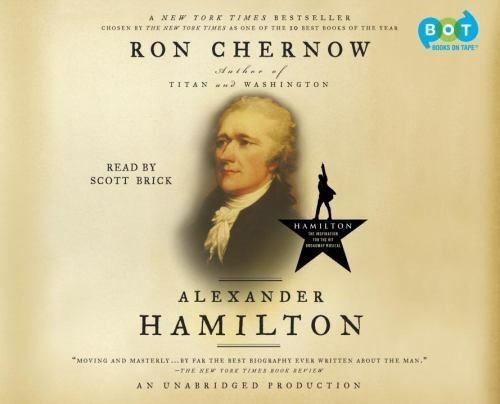
The immigrant orphan who built the financial guts of a country and got shot for his trouble. Chernow's doorstop is the book the musical came from, and it earns every page. Ambition, genius, and a temper that finally caught up with him.
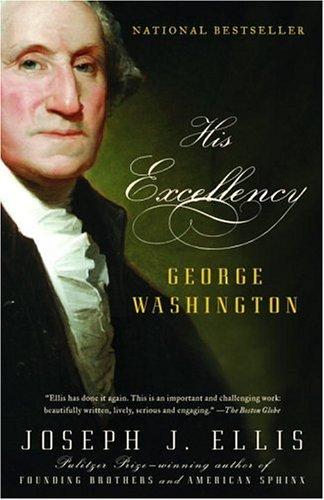
Washington the man, not the monument — ambitious, guarded, and smarter about power than anyone gave him credit for. Ellis fits a whole life into one tight volume. The best single-book Washington if Chernow's brick scares you.
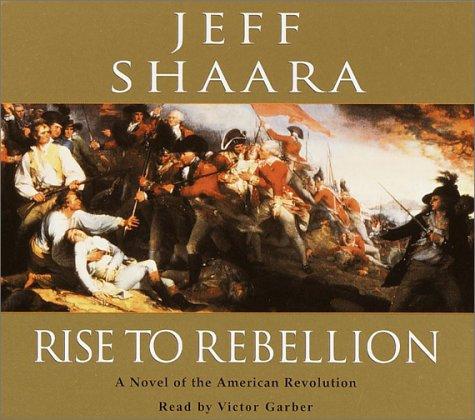
Historical fiction that puts you in the room — Adams, Franklin, Washington, and Gage as men making decisions, not statues. Shaara does for the Revolution what his father did for Gettysburg. Fiction, but built on the real record.
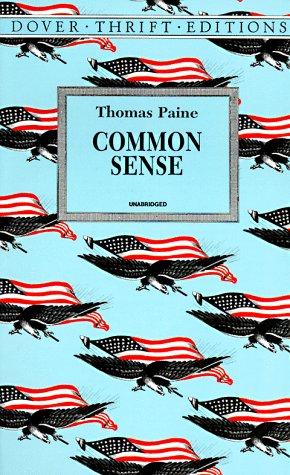
The pamphlet that turned grumbling colonists into revolutionaries, written so a farmer could read it aloud in a tavern. Paine made the case for independence in plain, furious English and sold half a million copies. The original viral document.