The Korean War
Korea is called the Forgotten War, which is exactly why it's worth reading — the brutal first fight of the Cold War, where an unprepared force got mauled, adapted, and held. This shelf runs from the Pusan Perimeter to Inchon to the frozen hell of Chosin Reservoir, in the histories and memoirs that refuse to let it stay forgotten.
Buy links go to Bookshop.org (which supports independent bookstores) and Amazon. Some are affiliate links — if you buy, we earn a small commission at no extra cost to you. As an Amazon Associate we earn from qualifying purchases. It never affects which books are on this list or how we describe them. How this works.
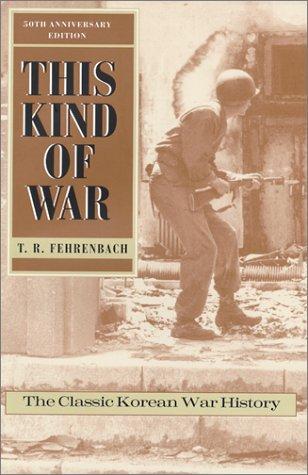
Korea. The forgotten war, unforgotten lessons. When light infantry trained for WWII conventional combat ran headlong into Chinese regulars who had been fighting since 1937, the results were instructive. Fehrenbach's analysis of why the Army was unprepared and what it cost them is still more relevant than most current doctrine. Still on the CGSC reading list. Still largely ignored until the next time it is relevant.
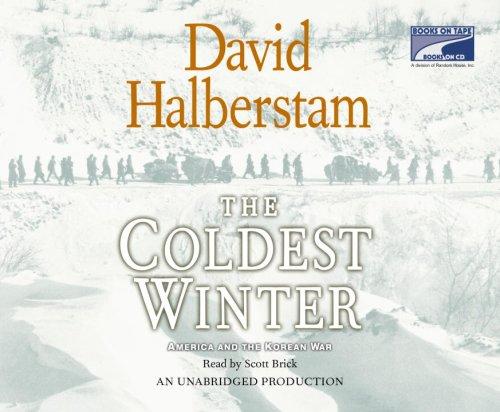
Korea, written by the journalist who spent his career dismantling official mythology with documented evidence. Published posthumously in 2007, it covers the political decisions that sent American troops unprepared into a war against China, the command failures at the senior level, and what the fighting actually looked like. The chapter on the destruction of the Eighth Army at the Ch'ongch'on River in November 1950 — when intelligence had been reporting Chinese forces for weeks and the command had decided they weren't there — is worth the book's entire price. Halberstam died in a car accident the year it was published. The book survived him.
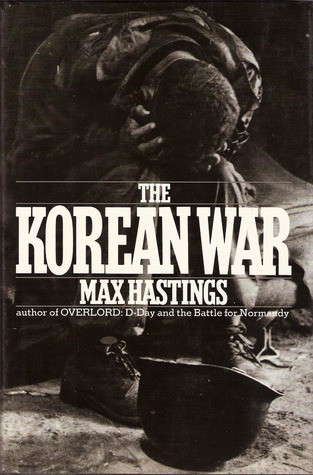
The best one-volume history of the war everybody agreed to forget. Hastings works both sides of the line — GIs, Marines, Chinese, and the politicians who kept moving the goalposts — with a reporter's eye and zero patience for the official story. Start here if you want the whole thing in one book.
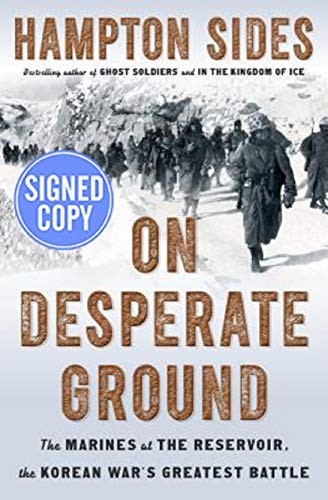
Chosin Reservoir, November 1950: 30,000 men surrounded by ten Chinese divisions in cold that froze the morphine in the syrettes. Sides tells the breakout as a survival story with the pacing of a thriller and the sourcing of a historian. The one to hand someone who thinks they don't like military history.

246 Marines held a frozen hill so the rest of the division could walk out of Chosin. Five days, no relief, most of them wounded or frostbitten before it was over. A tight, brutal account of what 'hold at all costs' actually costs.
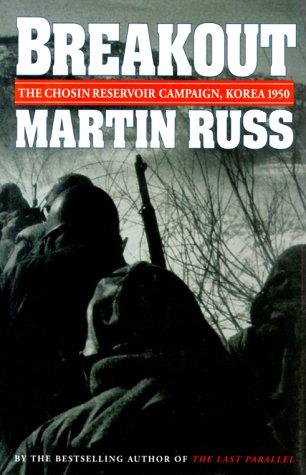
The Chosin fighting withdrawal, told from the ground up through the men who walked it out. Russ served in Korea and it shows — the cold, the ambushes, the gallows humor all ring first-hand true. 'Retreat, hell — we're just attacking in a different direction.'
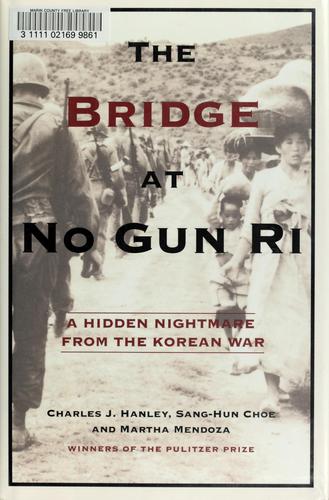
The AP investigation that forced the Army to admit US troops killed refugees under a railroad bridge in the war's first weeks. Pulitzer-winning reporting that took fifty years and a lot of pushback to surface. Read it for the part of the war the monuments skip.
George Company, 1st Marines, and their stand on a nameless hill during the Chosin breakout. O'Donnell built it from the survivors' own words before they were gone. Small-unit history at its most human.
The doorstop — a thousand pages that leave nothing out, from the Pusan Perimeter to the stalemate. Blair is exhaustive on the command decisions and unsparing about the ones that got men killed. When you want the definitive operational history, this is it.
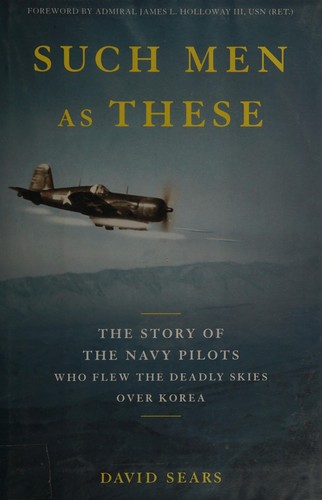
The naval air war over Korea, from the men who flew off the carriers into the worst flak of the early jet age. Ties the real fliers to Michener's Toko-Ri. An underrated corner of a forgotten war.
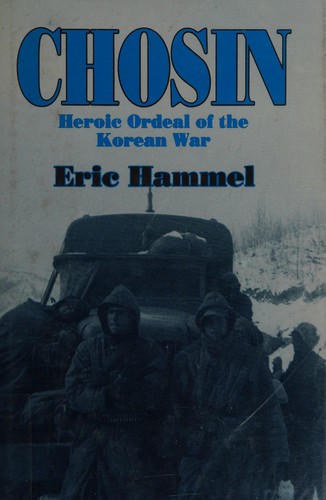
A blow-by-blow reconstruction of the Chosin Reservoir campaign, built from the accounts of the men who fought it. Hammel nails the tactical detail without losing the human cost. Pair it with Sides for the full picture.
Marshall's after-action reconstruction of the Eighth Army's collapse when China entered the war along the Chongchon. Written from interviews conducted days after the fight. Dated in its methods, still gripping on the page.
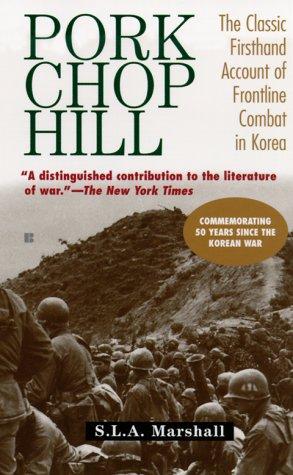
The 1953 fight for a worthless hill during the peace talks, told action by action. Men died for terrain nobody wanted because backing down at the table wasn't an option. The movie came from this; the book is colder.
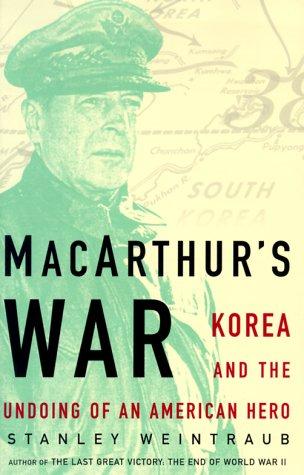
How the general's genius at Inchon curdled into the hubris that marched the Army into China. Weintraub tracks MacArthur from triumph to relief without turning it into a hit piece or a hagiography. A study in how command goes wrong.
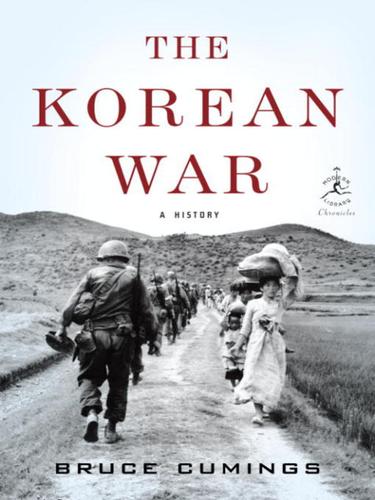
The revisionist counterweight — Cumings argues the war started long before June 1950 and looked very different from the Korean side. You don't have to buy all of it to be sharpened by it. Read it against Hastings and Blair and make up your own mind.
A sweeping narrative history from a Pulitzer winner who worked both American and Korean sources. Strong on the POW story and the human wreckage the official histories tidy up. Big, readable, and even-handed.
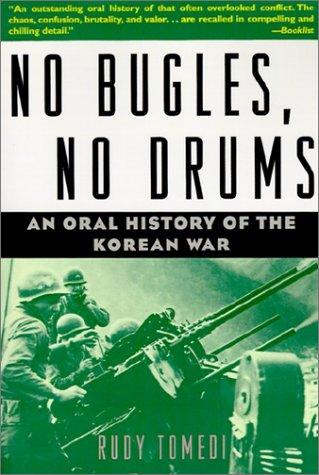
An oral history — the war in the words of the men who fought it, unpolished and unranked. Short chapters, real voices, no narrator smoothing the edges. The closest thing to sitting in the smoke pit with the guys who were there.
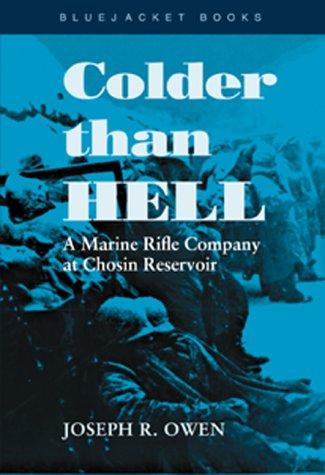
A rifle company officer's account of Chosin, written by the man who helped lead Baker Company up the reservoir. No gloss, no distance — just what it took to keep Marines alive at forty below. Owen was there; you can tell on every page.
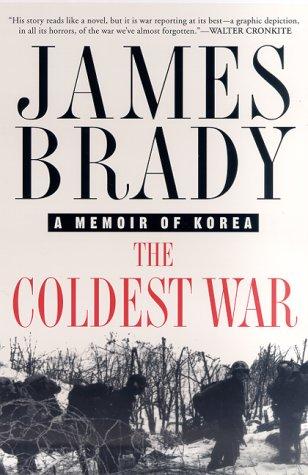
A Marine lieutenant's memoir of the war's grinding second half, when the lines froze and men still died for outpost hills. Brady writes clean and bitter, funny right up until it isn't. One of the best small memoirs of any American war.
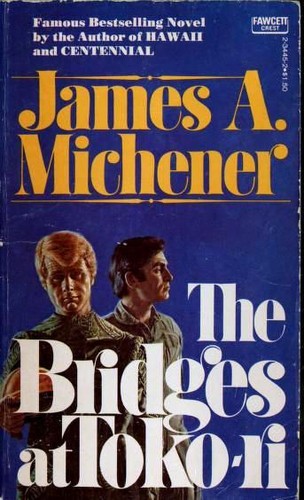
A short, devastating novel about Navy carrier pilots flying into flak over Korea and the reservist who wonders why he's back. Michener asks the question the war never answered: 'Where do we get such men?' Fiction that reads like the truth.
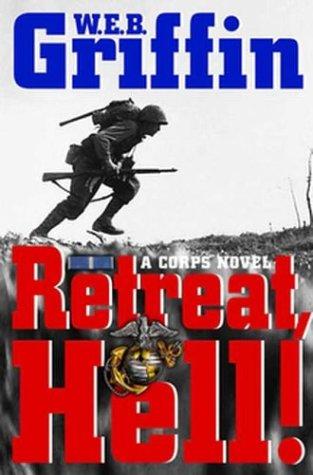
Griffin's Corps series takes on the first year of Korea — Inchon, Chosin, the intelligence failures — through his recurring Marines. Fiction, but built on real operations and the frustration of watching Washington fumble the war. Comfort reading with a body count.