The Indian Wars & the Frontier
The long frontier campaigns forged the post-Civil War Army and left a moral reckoning the country is still working through. This shelf tells it straight from both sides of the line — the cavalry and the tribes, the victories and the massacres — in the histories and firsthand accounts that refuse the easy myth in either direction.
Buy links go to Bookshop.org (which supports independent bookstores) and Amazon. Some are affiliate links — if you buy, we earn a small commission at no extra cost to you. As an Amazon Associate we earn from qualifying purchases. It never affects which books are on this list or how we describe them. How this works.
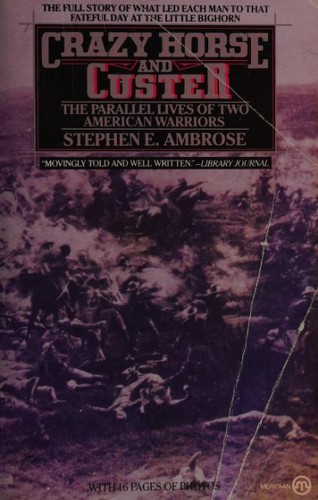
Ambrose's parallel biography of Crazy Horse and George Armstrong Custer — the two men who met at the Little Bighorn in June 1876 — tracing their parallel development through their respective cultures and the collision that defined the last phase of the Plains Indian Wars. The book is primarily an account of the culture of the frontier Army: the officer corps, the command politics, the logistical conditions, and the institutional context that produced Custer's decision to attack a village he had not reconnoitered with a divided force. The Little Bighorn as a leadership case study in the consequences of aggressive action unsupported by intelligence.
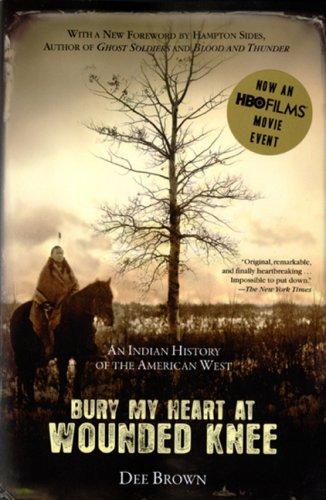
The book that flipped the whole story around: the winning of the West told from the losing side, one broken treaty at a time, ending in the snow at Wounded Knee. Fifty years on it still reads like an indictment, because it is one. Start here.
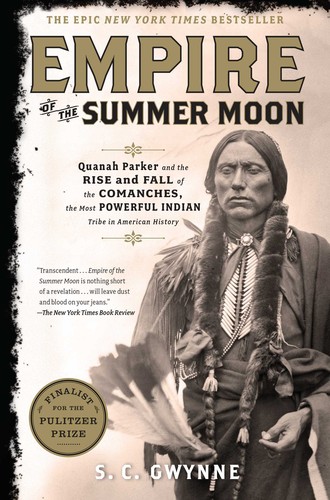
Forty years of the Comanche wars through Quanah Parker, the last free chief, and his kidnapped white mother. Gwynne doesn't romanticize anybody — the Comanche were the deadliest light cavalry on the plains and he shows you exactly why. A National Book Award finalist that turns like a thriller.
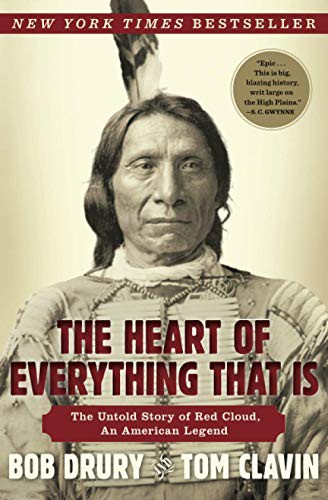
Red Cloud is the only Plains chief who beat the U.S. Army outright and dictated the peace, and somehow you've never heard his name. This is the fix — the Bozeman Trail war told from the Lakota side of the ridge, with the man himself finally at the center of it.
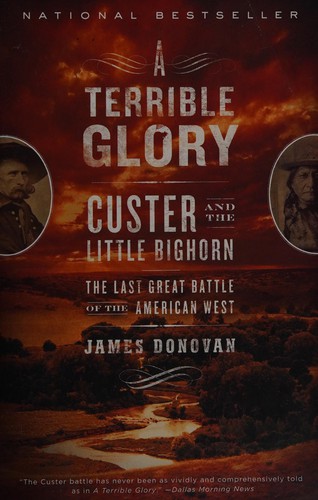
The Little Bighorn told straight, with the modern battlefield archaeology and the court-martial politics folded in. Donovan walks you up the ridge with the Seventh Cavalry and makes the disaster feel inevitable without ever letting Custer off the hook. The most complete single-volume account of the fight.
Philbrick runs Custer and Sitting Bull toward each other on parallel tracks until they collide at the Greasy Grass. Half the book is the battle; the other half is the two men and the country that made the crash unavoidable. Clean prose, zero hero worship.
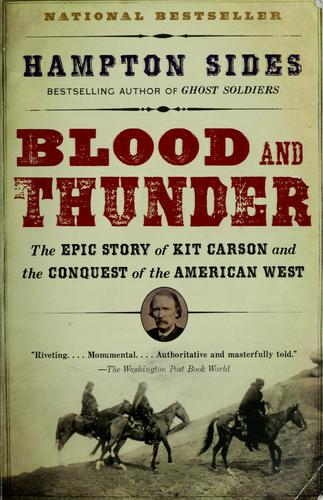
Kit Carson, the Navajo Long Walk, and the conquest of the Southwest, told without the frontier gloss. Sides makes Carson neither saint nor monster — just a man who did terrible things competently. The scope is huge and the pages turn like a novel.
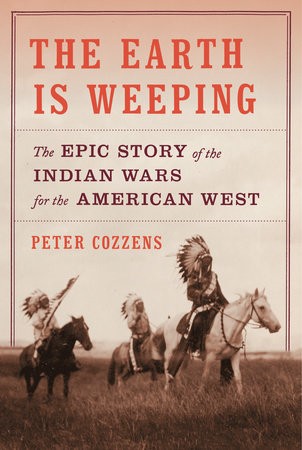
One volume, all of it — Sand Creek to Wounded Knee, every major campaign on the Plains. Cozzens refuses the easy version where one side is all villain, and the result is harder and truer than the myth in either direction. Read this if you want the whole war, not one battle.
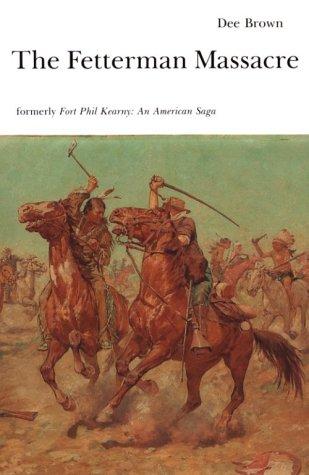
Eighty-one soldiers rode out of Fort Phil Kearny in 1866 and not one rode back. Brown reconstructs the arrogance, the decoy, and the ambush that handed Red Cloud his opening. Originally published as ‘Fort Phil Kearny’ — same book, better title.
1878: a few hundred Northern Cheyenne walk off their Oklahoma reservation and head 1,500 miles home with the whole Army chasing them. Sandoz tells the flight as the tragedy it was. Ford made the movie — read the book, it's harder and it's better.
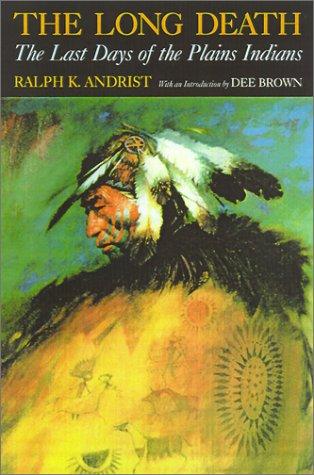
The single-volume survey that got a generation started — thirty years of Plains warfare, tribe by tribe, defeat by defeat. Andrist writes clear and moves fast, and never pretends the ending was anything but a destruction. A solid on-ramp before the deeper single-battle books.
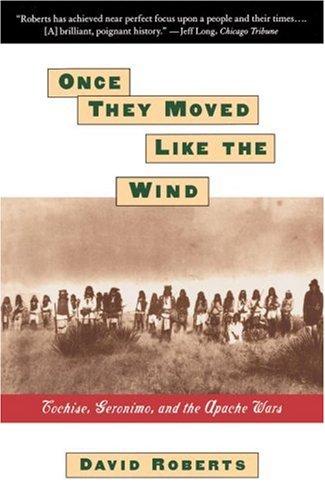
Cochise, Geronimo, and the Apache wars across the Southwest desert — the longest, nastiest guerrilla campaign the Army ever fought on this continent. Roberts respects how good the Apache were at it. Reads like the special-operations history it basically is.
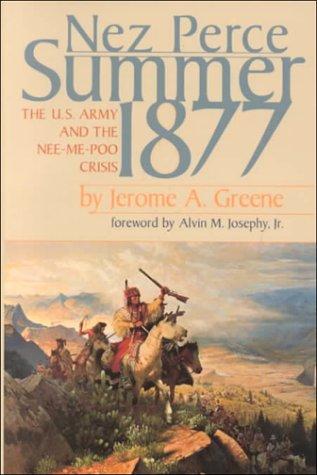
Chief Joseph's 1,170-mile fighting retreat, reconstructed campaign by campaign by a Park Service historian who walked the ground. Dense, authoritative, and unromantic about a story usually drowned in romance. The definitive military account of the flight that ended forty miles short of Canada.
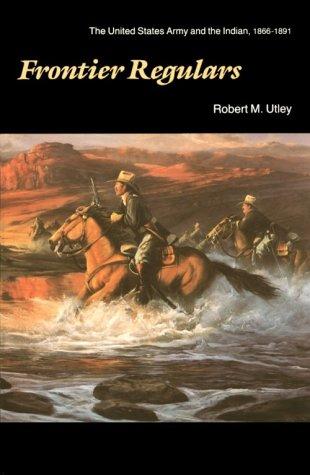
The Army's side, from the man who wrote the book on it — how the post-Civil War frontier force was organized, supplied, and thrown at the Plains from 1866 to 1891. Utley is the gold standard: no myth, all institution. This is what the campaigns looked like from inside the blue coat.

The whole arc of the Comanche nation — horse, empire, reservation — from the historian who wrote it before it was fashionable. Sweeping, opinionated, occasionally dated in its language, but the narrative scope is unmatched. Pair it with Gwynne for the full picture.
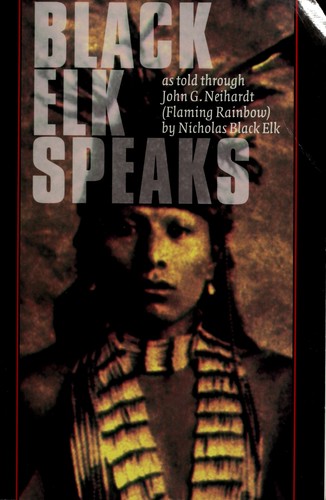
An Oglala holy man's life, from Little Bighorn as a boy to Wounded Knee as a broken man, told in his own words to a poet in 1931. It's vision, grief, and the end of a world in one voice. Read it as testimony — and know the poet's hand shaped the telling.
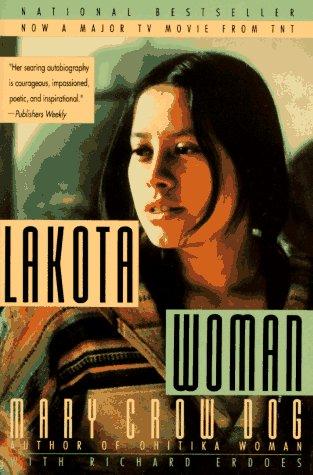
Not the 1870s — the 1970s. Mary Crow Dog's memoir of growing up Lakota and coming up through the American Indian Movement and the 1973 Wounded Knee standoff. The frontier wars didn't end; they went quiet and flared again on the same ground, and she was there for it.
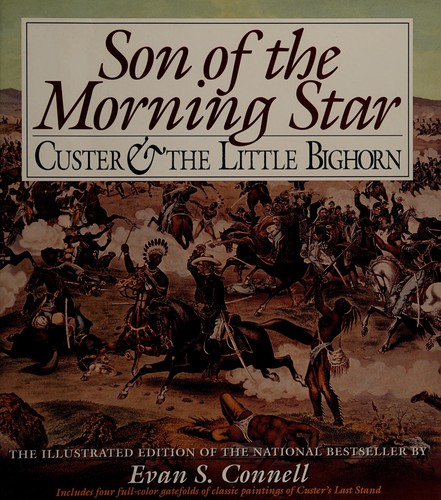
The strangest and best book on Custer, because Connell circles him like a crime scene instead of marching straight at him. Rumor, testimony, and contradiction stacked until the man and the myth pull apart. You finish knowing Custer better and trusting the legend a lot less.
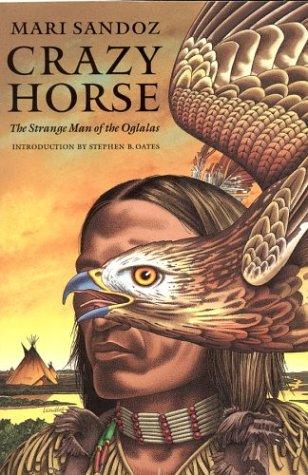
Sandoz grew up on the Nebraska plains hearing these stories firsthand, and it shows — she writes the strange man of the Oglalas from the inside, in a cadence borrowed from Lakota speech. Not a neutral biography; a committed one. The definitive life of the warrior who never sat for a photograph.
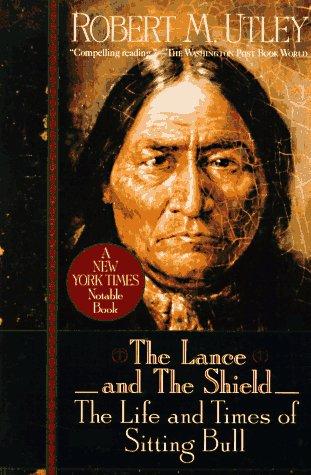
Sitting Bull, straight — the Hunkpapa leader as holy man, war chief, and political strategist, not the Wild West Show caricature. Utley separates the historical figure from the poster. The definitive biography, by the dean of frontier-Army historians.
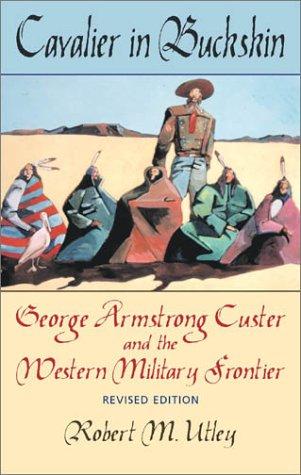
Custer without the halo or the horns. Utley takes the most argued-over officer in Army history and hands you the actual soldier — talented, reckless, ambitious, and finally out of luck. Short, sober, and the best place to meet the real man.