The Great War (WWI)
World War I is where warfare became industrial and leadership became criminal negligence, and its literature is the most disillusioned ever written. This shelf covers how the world stumbled into catastrophe, the reality of the trenches, and the poets and memoirists who told the truth the generals wouldn't. Read it to understand the machine-age war whose ghosts still haunt the century that followed.
Buy links go to Bookshop.org (which supports independent bookstores) and Amazon. Some are affiliate links — if you buy, we earn a small commission at no extra cost to you. As an Amazon Associate we earn from qualifying purchases. It never affects which books are on this list or how we describe them. How this works.
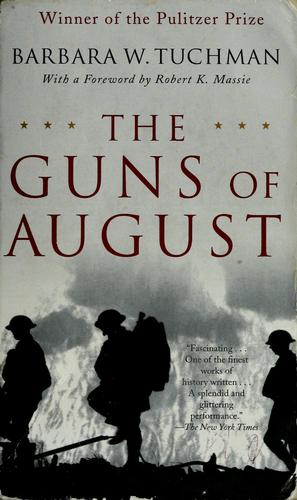
How the First World War started, written by the historian who understood mobilization plans better than the generals who executed them. Tuchman won the Pulitzer Prize. President Kennedy read it during the Cuban Missile Crisis and handed it to his brother. The lesson is not about 1914. The lesson is about what happens when military planning becomes so committed to the schedule that no political event can stop it — and what it costs when that lesson goes unlearned. Required at every level of professional military education for sixty years. The pattern it documents has not been corrected.
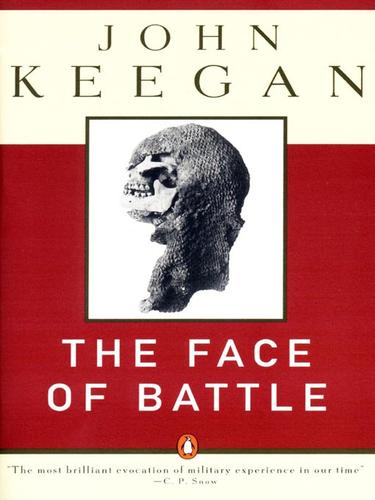
Keegan decided to write a military history that told the truth about what battle actually feels like for the men who fight it — not for the generals who direct it. Agincourt, Waterloo, the Somme: three battles, three centuries, one devastating argument that military history has consistently failed to describe what happens to a human body and a human mind under sustained combat. The chapter on the first day of the Somme — July 1, 1916, 57,470 British casualties — is the most important piece of military writing produced in the twentieth century. It should be assigned in every war college on earth and has not yet changed anything.
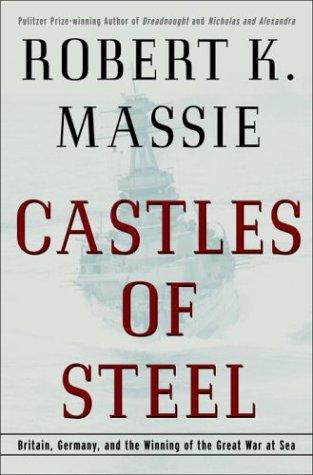
The dreadnought war at sea, from the chase of the Goeben to the muddy anticlimax of Jutland, told by a writer who makes admirals human. Massie shows you the machines that cost a nation's treasury and the men who were terrified to risk them. If you only read one WWI naval history, read this one.
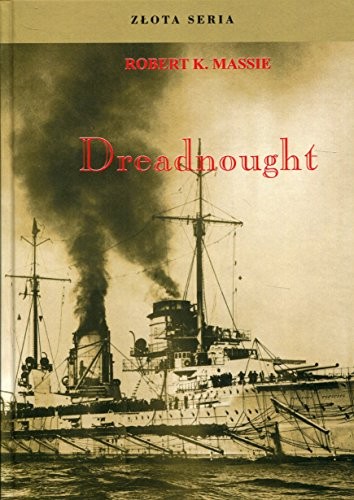
How Britain and Germany talked themselves into building the most expensive weapons on earth and then into the war they were built for. It's a naval arms-race story that's really about ego, empire, and the men who couldn't stop. The prequel to Castles of Steel and just as good.
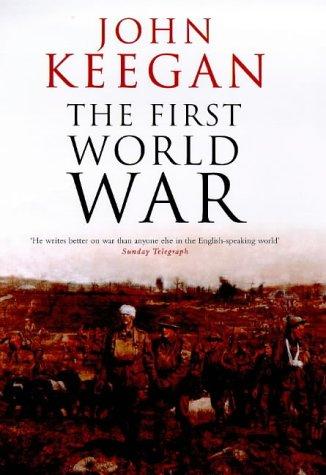
The single best one-volume history of the whole war, written by the man who taught soldiers how to think about battle. Keegan walks you from the assassination in Sarajevo to the armistice without ever losing the thread or the horror. Start here if you only read one.
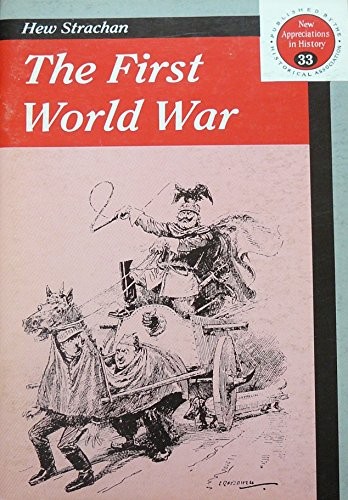
Strachan's global history refuses to let you pretend the war was only mud in France — Africa, the Middle East, the seas, the economics that starved empires. Dense, authoritative, and the corrective to a century of Western-Front tunnel vision. The scholar's WWI.
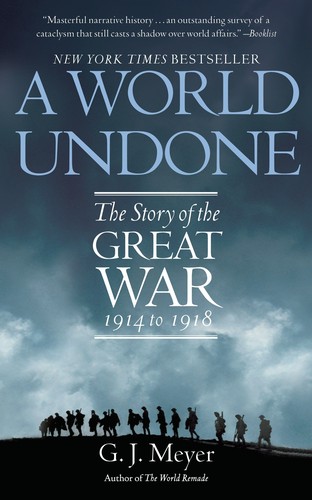
The most readable narrative history of the war — Meyer writes like a great storyteller who happens to have the facts nailed down. If Keegan feels like a lecture and you want the whole catastrophe as a page-turner, this is your book. Nobody finishes it unmoved.
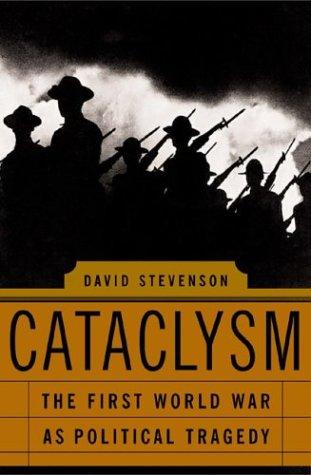
Stevenson treats the war as a political and economic machine, not just a slaughterhouse — how it was financed, why it dragged on, how it remade the twentieth century. Less trench, more the cold logic that kept feeding men into them. The analyst's WWI.
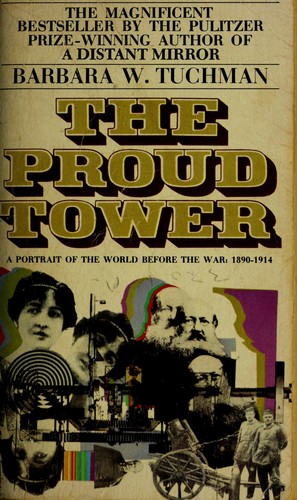
The world before the guns — Tuchman paints the glittering, rotting Europe of 1890-1914 so you understand what was about to be shoveled into the furnace. Read it before The Guns of August and the whole catastrophe lands harder. Prose that should be illegal it's so good.
The intercepted German cable that dragged America into the war, told by Tuchman as a spy thriller that actually happened. A masterclass in how a single decrypted message can flip a hemisphere. Proof that signals intelligence has been changing history a lot longer than you think.
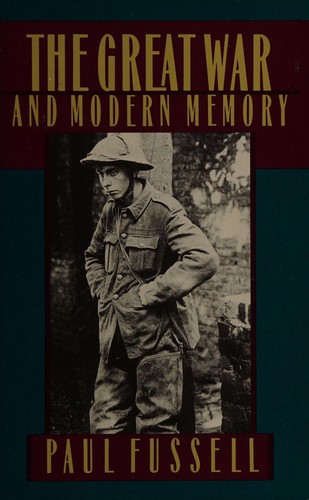
Fussell, a wounded WWII infantry officer, dissects how the trenches rewired the way the whole English-speaking world writes and thinks about war. Part literary criticism, part righteous fury at the machine that ground up a generation. The book that explains why irony is a soldier's native language.
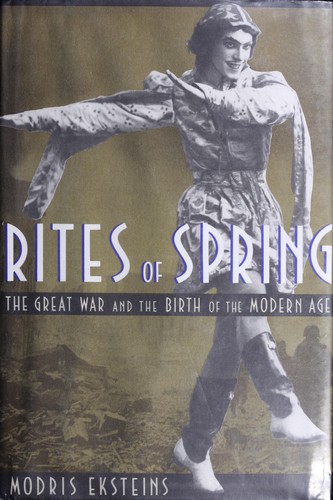
Eksteins argues the war was less an interruption of modern culture than its violent birth — from a Paris ballet riot to the trenches to the rise of the mass age. A wild, ambitious cultural history that connects dots you didn't know were on the same page. For when you want the war's meaning, not just its map.
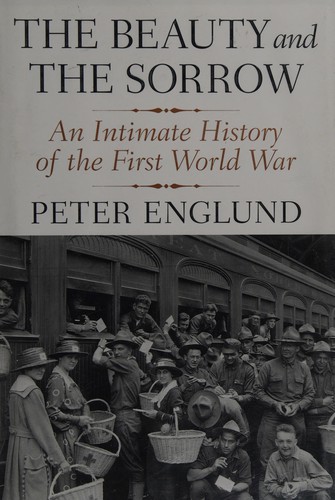
Englund tells the whole war through 20 ordinary people scattered across every front — a schoolgirl, a surgeon, a sailor, a soldier's mule of a life. No generals, no grand strategy, just the war as it actually landed on human beings. History from the mud up.
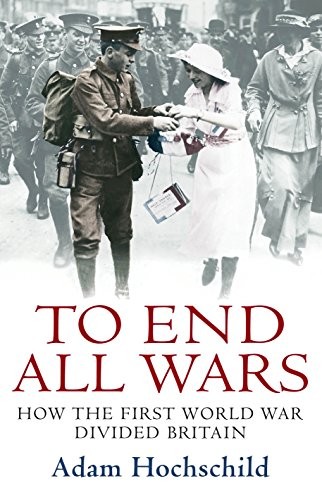
Hochschild tells the war through the people who refused to fight it — the British pacifists, resisters, and jailed conscientious objectors set against the loyalists who sent millions to die. A history of moral courage under maximum pressure. The book about the ones who said no.
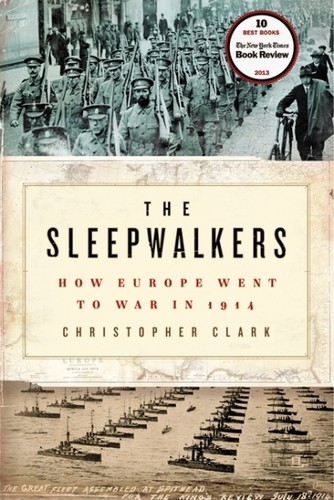
Clark's forensic reconstruction of how Europe's leaders blundered into catastrophe in the summer of 1914 — no single villain, just a chain of men who couldn't stop themselves. The definitive modern account of the war's outbreak. Read it and watch a whole continent talk itself into suicide.
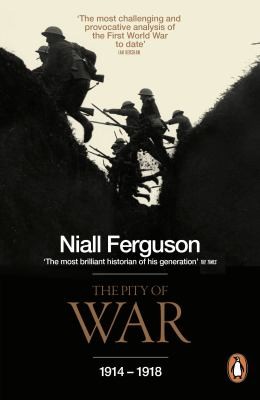
Ferguson takes a wrecking ball to the received wisdom — Britain didn't have to fight, the war wasn't inevitable, and the economics tell a different story than the poppies. Provocative, argumentative, and worth reading precisely because it'll make you fight back. The contrarian's WWI.
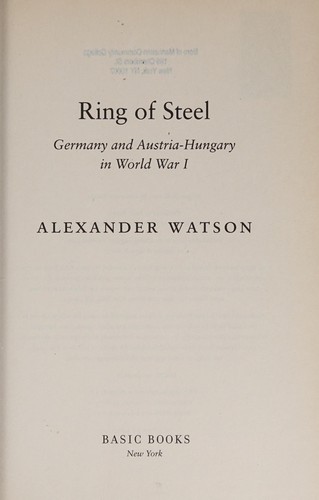
The war from the losing side — Germany and Austria-Hungary, the blockade, the hunger, and the slow internal collapse of two empires. Watson tells the story the Allied histories skip, and it explains the peace that set up the next war. The other trench, from the other direction.
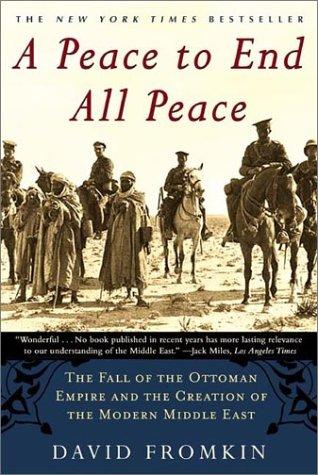
How the victors carved up the Ottoman Empire after the war and drew the Middle East borders that troops are still deploying to defend. The straight line from 1918 to every deployment order since runs right through this book. Read it and a century of headlines finally makes sense.
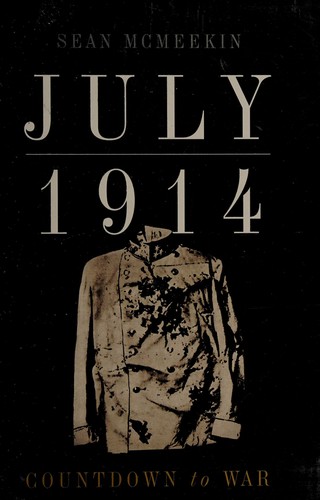
A day-by-day countdown through the five weeks between the assassination and the outbreak — the diplomacy, the deceit, the missed off-ramps. Reads like a thriller where you already know the ending and still can't look away. The anatomy of how a murder became a world war.
Hastings covers the outbreak and the murderous first months of 1914, when the war of movement killed men faster than the trenches ever would. His usual trick: grand strategy and the freezing soldier in the same paragraph. The opening act nobody remembers because they skip to the mud.
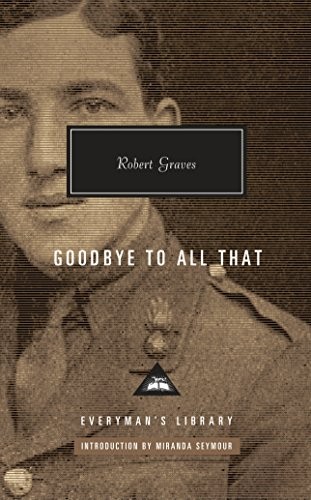
Robert Graves served in the Royal Welch Fusiliers during WWI, was wounded on the Somme, reported dead, wrote this memoir in 1929, and then left England permanently. The book is the first great memoir of modern industrial war: the class structure of the British officer corps, the mechanics of trench warfare, the casualty rates in the infantry, and the way the war systematically destroyed every framework — patriotic, religious, romantic — that a young Englishman had been given to make sense of the world. Written in a tone of controlled rage that never quite overflows. The book that Remarque's novel responds to.
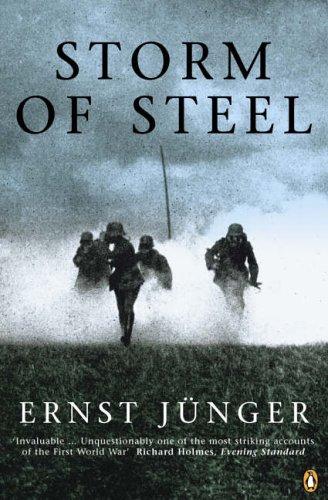
A German stormtrooper's diary of the Western Front with the pity scrubbed out — Junger found the trenches horrifying and exhilarating, and he refuses to apologize for either. Read it against All Quiet: same war, opposite verdict. The most honest account of why some men come home missing it.
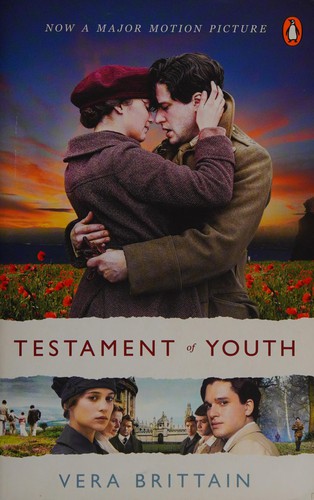
Brittain nursed the wounded and buried nearly everyone she loved — fiance, brother, friends — and wrote the war memoir that refuses to let you forget the ones who waited and grieved. The home front and the field hospital, not the trench, and it will wreck you. The war's grief in one woman's clear-eyed voice.
The war poet's lightly-fictionalized account of the Somme and the moment he publicly refused to keep fighting — decorated for bravery, then declared the war a lie. Quiet, devastating, and braver on the page than most men are anywhere. What moral injury looked like before we had the term.
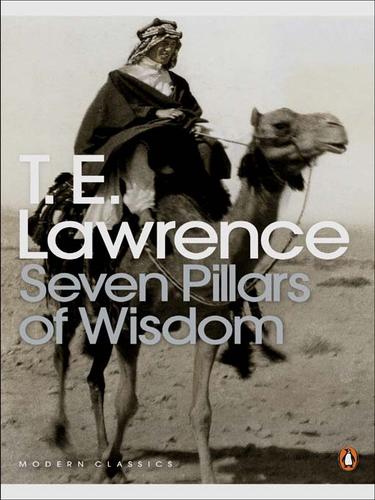
Lawrence of Arabia's sprawling account of the Arab Revolt — desert guerrilla war, camel raids, and the political double-dealing that carved up the modern Middle East. Half memoir, half self-mythologizing epic, and impossible to look away from. The origin story of borders soldiers are still dying over.
A French barrelmaker-turned-corporal filled 19 notebooks in the trenches, and they're the finest enlisted-man's account of the war ever found. No officer's polish — just cold, mud, contempt for the brass, and stubborn solidarity with his squad. The voice of the man who actually held the line.
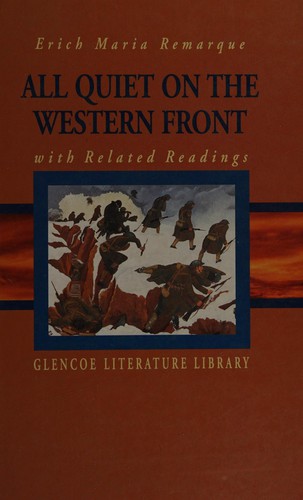
Written by a German WWI veteran and published in 1929. Burned by the Nazis in 1933. Paul Bäumer enlists with patriotic enthusiasm and experiences the full industrial machinery of trench warfare from inside the German line. The book that detonated the mythology of glorious sacrifice did so from the perspective of the losing side — intentionally, because the experience of the men in the trenches was identical on both sides of the wire. Required reading for anyone who has ever used the word "sacrifice" in a recruitment context or a public statement about the costs of war. Still the most important antiwar novel in any language.
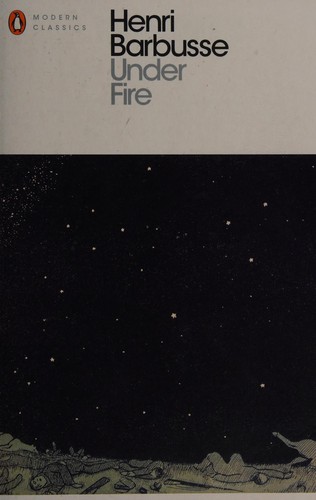
The first great anti-war novel of the conflict, written by a French soldier while the war was still on and shots were still being fired. Raw, furious, and published in 1916 when telling this truth took real nerve. All Quiet's older, angrier French cousin.
A Marine who fought in France tells the war as 113 short monologues — one per man in the company, living and dead. The fragmentation is the point: no single hero, just voices stacked like the casualties. The American Western Front, delivered in shrapnel.
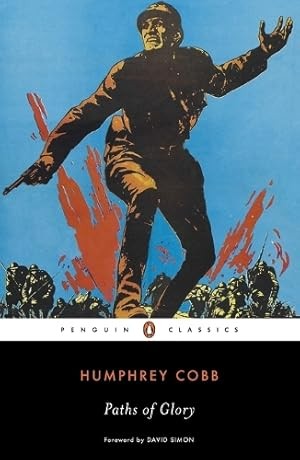
The novel behind Kubrick's film — French generals order a suicidal attack, it fails, and they shoot their own men for cowardice to cover it. A cold indictment of command that treats soldiers as ammunition. Read it when you want to remember that the enemy wasn't always across the wire.
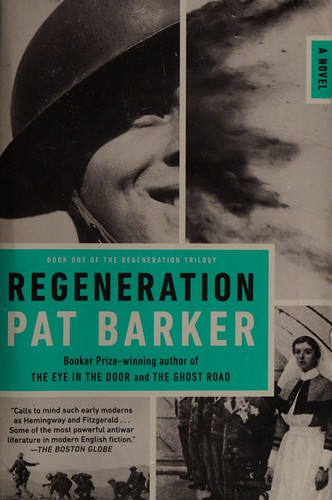
Barker's novel of a real military hospital where shell-shocked officers, including the poet Sassoon, were patched up just enough to send back. A quiet, brutal look at what it means to heal men so they can return to the thing that broke them. Fiction that reads truer than most of the histories.
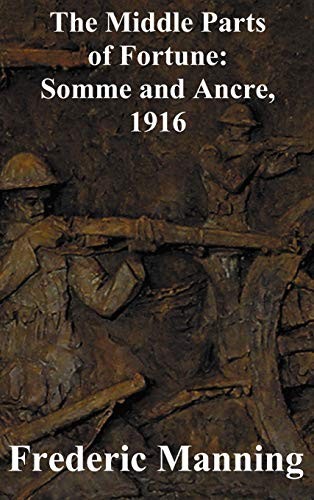
Manning served in the ranks at the Somme and wrote the enlisted man's war so honestly the original had to be censored. Hemingway reread it every year; that should tell you enough. The Tommy's-eye view, unvarnished, from a man who was actually there.