Prisoners of War
Some of the hardest service happens after the shooting stops, behind enemy wire. This shelf collects the accounts of captivity, resistance, and escape — the discipline that kept men alive in the Hanoi Hilton and the Stalags, and the memoirs that show what endurance actually costs. The Code of Conduct, lived.
Buy links go to Bookshop.org (which supports independent bookstores) and Amazon. Some are affiliate links — if you buy, we earn a small commission at no extra cost to you. As an Amazon Associate we earn from qualifying purchases. It never affects which books are on this list or how we describe them. How this works.
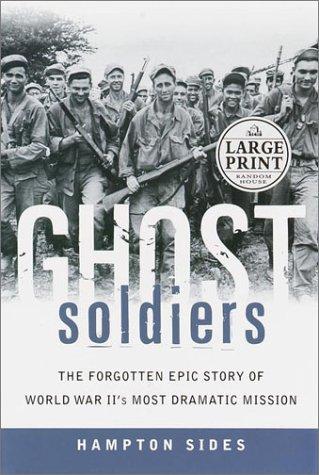
The Bataan Death March survivors, Cabanatuan prison camp, and the Army Ranger raid that rescued them in January 1945. One hundred and twenty-one Rangers, Alamo Scouts, and Filipino guerrillas executed a thirty-mile infiltration behind Japanese lines to rescue 513 POWs in the last stages of starvation. The planning, the execution, and the reception of the rescued men are all equally compelling. Nobody talked about it for forty years.
The escape from Stalag Luft III, 1944 — 76 Allied airmen through three tunnels in one night, 73 recaptured, 50 executed on Hitler's direct order. Brickhill was a prisoner in the camp and wrote the account in 1950, before the full story could be officially documented. The organizational genius of Roger Bushell's escape committee — the production of fake documents, civilian clothing, and identity papers inside a POW camp — is one of the most remarkable improvised intelligence operations of the war. Also a study in what happens to an institution when it murders prisoners of war.

The Bataan Death March through one soldier's eyes and every side's records — American, Filipino, and Japanese. Unflinching about surrender, atrocity, and the long guilt that followed.
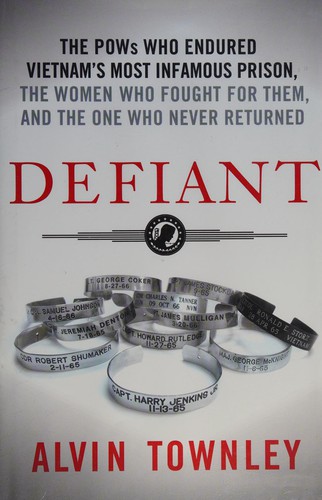
The full story of the eleven POWs the North Vietnamese threw into 'Alcatraz' — the ones so hard to break they earned their own private hell. Stockdale, Denton, Rutledge and the rest, and the Code of Conduct they refused to let die. If you want to understand organized resistance under torture, this is where it lives.
Colditz was the castle the Germans reserved for the Allied officers who kept escaping from everywhere else. Reid was one of them, and he made it out. The founding text of the great-escape genre, written by a man who dug the tunnels himself.
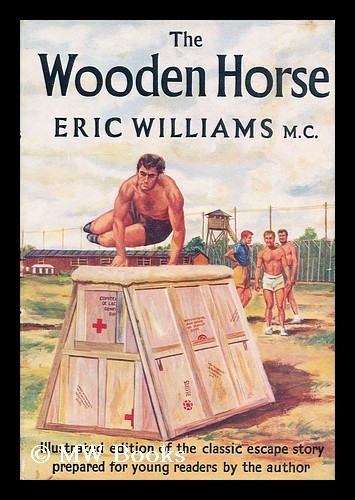
Three POWs built a gymnastics vaulting horse, hauled it into the exercise yard every day, and dug a tunnel from underneath it while men jumped overhead. It worked. Williams was one of the three, and this is how patience and nerve beat barbed wire.
A Norwegian commando is the lone survivor of a blown raid, hunted across the Arctic by the Germans in the dead of winter. Not a camp story — an evasion story, and one of the great survival narratives ever committed to paper. What the body will endure when the alternative is a firing squad.
The definitive account of what the Japanese did to Allied POWs across the Pacific — starvation, slave labor, massacre. Daws doesn't flinch and doesn't editorialize; the record is damning enough on its own. The book that puts every individual Pacific memoir in context.
A hundred thousand-plus Allied POWs under the Japanese, reconstructed from their own diaries and letters. The Death Railway, the hell ships, the camps. Grim, meticulous, and essential for a captivity most Americans still know almost nothing about.
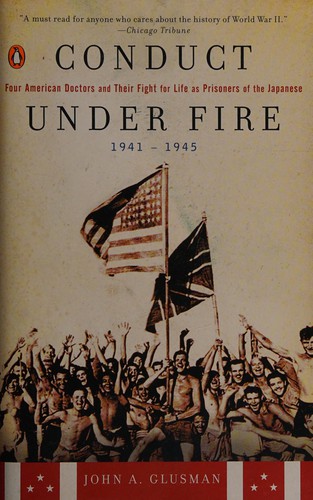
Four Navy doctors captured at Bataan and Corregidor, followed through three and a half years of Japanese camps — one of them the author's father. History and memoir braided together, heavy on the medicine men somehow practiced with nothing.
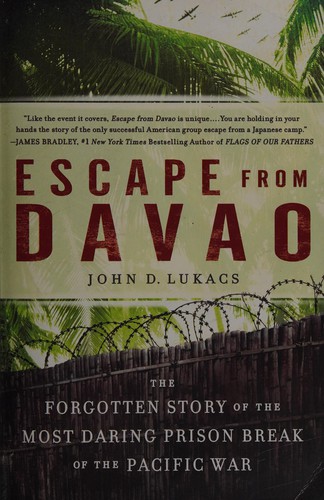
The great escape nobody's heard of: ten American POWs broke out of a Japanese penal colony in the Philippines and got word to the world about the Death March. The first hard proof of what was happening to American prisoners in the Pacific. A jailbreak that changed the war.
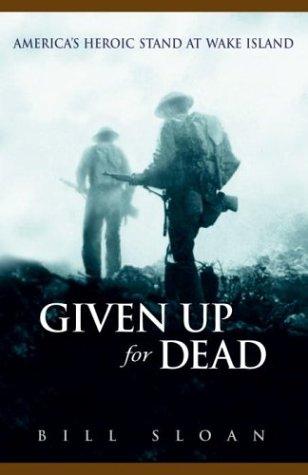
The defenders of Wake Island held off the Japanese, surrendered, then spent nearly four years as POWs — the ones who weren't executed outright. Sloan runs the whole arc from the doomed stand to the camps. What 'expendable' actually means when the map decides you're not worth saving.
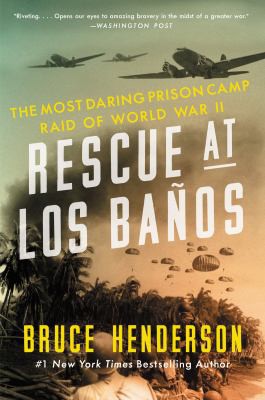
More than two thousand internees, weeks from starving to death, pulled out in one of the cleanest raids in military history. Henderson tells it from inside the wire and from the paratroopers who came for them. Proof that sometimes the cavalry actually shows up.
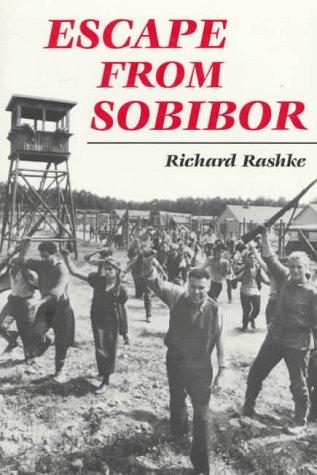
Sobibor was a Nazi extermination camp, and its prisoners staged the largest successful revolt of the Holocaust and ran for the trees. Rashke rebuilt it from the survivors' own accounts. Captivity at its most absolute, and the handful who refused to die on schedule.
POW Ron Mastin's six years in North Vietnamese prisons, told by his niece from his letters and the men who were there. A quieter entry in the Hanoi Hilton canon, built around the tap code and the brotherhood that kept men sane.
James Stockdale was the senior American POW in Hanoi for seven years and was awarded the Medal of Honor. He and his wife Sybil wrote alternating chapters — his account of the Hanoi Hilton, hers of the seven years of organizing the POW wives' movement against the official military policy of "Keep quiet, stay out of the news." The pairing is the most complete portrait of what long-term captivity costs both the prisoner and the family, and of what moral agency looks like in conditions designed to eliminate it. Stockdale's Stoic philosophy — which he read at Stanford before deploying — is presented as the operating system that made survival possible.
A psychiatrist who survived the death camps and walked out with one finding: they can strip everything from you except how you choose to respond. The most hard-earned book on resilience you'll ever read — no throw-pillow version of these quotes survives contact with the original.
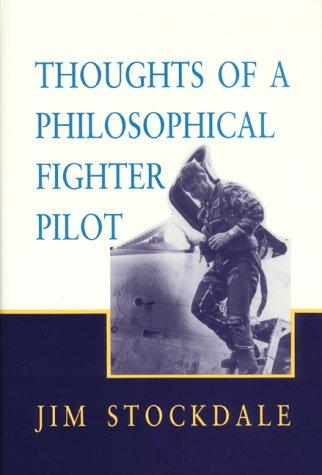
The Medal of Honor recipient who ran the prisoner resistance in Hanoi, explaining the philosophy that kept him and his men intact through seven years of it. Written by a man who tested every word under torture, not a guy with a podcast.
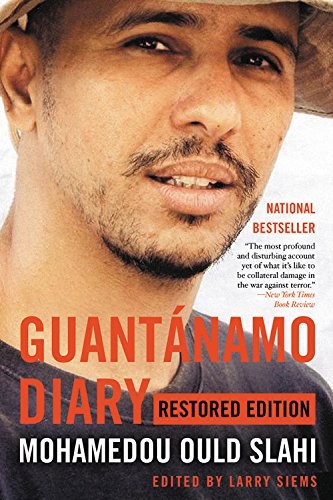
A detainee's handwritten account of years at Gitmo without charge, published with the government's black-bar redactions left right in the text. Read it before you decide what you think about 'enhanced interrogation.'
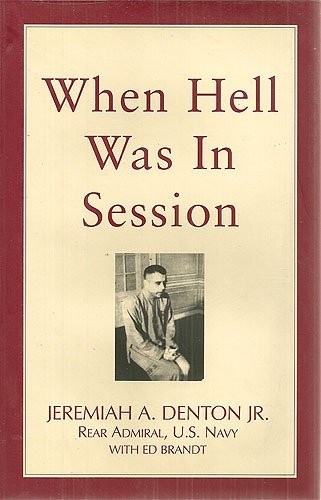
Seven years in North Vietnamese prisons, most of it in solitary. Denton is the guy who blinked T-O-R-T-U-R-E in Morse code on enemy propaganda film and made it home to tell about it. Ground truth on the Hanoi Hilton from a man who ran the resistance out of a concrete cell.
Everett Alvarez was the first American aviator shot down over North Vietnam and one of the longest-held POWs in U.S. history — eight and a half years. Captured before most of the war even happened, released after it ended. Told plainly, without a drop of self-pity.
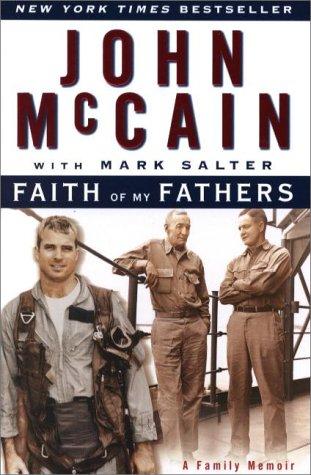
Before the Senate, McCain was a shot-down Navy pilot who turned down early release because the Code said last-in, first-out and his father was an admiral. Whatever you make of the politics, the POW chapters are the real thing. Duty as a debt you pay whether anyone's watching or not.
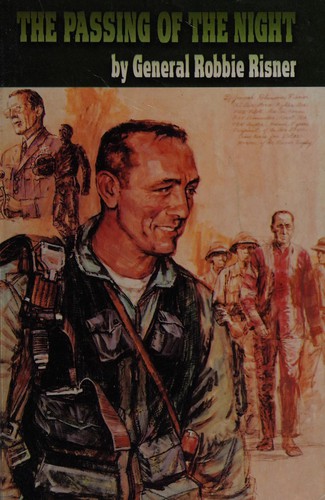
Robinson Risner was a Korean War ace who spent seven years as a POW in Vietnam, much of it in solitary for the crime of organizing resistance. He held men together with a tap code through concrete. Sober, faith-driven, and unbroken.
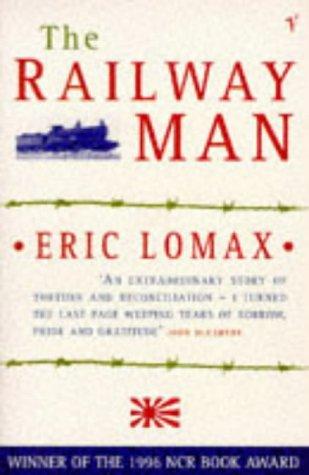
Lomax survived the Burma-Siam 'Death Railway' and spent decades hating the Japanese interrogator who tortured him. Then he went and found the man. A captivity memoir that turns into something rarer: an honest accounting of what forgiveness actually costs.
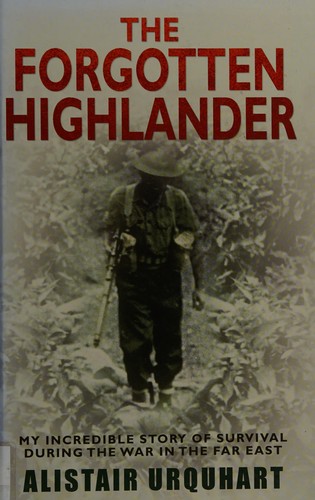
Urquhart survived the Death Railway, then a torpedoed hell ship, then days floating alone in the Pacific, then Nagasaki — a POW ten miles from the bomb. He lived to ninety-something and finally wrote it down. Almost too much for one man to have carried; all of it true.
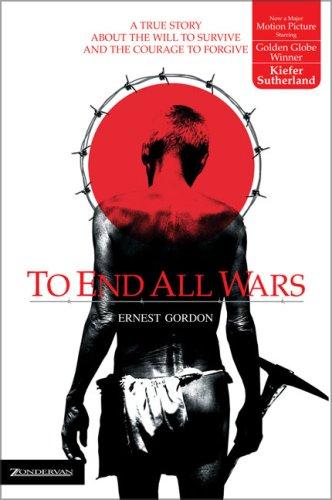
Ernest Gordon went into a Death Railway camp an atheist and came out something else. The memoir behind the story of prisoners who rebuilt a moral life inside a place engineered to strip it away. Decency as a form of resistance.
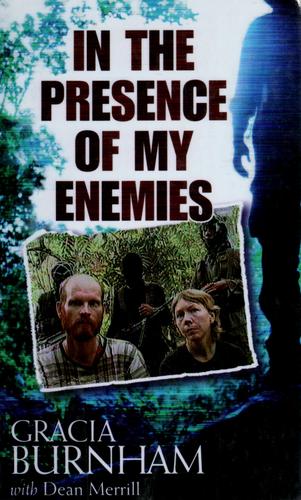
Gracia and Martin Burnham were missionaries taken hostage by Abu Sayyaf in the Philippines and dragged through the jungle for over a year. Martin didn't come home. A modern captivity account that reads like the old ones — endurance, faith, and the daily arithmetic of staying alive.
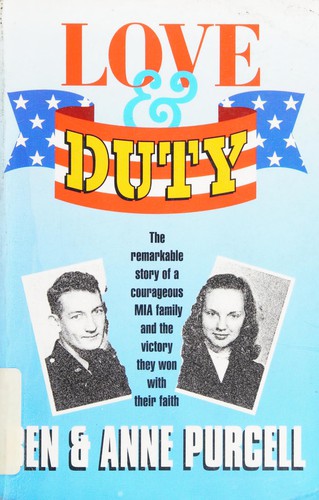
Ben Purcell was the highest-ranking Army officer held in Vietnam; Anne held the family together for five years back home. Both sides of a POW's war, told by both of them. The captivity is only half the story — the waiting is the other half.
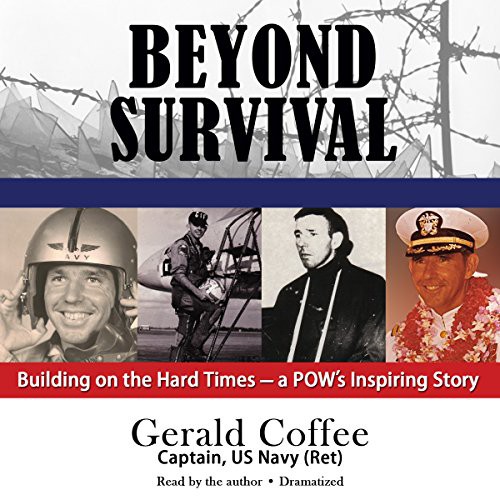
Seven years in North Vietnamese prisons, and Coffee comes out talking about what it gave him more than what it took. The tap code, the faith, the discipline of a mind when the enemy owns your body. A resistance memoir that doubles as a manual for hard times.
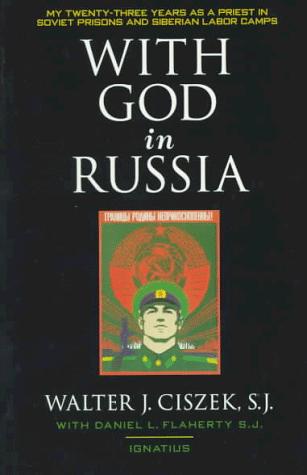
An American Jesuit spent twenty-three years in Soviet prisons and Siberian labor camps, most of it after his own country had written him off as dead. Captivity stripped to the studs: cold, hunger, interrogation, and a faith the Lubyanka couldn't crack.
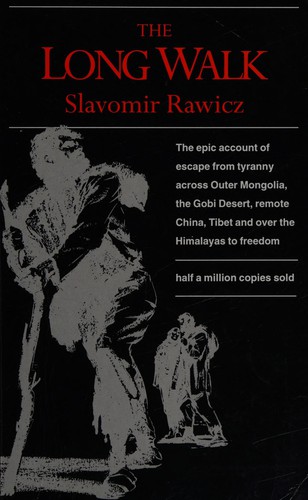
An escape from a Siberian gulag and a walk south across the Gobi and the Himalayas to India. Historians argue hard about how much literally happened — so read it with that flag up. As a portrait of the will to walk out of hell, it still delivers; judge the sourcing yourself.
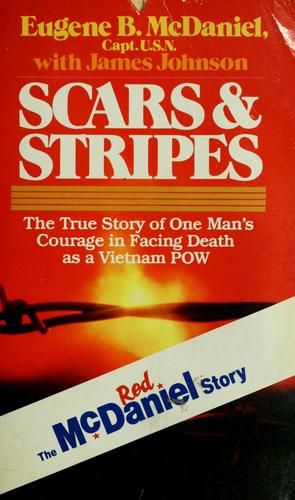
Red McDaniel absorbed about as much torture as any POW in Vietnam and kept resisting anyway. Blunt, brutal, and specific about what the ropes actually do to a man. Not a comfortable read — it isn't trying to be.
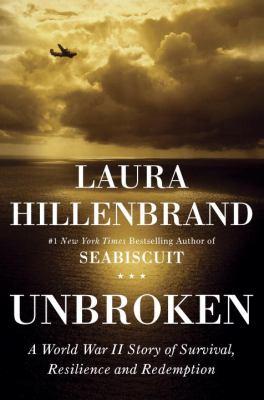
Louie Zamperini was an Olympic runner who became a B-24 bombardier, survived a plane crash over the Pacific, spent forty-seven days on a life raft, was captured by the Japanese, and endured Omori and Naoetsu POW camps under a guard who seemed to have selected him personally for destruction. He survived all of it. Hillenbrand researched and wrote his story with the same obsessive precision she brought to Seabiscuit. You do not need to care about WWII aviation to be destroyed by this book.
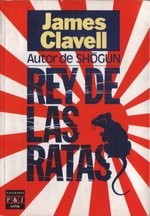
Clavell was a Japanese POW himself, and it bleeds through every page. This novel of a WWII camp in Singapore is about the man who worked out that survival was its own black market — who ate, who traded, who informed. The camp doesn't just starve you; it shows you exactly what you're made of.
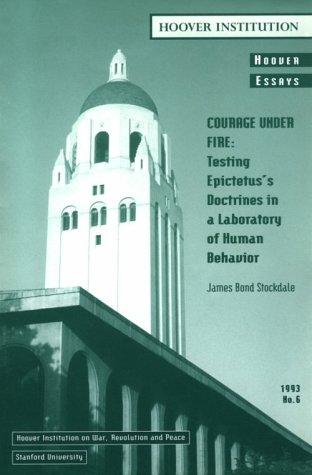
A short, blistering monograph on how Epictetus kept an admiral sane through solitary confinement and leg irons. The Stockdale Paradox — brutal honesty about your situation plus unbroken faith you'll get out — starts here, from the source.