The Ethics of War
Every professional eventually confronts the questions the tactics manuals skip: when is a war just, what may you do in it, and what does it cost the soul to fight one. This shelf gathers the classic and modern works on just-war theory, the laws of armed conflict, and the moral injury that follows service home. Reading it is part of the job.
Buy links go to Bookshop.org (which supports independent bookstores) and Amazon. Some are affiliate links — if you buy, we earn a small commission at no extra cost to you. As an Amazon Associate we earn from qualifying purchases. It never affects which books are on this list or how we describe them. How this works.
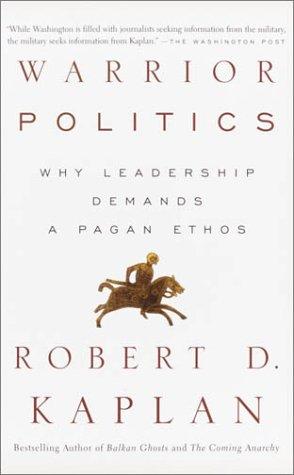
Kaplan argues that hard-eyed, pagan realism — Sun Tzu, Machiavelli, Churchill — keeps more people alive than good intentions do. You won't agree with all of it, and that's the point. A bracing counter to feel-good foreign policy.
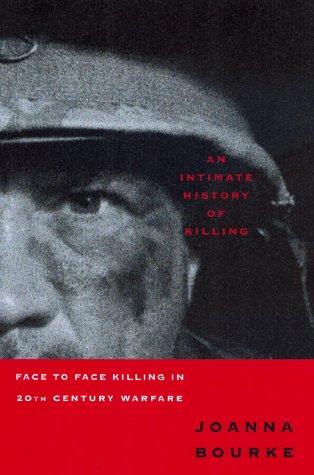
The book that says the quiet part out loud: some men enjoyed the killing, and the institution has spent a century pretending otherwise. Bourke builds it from soldiers' own letters and diaries across three wars. Clinical, honest, and not for flinching.
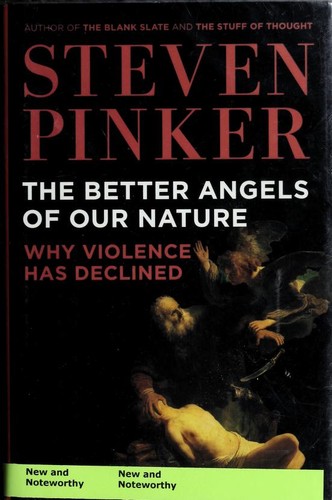
Pinker's big claim: violence has declined massively over human history, and here's the data to argue about. Long, contested, and worth wrestling with — especially if your job is violence. Read it against Hedges and Hillman for the full fight.
Dower shows how racial hatred turned the Pacific war into something uniquely savage on both sides — and how fast civilized nations dehumanized the enemy. Essential for understanding how 'us versus them' becomes atrocity. History that reads like a warning.
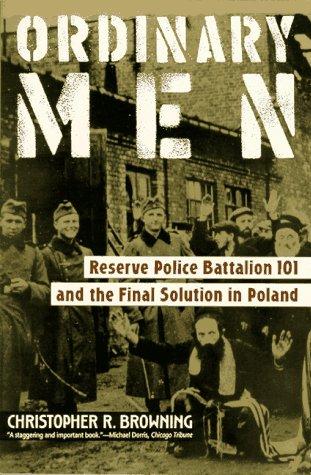
A reserve police battalion of middle-aged German men shot tens of thousands of Jews at close range — and most of them were given the chance to opt out. Browning's question is the one that should keep you up: what would you have done? The most important book on this shelf about obedience and conscience.
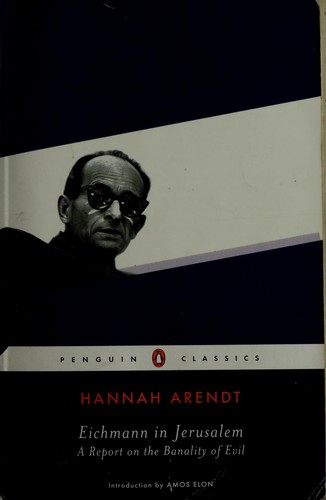
Arendt coined 'the banality of evil' watching a bureaucrat explain that he was just following orders and doing his job. Contested for sixty years, still essential. The book on what 'I was just following the chain of command' actually buys you.
Armstrong takes on the lazy claim that religion causes most wars and complicates it hard — the roots are usually power, land, and the state wearing faith as a uniform. Sweeping and argumentative. Ammunition for a smarter conversation about holy war.
Huntington's 1957 study of civil-military relations — the theoretical framework that American civil-military relations has operated within (and argued against) for seventy years. His argument: that the military is a profession with its own ethic, that this professional ethic is fundamentally conservative, and that the proper relationship between the military and its civilian masters requires both sides to understand and respect this. The book is the reference point for every subsequent debate about military professionalism, civilian control, and the role of military advice in democratic governance. Required context for the Dereliction of Duty and Supreme Command arguments.
Walzer's shorter follow-up — essays on terrorism, humanitarian intervention, and what changed after 9/11. If Just and Unjust Wars is the textbook, this is him arguing it in the present tense. Start here if the big book feels like a mountain.
The book every war college makes you read and most people quote without opening. Walzer builds just-war theory out of real cases, not abstractions — when a war is worth fighting, and what you're still not allowed to do once you're in it. Read it before you have an opinion about ROE.
The actual textbook on LOAC, written by a Marine turned law professor who's seen both sides of the courtroom. Distinction, proportionality, command responsibility — the rules that decide whether a shot is lawful or a war crime. Dense, but this is ground truth on ROE.
McMahan blows up the comfortable idea that soldiers on both sides are moral equals just because they're in uniform. His argument — that fighting for an unjust cause doesn't buy you a free pass — will make you genuinely uncomfortable. That's philosophy doing its job.
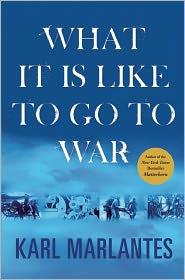
Marlantes wrote Matterhorn. This is the nonfiction companion: his own account of what he did in Vietnam, what he was trained to do, and what nobody prepared him for — the moral and psychological weight of killing. He draws on Jungian psychology, mythology, and his own experience to argue that the military trains warriors to kill and then fails to prepare them for what killing does to a human soul, and that this failure produces the veteran crisis. More uncomfortable than most books on the subject. More honestly argued. The gap between what Marlantes describes and what the military currently does about it is still very large.
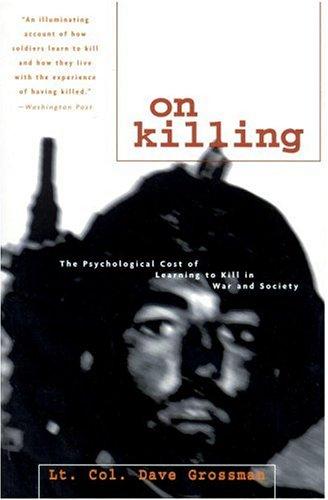
Grossman's analysis of the psychology of killing in combat — why humans have an innate resistance to killing other humans, how military training overcomes that resistance, and what the psychological consequences of killing are for the individuals who do it. Based on S.L.A. Marshall's WWII research and Grossman's own work as a West Point psychology professor. The book is controversial in its statistical foundations but has shaped every subsequent discussion of combat psychology, PTSD, and the ethical obligations of military training. Required context for anyone thinking seriously about what military training actually does to people.
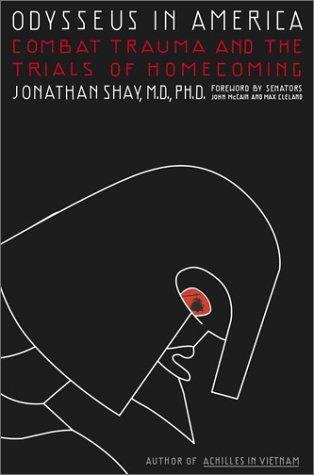
Shay, a VA psychiatrist, reads the Odyssey as the original reintegration story: Odysseus's ten-year journey home is a portrait of combat trauma and the difficulty of returning to civilian life that has not been improved upon in three thousand years. His parallel argument — that the Odyssey's episodes map onto the specific psychological challenges of veteran reintegration — is the most creative and most useful framework for thinking about what veterans need that has appeared in the clinical literature. Shay's earlier Achilles in Vietnam does the same for the Iliad.
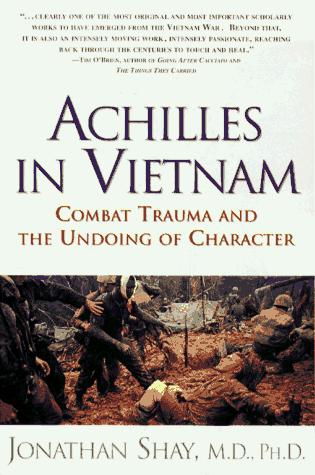
A VA psychiatrist maps combat trauma onto Homer and lands on what the manuals miss: moral injury isn't weakness, it's what happens when leadership betrays what's right in a high-stakes situation. If you've ever come home wrong and couldn't name why, this is the book. Pairs with Odysseus in America.
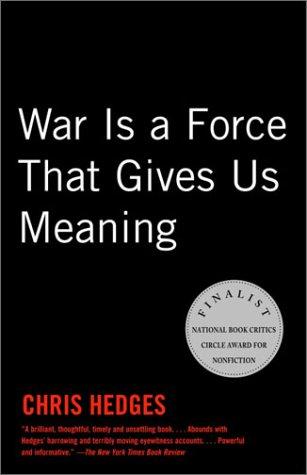
A war correspondent who kept going back tells you why war is a drug — the meaning, the adrenaline, the myth — and what the addiction costs. It's not anti-soldier; it's anti-illusion. Uncomfortable in exactly the right way.
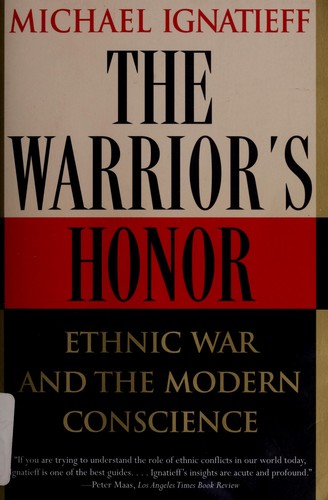
Ignatieff walks the 1990s wars — Bosnia, Rwanda, Somalia — asking what a warrior's code of honor means when the enemy has none and the cameras are rolling. A hard look at humanitarian intervention before the phrase got cheap.
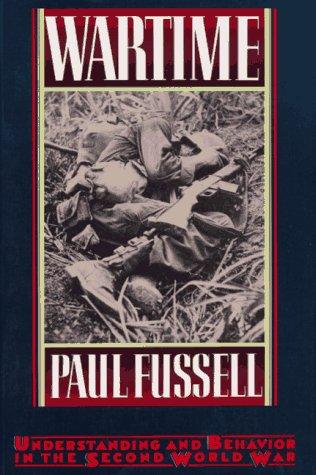
Fussell fought in WWII and spent the rest of his life puncturing the sentimental version of it. This is the war with the chickenshit, the fear, the boredom, and the lies left in. The antidote to the Greatest Generation gloss.
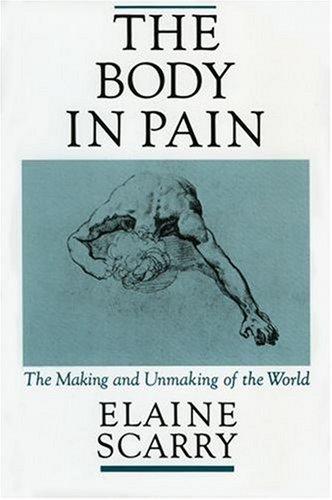
Not filed as a war book, but it belongs here — Scarry dissects how torture and war unmake a human being, and how pain resists language itself. Heavy, academic, unforgettable. Read it and you'll never say 'enhanced interrogation' with a straight face again.
Hillman's uncomfortable thesis: we keep going to war because on some level we love it — it's sublime, mythic, and human. Less a policy book than a mirror. Read it when you're ready to be honest about the pull.
The Stanford Prison Experiment guy explains how good people become torturers — then applies it straight to Abu Ghraib. His point: bad systems corrupt faster than bad apples. Read it before you decide it could never happen in your unit.
A war reporter asks combat vets the questions nobody asks — did you kill, did it change you, what do you carry. Eleven honest accounts of the moral weight, no glory filter. The stuff that stays after the deployment ends.