Getting Out
The hardest deployment is the one home for good. This shelf is the honest map of the military-to-civilian transition: translating what you did into what employers understand, the identity whiplash, the financial and psychological landmines, and the memoirs of people who made the jump and looked back honestly. Not motivational fluff — the real thing, from people who've been through the door.
Buy links go to Bookshop.org (which supports independent bookstores) and Amazon. Some are affiliate links — if you buy, we earn a small commission at no extra cost to you. As an Amazon Associate we earn from qualifying purchases. It never affects which books are on this list or how we describe them. How this works.
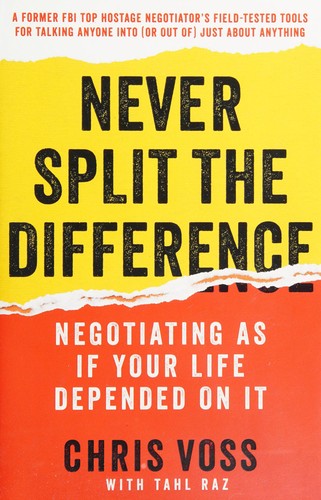
An FBI hostage negotiator turns life-or-death tactics into a playbook for salary offers, car deals, and every conversation where someone holds leverage over you. Transition is one long negotiation — job offers, benefits, VA claims — and most vets undersell themselves right out of the gate. This is the fix.
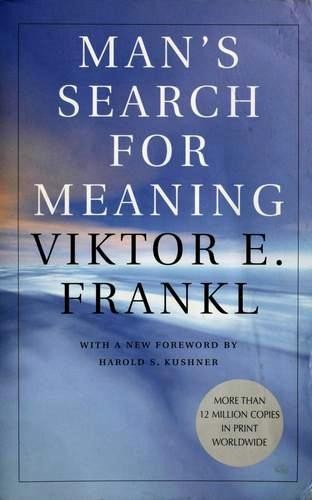
A psychiatrist who survived the death camps and walked out with one finding: they can strip everything from you except how you choose to respond. The most hard-earned book on resilience you'll ever read — no throw-pillow version of these quotes survives contact with the original.
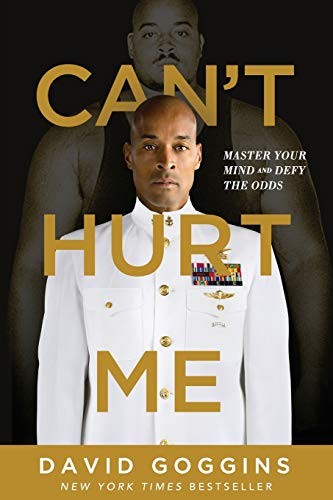
A Navy SEAL who went from broke and 300 pounds to ultramarathons on the theory that you're running at 40% and lying to yourself about the rest. Loud, profane, occasionally exhausting — and the callus-your-mind message lands anyway.
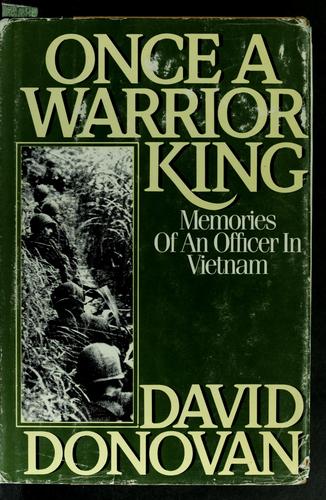
An Army advisor running a rural district mostly on his own, learning that hearts and minds is a full-time job nobody trained him for. Donovan's memoir is the quiet counterpoint to the big-unit war. What counterinsurgency actually looked like at the village level.
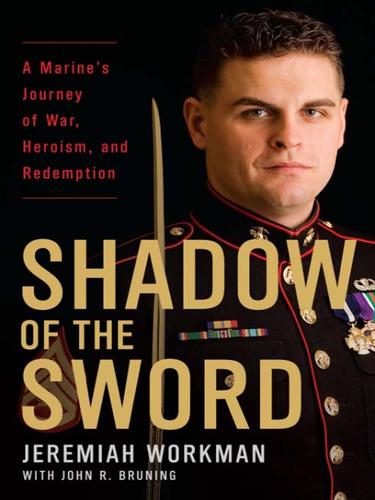
A Marine earns the Navy Cross in Fallujah and then nearly loses himself to the aftermath — the survivor's guilt, the drinking, the PTSD the Corps wasn't built to catch. Workman is brutally honest about the part that comes after the medal ceremony, which is exactly why it belongs here. The war doesn't end when you rotate home.
Marlantes wrote Matterhorn. This is the nonfiction companion: his own account of what he did in Vietnam, what he was trained to do, and what nobody prepared him for — the moral and psychological weight of killing. He draws on Jungian psychology, mythology, and his own experience to argue that the military trains warriors to kill and then fails to prepare them for what killing does to a human soul, and that this failure produces the veteran crisis. More uncomfortable than most books on the subject. More honestly argued. The gap between what Marlantes describes and what the military currently does about it is still very large.
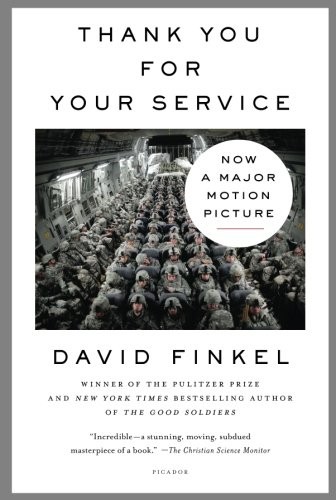
Finkel embedded with the 2-16 Infantry Battalion in Iraq and wrote The Good Soldiers. He then went back to find the men from that battalion years later — back in Kansas, trying to reintegrate — and wrote this account of what the war had done to them and what the country had and had not done about it. The title is the sentence most veterans hear most often and understand least. The book documents what is behind that sentence: the traumatic brain injuries, the marriages that didn't survive, the VA appointments that did not happen, and the specific, identifiable, treatable suffering that a sentence cannot address.
The definitive account of what trauma does to the brain and body — written by the psychiatrist who spent forty years treating veterans and trauma survivors and concluded that talk therapy alone cannot reach what combat does to a person. Van der Kolk's research on PTSD is the scientific foundation of every effective veteran treatment program operating today. Every leader who has ever told a soldier to "drive on" without understanding what they were driving through should read this. Required reading for chaplains, behavioral health officers, NCO leadership, and anyone who has ever been responsible for the mental health of people who have seen sustained combat.
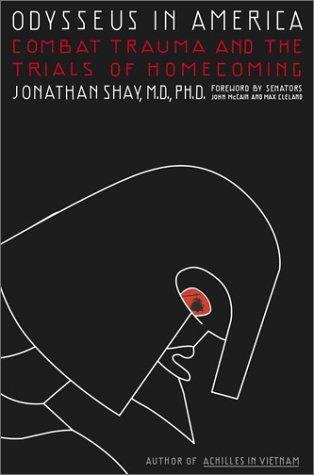
Shay, a VA psychiatrist, reads the Odyssey as the original reintegration story: Odysseus's ten-year journey home is a portrait of combat trauma and the difficulty of returning to civilian life that has not been improved upon in three thousand years. His parallel argument — that the Odyssey's episodes map onto the specific psychological challenges of veteran reintegration — is the most creative and most useful framework for thinking about what veterans need that has appeared in the clinical literature. Shay's earlier Achilles in Vietnam does the same for the Iliad.
Junger embedded with infantry in the Korengal Valley and came back asking a question nobody in Washington wanted to answer: why do veterans miss the war they hated? The answer involves belonging, purpose, and equality under fire — things that civilian society has become extraordinarily bad at providing. Short, dense, and deeply uncomfortable if you are honest with yourself.
The civilian job hunt is not a mission brief and nobody's handing you a five-paragraph order. Dalton gives you a repeatable system — a target list, LinkedIn recon, informational interviews — instead of the spray-and-pray application black hole that eats most transitioning vets alive. It's process, not a pep talk, which is exactly what you want.
The career-change bible that's been rewritten more times than the reg you hate. Cut past the dated bits and the self-inventory work is the real value: figuring out what you actually want to do before you let a recruiter — the civilian kind this time — decide for you. Read it early in transition, not the week terminal leave starts.
Two Stanford design professors treat 'what do I do now' as a design problem instead of a crisis. For someone leaving a career where the next job was always assigned, the idea that you prototype several possible lives before committing to one is genuinely useful. Skip the Silicon Valley gloss; keep the method.
'Follow your passion' is terrible advice, and Newport spends the book proving it. Skills come first and passion follows mastery — a message that lands hard for anyone who spent years getting good at a job the civilian market doesn't list. Read it before you bet the GI Bill on a dream with no market behind it.
A Stanford psychologist argues that empathy is a skill you build, not a trait you're born with. Useful on both ends of getting out: rebuilding the connections that deployments strain, and working alongside civilians who will never fully get where you've been. Evidence, not sentiment.
Written by a psychologist and a Vietnam vet specifically for the reintegration gap — the stretch where you're home, everyone says thank you, and something still isn't right. Plain, practical, aimed at the service member and the family both. Short enough that you'll actually finish it.
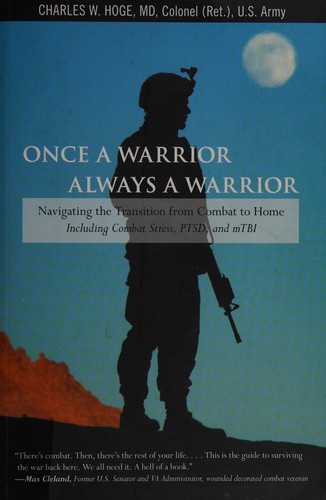
Hoge ran psychiatric research for the Army and wrote the field manual for coming home — combat stress, PTSD, and TBI explained by someone who studied them at scale, not a wellness influencer. He reframes the survival reflexes that kept you alive downrange as things to retrain, not to be ashamed of. The most credible book here for the hard part of getting out.
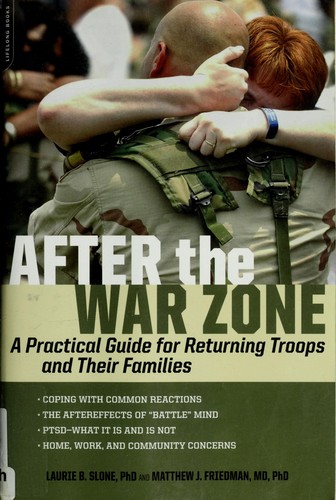
Two of the country's top trauma researchers wrote a straight guide for returning troops and the people who love them. No jargon and no hand-wringing — just what's normal, what isn't, and when to get help. Give a copy to your spouse or parents; half the reintegration fight happens on their side of the door.

The Starbucks CEO teamed with a war correspondent to collect stories of veterans and what their service can teach a civilian country that mostly says thanks and moves on. It's more celebration than critique and lighter than the rest of this shelf, but the profiles of vets rebuilding themselves after service earn their place. Read it for morale, not method.

The research showing most real millionaires drive used trucks and never pulled a flashy paycheck — they just spent less than they made, for decades. For someone trading a steady military income for civilian uncertainty, the core lesson matters: wealth is built by habits, not by the size of the check. Dated in spots, right in the fundamentals.
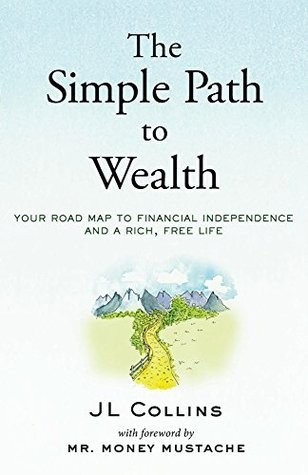
Started as letters to the author's daughter and became the clearest plain-English case for index-fund investing you'll find. No stock-picking, no crypto, no guru — just live below your means, avoid debt, and let low-cost funds compound. Exactly the boring, honest money advice a new veteran needs and rarely gets.
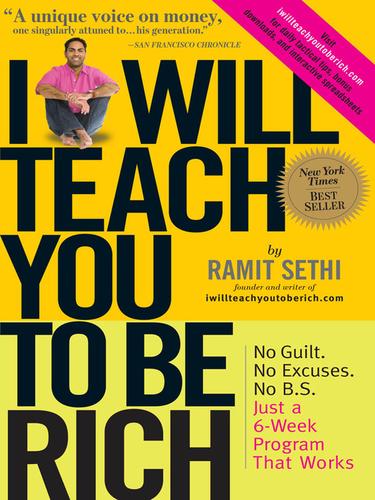
Ignore the cocky title; it's a practical six-week system for automating your money — accounts, savings, investing — so you stop white-knuckling every paycheck. Aimed at people early in their careers, which fits a lot of folks separating in their twenties. Set it up once, let it run, get on with your life.
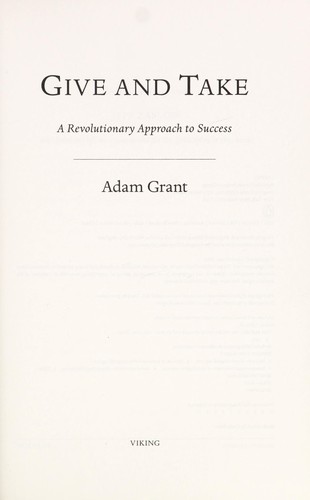
Grant's research on why generous people can rise to the top — and why some of them finish last. The line between smart giving and being a doormat is worth its weight for anyone rebuilding a professional network from scratch. Networking without the slime.
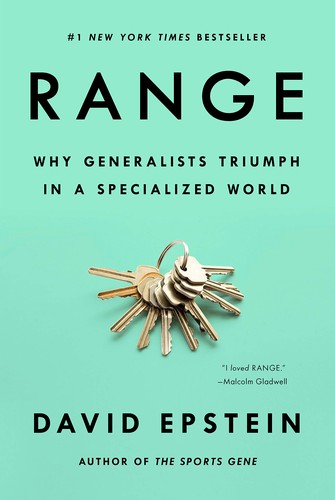
The counter to 'specialize early or lose.' Epstein makes the evidence-backed case that generalists — people with varied experience who connect dots across fields — often outrun narrow specialists over a career. If you worry your military background is too scattered for the civilian world, this reframes it as an edge.
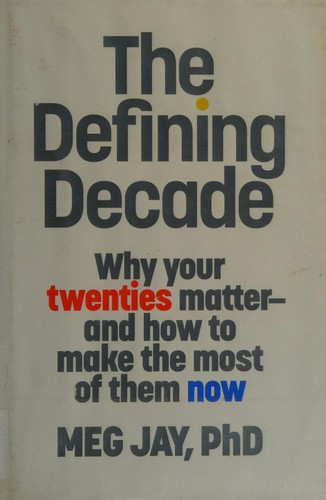
A clinical psychologist's case that your twenties are not throwaway years, aimed straight at people who figure they've got plenty of time to sort it out. For someone getting out young, the push to make deliberate moves now — career, money, relationships — instead of drifting is a useful shove. Occasionally preachy, mostly right.
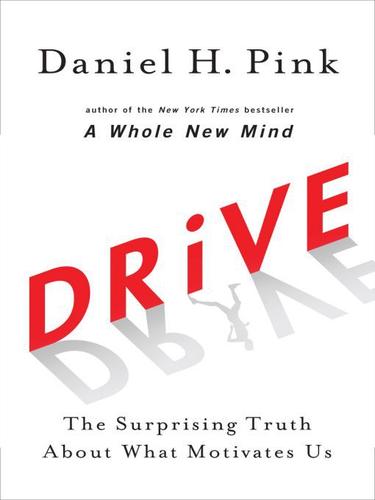
Pink lays out what actually motivates people once a paycheck covers the basics: autonomy, mastery, and purpose. It's a decent map for picking a civilian job that won't hollow you out — and for understanding why the mission-driven pull of service is so hard to replace. Read it while you still have choices about what's next.
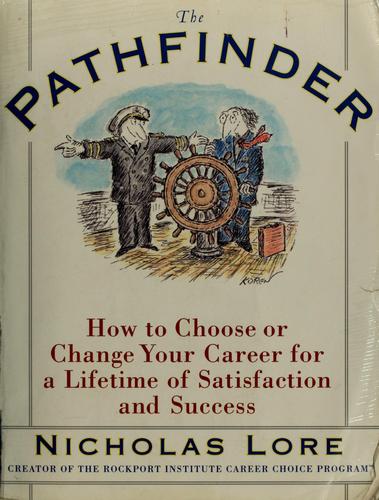
A dense, workbook-heavy guide to choosing a career on purpose instead of falling into whatever hires you first. The exercises are tedious and that's the point — most people skip the self-assessment and regret it later. Good for the vet who wants a career, not just the next job.
Bronson interviewed hundreds of people wrestling with the exact question in the title and reports back honestly — including the ones who never landed a clean answer. No formula and no ten-step plan, which is refreshing after a career of checklists. Read it to feel less alone in the not-knowing, not to be handed the solution.